Advanced Coral Fragging Techniques | Methods to Increase Success Rate
We explain advanced techniques for successful coral fragging. Detailed guidance on proper cutting positions, adhesive methods, recovery promotion tips, and frag rack utilization.
Key Takeaways
We explain advanced techniques for successful coral fragging. Detailed guidance on proper cutting positions, adhesive methods, recovery promotion tips, and frag rack utilization.
Related Species
What is Coral Fragging? Understanding the Basics
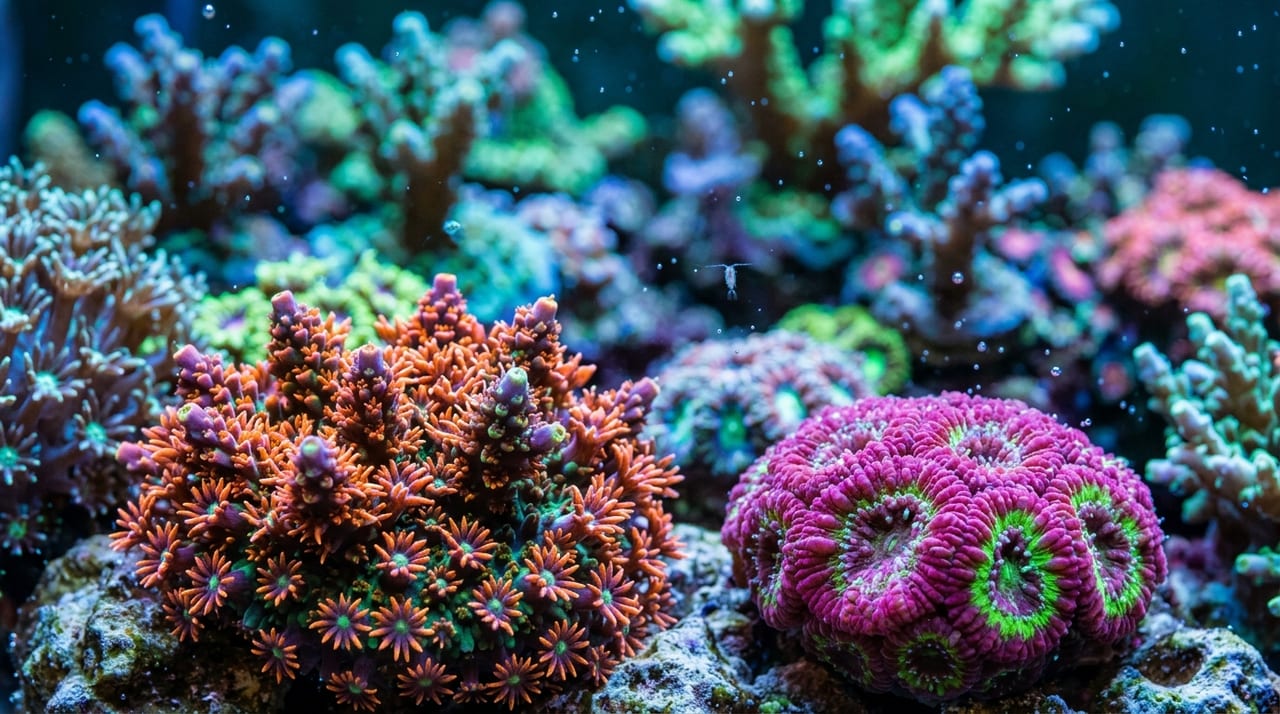
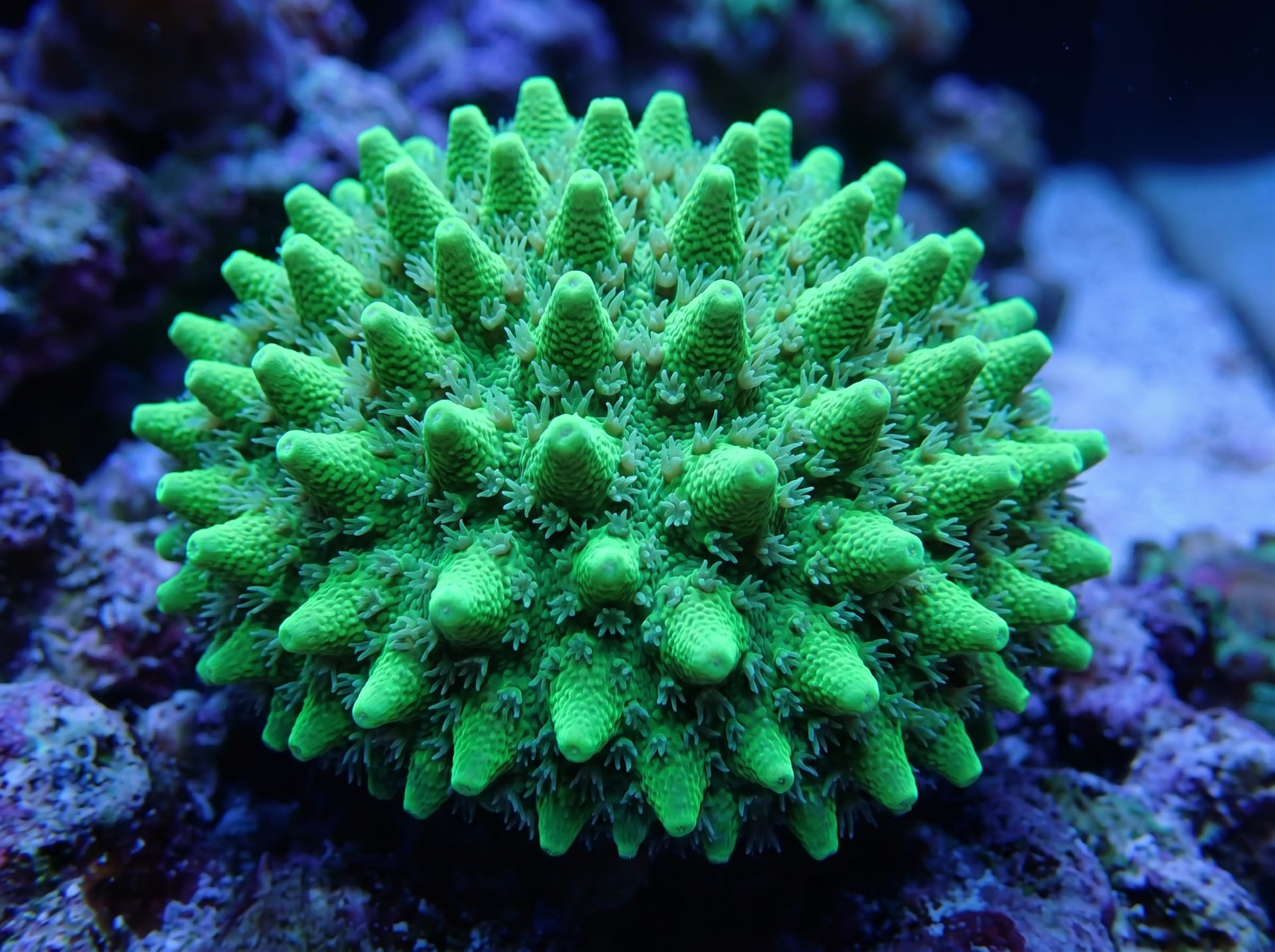
Coral fragging (fragmentation) is a propagation technique in which small fragments are intentionally cut from a healthy parent coral and reared as new individuals. In nature, corals may break due to storms or predators, and fragments can attach to rocks, forming new colonies. Fragging mimics this process artificially.
The widespread adoption of this technique is driven by stricter regulations on wild collection and increased demand for captive-bred specimens from breeders. Specimens produced through fragging are distributed as "Captive-Bred (CB)" and are considered beginner-friendly due to reduced transportation stress and superior environmental adaptability.
The keys to successful fragging are condensed into three points: "proper preparation," "accurate cutting," and "careful recovery care." We'll explain each process in detail.
---
Tool Preparation and Selecting Parent Corals
Essential Tools List
Before starting fragging work, gather the following tools. Incomplete preparation increases the failure rate.
Bone Cutter (Skeleton Cutter): Essential for cutting hard-skeleton corals such as SPS and LPS. Choose one with a sharp blade.
Sharp Cutting Knife or Scalpel: Used for cleanly cutting soft coral tissue.
Instant Adhesive (Gel Type): Choose cyanoacrylate-based, saltwater-compatible products. Liquid types dissolve easily in saltwater and are unsuitable.
Epoxy Putty (Two-Part Mix): Effective for securing large LPS frags. Hardens underwater.
Frag Plugs/Frag Discs: Bases for securing cut corals. Ceramic or rock-shaped types adhere easily.
Iodine-Based Dip Solution: Disinfectant to prevent bacterial and fungal infections at the cut surface.
Frag Rack: Dedicated stand for organizing and managing multiple frags.
✍️
BreederDirect Editorial
The BreederDirect editorial team specializes in care information for animals, covering veterinary care and breeding to deliver beginner-friendly guides.
Find Coral on BreederDirect
Buy directly from verified breeders
Browse Related Listings
Find Coral listings related to this article on BreederDirect. Buy directly from verified breeders.
Careful determination of cutting position is critical due to complex skeleton structure.
Cut along natural skeleton boundaries or constricted sections
Target the skeleton to minimize damage to polyps (tissue portion).
Tissue may separate from the skeleton after cutting, so secure promptly.
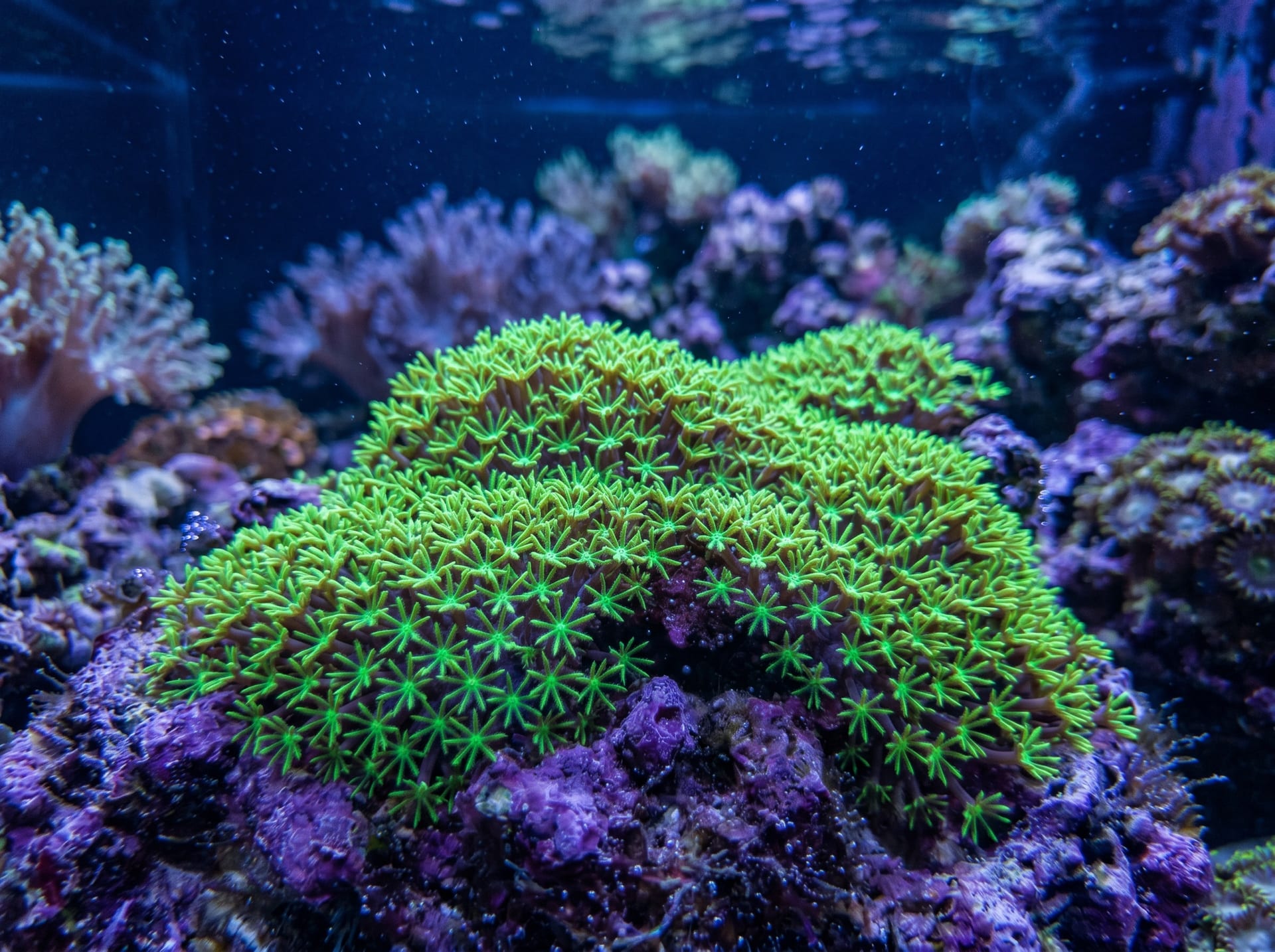
Soft Corals (Mushroom Corals, Star Polyps, Ricordea, etc.)
Easier due to lack of skeleton, but tissue is delicate and susceptible to bacterial infection.
Cut in one swift motion with a clean scalpel. Sawing motions damage tissue.
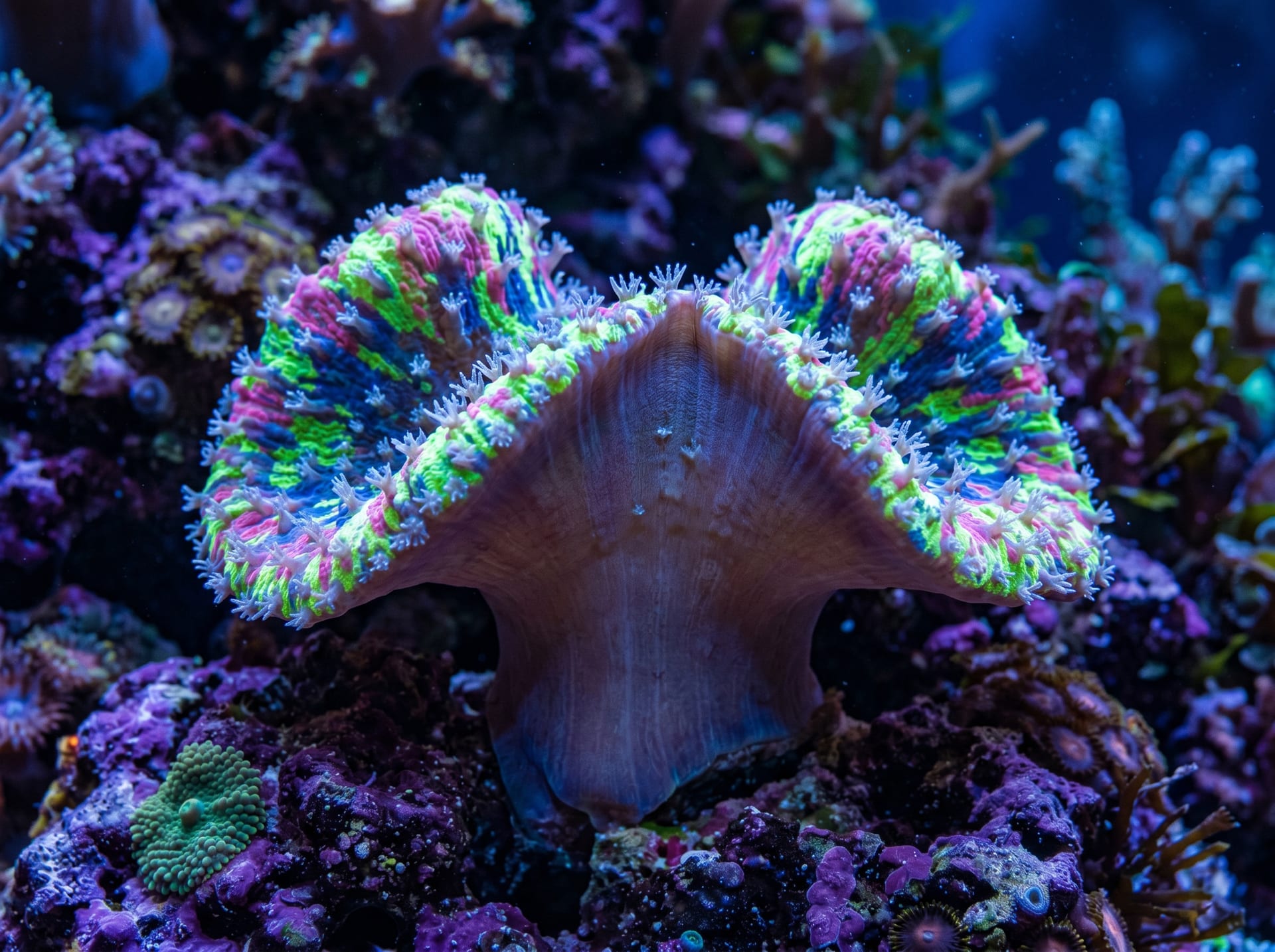
For mushroom corals, horizontal slicing of the disc is effective. Fragments that are too small have lower survival rates.
After cutting, soak in dip solution for 2–5 minutes before securing.
---
Adhesion and Securing Procedures and Tips for Success
Securing frags is more delicate than it may seem. Following these steps improves adhesion strength and survival rates.
When Using Instant Adhesive
Lightly sand the frag plug surface to roughen the adhesive area (improves adhesion strength).
Gently blot the coral cut surface with a paper towel to remove surface moisture.
Apply adhesive to the plug side (applying to the coral risks tissue damage).
Press the coral onto the plug and hold for 10–15 seconds before returning to saltwater.
Avoid strong water flow until the adhesive fully hardens.
When Using Epoxy Putty
Effective for large LPS frags and irregularly shaped corals.
Mix the two-part components thoroughly for 2–3 minutes.
Apply putty to the plug and secure the coral by pressing it in.
Hardening takes approximately 30–60 minutes, so keep in low-flow areas during this time.
Move to the frag rack after complete hardening.
---
Environmental Setup and Recovery Period for Enhanced Recovery
Corals experience significant stress immediately after fragging. Proper environmental conditions greatly improve recovery speed and survival rates.
Target Water Parameter Values
Parameter
Target Value
Calcium
420–450 ppm
KH (Carbonate Hardness)
7–9 dKH
Magnesium
1,300–1,400 ppm
pH
8.1–8.3
Nitrate
≤5 ppm
Phosphate
0.03–0.1 ppm
Environmental Setup Points
Reduce lighting: Decrease to 60–70% of normal levels and gradually restore over 1–2 weeks.
Reduce water flow: Adjust so the frag rack receives only indirect, gentle flow.
Frag rack placement: Mid-level to lower areas are best, selecting locations with gentle light and flow.
Amino acid and vitamin supplementation: Adding small amounts of coral-specific amino acid supplements often accelerates recovery.
Recovery period: Manage frags in the frag rack for 2–4 weeks before moving to the main layout.
Establishment Confirmation Checklist
Are polyps extended?
Is new tissue or skeleton growth visible?
Has bleaching or excessive mucus secretion ceased?
Is the frag securely attached to the plug?
Once all items are confirmed, consider moving to the main layout.
---
Br-choku's Safe and Reliable System
On Br-choku, you can purchase pre-fragged corals and healthy parent specimens directly from experienced breeders. The greatest advantage is minimal shipping time and reduced stress on the livestock, since intermediaries are bypassed.
Breeder profile pages list their experience and specialty species, allowing you to message experienced fragging breeders directly with questions like "What flow rate do you maintain for this species?" or "How long was your recovery period after fragging?" This direct access to specialized advice is a unique advantage of buying directly from breeders.
Even if you're new to coral keeping, we encourage you to explore Br-choku's coral category and find your favorite specimen. Meeting a carefully cultivated CB specimen may be your first step toward successful long-term care.