Tips for Maximizing Coral Polyp Extension: Water Flow, Lighting, and Feeding Strategies
Detailed explanation of why coral polyps fail to open and techniques for maximizing polyp extension through water flow, lighting timing, and feeding methods. Includes species-specific care strategies.
Key Takeaways
Detailed explanation of why coral polyps fail to open and techniques for maximizing polyp extension through water flow, lighting timing, and feeding methods. Includes species-specific care strategies.
Related Species
Coral Polyps Won't Open—A Common Problem
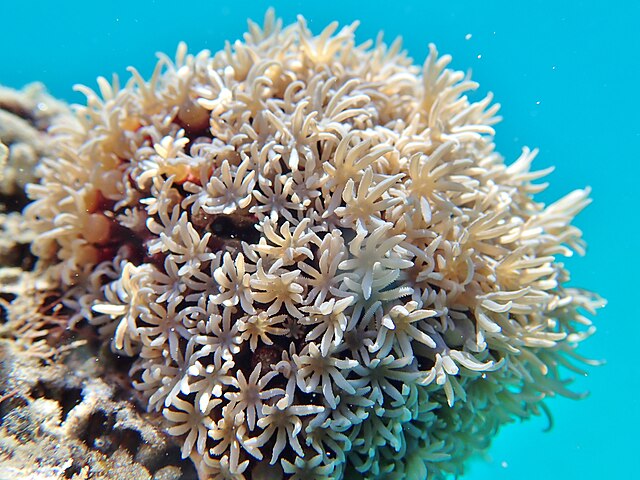
When managing reef tanks, many aquarists experience the frustration of seeing corals suddenly close their polyps after days of beautiful extension. Polyp extension is the most direct indicator of coral health, and neglecting observation risks missing serious damage.
Four primary causes of closed polyps: water parameter swings, improper water flow, lighting timing errors, and predator-induced stress. Each deserves detailed attention.
How Water Flow Affects Polyp Extension
Corals exchange oxygen, nutrients, and waste through water movement. Excessive flow triggers defensive polyp closure. LPS corals (hammer corals, branching corals, etc.) are particularly flow-sensitive, preferring gentle diffuse currents rather than random waves. SPS corals demand high flow rates, but they dislike constant unidirectional jets.
Ideal water flow targets: - LPS: 15–25 cm/s, diffuse type - SPS (Acropora genus): 30–60 cm/s, multidirectional random - Soft corals: 10–20 cm/s, gentle
Wave makers creating alternating left-right flow work well for most species. Remove detritus from dead spots regularly—accumulated debris irritates corals and degrades water quality.
Lighting Timing and Spectrum Relationships
Coral zooxanthellae are diurnal, so abrupt on/off cycles cause stress. Ideal lighting replicates sunrise, midday, and sunset through gradual ramping.
Blue wavelengths (420–470 nm) activate fluorescent proteins most effectively. Pre-stimulate with white light before intense blue—polyps will open gradually rather than risk bleaching under sudden full power.
Light adjustment guidelines: - Start new corals at 30–50% normal intensity; ramp to full over 2–3 weeks - PAR targets vary by species (soft corals: 50–150 / SPS: 200–400+)
Feeding to Promote Polyp Extension
Most corals cannot subsist on photosynthesis alone—they actively feed on plankton and organic matter. LPS and NPS corals show dramatic polyp extension with consistent feeding.