Coral Dipping Methods | Pest Control and Quarantine Procedures for New Introductions
An explanation of the dipping procedure essential when introducing new corals. We introduce pest control measures for flatworms, red bugs, AEFW, and other common pests, along with guidance on selecting the right treatment agents.
Key Takeaways
An explanation of the dipping procedure essential when introducing new corals. We introduce pest control measures for flatworms, red bugs, AEFW, and other common pests, along with guidance on selecting the right treatment agents.
Related Species
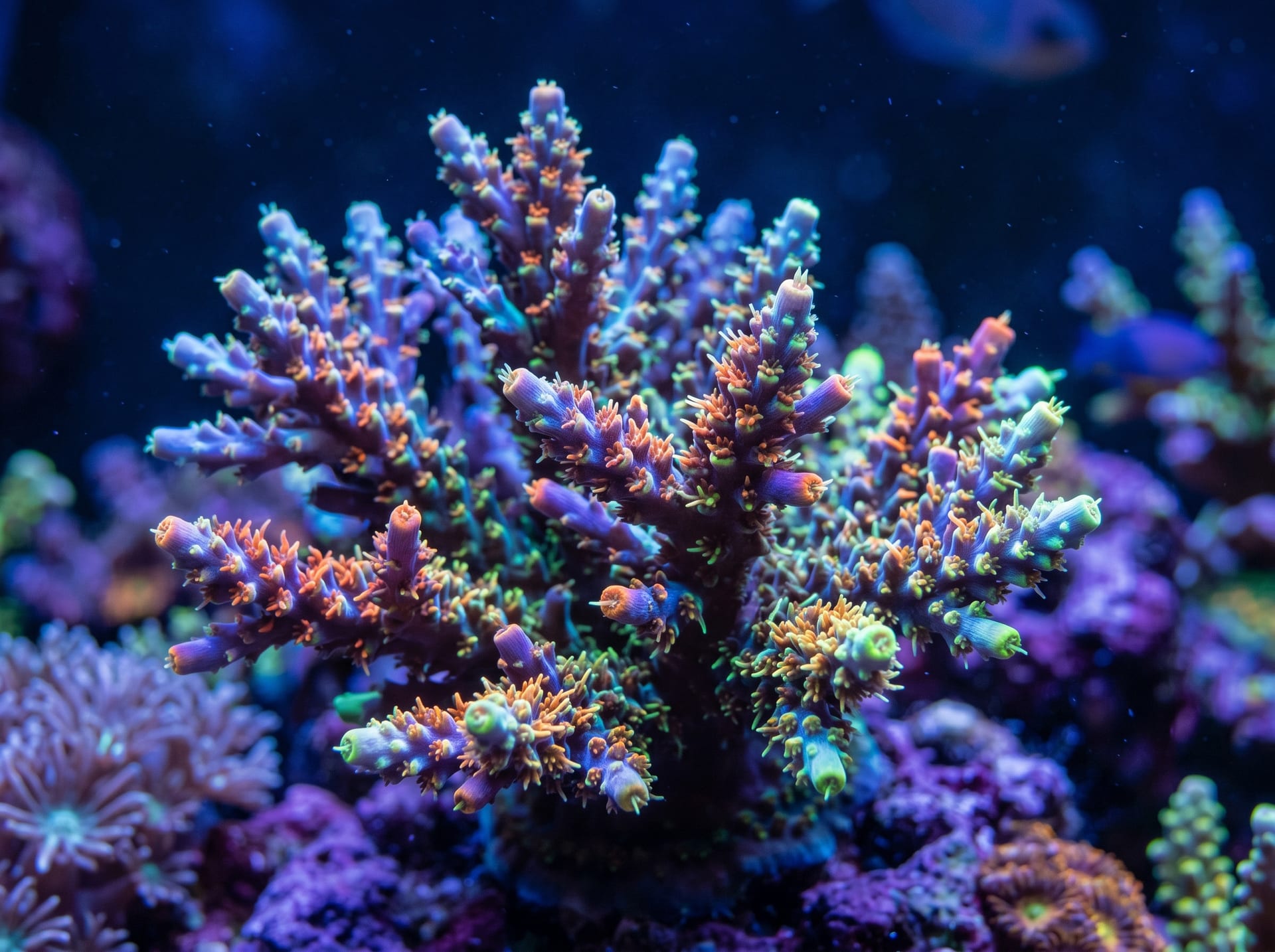
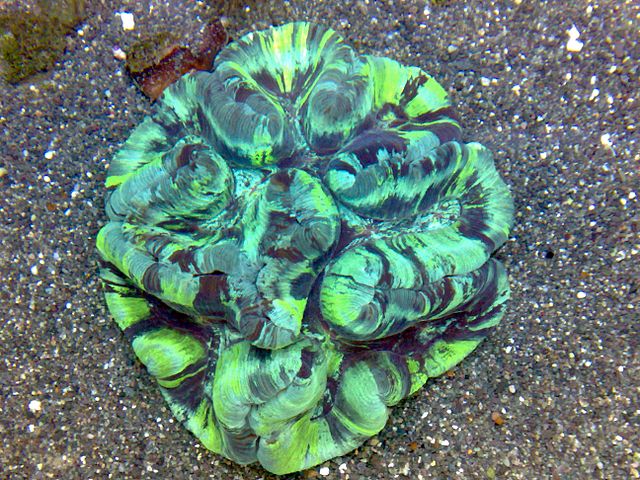
When introducing new corals to a tank, one of the most critical steps is dipping (medicinal bath treatment). Corals often have pests attached that are difficult to see with the naked eye, and introducing them into the main tank without quarantine risks harm to existing corals. This article explains dipping procedures in detail and covers strategies for addressing major pest infestations.
Why Is Dipping Necessary?
The pests that attach to corals are extremely small, and many are difficult to spot with the naked eye. Even if shops or breeders maintain good management practices, it is difficult to guarantee 100% pest-free specimens. Particularly troublesome pests reproduce rapidly, and once introduced into the tank, they become extremely difficult to eliminate.
Dipping should be viewed as a "preventive measure"—not something done only after pests are discovered, but as a standard practice that should be performed every time new corals are introduced.
Major Pests and How to Identify Them
- Flatworms (Flatworm) are flat-bodied animals that feed on coral tissue. AEFW (Acropora Eating Flatworm), which parasitizes Acropora, causes particularly serious damage. At 2–5 mm in length, they camouflage themselves in the same color as the coral, making discovery difficult. Watch for signs such as polyps that do not open or white feeding scars.
- Red bugs (Tegastes acroporanus) are microscopic crustaceans that parasitize Acropora. They appear as tiny red dots approximately 0.5 mm in length. While they cause less direct tissue destruction, heavy infestations prevent polyps from opening and severely inhibit growth.
- Nudibranchs that feed on corals vary by coral species. Those that parasitize Montipora are particularly well-known, and once they spawn, the next generation emerges rapidly.
- Zoanthus-eaters are a type of nudibranch that parasitizes corallimorphs and zoanthids, feeding on polyps at night. If polyps are reduced by morning, suspect the presence of this pest.
Basic Dipping Procedure
Materials needed are as follows:
- Dipping treatment agent
- Container for corals (1–2 liters)
- Water from the main tank
- Timer
- Tweezers
- Small pump or syringe
Step 1: Fill the container with tank water. Add water from the main tank to the container, add the treatment agent at the specified dose, and mix well. The water temperature should match that of the main tank.
Step 2: Submerge the coral. Place the coral in the container and soak it for the specified time. Most treatment agents recommend 5–15 minutes. Use a syringe or small pump to gently direct water flow and dislodge pests hiding in coral crevices.
Step 3: Check for pests. Carefully observe the bottom of the container and check for any dislodged pests. Using a white container makes pests easier to spot. If many pests are found, perform a second dipping with fresh treatment solution.
Step 4: Rinse and introduce. Lightly rinse the coral in fresh tank water in a separate container to wash away the treatment agent, then introduce it to the main tank.
Types of Treatment Agents and Their Uses
- Coral RX Pro is the most widely used general-purpose dipping agent. It is effective against a wide range of pests including flatworms, nudibranchs, and zoanthus-eaters, and is suitable for both SPS and soft corals. It is widely praised for causing minimal damage to corals.
- Bayer method (Bayer dip) is a method that uses permethrin for insects as its main component and is particularly effective against red bugs. However, concentration management is critical—exceeding the specified dose will damage corals. It is safest to use this method exclusively for red bugs.
- Povidone-iodine (Betadine) dip is used for treating brown jelly disease (bacterial infection) and disinfecting coral fragments. Add only a few drops per liter of tank water to avoid damaging coral tissue—care is required.
Precautions During Dipping
Always follow the specified concentration and duration of the treatment agent. The idea that "longer soaking means better results" is incorrect—extending the time will damage the coral itself. Particularly delicate LPS corals (such as bubble corals and large-polyp corals) are safest with shorter soak times.
Never introduce dipping solution into the main tank. The body fluids of pests and treatment chemicals can degrade water quality.
Also, avoid treating multiple corals in the same dipping solution. There is a risk that pests from one coral will transfer to another.
Observation Period After Introduction
Vigilance remains essential even after dipping. Since pest eggs are resistant to treatment agents, performing a second dip one week after introduction provides extra assurance. Observe carefully for 2–4 weeks after introduction, regularly checking polyp extension, coloration changes, and the presence of any suspicious organisms.
If possible, prepare a small quarantine tank and keep corals in isolation for 2–4 weeks before moving them to the main tank.
Quarantine Tanks and Long-Term Pest Management
Since dipping alone often cannot completely remove eggs, we strongly recommend setting up a quarantine tank (isolation aquarium) if possible and maintaining a 2–4 week isolation period. A small 10–20 liter tank is sufficient; basic equipment with lighting, water flow, and a heater is adequate. Repeating dips at weekly intervals during the isolation period breaks the pest lifecycle and substantially reduces the risk of introducing pests to the main tank.
Quarantine tanks serve purposes beyond pest control—they also allow you to confirm that new corals can adapt to your tank environment. Being able to assess the condition of purchased corals without stressing the main tank is a significant advantage.
Dipping Frequency and Quarantine Best Practices
Complete one dipping of newly introduced corals, then perform additional treatments one and two weeks after introduction to eliminate the next generation of pests hatched from eggs. AEFW eggs in particular have high resistance to dipping agents, making multiple treatments essential. Performing 3–4 dippings over a 4-week quarantine period in a quarantine tank represents an ideal quarantine protocol.
When performing dipping work, ensure good ventilation. Some treatment agents have distinctive odors, and prolonged work in enclosed spaces can affect your health.
Safe Coral Purchases with BreederDirect
With BreederDirect, you can purchase corals directly from well-managed breeders. You can discuss pest management conditions and recommended dipping methods directly with breeders, allowing you to introduce corals with confidence. Building trust with reliable breeders is an invaluable asset for maintaining a beautiful reef tank over the long term.