Coral Fluorescence & Color Enhancement Techniques
Techniques to enhance coral fluorescence through lighting, water chemistry, and nutrient management, plus solutions for browning.
Key Takeaways
Techniques to enhance coral fluorescence through lighting, water chemistry, and nutrient management, plus solutions for browning.
Related Species
The vivid colors of corals are one of the greatest attractions for hobbyists. However, many have experienced corals that looked stunning at the shop or breeder's facility turning brown once placed in their home aquarium. Achieving vibrant coral coloration requires proper control of three factors: lighting, water quality, and nutrient levels. This article explains practical techniques for maximizing fluorescent colors.
Understanding How Coral Color Works
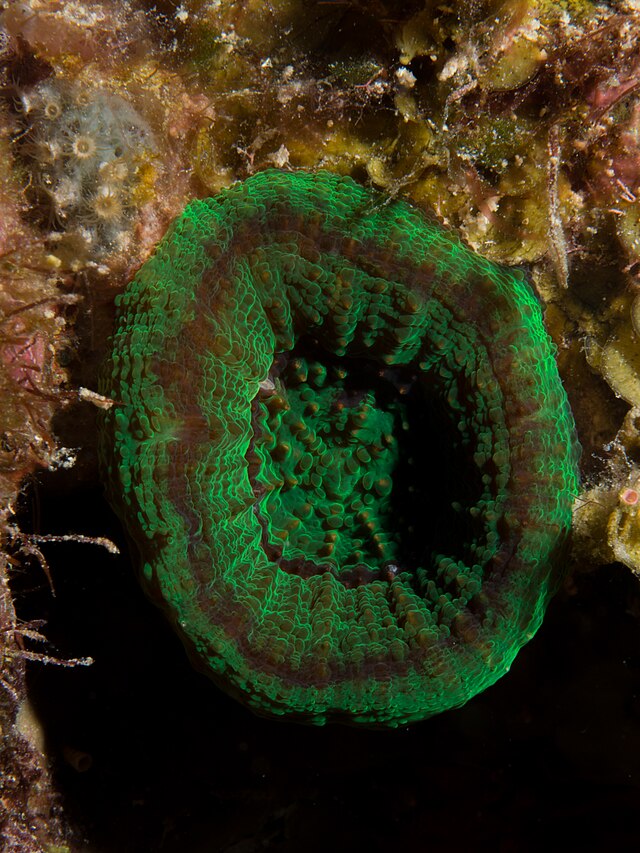
Coral color originates from two main sources. One is the color of symbiotic zooxanthellae living within the tissue, which is brown to brownish. The other is the coral's own fluorescent proteins, which produce vivid greens, reds, oranges, and purples.
Color enhancement means intensifying these fluorescent proteins while moderately suppressing the brown of zooxanthellae to make vivid colors stand out. Since completely losing zooxanthellae causes bleaching and death, the key is adjusting the balance.
Lighting Techniques for Color Enhancement
Lighting adjustment has the greatest impact on coral coloration.
Using predominantly blue light causes fluorescent proteins to be strongly excited, bringing out vivid colors. Simply reducing the ratio of white light and increasing blue light can dramatically change the visual appearance. However, actually increasing fluorescent protein production takes time, so allow 2-4 weeks after lighting changes to evaluate results.
Adding UV (violet) light is particularly effective for corals with green and yellow fluorescence. Adding LEDs in the 380-420 nm range at about 10-15% of total output significantly intensifies fluorescent colors.
Setting appropriate PAR values is also important. Too little light causes zooxanthellae to multiply, turning corals brown; too much risks bleaching. The optimal range for color enhancement is 200-350 PAR for SPS and 100-200 PAR for LPS.
Nutrient Management and Color
Nutrient levels (nitrate and phosphate) directly affect coral color.
Nitrate (NO3) at excessively high levels causes zooxanthellae to over-proliferate, giving corals a dull brown appearance. For SPS color enhancement, 1-5 ppm is considered optimal. However, reducing to 0 ppm prevents zooxanthellae from producing energy, harming coral health.