Coral Heat Stress Management | Preventing Bleaching and High Temperature Control Tips
Coral Heat Stress Management。Understanding Coral Bleaching How Heat Stress Works Reef-building corals that form coral reefs harbor symbiotic algae called…
Key Takeaways
Coral Heat Stress Management。Understanding Coral Bleaching How Heat Stress Works Reef-building corals that form coral reefs harbor symbiotic algae called…
Understanding Coral Bleaching | How Heat Stress Works
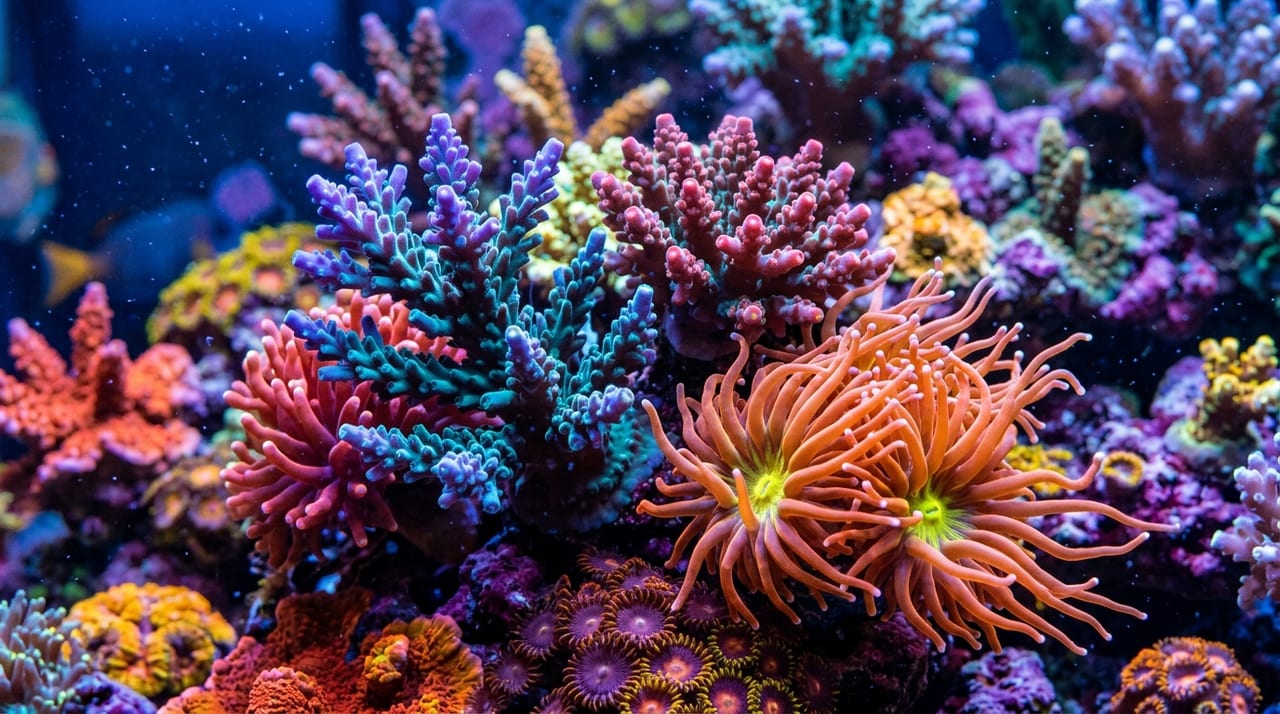
Reef-building corals that form coral reefs harbor symbiotic algae called zooxanthellae (Symbiodiniaceae) within their tissues, deriving most of their nutrition from organic matter produced by these algae through photosynthesis. Zooxanthellae are also the primary reason corals display their vibrant colors.
However, when water temperature exceeds a certain threshold, corals begin expelling the zooxanthellae from their bodies. This phenomenon is called "bleaching." Bleached corals appear white as their white skeleton becomes visible through the now-transparent tissue, cutting off the nutrient supply. If bleaching is temporary, corals can recover; but if high temperatures persist for an extended period, the tissue dies and the coral ultimately perishes.
In aquarium settings, the primary trigger for bleaching is elevated temperature. Generally speaking, depending on the species and origin, when water temperature rises above 28–30°C, stress responses become observable in most corals. Particularly during summer, when indoor room temperature spikes, tank temperature can shoot up rapidly—caution is warranted even in indoor aquariums.
Causes of Water Temperature Rise in Summer
Multiple factors contribute to rising tank water temperature.
- Room temperature increase: This is the largest factor. In a sealed room with the air conditioner off, indoor temperatures can exceed 35°C in the middle of a summer day. Tank water temperature rises as room temperature rises, making the environmental control of the breeding room directly tied to tank temperature.
- Heat from lighting: The second major factor. Halogen-based metal halide lamps certainly generate heat, but high-output LED lighting can also raise the temperature near the water surface by several degrees when left on for extended periods. Heat is more likely to accumulate when the distance between lighting and water surface is close or when the tank is covered.
- Heat from pumps and equipment: An often-overlooked point. Submersible pumps and external filter motors generate heat during operation, with some of that heat transferring to the aquarium water. In smaller tanks, the proportion of heating from equipment relative to overall water temperature becomes even greater.
When these factors overlap in a summer tank with no countermeasures, water temperature often reaches 32–34°C. In coral aquaculture, summer water temperature management is one of the most important topics throughout the year.
Water Temperature Control Equipment for Preventing Bleaching
The following methods are available as high-temperature countermeasures for coral tanks.
- Aquarium chiller: The most reliable solution. An aquarium chiller is dedicated equipment that directly cools aquarium water using refrigerant, maintaining the set temperature within approximately ±0.5°C. Although there is an initial investment, once installed, summer temperature management becomes nearly automatic, offering high long-term peace of mind. Selecting a model appropriate for tank capacity is essential; undersized equipment may fail to keep pace with extreme summer room-temperature spikes.
- Fan or spot cooler method: Widely used as a next-best option when aquarium chiller installation is difficult from a cost perspective. A small fan is directed at the water surface, and temperature is lowered using evaporative cooling. Expect 1–3°C of cooling effect at low electrical cost. However, water level drops rapidly due to evaporation, and salinity (specific gravity) rises, making the use of an auto top-off (ATO) device recommended.
- Room air conditioning: An extremely effective method. Operating the breeding room's air conditioner 24 hours a day at 26–27°C reduces dependence on aquarium chillers while maintaining a stable environment. Although there is an electricity cost, when managing multiple tanks in the same room, this can sometimes be more economical than equipping individual coolers.
Daily Water Temperature Monitoring and Early Detection
No matter how well equipped the setup, without understanding actual water temperature, you cannot notice abnormalities. It is recommended to permanently install a digital water thermometer in the tank and establish a habit of recording it at least 2–3 times per day. By checking at staggered times—morning, afternoon, and evening—you can grasp both the maximum daytime temperature and minimum nighttime temperature.
For more advanced management, using a Wi-Fi-enabled water temperature sensor allows you to set smartphone alert notifications and detect sudden temperature spikes even while away from home. Equipment failure or power outages that cause temperature fluctuations can occur at any time. Early detection provides more options for response.
In parallel with temperature management, developing a habit of observing coral appearance daily is essential. Bleaching can progress overnight, or it can develop gradually over several days. Missing early signs such as poor polyp extension or discoloration at the tips is the key to preventing severe bleaching.
Responding When Bleaching Begins
When you detect signs of bleaching, take the following steps.
- Lower water temperature promptly to the appropriate range: This is the highest priority. However, sudden temperature changes also cause stress to corals, so the rule is to lower temperature slowly at a rate of no more than 1°C per hour. The method of inserting frozen 2-liter plastic bottles into the sump of an external filter is known as an effective emergency measure in the absence of a chiller.
- Temporarily reduce light intensity: This can be done simultaneously with lowering temperature. Strong light amplifies coral stress through photoinhibition. By reviewing lighting timer settings, shortening lighting duration, or raising the light fixture to increase distance from the water surface, you can reduce light stress on corals.
- Stabilize water quality and prevent accumulation of nitrate and phosphate: Keeping the environment around bleached corals clean also aids recovery. Frequent water changes and use of activated carbon or GFO (phosphate absorbent) are particularly important during the recovery period. Stressed corals become susceptible to bacterial infection, so water quality deterioration can lead to secondary tissue collapse.
Whether corals recover from bleaching depends on the degree and duration of heat stress. If water temperature can be improved within a few days, most corals will reacquire zooxanthellae over several weeks to months and regain their color. Conversely, if high-temperature conditions persist for 1–2 weeks or longer, recovery is often difficult, underscoring that prevention surpasses all other measures.
Preparing Before Summer | Heat Stress Prevention Checklist
Reviewing equipment and habits before the height of summer is the shortcut to minimizing damage. Using the following points as reference, check your current breeding environment.
Equipment
- Is the aquarium chiller or alternative cooling method (fan + ATO, etc.) functioning?
- Are the water thermometer battery and accuracy in good condition?
- Is the lighting timer setting appropriate for the season?
- Impeller cleaning on external filters and submersible pumps (poor maintenance increases heat output, so completing this before summer provides peace of mind)
Operations
- Is the breeding room air conditioner capable of running 24 hours? (Setting temperature and filter cleaning)
- Have you set rules for response during absences or sleep?
- Introduction of a smart water temperature sensor
- Requesting emergency-response assistance from a trusted person
Corals, given appropriate conditions, are creatures that can be kept for very long periods. Summer heat stress management may feel like a burden, but once the system is in place, you can get through every summer with confidence. To protect your precious corals, start this season's preparations early.