Complete Guide to Caring for Cavalier King Charles Spaniels | Personality, Health Management & Heart Disease Prevention
Complete guide to caring for Cavalier King Charles Spaniels. Learn about their gentle temperament, four coat color variations, grooming methods, dietary management, risks of hereditary conditions including mitral valve disease (MVD) and syringomyelia (SM/CM), the importance of regular check-ups, and how to choose a trustworthy breeder.
Key Takeaways
Complete guide to caring for Cavalier King Charles Spaniels. Learn about their gentle temperament, four coat color variations, grooming methods, dietary management, risks of hereditary conditions including mitral valve disease (MVD) and syringomyelia (SM/CM), the importance of regular check-ups, and how to choose a trustworthy breeder.
About Cavalier King Charles Spaniels
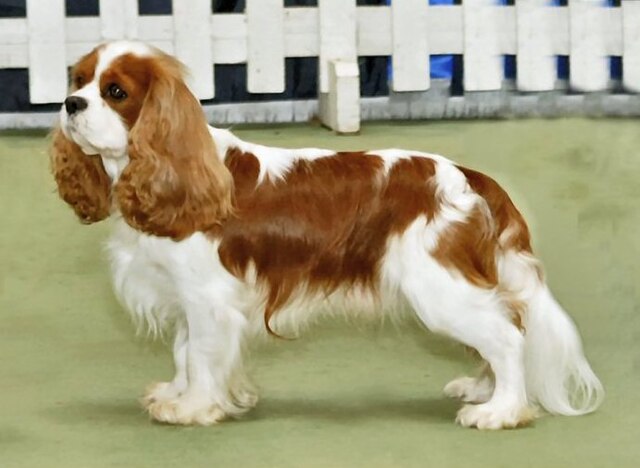
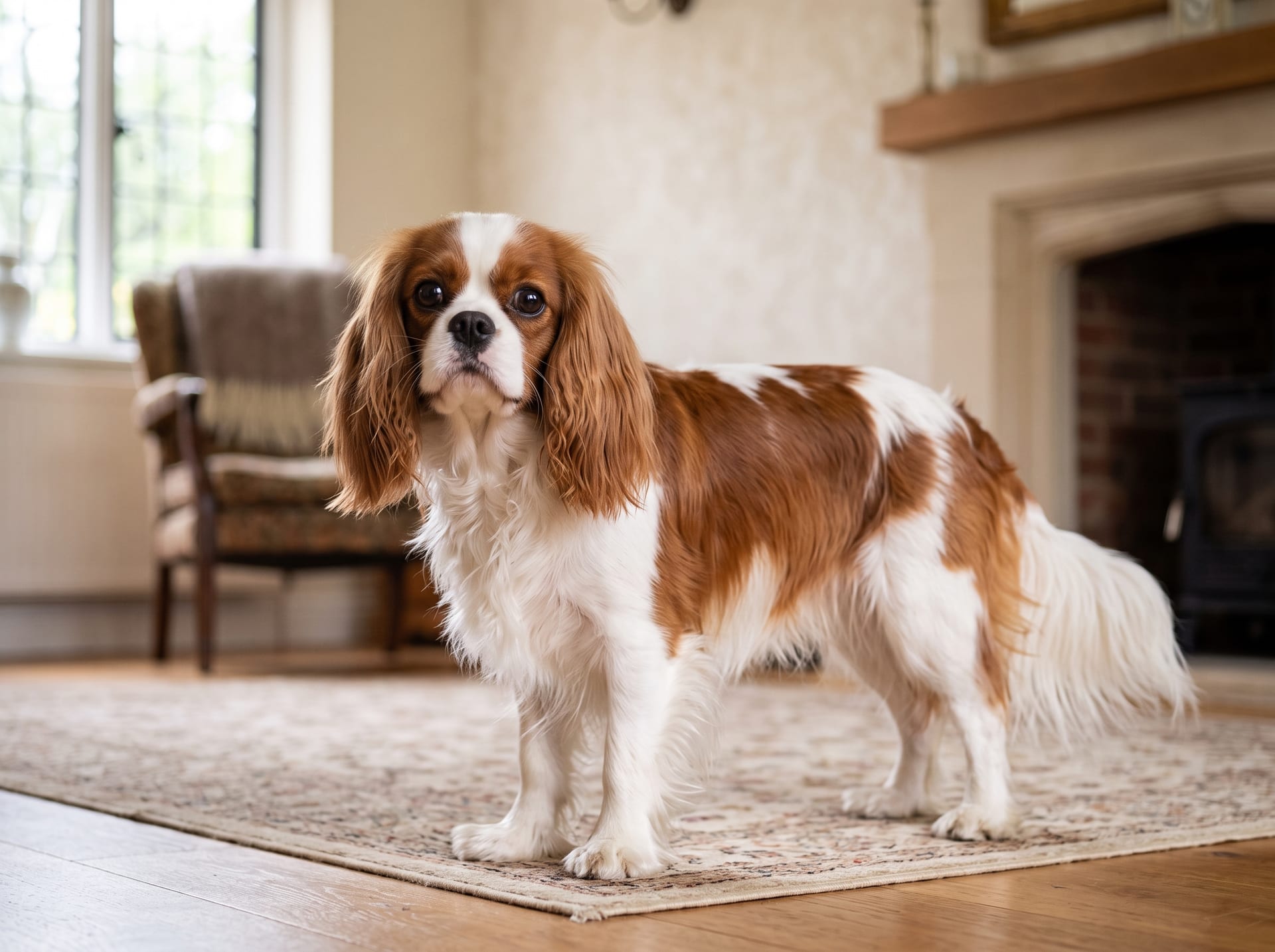
The Cavalier King Charles Spaniel (hereinafter, Cavalier) is a spaniel breed renowned for its exceptionally gentle temperament among toy dogs with deep ties to the British Royal Family. Weighing 4.5–8 kg and standing 30–33 cm tall, they are small to medium-sized dogs characterized by long drooping ears, silky-smooth coat, and large round eyes.
✍️
BreederDirect Editorial
The BreederDirect editorial team specializes in care information for animals, covering veterinary care and breeding to deliver beginner-friendly guides.
Find Dogs on BreederDirect
Buy directly from verified breeders
Browse Related Listings
Find Dogs listings related to this article on BreederDirect. Buy directly from verified breeders.
The Cavalier is named after King Charles II of England (reigned 1660–1685). This small spaniel was beloved in the 17th-century English court, and through selective breeding, the modern look was established. The contemporary Cavalier was recognized as an independent breed in 1945, with its flat facial features and abundant drooping ears being its greatest appeal.
Four Coat Color Variations
Color
Description
Blenheim
White and chestnut (most popular)
Tricolor
White, black, and tan
Ruby
Deep reddish-brown solid color
Black and Tan
Black and tan bicolor
Temperament and Suitability for Ownership
The Cavalier is sometimes called the "golden retriever of spaniels" for its affectionate and warm personality.
Personality Traits
Highly sociable and fond of humans, dogs, and cats alike
Low aggression, well-suited to living with children and elderly people
Dislikes being alone (prone to separation anxiety)
Gentle but curious and requires moderate exercise
Quiet, making them suitable for apartment living
Who They're Best For
They are particularly well-suited for first-time pet owners, seniors, and those wanting multiple dogs. However, they are not suitable for environments with prolonged absences or outdoor-only living.
Daily Care
Exercise
Cavaliers require relatively moderate exercise for a spaniel breed, but daily 30–60 minute walks are essential. Excessive exercise puts strain on the heart, so avoid long-distance running and strenuous activity in hot weather.
Grooming
The coat is of medium length and requires brushing 3–4 times weekly.
Area
Care
Frequency
Full coat
Slicker brush grooming
3–4 times weekly
Inner ears
Cleaning with moistened cotton
Once weekly
Hair around ears
Detangling and cleanliness maintenance
2–3 times weekly
Teeth
Brushing with toothbrush
Daily to 3 times weekly
Nails
Nail trimming
1–2 times monthly
Drooping ears are prone to moisture buildup and ear infections, so maintain ear ventilation and regularly check for odor or discharge.
Diet Management
Select complete and balanced nutrition food formulated for small to medium-sized dogs. Obesity worsens heart disease, making weight management particularly important.
Life Stage
Notes
Puppyhood (–12 months)
Small breed and puppy formula. Feed 3–4 times daily
Keep treats to 10% or less of daily caloric intake to prevent obesity.
Common Health Issues and Health Management
Cavaliers are known as a breed with high risk for certain hereditary diseases. When selecting a breeder, always verify genetic testing and health screening records.
Mitral Valve Disease (MVD)
The primary health risk for Cavaliers. A disease in which the heart's valve tissue degenerates and fails to close properly. Statistically, most Cavaliers over five years old show some degree of valve degeneration.
Management: Regular cardiac ultrasound examinations (recommended annually to twice yearly), early pharmacological treatment
Breeder Verification: Heart screening certificates for both parent dogs (MVD Breeding Protocol compliant)
Syringomyelia and Chiari-like Malformation (SM/CM)
A condition where underdevelopment of the skull prevents the brain from fitting properly, causing fluid to accumulate in the spinal cord.
Symptoms: Scratching at neck, shoulders, and ears; tilting head; pain during exercise
Management: Diagnosis through MRI and management by veterinary neurologist specialist
Ear Infections
Easily develops due to poor ventilation from drooping ears and can become chronic. Check ears regularly and seek veterinary attention if you notice redness or odor.
Patellar Luxation
Common in small dogs. Living on slippery floors puts strain on joints, so floor mats and non-slip sheets are recommended.
Bringing Home from a Breeder
Because Cavaliers are prone to hereditary diseases, it is particularly important to acquire one from a trustworthy breeder.
How to Identify a Quality Breeder
Can provide certificates for heart screening (MVD Breeding Protocol) and ophthalmological examination of both parents
Provides appropriate socialization for puppies and maintains clean living environments
Answers questions thoroughly and offers post-purchase support
Limited annual breeding and prioritizes health management
Avoids puppy mills (disreputable breeding operations) which dramatically increase hereditary disease risks. Do not choose based on price alone—always verify health certificates and breeding conditions.
Conclusion
Cavaliers are a charming breed with gentle, affectionate personalities and beautiful appearance, but it is important to understand their genetic health risks including heart disease and neurological disorders before bringing one home. With regular cardiac check-ups, proper grooming, and appropriate exercise, many Cavaliers live out their 10–12 year lifespan fully. Connect with a trustworthy breeder and prioritize long-term health management in caring for your Cavalier.