Complete Guide to Choosing Cat Litter Boxes and Litter | Placement and Cleaning Methods for Multi-Cat Households
A complete guide to choosing a cat litter box without making mistakes. This article compares open, covered, automatic, and system litter boxes, explains the characteristics of different litter types (mineral, wood, silica gel), and covers the rules for placing litter boxes in multi-cat households.
Key Takeaways
A complete guide to choosing a cat litter box without making mistakes. This article compares open, covered, automatic, and system litter boxes, explains the characteristics of different litter types (mineral, wood, silica gel), and covers the rules for placing litter boxes in multi-cat households.
Related Species
Why Choosing the Right Cat Litter Box Matters
Cats are extremely particular about their litter boxes. It is not uncommon for cats to refuse a litter box or litter they dislike and instead have accidents on sofas or bedding. Litter box problems are among the most common concerns in cat care, demonstrating how important it is to choose the right litter box and litter. Choosing the wrong litter box can cause stress to your cat and may increase the risk of urinary tract disease (especially feline lower urinary tract disease: FLUTD).
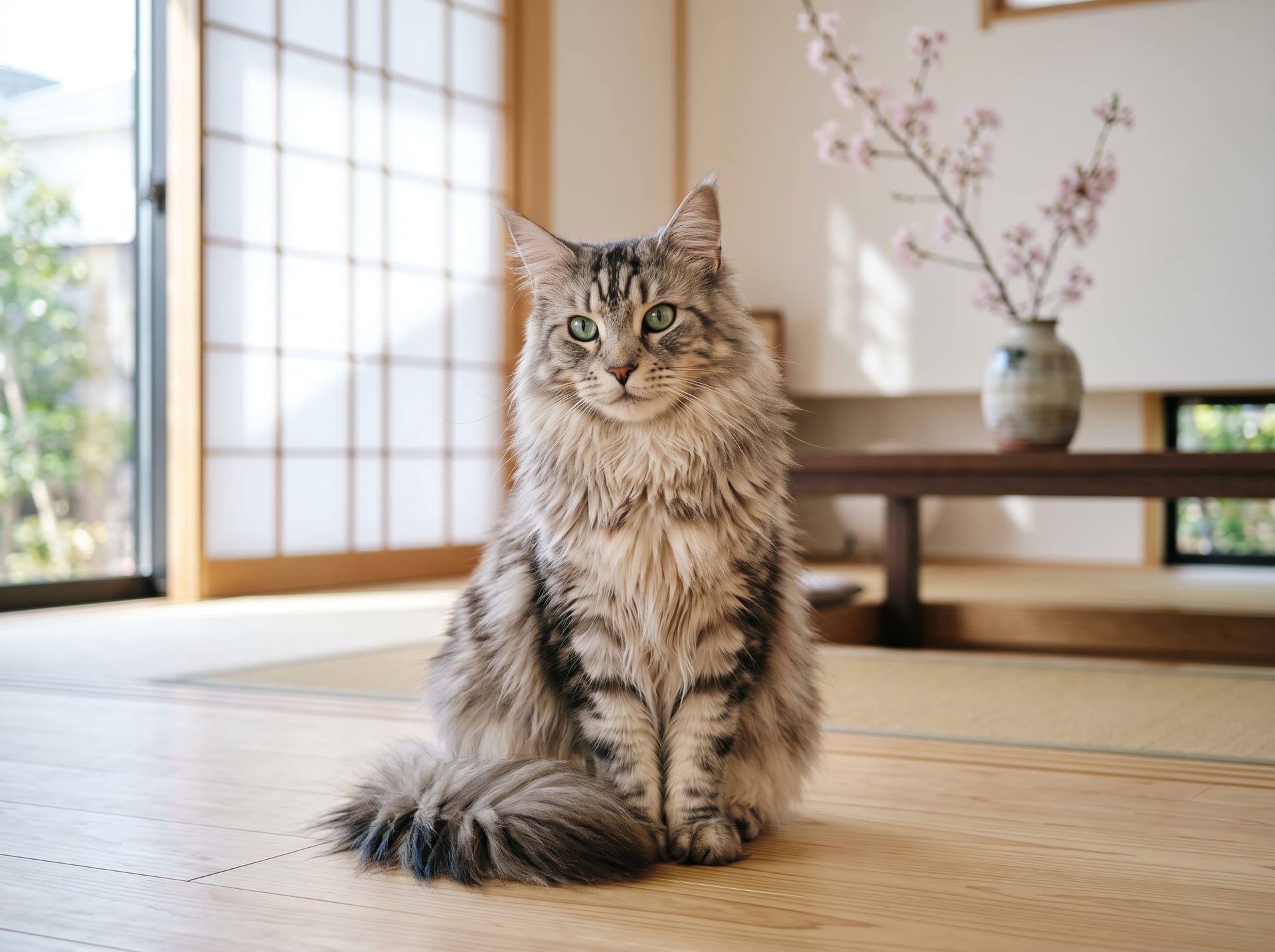
The most important conditions for a cat to prefer a litter box are size and cleanliness. The ideal size for a litter box is said to be "at least 1.5 times the cat's body length." Most commercially available standard litter boxes are too small, and for large cats (such as Maine Coons and Norwegian Forest Cats), large specialized boxes or repurposed storage containers are suitable.
Types of Litter Boxes and Their Characteristics
There are several main types of cat litter boxes:
- Open type (without a cover): The simplest design, making it easy for cats to enter and allowing owners to quickly check for soiling. The drawback is that odor spreads easily, though cats often feel more secure in an open space. Open-type boxes are particularly suitable for cats that dislike enclosed spaces or for subordinate cats intimidated by other cats in the household.
- Covered litter box (with a hood): Litter scatter is reduced and odors are contained. However, odors can accumulate inside, causing some cats to reject it. Poor ventilation can lead cats to avoid the litter box. If using a covered box, more frequent cleaning is essential.
- Automatic self-cleaning litter box: A system that automatically collects and stores feces after a cat uses it. Convenient for multi-cat households or owners who are frequently away, though some cats may dislike the operating noise and may take time to adjust. Consider the risk of breakdowns and maintenance costs. Initial costs are high (approximately 20,000–50,000 yen), but daily cleaning burden is significantly reduced.
- System litter box (pellet + sheet type): A two-layer structure with wood or paper pellets in the upper layer and a disposable sheet in the lower layer to catch urine. This design makes it easy to reduce urine odor, with sheets replaced once or twice weekly and pellets replaced once or twice monthly, making management easier. However, cats that prefer fine-grained litter tend to dislike pellets and may refuse to use them during the transition.
Types of Cat Litter and How to Choose
Cat litter has significantly different properties depending on the material.
- Mineral (bentonite) litter: The most widely used type, it clumps easily and is simple to remove. The fine granules often suit cats' preferences, making mineral litter a better choice for first-time cat owners. However, it is heavy and some products produce considerable dust. If a cat ingests it by licking, there is a risk of intestinal blockage, so caution is needed for cats with a habit of eating feces.
- Wood and paper litter: High deodorizing effects and lightweight, with easy disposal. Most varieties have larger granules, so cats that prefer fine-grained litter may not accept them. They work well with system litter boxes.
- Silica gel litter: Offers excellent water absorption and deodorizing properties, with some products requiring replacement only every month or so. Some cats may dislike the feel of the hard granules on their paws. Relatively expensive, but long-term costs often remain similar since replacement is infrequent.
- Tofu litter and plant-based litter: Environmentally friendly litter made from ingredients such as okara, corn, and green tea leaves. Safe if accidentally ingested (though cats should not be fed it), lightweight, and easy to dispose of. Most products have lower clumping ability and deodorizing power than mineral litter, though improvements are being made.
Litter Box Placement in Multi-Cat Households
The general recommendation is "one litter box per cat plus one extra." For two cats, a minimum of three boxes is recommended. When there are too few litter boxes, territorial cats may monopolize certain boxes, preventing other cats from using them and resulting in accidents.
The placement location is also important; it is not effective to place multiple litter boxes in the same spot.
- Suitable locations: Living room, hallway, bedroom area, and other locations scattered throughout the house
- Locations to avoid: Closed spaces with doors shut, areas near washing machines or vacuums with high noise levels
Litter Box Cleaning and Maintenance
The basic cleaning frequency for cat litter boxes is as follows:
- Once or twice daily: Remove feces
- Once or twice weekly: Add and replenish litter
- Every 2–4 weeks (for mineral litter): Complete litter replacement schedule
- Approximately once monthly: Clean the litter box itself with neutral detergent
The frequency of complete litter replacement varies depending on the material. If odor becomes strong, increasing cleaning frequency should be the first priority. Odor-eliminating sprays are merely surface-level solutions; neglecting thorough cleaning will cause cats to avoid the litter box.
Summary
Choosing the right cat litter box and litter is a critical decision that directly impacts your cat's health, behavior, and stress level. By maintaining appropriate size, materials, and cleanliness, most litter box problems can be resolved. In multi-cat households, pay special attention to the number and placement of litter boxes, and create an environment where cats can comfortably use their litter boxes.