Preventing Feline Chronic Kidney Disease: Diet, Hydration, and Early Detection Signs
An explanation of prevention methods for chronic kidney disease, one of the leading causes of death in cats. Includes guidance on choosing kidney-friendly food, strategies to increase water intake, the importance of regular blood testing, and signs to watch for early detection.
Key Takeaways
An explanation of prevention methods for chronic kidney disease, one of the leading causes of death in cats. Includes guidance on choosing kidney-friendly food, strategies to increase water intake, the importance of regular blood testing, and signs to watch for early detection.
Related Species
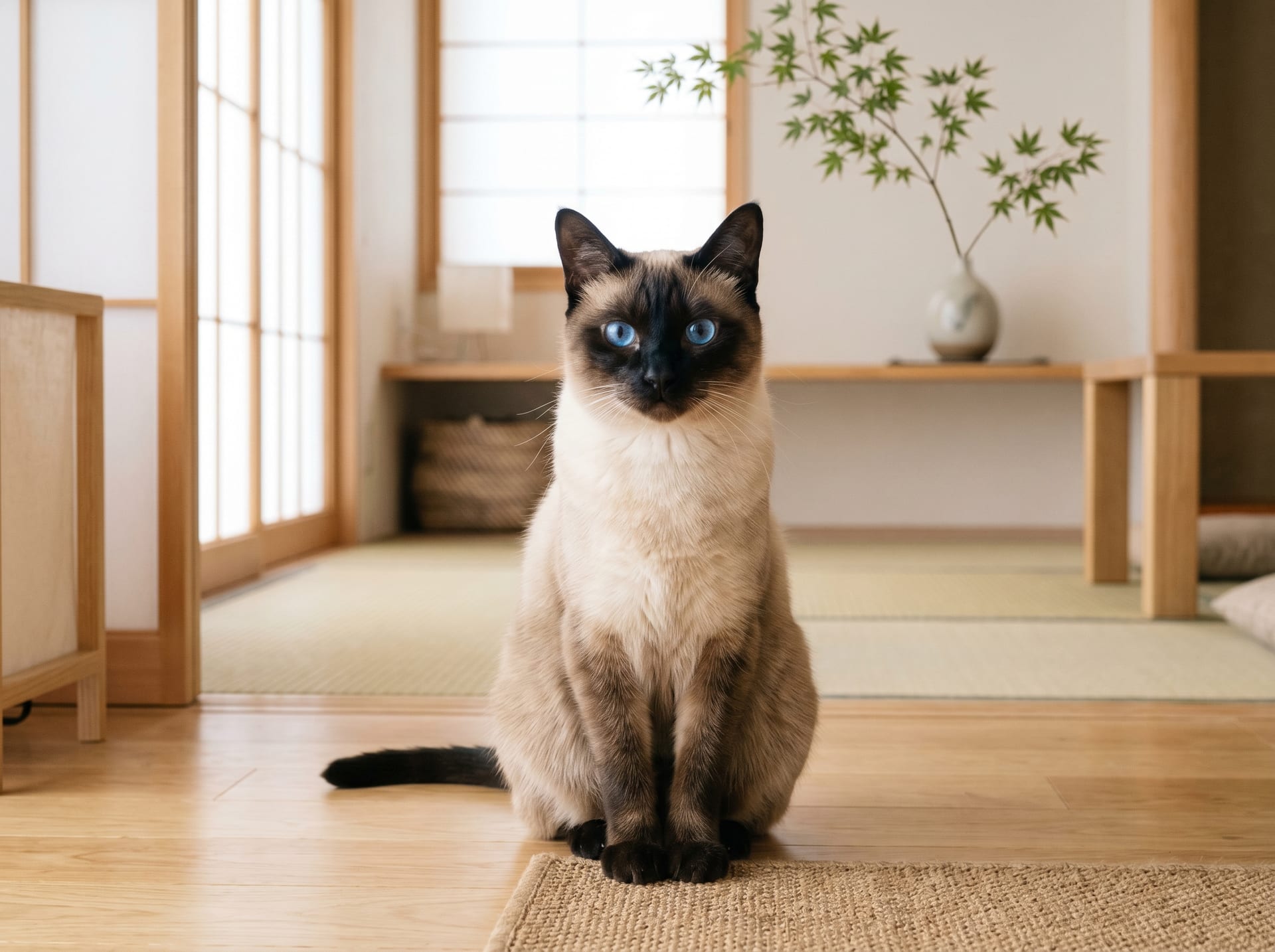
What is Feline Chronic Kidney Disease?
Cats evolved to adapt to dry desert environments, so they possess the ability to extract nutrients efficiently from minimal water. However, this adaptation comes with a significant burden on their kidneys. Chronic Kidney Disease (CKD) is a condition in which kidney function gradually declines over months to years. In senior cats aged seven and older, approximately one in three cats develop the condition, making it an extremely common disease.
The kidneys filter blood, excrete waste as urine, and maintain the body's water and electrolyte balance—critical functions for survival. When kidney function deteriorates, toxins that should normally be eliminated accumulate in the body, leading to systemic symptoms including loss of appetite, vomiting, weight loss, and anemia. Because kidney cells cannot regenerate once damaged, the core principle of treatment and prevention is to "preserve remaining kidney function for as long as possible."
Essential Signs for Early Detection
In its early stages, chronic kidney disease often presents no symptoms, which means "by the time symptoms are noticed, the disease has already progressed significantly" in many cases. It is crucial to carefully observe the following signs daily.
- Changes in water intake and urination are the most easily recognizable early signs. When the kidneys can no longer concentrate urine, cats produce large volumes of dilute urine and must drink large amounts of water to compensate. Pay close attention if you notice your cat frequently approaching the water bowl, the litter box sand staying wetter than usual, or accidents on sheets or furniture.
- Weight loss and muscle mass decline should not be overlooked. As kidney failure progresses, muscle protein is broken down and used for energy, making the spine and pelvis more prominent. Weighing your cat monthly makes it easier to notice even subtle changes.
- Loss of appetite and vomiting result from the accumulation of uremic toxins. If your cat vomits yellow liquid, especially on an empty stomach first thing in the morning, this may indicate kidney function decline rather than a digestive issue.
For cats over seven years old, blood testing (BUN, creatinine, and SDMA) and urinalysis are strongly recommended at least once yearly, ideally every six months. SDMA is a biomarker that rises when kidney function declines by approximately 25%, enabling earlier detection than conventional indicators.
Dietary Management: What Does a Kidney-Friendly Diet Look Like?
Diet composition significantly influences the progression rate of kidney disease. After receiving a veterinary diagnosis, keep the following points in mind.
- Phosphorus restriction is the top priority. When kidney function declines, phosphorus excretion cannot keep pace, causing blood phosphorus levels to rise and further damage the kidneys in a vicious cycle. Phosphorus is abundant in animal-based proteins, dairy products, and seafood. Therapeutic diets for kidney disease have restricted phosphorus levels. For CKD stage 2 and beyond, discuss transitioning to therapeutic food with your veterinarian.
- Choosing protein by quality is also important. Previously, low-protein diets were the standard for cats with kidney disease, but this approach is now being reconsidered because excessive restriction causes muscle loss and weakened immunity. Current recommendations advocate for appropriate amounts of high-quality animal protein with high biological value, reducing unnecessary metabolic byproducts.
- Avoiding excessive sodium intake is also essential. High salt content increases thirst and water consumption, but also increases the kidney's filtration burden. Avoid giving your cat salty human foods as treats—things like bonito flakes, cheese, or fish cakes.
Using wet food is highly effective for increasing water intake through diet. For cats with kidney disease, consider actively incorporating wet food or softening dry food with water or broth.
| Food Type | Approximate Water Content |
|---|---|
| Dry food | About 10% |
| Wet food | About 75–80% |
Practical Strategies to Increase Water Intake
Cats naturally prefer flowing water, a behavior rooted in their wild ancestry—flowing water is cleaner than stagnant water. Use this instinct to naturally increase water consumption.
- Installing an automatic water fountain is one of the most effective methods. Circulating filtered fountains provide constantly fresh water, and many cats drink from them more readily than from a water bowl. Remember to wash the fountain at least once weekly and replace filters regularly.
- Placing water bowls in multiple locations is also important. Many cats dislike having food and water dishes next to each other (in the wild, water near prey can be contaminated), so placing bowls away from feeding areas and in several rooms throughout the house often increases water intake.
- Paying attention to bowl material and depth can also be effective. Many cats dislike having their whiskers touch the edge of a dish, so they often prefer shallow, wide ceramic bowls. Some cats object to the metallic smell that metal bowls can impart around the mouth.
- Adding a small amount of chicken broth (unsalted and onion-free) to food or water can increase water and food intake. Commercial cat broths are also worth trying.
Daily Preventive Care Practiced by Breeders
When managing multiple cats as a breeder, tracking each individual's water intake and urine output is especially important. Here are recommended management approaches.
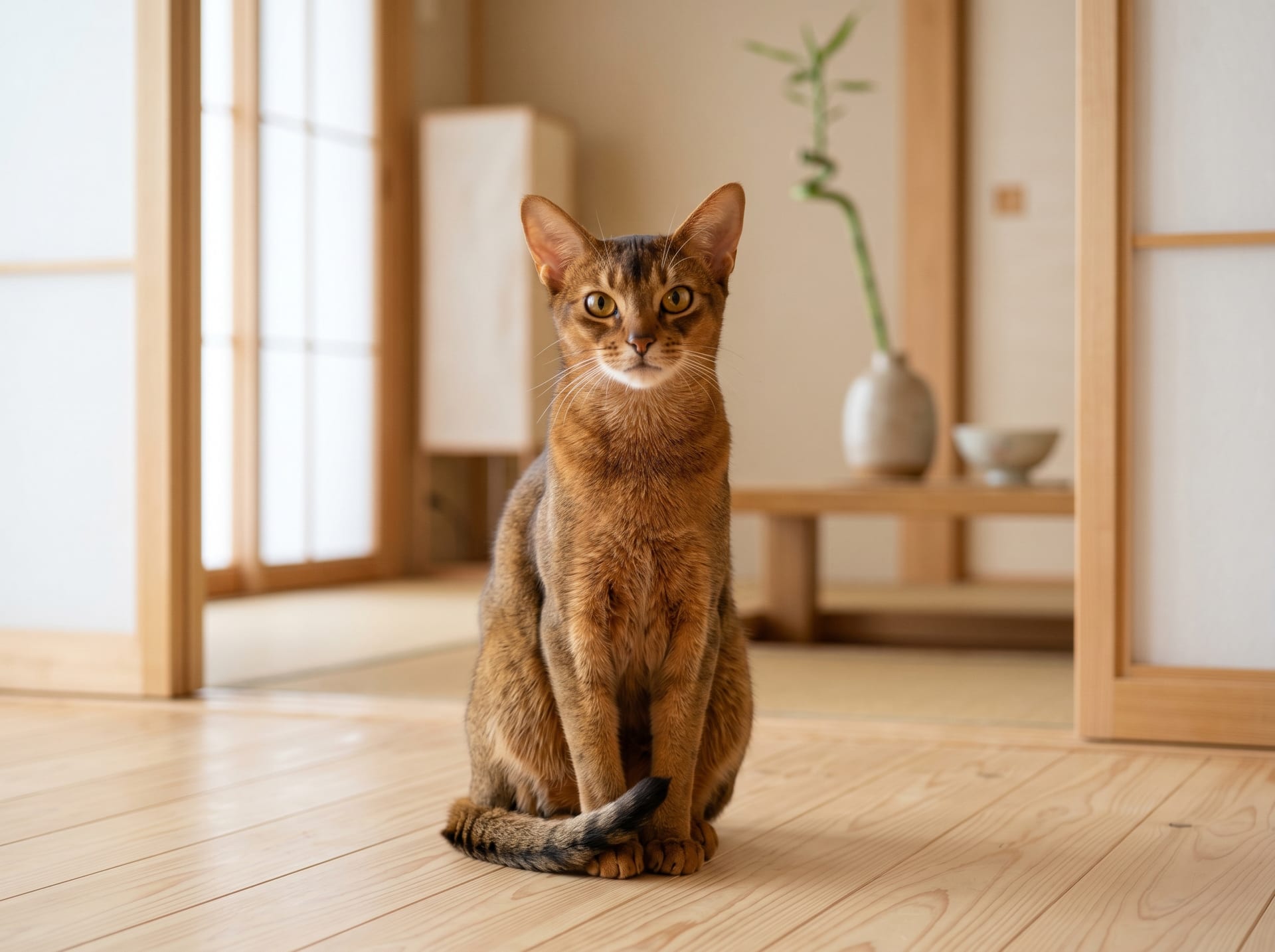
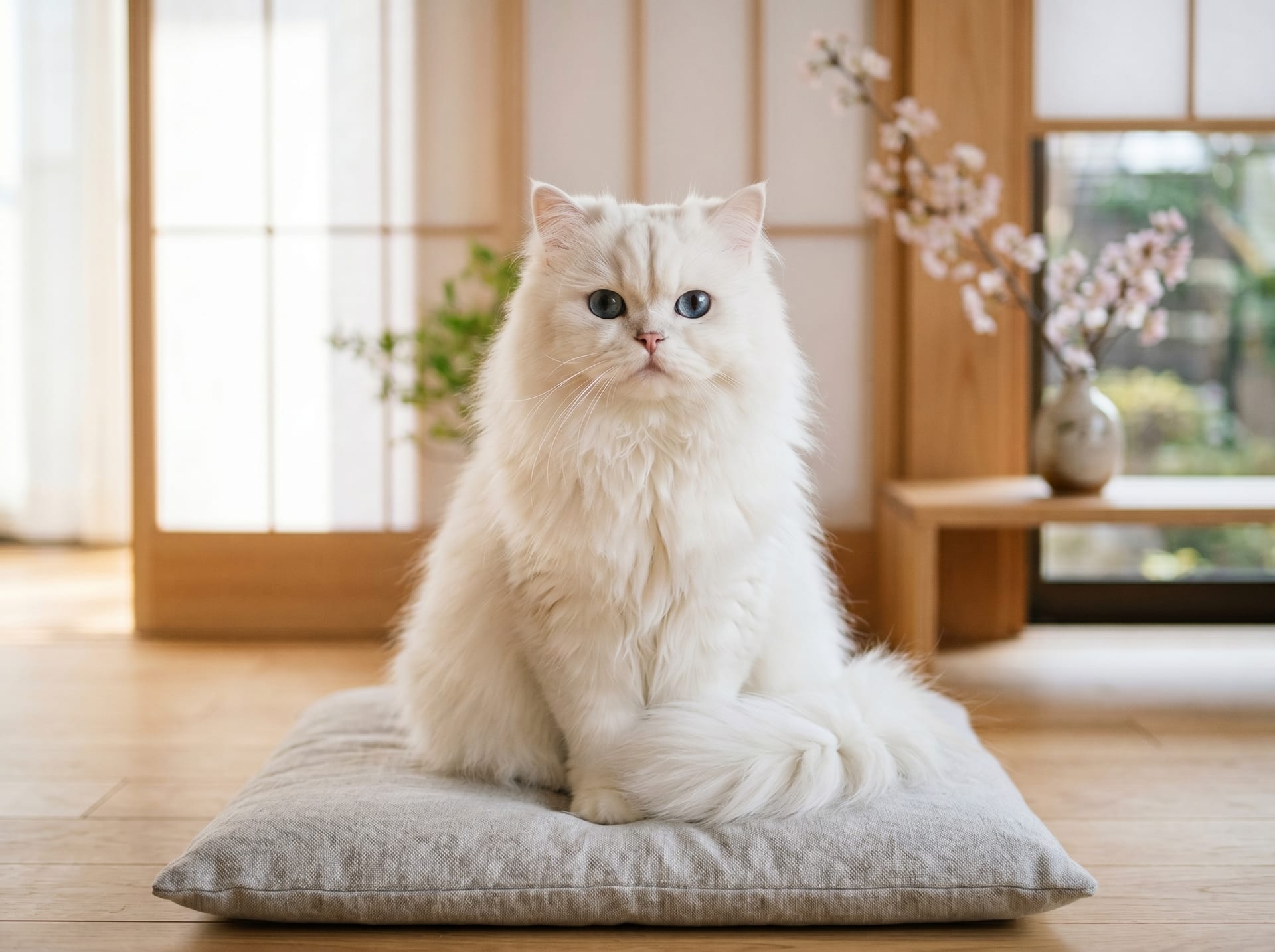
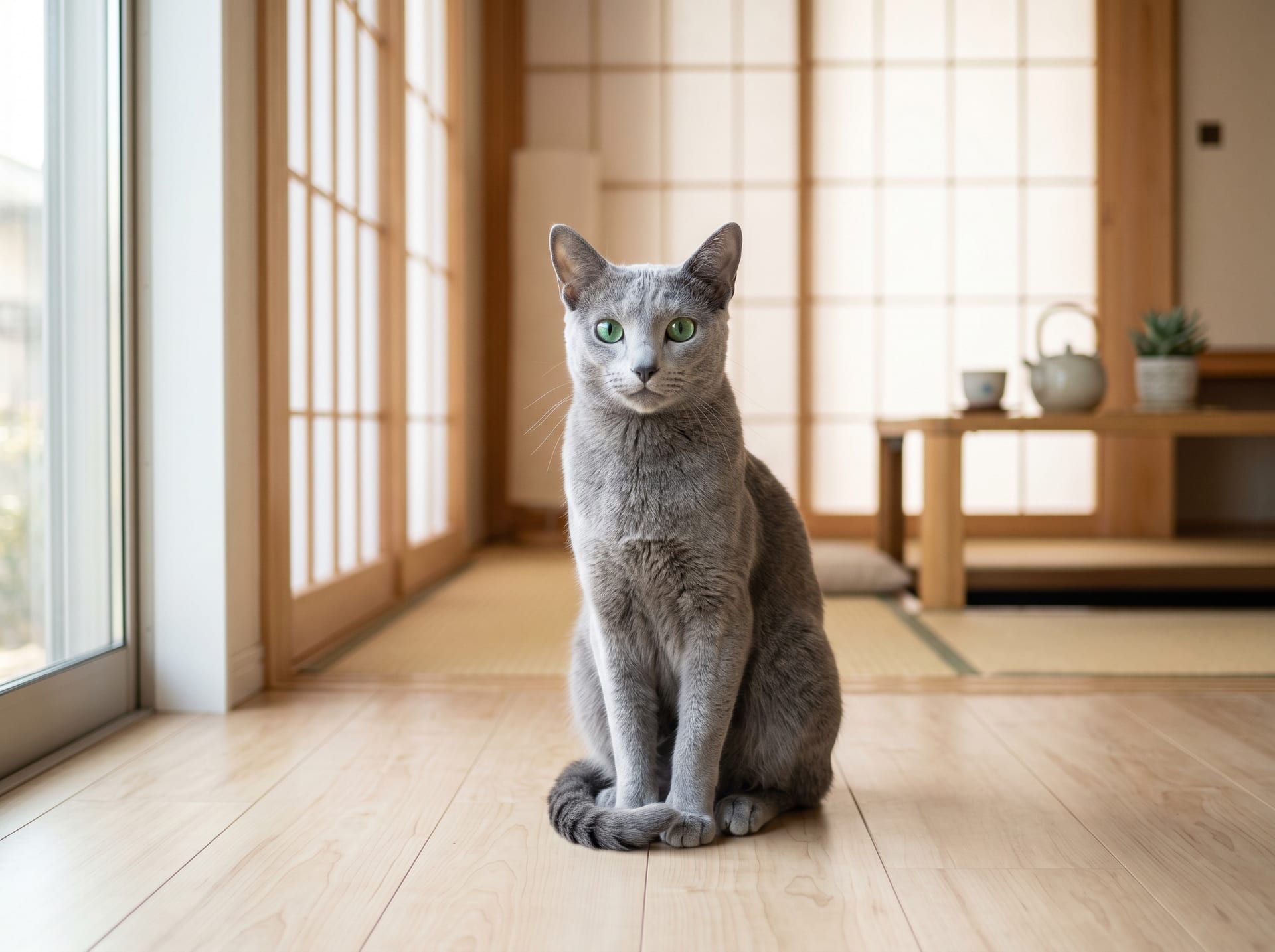
- Develop a habit of keeping individual health records. Simply recording weight, water intake, and the color and frequency of urine weekly dramatically increases the early detection rate of abnormalities. For breeds at higher risk of kidney disease—such as Persians, Russian Blues, Siamese, and Abyssinians—it is important to maintain regular checkups from a young age.
- Stress management directly protects kidney health. Chronic stress causes blood pressure to rise, impeding blood flow to the kidneys. In multi-cat environments, ensure each individual has its own eating space, rest area, and toilet. Use the guideline of one litter box per cat plus one additional box, and check urine condition daily during cleaning.
- Kidney-support supplements (phosphate binders, omega-3 fatty acids, probiotics, etc.) may slow disease progression when introduced early. However, avoid self-directed use and always use them under veterinary guidance.
Feline chronic kidney disease is difficult to cure, but with daily attention to diet and hydration management plus regular health checkups, it is possible to significantly slow progression and maintain long-term health. To preserve your time with your beloved cat, start with small habits you can adopt today.