What is Feline Hypertension Hypertension is a condition more commonly seen in cats than dogs, particularly requiring attention in middle-aged and senior feli…
Key Takeaways
What is Feline Hypertension Hypertension is a condition more commonly seen in cats than dogs, particularly requiring attention in middle-aged and senior feli…
What is Feline Hypertension
Hypertension is a condition more commonly seen in cats than dogs, particularly requiring attention in middle-aged and senior felines. When blood pressure remains chronically elevated, vital organs such as the eyes, kidneys, heart, and brain gradually suffer damage. Because cats are reluctant to display pain or discomfort through behavior, it is not uncommon for the condition to progress without the owner's awareness.
✍️
BreederDirect Editorial
The BreederDirect editorial team specializes in care information for animals, covering veterinary care and breeding to deliver beginner-friendly guides.
Find Cats on BreederDirect
Buy directly from verified breeders
Browse Related Listings
Find Cats listings related to this article on BreederDirect. Buy directly from verified breeders.
Feline hypertension is classified into two types: "primary (essential) hypertension" and "secondary hypertension." Primary hypertension occurs when no underlying disease can be identified, but in cats, secondary hypertension is actually more common. The main underlying conditions for secondary hypertension include chronic kidney disease, hyperthyroidism, diabetes, and adrenal disease. In cats with these conditions, it is particularly important to regularly check whether hypertension has developed as a complication.
Organ Damage Caused by Hypertension
When blood pressure remains elevated over an extended period, various organs throughout the body suffer damage. In cats, the impact on the "eyes" is particularly problematic. As hypertension progresses, retinal detachment and intraocular hemorrhage can occur, potentially leading to sudden blindness. By the time an owner notices vision may be declining, extensive retinal detachment may have already occurred. Managing blood pressure early is directly linked to preserving vision.
The kidneys are deeply involved in blood pressure control, and hypertension and chronic kidney disease tend to form a vicious cycle. Hypertension damages the glomeruli of the kidneys, which leads to reduced kidney function and further elevation in blood pressure—a destructive chain reaction. In the heart, sustained resistance against high pressure causes myocardial hypertrophy, increasing the risk of cardiac hypertrophy and heart failure. Regarding brain effects, neurological symptoms or seizures may also develop.
Symptoms and Signs of Hypertension
Feline hypertension is sometimes called the "silent disease," as there are typically no visible symptoms in the early stages. Therefore, by the time symptoms appear, serious organ damage may have already occurred.
The main signs that an owner may notice include the following:
Sudden stumbling, difficulty walking, or circling behavior (neurological signs)
Sudden vision loss, bumping into objects, or persistently dilated pupils
Vomiting, decreased appetite, or lethargy
Open-mouth breathing or restlessness (signs of heart failure)
Nosebleeds or gum bleeding (rare)
Since these signs can appear with other conditions, blood pressure measurement is essential to definitively diagnose hypertension. Because feline blood pressure rises easily with excitement or stress, veterinary clinics are recommended to take multiple measurements and calculate the average.
Diagnosis and Treatment in Practice
The diagnosis of hypertension is based primarily on blood pressure measurement, but blood tests, urinalysis, and ultrasound examination are also performed to identify the underlying condition. When hyperthyroidism or chronic kidney disease is the underlying cause, treating these conditions in parallel can sometimes make blood pressure control easier.
Amlodipine (a calcium channel blocker) is widely used as the first-line antihypertensive medication for feline hypertension. Dosage is adjusted by the veterinarian based on the individual cat's condition, weight, and underlying disease, so adjusting the dose on your own judgment is dangerous. If adequate control is not achieved with amlodipine alone, or from a renal protection perspective, ACE inhibitors (such as benazepril) or angiotensin II receptor antagonists may be added or used in combination.
While the medication effect is stabilizing, it is important to monitor for signs of sudden hypotension. If you observe a sudden drop in appetite, lethargy, or weakness in the front limbs, contact your veterinarian promptly.
The Importance of Regular Monitoring
Treatment for hypertension is not finished once medication begins. Blood pressure fluctuates depending on medication effectiveness and the progression of the underlying disease, so regular monitoring is central to treatment.
Generally, blood pressure is checked at short intervals initially after treatment begins, and the intervals are extended as the condition stabilizes. The specific frequency varies depending on the cat's condition and the veterinarian's judgment, but continuing regular checkups is essential even during the stable phase. Monitoring includes not only blood pressure but also blood test values reflecting kidney function and eye examination.
At home, what owners can do for monitoring is "carefully observe behavioral changes." By regularly recording gait, vision, water intake, appetite, and activity level, you can provide useful information to your veterinarian during appointments. It is helpful to develop a habit of keeping a simple diary using your smartphone's notes app or a notebook.
Key Points to Confirm When Adopting a Cat from a Breeder
There are steps you can take before bringing a cat home to reduce the risk of hypertension. When adopting a cat from a reputable breeder, confirm the parents' health status, medical history, and regular health examination records. For breeds or bloodlines with a family history of kidney disease or thyroid disease, it is advisable to be mindful of the future risk of hypertension when making your decision.
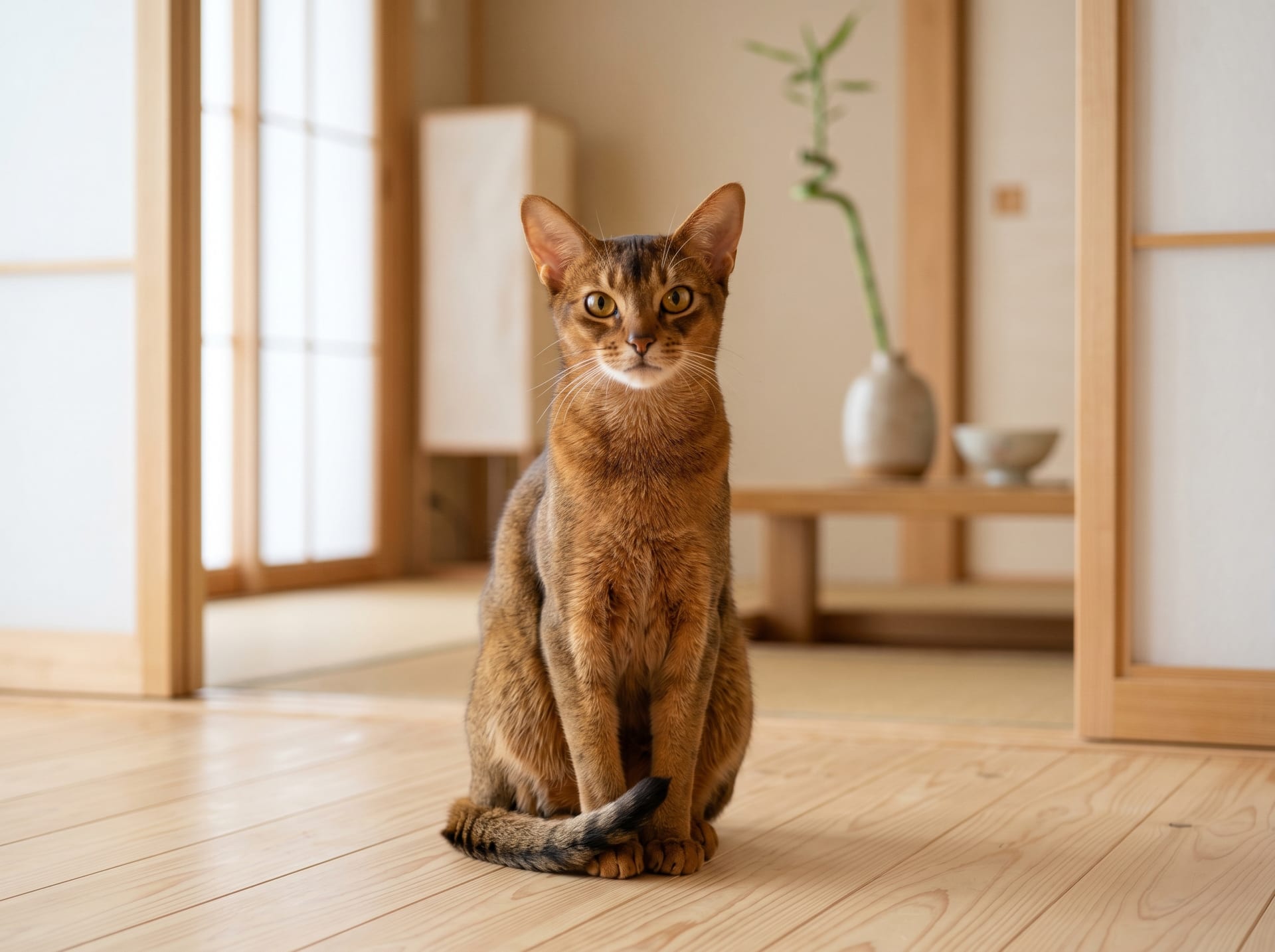
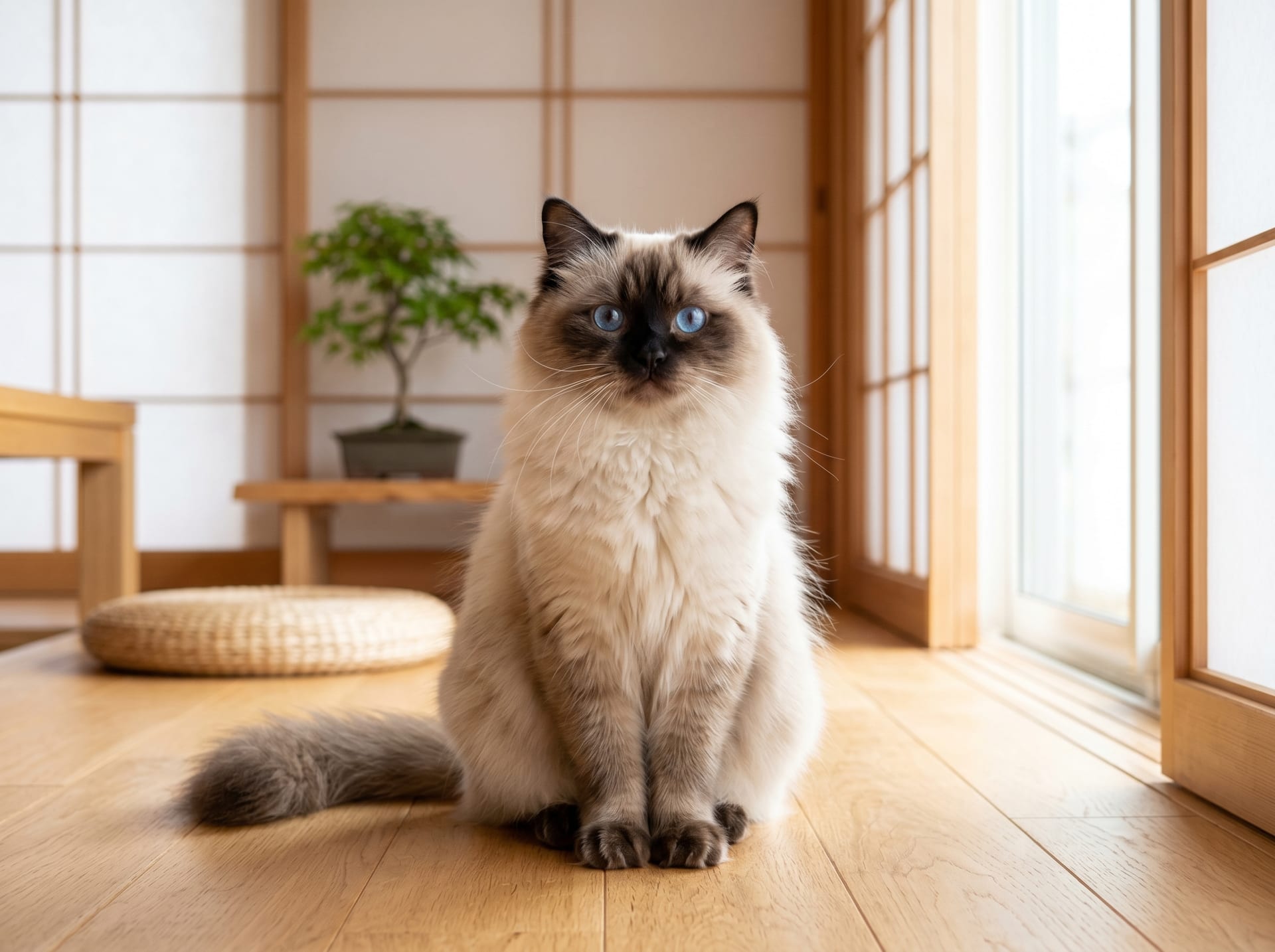
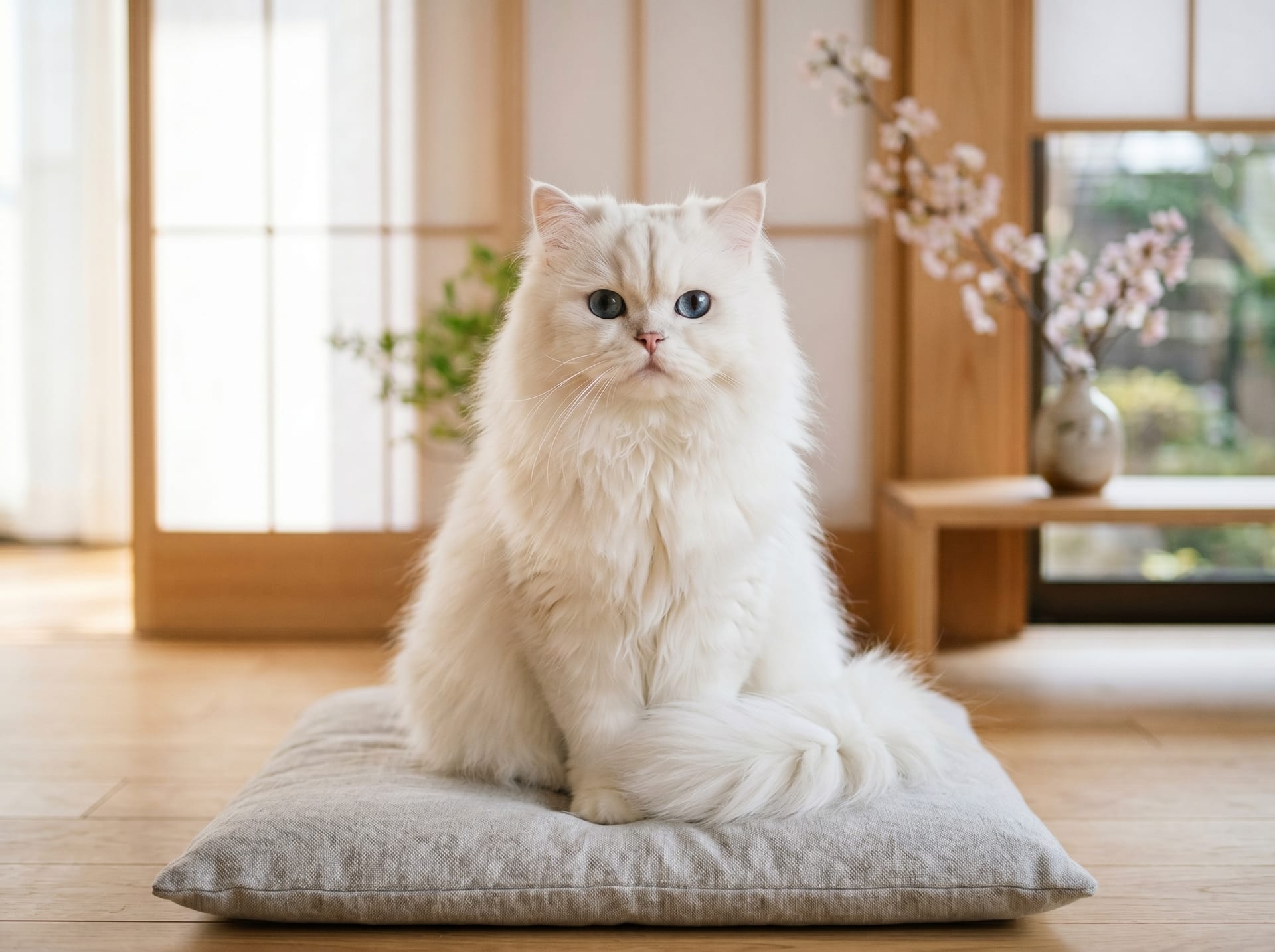
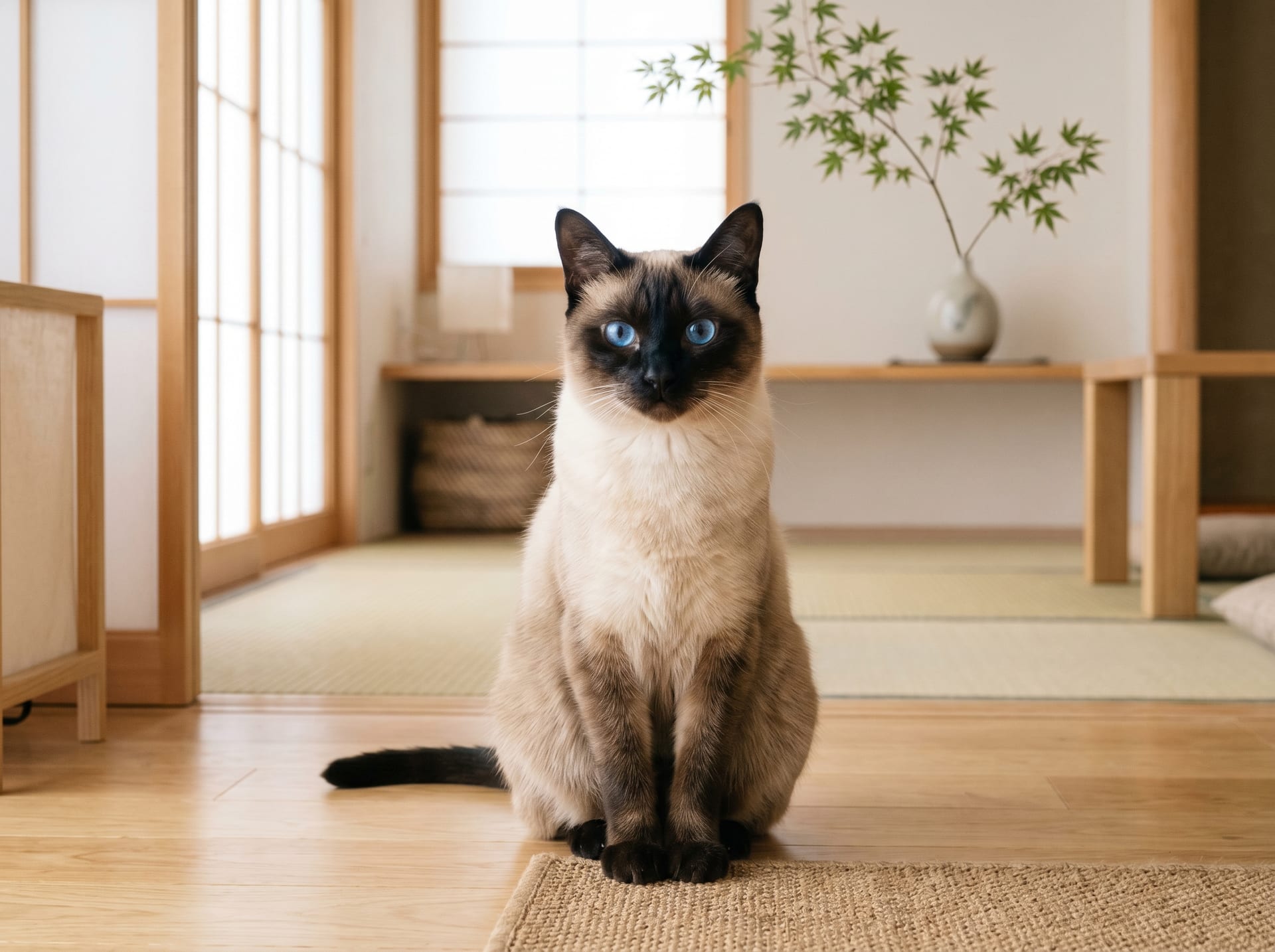
Particularly for breeds such as Siamese, Abyssinian, Persian, and Himalayan cats, which have known associations with specific diseases, it is important to maintain regular health checkups even after reaching adulthood. Once your cat enters the senior years at 7 years of age or older, it is recommended to make annual health examinations including blood pressure measurement—once or twice per year—a habit.
Early detection and early treatment of hypertension greatly influence the prognosis. To protect your beloved cat's health for the long term, continue providing consistent care in cooperation with your regular veterinarian.