Cat Walk Design Guide | Creating Elevated Pathways Your Cat Will Love with DIY and Ready-Made Options
Explains cat walk design methods, design principles based on cat behavior, how to build DIY cat walks, how to choose ready-made products, and safe installation methods.
Key Takeaways
Explains cat walk design methods, design principles based on cat behavior, how to build DIY cat walks, how to choose ready-made products, and safe installation methods.
Related Species
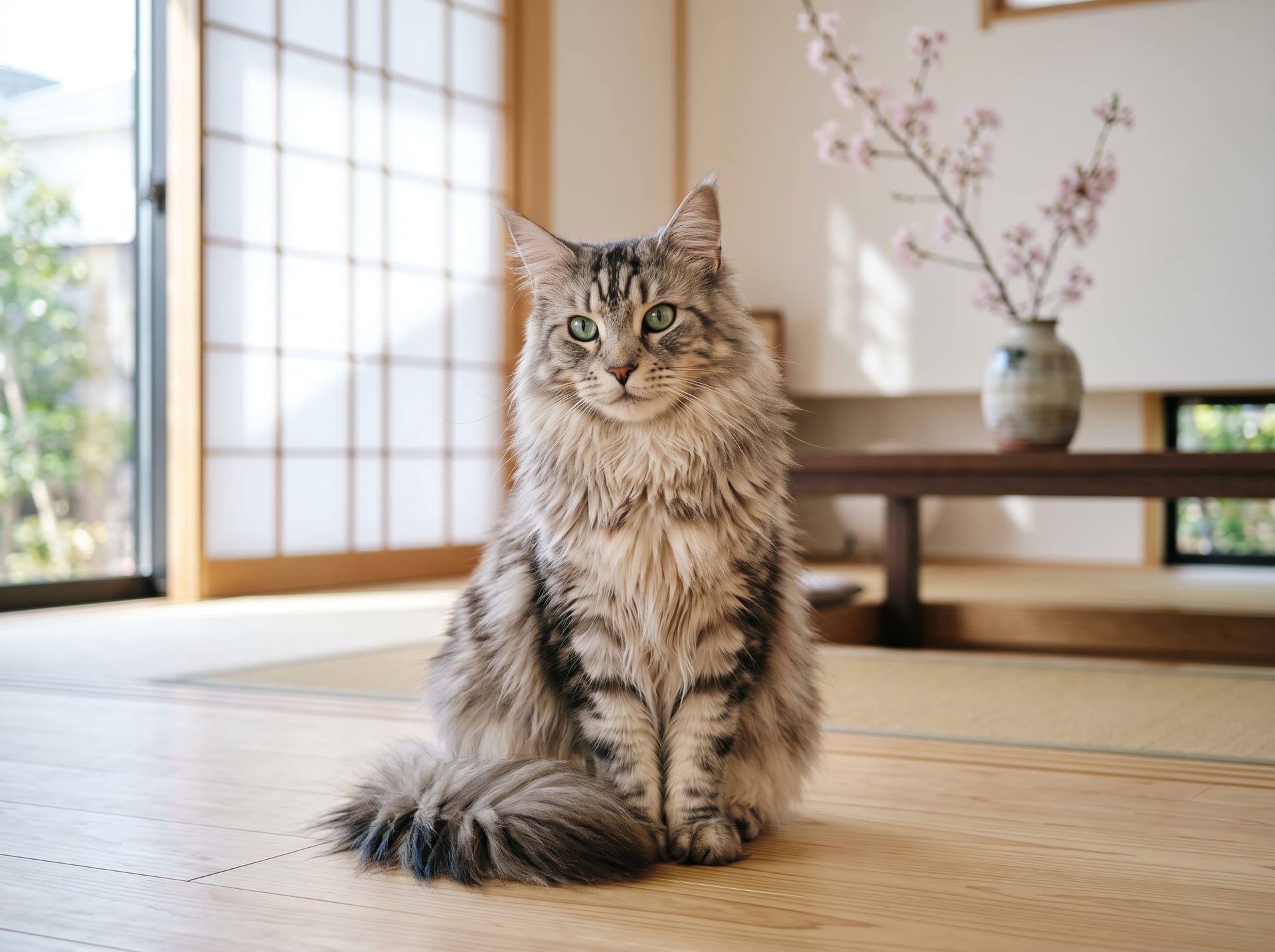
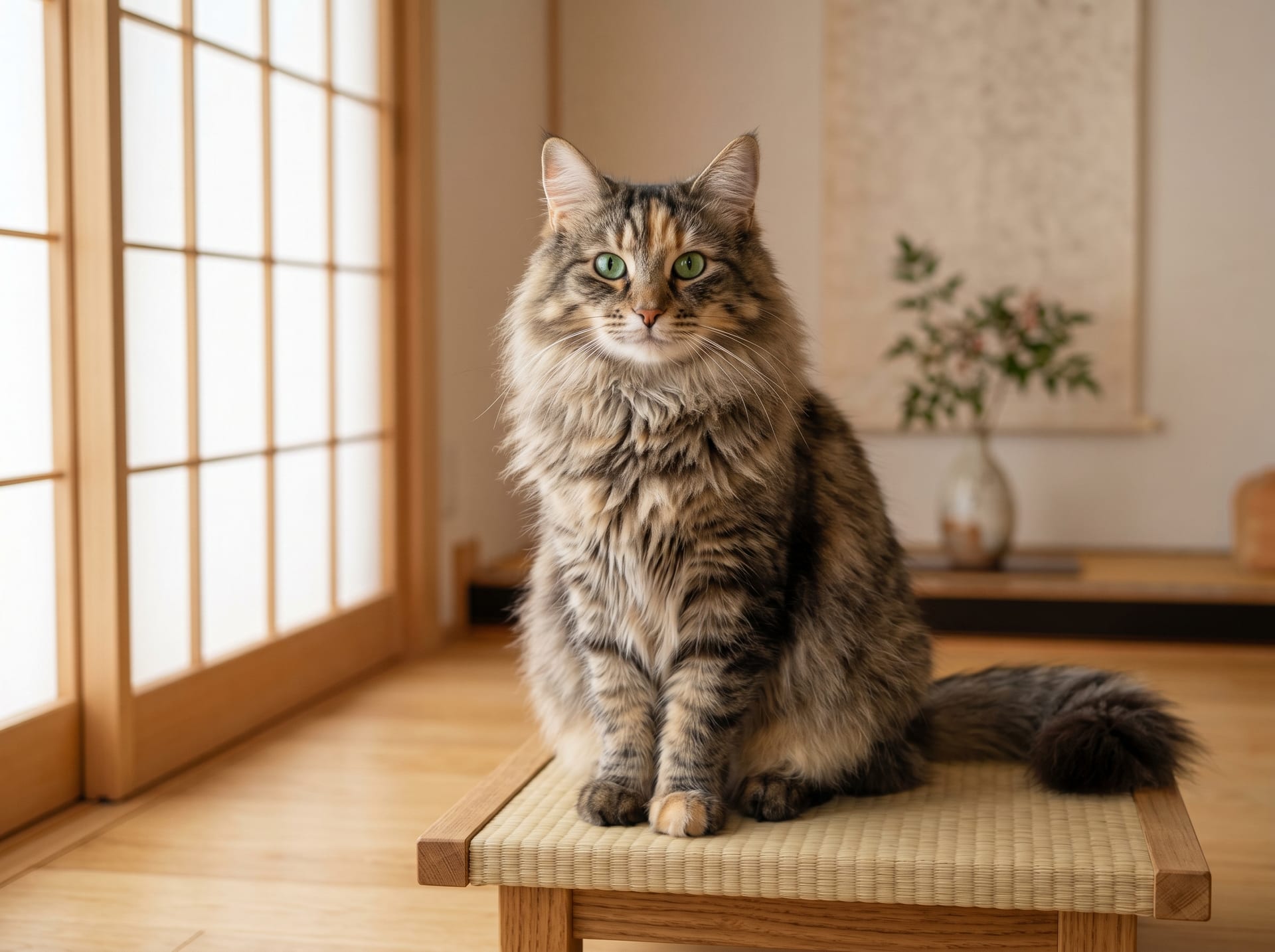
A cat walk is an indoor installation that uses shelves or steps attached to walls to allow cats to move freely through high spaces. Cats instinctively prefer high places and gain a sense of security by staying in elevated spots with good views. For indoor-only cats in particular, utilizing vertical space is directly linked to alleviating exercise deficiency and providing mental enrichment. This article explains how to design cat walks that your cat will enjoy.
Cat Walk Design Principles Based on Cat Behavior
Before designing a cat walk, it helps to understand cat behavior. Cats have a habit of checking their surroundings by looking down from high places to confirm safety. This is a remnant of wild cats' behavior of monitoring prey and predators from trees. For this reason, creating a "viewing spot" on the highest and most visible location in the room will increase your cat's satisfaction.
When designing pathways, the basic principle is to "avoid dead ends." Cats feel anxious when their direction of travel ends abruptly. This is especially important in multi-cat households, where a one-way path with no escape route risks subordinate cats being cornered by dominant ones. Provide multiple routes so cats can ascend and descend from anywhere.
Here are the recommended dimensions for shelf width and spacing:
| Item | Guideline |
|---|---|
| Shelf width (minimum) | 15cm or more |
| Shelf width (comfortable walking) | Around 20cm |
| Shelf width (resting) | 30cm or more |
| Shelf spacing (vertical step height) | Around 25–35cm (distance for jumping without strain) |
For senior cats or larger cats, make the spacing narrower.
The shelf surface must have a non-slip finish. Bare wooden shelves risk cats slipping and falling when landing. Main options include:
- Attaching carpet material
- Laying cork sheet
- Applying a non-slip mat
How to Build a DIY Cat Walk
When building a cat walk yourself, the most important factor is the strength of the wall attachment. You must account for impact loads from cats running and jumping. When a 5kg cat jumps and lands, the shelf experiences a force two to three times the cat's body weight.
The strongest attachment method is to locate the wall studs (studs and blocking) and drive screws directly into them. You can find stud locations by knocking on the wall and listening for differences in sound, or by using a stud finder (available at home improvement stores for around 1,000–3,000 yen). Attaching only to drywall with anchors is not recommended, as it may not withstand the cat's weight and impact.
Here are recommended specifications for shelves:
- Material: pine plywood or birch plywood (easy to work with and reasonably priced)
- Thickness: around 18–25mm (provides adequate strength)
- Use 2–3 L-brackets to secure to the wall
- Verify the bracket load rating and ensure it supports three times or more the cat's weight
For rental housing where drilling walls is not allowed, using Diawalls (2×4 tension poles) is a popular option. By installing two Diawall poles and spanning shelves between them, you can set up a cat walk without drilling holes. However, Diawall placement is limited to wall edges, and the ceiling must have adequate strength.
How to Choose Ready-Made Cat Walks and Steps
Many ready-made cat walk products are available that excel in ease of installation and design appeal. Main types include:
- Wall-mounted cat steps (purchase individual pieces and arrange freely)
- Set types (multiple steps and connectors sold as a package)
When choosing, first check the load rating. Large cat breeds such as Maine Coons and Norwegian Forest Cats can weigh over 8kg, so choose a product with a load rating of 10kg or more. Inexpensive products sometimes lack load rating markings, so select products from trustworthy manufacturers.
Here are the characteristics by material:
| Material | Characteristics |
|---|---|
| Wood (solid or plywood) | Most common; cats' claws grip easily and are safe |
| Acrylic (transparent) | Stylish appearance; allows viewing cat paw pads from below, but surface is slippery, so verify non-slip treatment |
Adding hammock-type or box-type pieces allows you to create lounging spots along the cat walk. Since cats enjoy relaxing in high places, incorporate sleeping space along with steps, not just climbing surfaces.
Cat Walk Design for Multi-Cat Households
For multi-cat households, cat walk design requires even greater consideration. The key point is "all cats can access comfortably and safely."
It is important to provide multiple access points (starting and ending points of steps). When there is only one access point, an upper cat may be blocked by a lower cat trying to descend, or a dominant cat may occupy the entrance, preventing other cats from accessing the area. Secure at least two, ideally three or more access points.
Creating branching routes with multiple paths is also important. By creating T-junctions or Y-junctions, cats can take detour routes when passing each other. Creating "passing spaces" by widening shelf width partway through is also effective.
To ensure each cat has its own favorite spot, provide multiple lounging areas along the cat walk. By offering different types of resting places, you can reduce competition for spots between cats:
- Steps by the window
- Wall-mounted hammocks
- Box-type hideaways
Cat Walk Safety and Maintenance
Safety management after installation is critical. Right after installation, before your cat begins using it, press firmly by hand across the entire structure to confirm there is no wobbling. Check screw tightness periodically and retighten if loose.
Carpet and non-slip mats applied to shelf surfaces degrade from cats' claws catching on them. Peeling or frayed materials risk catching cats' claws and causing injury, so replace them regularly. If dirt accumulates, replacement is recommended for hygiene.
Consider fall risk when designing cat walk height. Falls from heights of 2 meters or more can cause serious injuries such as fractures. Placing a cushioned mat at the landing point can mitigate impact in case of accidental falls.
If your cat rarely uses the cat walk, reconsideration of the design may be needed. Possible causes include:
- The cat walk is too far from where your cat usually spends time
- Step height is too large
- The surface is too slippery
Placing treats on the cat walk to encourage use is also effective.
BreederDirect allows you to consult with breeders about your cat's activity level and behavior patterns. When selecting an active cat breed, adequate exercise space and cat walk installation are especially important. Reference the breeding environment of breeders, and start creating a space your cat will enjoy before bringing it home.