Complete Guide to Choosing Your First Pet — Conditions for Easy-to-Keep Species and Finding the Right Match
A comprehensive guide for first-time pet owners on selecting the right animal: comparing species by lifespan, cost, space requirements, feeding frequency, odor, and legal considerations, with beginner-friendly recommendations.
Key Takeaways
A comprehensive guide for first-time pet owners on selecting the right animal: comparing species by lifespan, cost, space requirements, feeding frequency, odor, and legal considerations, with beginner-friendly recommendations.
Related Species
A Complete Guide to Choosing Your First Pet | Conditions for Easy-to-Keep Species and How to Choose a Pet Suited for You
When you decide to keep a pet, choosing "which animal to raise" is the first and most important decision. If you choose based only on appearance or admiration, you may face breeding difficulties and end up regretting your choice. To ensure a successful long-term relationship with your pet, here's a comprehensive explanation of the key points to consider when choosing your first pet.
Why Pet Selection Fails
Beginner pet owners fail at pet selection for common reasons.
Common failure patterns:
- Purchased a popular species seen on social media out of admiration, but the care was too difficult
- Impulse-bought "cute" animals at a pet shop without knowing required equipment
- Did not consider lifespan and purchased a species that lives 10-30 years on a whim
- Chose a species that doesn't fit their living environment (rental, living alone)
- Combination of a busy lifestyle with frequent travel/business trips and a species requiring daily feeding
Pet selection is most important when aligned with "your current lifestyle."
7 Conditions to Verify When Choosing a Pet
1. Lifespan
Bringing home a pet is a long-term commitment.
Short-lived species (1-3 years):
- Hamsters (Golden: 2-3 years, Dwarf: 1.5-2 years)
- Insects (Japanese beetles: 1-3 months as adults)
Medium lifespan (5-15 years):
- Sugar gliders: 10-15 years
- Java sparrows: 7-10 years
- Leopard geckos: 10-15 years
Long-lived species (15-50+ years):
- Large parrots (African grey, macaws): 50-80 years
- Tortoises (Sulcata tortoise, etc.): 50-80 years
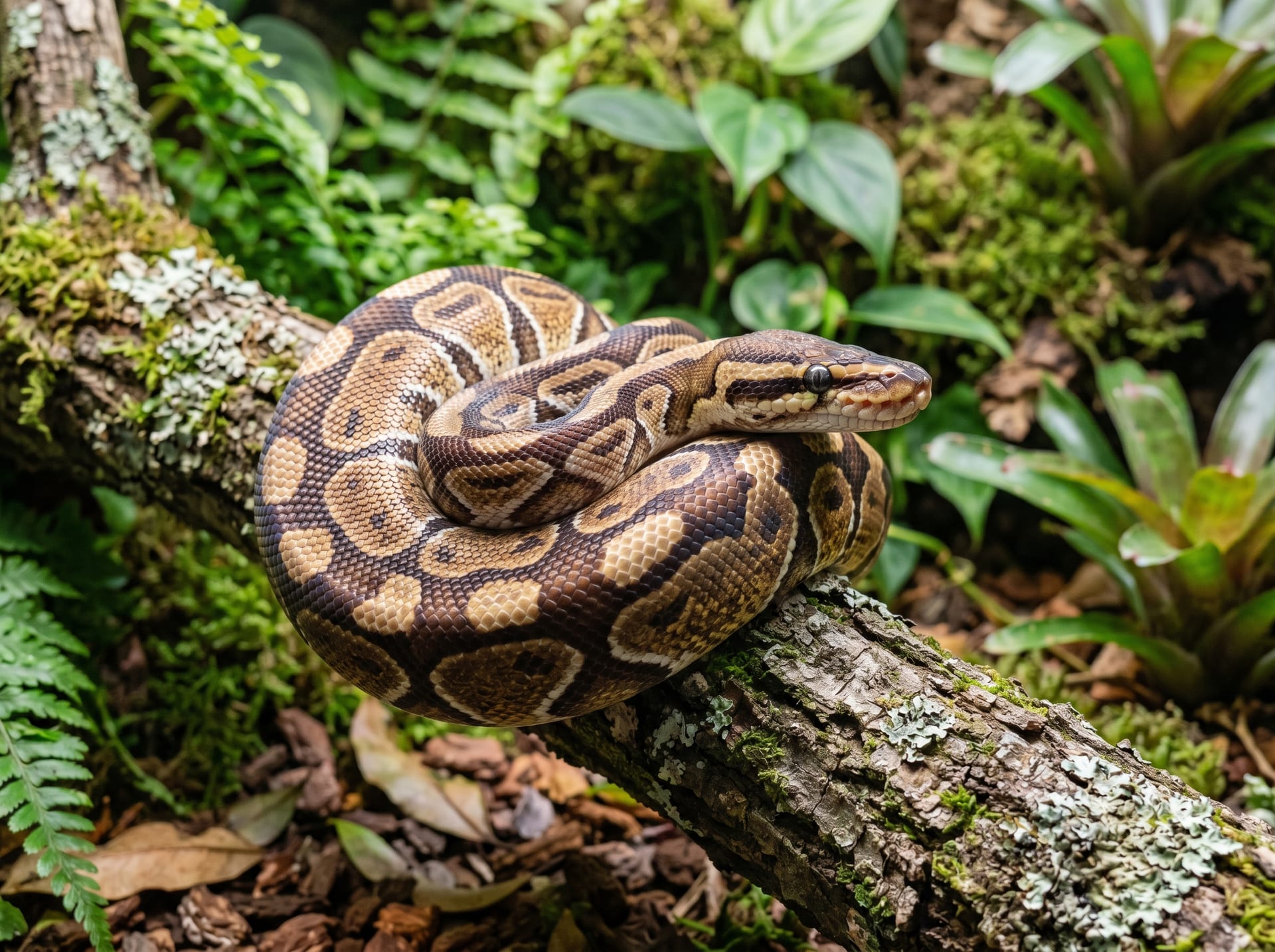
- Large snakes (ball pythons): 20-30 years
When bringing home a long-lived species, you must consider future life changes (employment, marriage, relocation, aging).
2. Breeding Costs
Monthly breeding costs vary significantly by species.
✍️
BreederDirect Editorial
The BreederDirect editorial team specializes in care information for animals, covering veterinary care and breeding to deliver beginner-friendly guides.
Find Breeders on BreederDirect
Buy directly from verified breeders
Related Articles
Browse by Category
🪸Coral
🐠Marine Fish
🐟Tropical Fish
🐡Goldfish
🐟Medaka
🦎Reptiles
Share
Low-cost species (under ¥5,000/month):
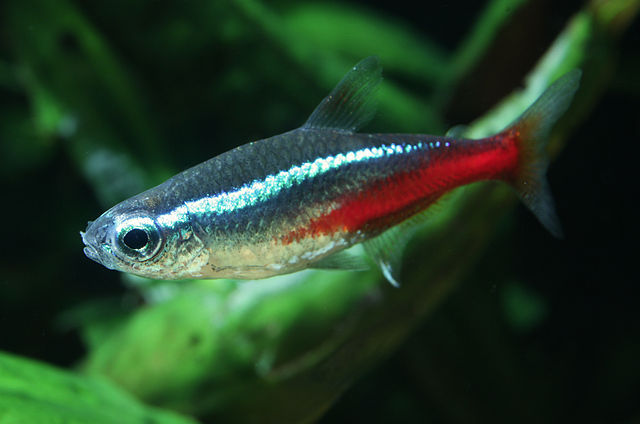
- Medaka fish, small tropical fish: feed and electricity only
- Japanese beetles, stag beetles: feed and bedding
High-cost species (over ¥20,000/month):
- Large parrots: specialized food, toys, medical care
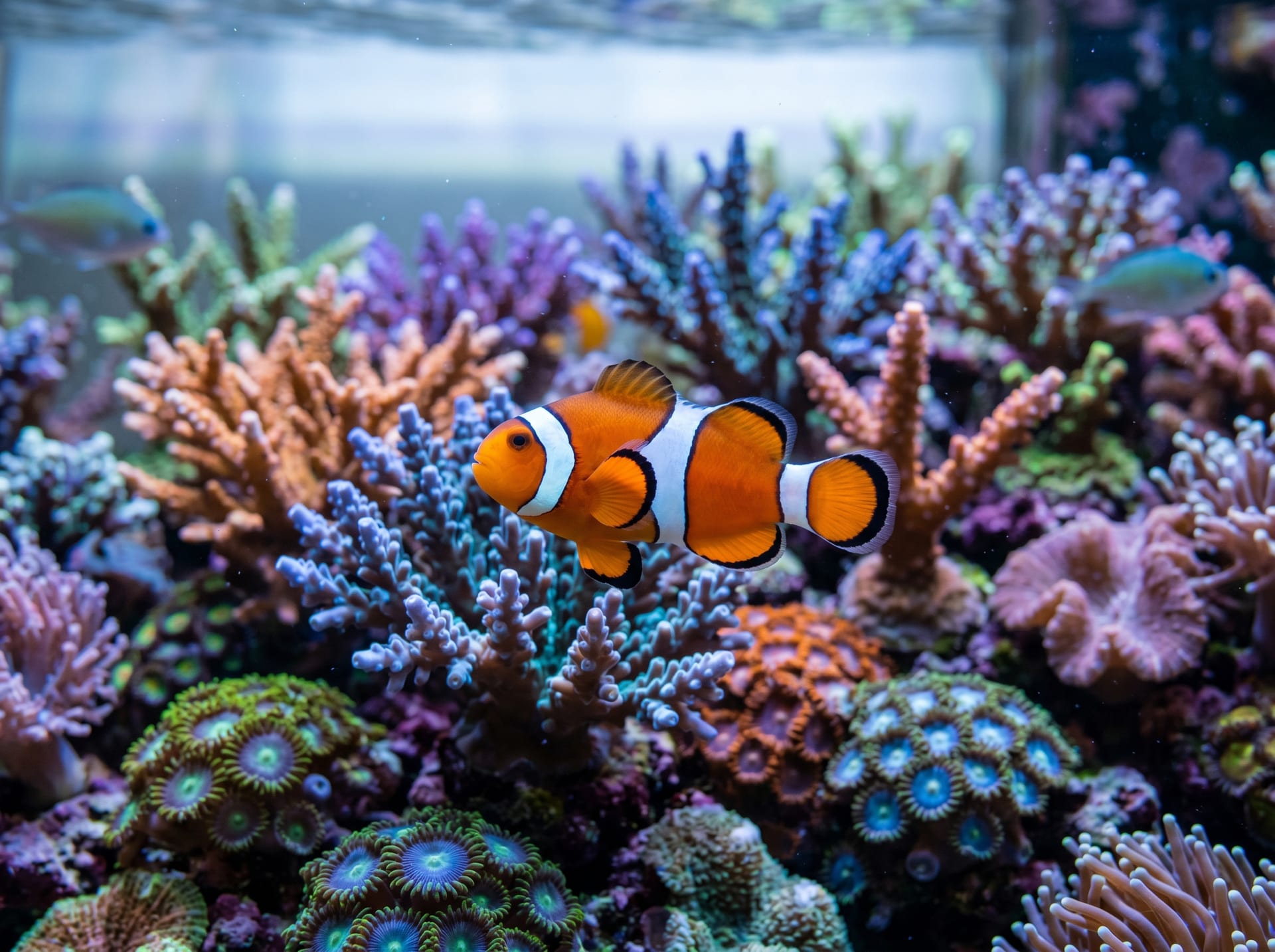
- Coral tanks: lights, additives, saltwater
3. Breeding Space
Choose your pet in consultation with your available living space.
Species that fit in small spaces:
- Hamsters: cage approximately 60×40 cm
- Small reptiles (leopard gecko): cage approximately 60×45 cm
- Small tropical fish: 30-60 L aquarium
Species requiring large spaces:
- Large reptiles (monitor lizards): cage 180 cm or longer
- Rabbits: large cage plus free-roaming time needed
- Large birds: large cage plus bird-out space
4. Feeding Frequency and Effort
It's important to choose a species with feeding frequency that matches your lifestyle.
Species requiring feeding only 1-2 times per week:
- Snakes (ball pythons, etc.): adults require feeding once every 1-2 weeks
- Some reptiles (adult specimens)
Species requiring daily feeding:
- Most bird species
- Small mammals (hamsters, rabbits)
- Fish (small amounts daily)
For people who travel or have frequent business trips, it's practical to choose species with longer feeding intervals or those compatible with automatic feeders.
5. Handling (Interaction) Possibility
Those who want to "touch and play" versus those who are "fine just observing" need different species.
Species suitable for handling:
- Leopard geckos, corn snakes: can be held in hand when tamed
- Ferrets, rabbits: allow bonding and interaction
- Parakeets, Java sparrows: can be trained to perch on shoulders and play
Species for observation only (touching generally not recommended):
- Tropical fish, medaka, goldfish: observe through aquarium glass
- Corals: die if touched
- Most insects, spiders
6. Odor and Noise Issues
This is particularly important for apartments and condominiums.
Species with minimal odor:
- All reptiles (little odor with proper care)
- Fish and aquatic organisms
Species requiring odor caution:
- Ferrets (distinctive body odor)
- Rabbits (strong urine odor)
- Some insects (mulch odor, etc.)
Species requiring noise caution:
- Parrots and parakeets (large species have very loud vocalizations)
- Hamsters (nocturnal, run on wheels at night)
Even in "pet-friendly" rental properties, consider the risk of problems from odors and noise.
7. Legal Regulation Verification
Some species require permits to keep, or are outright prohibited.
Laws to verify:
- Invasive Alien Species Act (red-eared sliders, bullfrogs, etc.)
- Animal Welfare Act (designated animals: large crocodilians, large felids)
- CITES (Washington Convention): regulated trade in endangered species
Always verify legal compliance before purchase.
Recommended Species by Difficulty Level
For Complete Beginners
Medaka fish:
- Hardy and tolerant of environmental changes
- Can be kept on balconies or indoors
- Low initial cost
Leopard gecko:
- Easy management with feeding only 1-2 times per week
- Docile and easy to tame
- Abundant information and communities available
Corn snake:
- Gentle and easy-to-manage starter species
- Long feeding intervals (juveniles once weekly, adults every 2 weeks or so)
For Intermediate Keepers
Rabbits (daily care and regular check-ups required)
Java sparrows, parakeets (daily care and socialization required)
For Advanced Keepers (not recommended as a first pet)
Large parrots (overwhelming communication needs and intelligence)
Tortoises (precise temperature and humidity management required)
Saltwater fish and corals (advanced water quality management knowledge required)
Summary
The fundamental principle of pet selection is "aligning with your current lifestyle." Even if you admire a certain species, verify lifespan, cost, space, feeding frequency, odor, and legal compliance one by one. Choosing a species you can care for long-term without strain is the first step toward a fulfilling life with your pet and avoiding regrets.
If you're uncertain, the approach with the least failure is to start with an easy-to-manage "beginner species" with low breeding costs, gain experience, and gradually advance. To cherish your relationship with your pet, choose your first pet carefully and enjoy the process.