Seasonal Best Timing Guide for Purchasing Live Animals | How to Buy Safely and Affordably
We explain breeding seasons, temperature and shipping risks, event periods, and price fluctuation patterns.

Key Takeaways
We explain breeding seasons, temperature and shipping risks, event periods, and price fluctuation patterns.
Related Species
The timing of purchasing live animals has a significant impact on price, availability, and shipping safety. By understanding market trends and shipping risks for each season, you can obtain your ideal animals more affordably and safely. This article provides a detailed guide to the optimal purchase timing by season.
Spring (March–May): Peak Buying Season
Spring is the most recommended purchasing period for most live animals.
- Stable temperatures and low shipping risk: The 15–25°C temperature range is ideal for transporting most animals. Cooling agents and disposable hand warmers are often unnecessary, making this the season with the fewest temperature-related issues
- Beginning of breeding season: Many reptiles, amphibians, and fish enter their breeding season, and baby individuals begin appearing on the market. This is an ideal time for those who want to raise animals from juveniles
- Wide selection: Animals prepared by breeders over winter are listed all at once. With many options available, it's easier to find your ideal specimen
- Price trends: As supply begins to increase, prices remain relatively stable throughout the year. Especially before Golden Week, competition intensifies, and you may find great deals
Summer (June–August): A Season Requiring Caution
Summer has high demand but comes with shipping risks.
- Shipping risks from extreme heat: On days when temperatures exceed 35°C, there is a risk that interior temperatures in vehicles will rise even with Styrofoam boxes and cooling agents. Especially in the afternoon, avoid shipping and choose morning delivery time slots
- Peak demand: Demand increases due to summer vacation, and popular species tend to become scarce. If you're considering a purchase, act early
- Medaka and goldfish at peak season: Aquatic animals, especially medaka and goldfish, have the widest selection in summer. Since reproduction is active, prices tend to be relatively affordable
- Insects are summer-exclusive: Insects such as beetles and rhinoceros beetles have their main season in summer. Missing this period makes them difficult to obtain
- Choosing shipping dates: Check the weekly weather forecast and request delivery on days with relatively lower temperatures. Be especially cautious of scorching days immediately after the rainy season ends
Autumn (September–November): Event Season with Expanding Choices
Autumn is a particularly exciting season for reptile enthusiasts.
- Concentration of sales events and exhibitions: From September through November, reptile sales events are held throughout the country. Many buyers search online after events, and the overall market becomes more active
- Favorable shipping conditions: Autumn, like spring, has suitable temperatures for shipping. Through early October, neither heating nor cooling is necessary, and you can safely receive animals
- Spring-born individuals reach marketable size: Animals that hatched in spring have grown to marketable size after 4–6 months. You can obtain individuals with the assurance of being somewhat developed
- Price trends: After events, the number of listings increases, and competition causes prices to drop slightly. Inventory unsold at sales events often flows to online platforms
- Preparing for winter: From late October, temperatures begin to drop, so it's wise to prepare warming equipment first before purchasing animals
Winter (December–February): Risks Exist but Opportunities Abound
Winter is a period when overall transactions decline, but smart buyers have opportunities.
- Highest shipping risk: In regions where temperatures drop below 5°C, there is a risk of exposure to prolonged low temperatures even with heating measures. Shipping to snowy regions especially may be delayed, so caution is necessary
- Prices tend to drop: Accompanying reduced demand, some breeders implement sales. Considering the cost of maintaining inventory, some individuals are discounted, creating opportunities to find bargains
- Christmas and New Year demand: December experiences a temporary increase in purchases due to gift demand. If purchasing during this period, arrange shipping dates in advance
- Cold season shipping measures: When purchasing in winter, check if hand warmers are included in the shipment, and consider choosing breeders with short shipping times in the same region. Another option is to have it shipped to a retail location and pick it up yourself
Best Purchase Timing by Animal Type
The optimal purchase timing differs depending on the type of animal.
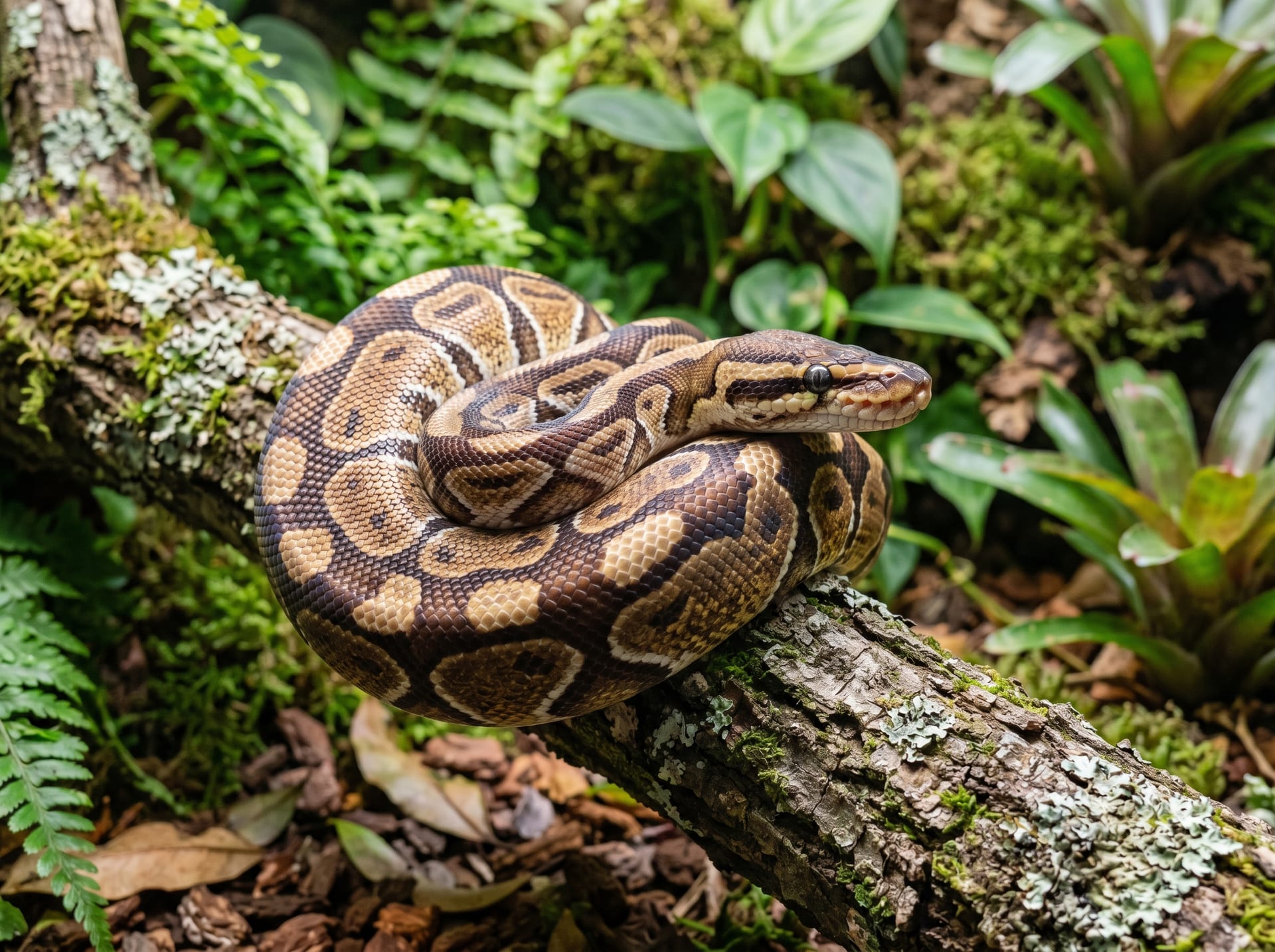
- Reptiles (Leopard Geckos, Ball Pythons, etc.): Best in April–June and September–October. Spring when breeding season babies appear and autumn during the sales event season are ideal times
- Tropical fish and marine fish: Bred year-round, but spring–fall shipping is safest. May–June in particular has abundant selection
- Medaka: Best in May–September. During peak breeding season, variety of breeds and price ranges are most abundant
- Corals: Since water temperature management is critical, spring and autumn when temperatures are not extreme are recommended. Summer poses risks from high temperatures during shipping, and winter from low temperatures
- Insects: Varies by species, but beetles and rhinoceros beetles have their main season in June–August
- Foliage plants: Spring–summer during the growth season is best. Winter poses risk of leaf damage from cold
Tips to Minimize Shipping Risk
Regardless of season, there are things buyers can do to reduce shipping risk.
- Specify morning delivery: Especially in summer, choose morning delivery to shorten the time cargo is exposed to high temperatures inside vehicles
- Ensure you're home: Redelivery due to absence is dangerous as animals remain in packaging for extended periods. Specify a date and time when you can definitely be home
- Choose nearby breeders: The shorter the shipping time, the lower the risk. Purchasing from breeders in the same region often means arrival by the next morning
- Check weather: Avoid days when typhoons, heavy snow, or extreme heat are forecast, and consult with the breeder to reschedule shipping if necessary
Purchase at the Right Time with BreederDirect
On BreederDirect, you can purchase directly from trusted breeders nationwide, and through our messaging feature, you can easily discuss shipping dates and times. With an understanding of market trends and shipping risks for each season, try searching for your ideal animals from the BreederDirect homepage. We recommend payment after confirming the specimen in person, so you can verify condition before paying