Budgerigar Social Training and Keeping Environment | Taming, Hand-Training, Multi-Bird Housing
Training methods to promote personality formation and social development of budgerigars. Detailed explanation of taming, hand-training, compatibility management in multi-bird housing, and budgerigar psychology.
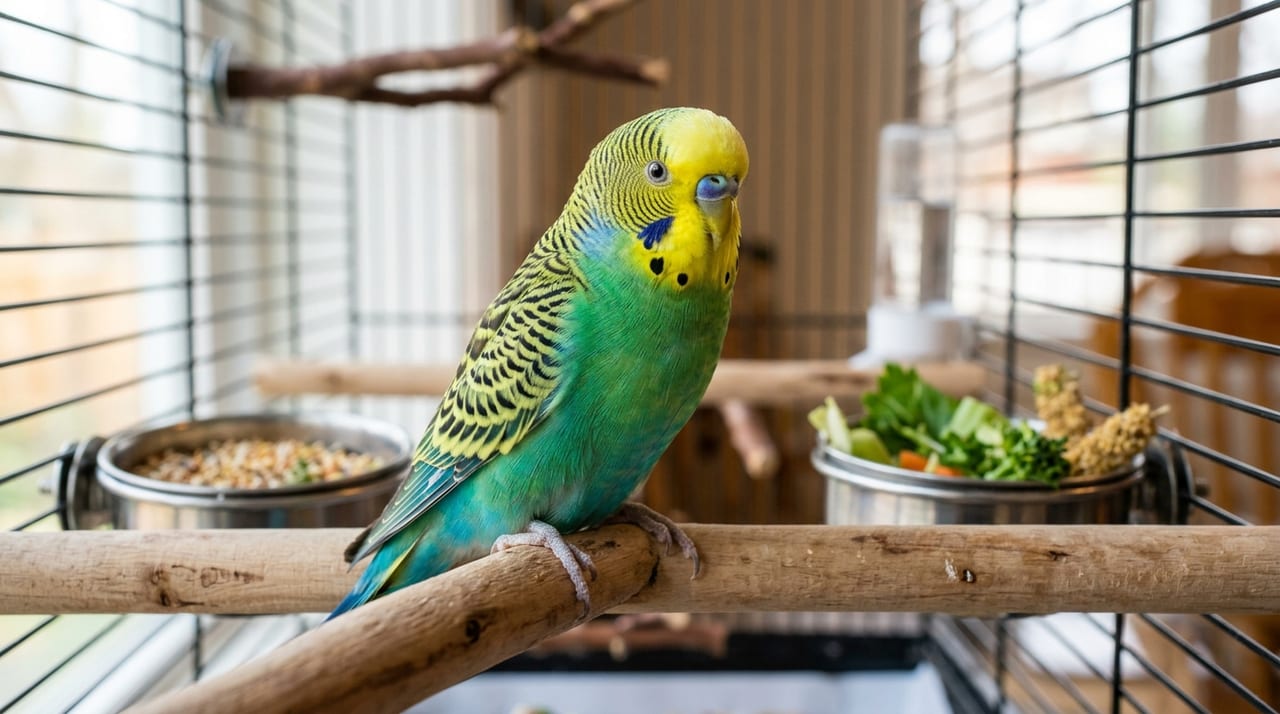
Key Takeaways
Training methods to promote personality formation and social development of budgerigars. Detailed explanation of taming, hand-training, compatibility management in multi-bird housing, and budgerigar psychology.
Related Species
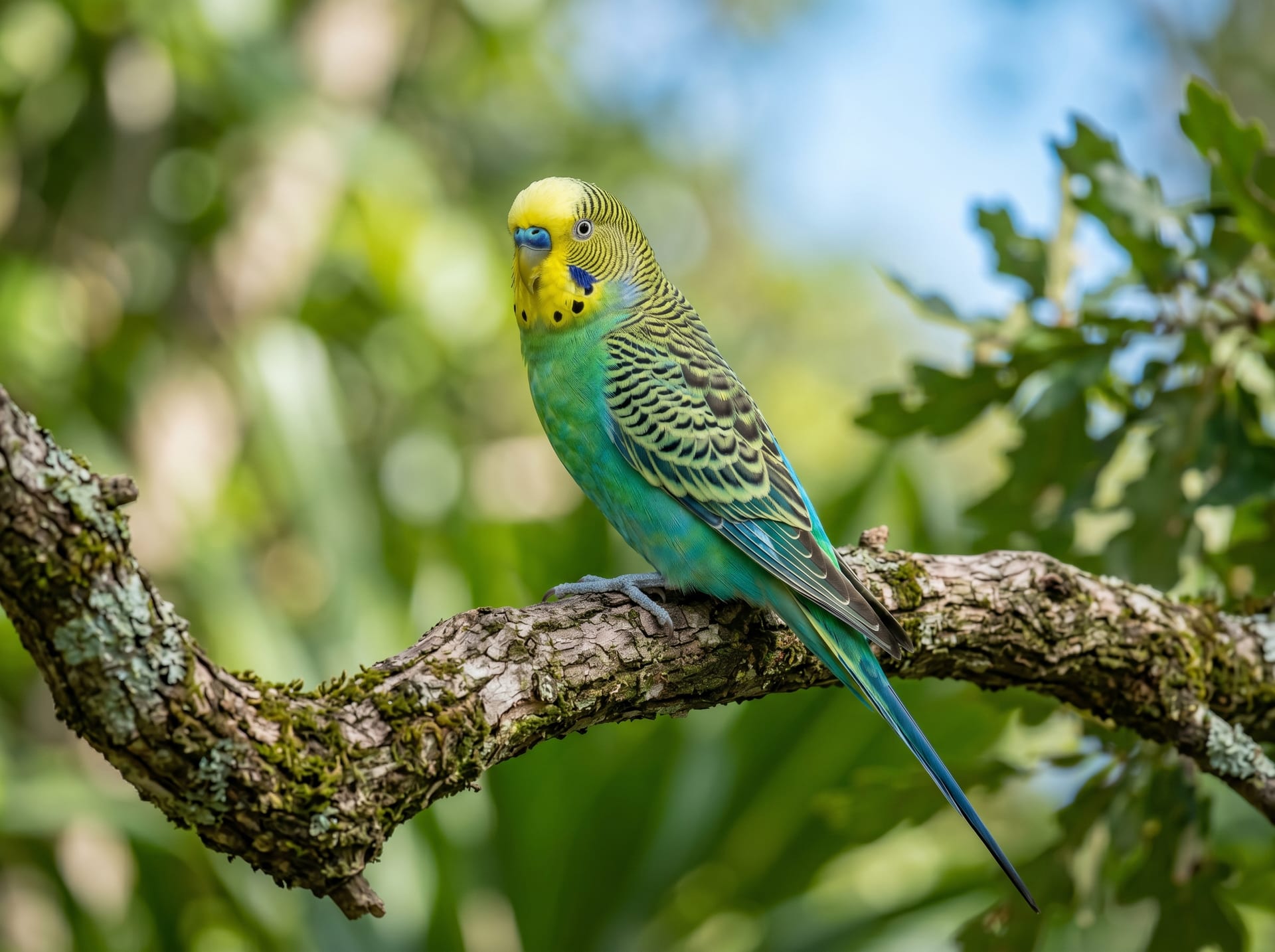
Budgerigars are the most popular pet birds, possessing high intelligence and strong social nature. With proper environment and training, they can develop strong attachment to humans and acquire the ability to learn conversation and tricks. This guide provides practical explanations of budgerigar social development, training methods, and tips for multiple bird housing.
Budgerigar Sociality and Psychology
Budgerigars form large flocks in the wild. They are highly social and learn behavior patterns through interaction with flock members.
Personality Formation by Individual Differences and Age
- Chicks (1-6 months): Highly curious with strong learning ability. Experiences during this period determine their lifelong personality.
- Young birds (6-18 months): Independence emerges and self-assertion becomes stronger. The golden age for training.
- Adult birds (2-5 years): Personality becomes fixed. New training requires ingenuity.
- Senior birds (5 years and older): Behavior patterns are fixed. Adaptation to change is sluggish.
Taming Process (for Chicks)
When starting to raise from chicks, following the steps below makes them easier to tame.
Step 1: Initial Introduction (1-2 weeks)
- Provide a period for the bird to acclimate to the environment in its new cage
- Avoid abrupt handling, prioritizing adaptation through sight and smell
- Call out 1-2 times daily for short periods (5-10 minutes) to make the bird recognize your presence
Step 2: Narrowing Psychological Distance (Weeks 2-4)
- Spend time near the cage to make the bird recognize humans as "safe beings"
- Offer your finger to see if the bird will bite (don't get angry even if it pecks lightly)
- Once sufficient trust is established, begin short-duration handling
Step 3: Hand-Rearing Stage (Weeks 4-8)
- Offer your finger to teach the "step up" command
- Start with just a few seconds, gradually increasing the duration
- Positive reinforcement: Immediately reward good behavior (with favorite seeds, etc.)
Step 4: Trust Building (2-6 months)
- Increase out-of-cage time, allowing the bird to move freely (in a safe environment)
- Make regular handling and playtime a habit
- Increase time spent on the owner's shoulder or arm
Practical Hand-Training Methods
Using Positive Reinforcement
Budgerigars respond to rewards. Providing their favorites (sunflower seeds, milo, niger, leafy greens, etc.) with each training session dramatically improves learning speed.
Finger Position and Posture
- Hold your finger horizontally (palm facing upward)
- Gently touch the bird's chest with your finger to help it balance
- Be patient and wait for the bird to voluntarily step onto your finger
Consistent Commands
Repeat the same words such as "step up" or "up" so the bird associates the action with the words.
Handling Failures
- Don't be discouraged if the bird falls from your finger. It's part of the natural learning process.
- Forcing handling will damage trust. Keep sessions short.
- Daily consistency is most important. Practice 2-3 times a day in short sessions.
Compatibility Management and Sociality in Multi-Bird Housing
Compatibility management is important when raising multiple budgerigars.
Pair Formation and Compatibility
- Same-sex birds: If compatible, they become lifelong partners, but if incompatible, they fight fiercely
- Opposite-sex birds: Breeding urge intensifies and behavior may change (such as increased aggression)
- Individual differences are large, and compatibility can only be determined by trying it
Merits and Demerits of Pair Housing
Merits
- Social interaction between birds results in high psychological satisfaction
- Reduced stress compared to solo housing
Demerits
- Bond with owner tends to weaken
- Poor compatibility can lead to fierce fighting
- Breeding control is necessary (excessive egg-laying harms health)
Multi-Bird Housing Environment Design
- Provide individual perches and water stations for each bird (to avoid resource competition)
- Use a spacious cage (minimum 120×60×60 cm for 2 birds)
- Prepare a separation space (for emergency use if birds are incompatible)
Addressing Aggression and Problem Behavior
Causes and Management of Biting Habit
Causes
- Stress, fear, anxiety
- Territorial defense (opposite sex during breeding season)
- Excessive handling
Management
- Avoid noisy environments
- Reduce stress through daily out-of-cage time and playtime
- If breeding is possible, remove nesting materials
Night Calling and Attention-Seeking Behavior
- Budgerigars want to return to their roosts at night, so provide adequate stimulation and play during the day
- Don't give attention to night calling (ignore it)
- Maintain a consistent daily routine (out-of-cage time and lights out at the same time each day)
Housing Environment and Social Development
Cage Layout
- Perches: Provide multiple thicknesses and positions (to maintain foot health)
- Toys: Rotate multiple types (to keep the environment interesting)
- Hiding spots: Provide a relaxation space
Light and Daily Rhythm
- Light/dark cycle: 12-14 hours of light and 10-12 hours of darkness daily
- Adjust according to seasonal changes
- Irregular daily rhythm negatively affects personality development
Vocal Learning
- Budgerigars learn human voices
- They acquire complex words and sounds by repeating the same sounds and words daily
- The golden age for vocal learning is 1-2 years old
Age-Based Training Schedule
1-3 months old
- Environmental acclimatization, beginning initial handling
- Basic "step up" training
3-6 months old
- Completion of hand-training and perch-hopping
- Learning simple words
- Establishing play habits with the owner
6-12 months old
- Learning complex tricks (such as spinning and accepting head scratches)
- Assessing compatibility with other birds (if considering multi-bird housing)
1-2 years and older
- Personality becomes fixed. New training takes longer
- Focus on reinforcing existing behavior patterns
Conclusion
Continuous engagement from the chick stage is most important for budgerigar social training. By respecting individual differences and proceeding with training within reasonable limits, a deep bond can be formed between humans and birds. Furthermore, when considering multi-bird housing, paying careful attention to compatibility management and enhancing the psychological satisfaction of each individual bird leads to successful keeping.