Breeding Room Layout Design: Creating an Efficient & Hygienic Space
Breeding room design principles for breeders: efficient workflow layout, lighting, ventilation, ease of cleaning, and zoning strategies used by professional breeders.
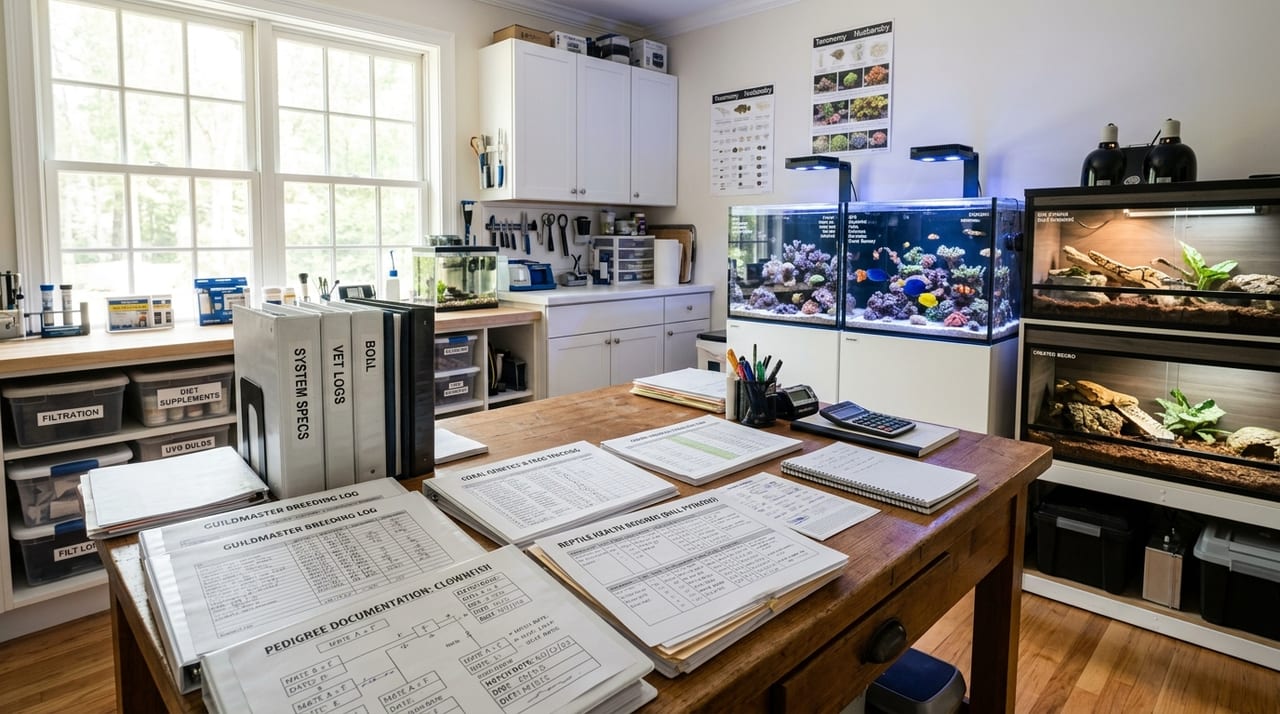
Key Takeaways
Breeding room design principles for breeders: efficient workflow layout, lighting, ventilation, ease of cleaning, and zoning strategies used by professional breeders.
The layout of your breeding room directly impacts daily work efficiency and animal health management. Simply organizing a breeding room designed with purpose, rather than "just somehow arranging shelves," can dramatically change the volume of work you can accomplish in the same time and effort.
This article brings together practical breeding room design principles that professional breeders conducting serious breeding and rearing operations can reference.
Fundamental Principles of Breeding Room Design
There are five major elements required in a breeding room:
- Optimizing workflow: Frequent tasks can be completed with minimal movement
- Ease of cleaning: Materials and structures that prevent dirt accumulation and are easy to wash
- Ventilation and temperature/humidity control: Environmental control where multiple species can coexist
- Zoning (partitioning): Separating spaces by function to prevent cross-contamination
- Expandability: Having spare space to accommodate increased populations
Workflow Design
Prioritize operational workflow
The main tasks within a breeding room are "feeding, water changes, cleaning, animal checks, and breeding management." Design your workflow so these tasks flow smoothly and sequentially.
Linear workflow: Arrange breeding enclosures in one or two rows so you can complete all tasks while walking in one direction. This is the simplest and most efficient configuration.
U-shaped workflow: Position enclosures along three sides of the room. This maximizes wall usage and creates central space.
Separate breeding area from work area: Position a workspace for water changes and food preparation (sink, work table) strategically close to the breeding area along your workflow. Ideally, design it so you can move between areas without soiling the floor.
Zoning Principles
For breeders working with multiple species or categories, zoning is essential for reducing infection risk and preventing management errors.
Isolation zone (quarantine)
Always reserve a space to quarantine newly introduced animals for a set period. Ideally this is a separate room, but if difficult, place it in an area with the most independent ventilation pathway.
During quarantine, never share feeding and cleaning tools with other zones—this is non-negotiable.
Breeding zone vs. display/sales zone
Breeding animals (especially those with eggs or recently hatched) require a quiet environment. Creating a separate partitioned section away from the public-facing display and sales area increases breeding success rates.
Juvenile zone
Newly hatched or young animals require different temperature and humidity management than adults. Reserve an independent zone as a dedicated shelf or incubator area.
Lighting Design
Managing natural light cycles
Animal breeding cycles are heavily influenced by photoperiod (day/night cycles). Control breeding room lighting with a programmable timer so you can set appropriate light cycles for different seasons and species.
Types of lighting
LED lighting: Energy-efficient with minimal heat generation and long lifespan. Choose products with adjustable color temperature to easily adapt to color enhancement for animals and plant growth.
Ultraviolet (UVB) lamps: Essential for reptiles and certain amphibians. Manage the illuminated area and install only in necessary zones.
Light blocking
In rooms where natural sunlight enters, managing light cycles becomes difficult. Create a controlled light environment using blackout curtains or blinds.
Ventilation and HVAC Design
Ensure two-way ventilation
Harmful gases (ammonia, hydrogen sulfide) are generated from animal respiration and waste in breeding rooms. Two-way ventilation from entrance and exit is the basic design requirement.
Position the exhaust fan where air passes through the entire room (ideally by placing the exhaust opening at a high diagonal position from the entrance).
Uniform temperature and humidity
If room temperature and humidity vary across the space, the managed values will differ from the actual environment around your animals. Install thermohygrometers at multiple locations (top, middle, bottom) to monitor, and use a circulator fan to distribute air.
Design for Cleaning and Hygiene Management
Floor and wall materials
Water-washable materials (cushioned flooring, tile) are recommended for breeding room floors. Carpet and wooden flooring are difficult to clean and harbor bacteria.
Walls should be vinyl wallpaper or waterproof paint for easy wiping.
Sink and water supply/drainage
Installing a sink in the breeding room significantly improves work efficiency and hygiene management. Being able to wash used tools on-site prevents contamination of other areas.
Disinfectant accessibility
Place hand sanitizer gel, diluted sodium hypochlorite for enclosure disinfection, and alcohol for tool sterilization within easy reach in your breeding room. Making disinfection convenient—not inconvenient—is key to building the habit.
Storage and Inventory Management
Managing inventory of feed, bedding, medications, and other consumables is also part of breeding room design.
- Dry food: Store in airtight containers, organized on shelves
- Live food (crickets, dubia roaches, etc.): Reserve a dedicated space in a corner of the breeding room
- Medications: Store in locked containers or out of children's reach
Visualize your inventory list on a whiteboard or management app so you can quickly identify items running low.
Summary
Your breeding room is not a one-time build—it's something you refine and improve during operation. Start by addressing areas where you notice "my workload has increased" or "cleaning is becoming difficult," and gradually work toward your ideal breeding room.
A well-organized breeding room creates a comfortable environment for both your animals and yourself, while also building trust in you as a breeder.