Genetics for Breeders and How to Create Breeding Plans | Fundamental Knowledge of Morphs and Lineage Management
We explain the fundamentals of genetics necessary for breeding animals (dominant, recessive, and codominant inheritance) and practical methods for creating breeding plans and managing lineages.
Key Takeaways
We explain the fundamentals of genetics necessary for breeding animals (dominant, recessive, and codominant inheritance) and practical methods for creating breeding plans and managing lineages.
Related Species
What is Genetics — Fundamental Concepts Breeders Should Know
Knowledge of genetics is an essential tool for breeding animals. Genetics is the science that studies how biological traits (appearance and physical characteristics) are passed down to the next generation. For breeders, the most important concept is what is called "Mendelian inheritance"—the basic law of heredity.
All living organisms possess DNA, which is a blueprint containing genes. Genes exist in pairs on chromosomes and are inherited from parents to offspring in equal portions. This pair of genes is called an "allele" or "allelic gene."
Alleles are distinguished as either "dominant" or "recessive." A dominant allele expresses itself as a trait with just one copy, while a recessive allele must have two copies to be expressed. For example, the albino trait in leopard geckos is a recessive gene, and an albino individual is born only when both parents pass on one albino gene each.
What are Morphs — Diverse Phenotypes Created by Genetic Variation
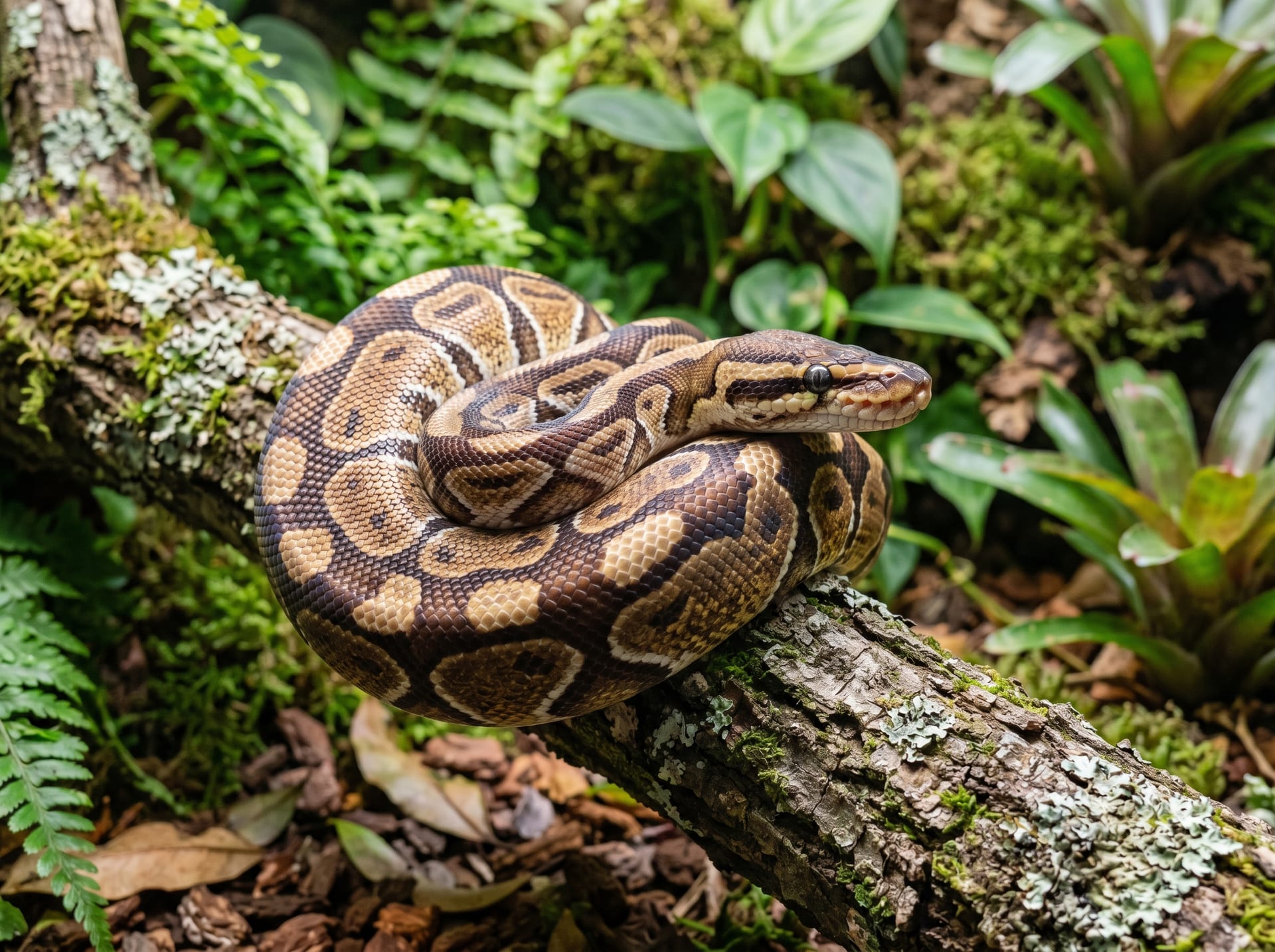
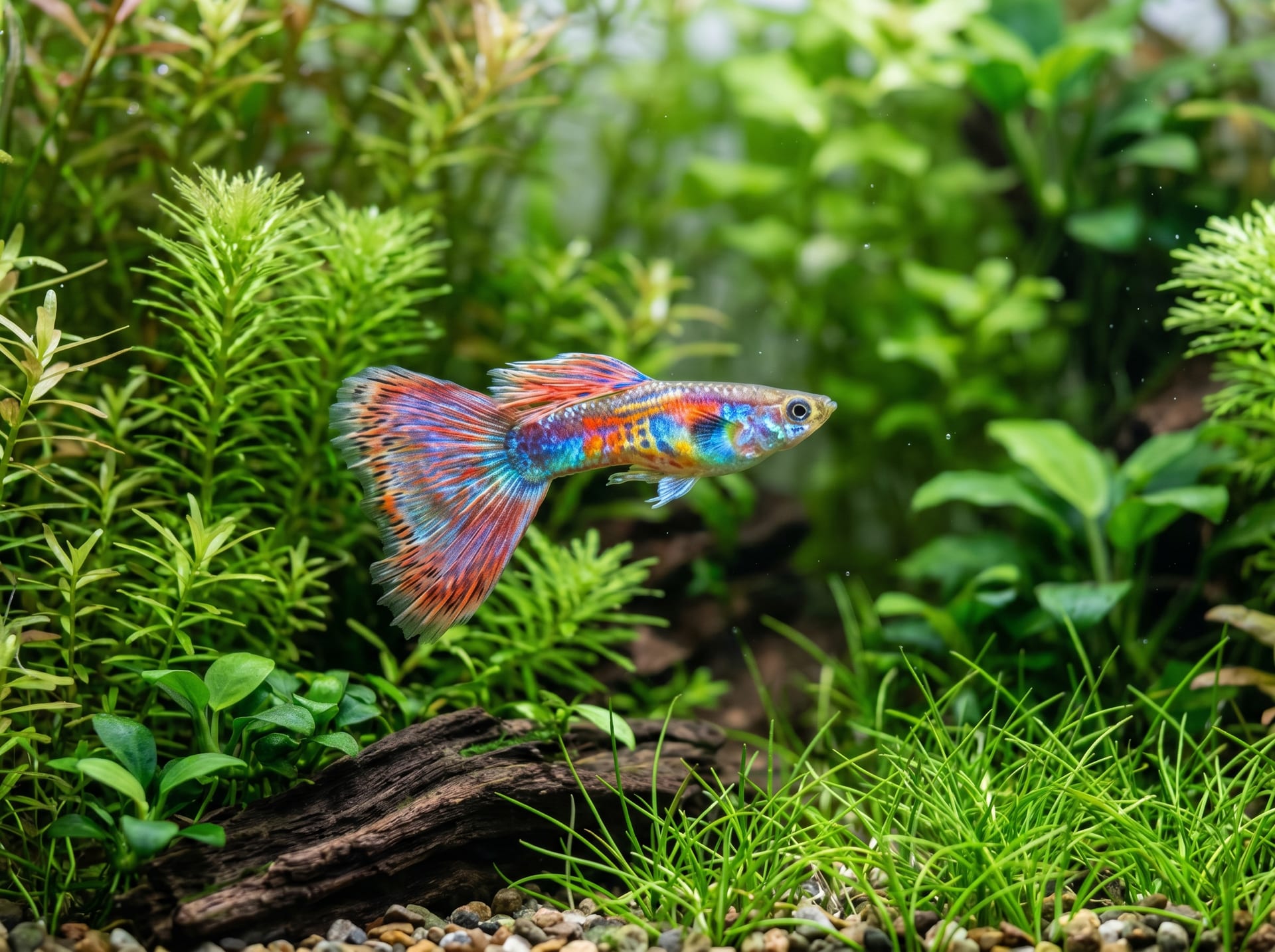
The term "morph" is frequently used in the pet industry to refer to a specific variation in coloration, patterning, or body type that results from genetic factors. The concept of morphs is utilized in many species, such as ball pythons and leopard geckos in herpetology, and guppies and bettas in the aquarium hobby.
Morphs are classified into several categories based on their mode of inheritance.
Recessive morphs appear only in individuals that inherit the gene from both parents. Albino and Blue Eye Leucistic (BEL) are representative examples. Even if an individual appears normal, it may carry the gene—this is called a "heterozygote," and breeders notate it as "het albino."
Dominant morphs are expressed as a trait with just one copy of the gene. Individuals homozygous for the trait often display different phenotypes. Examples include Spider and Warlock.
Codominant morphs resemble dominant morphs but show distinctly different phenotypes between heterozygotes and homozygotes. The classic example is the Mojave super form becoming a White Snake.
✍️
BreederDirect Editorial
The BreederDirect editorial team specializes in care information for animals, covering veterinary care and breeding to deliver beginner-friendly guides.
Understanding these concepts allows you to calculate probabilities when selecting breeding pairs.
Calculating Genetic Probability Using Punnett Squares
The most practical tool for creating breeding plans is the "Punnett square." By arranging the parents' genes in a 2×2 grid, you can visually grasp the genetic combinations and probabilities of offspring.
For example, consider breeding two heterozygous albino parents (Aa) together.
AA (normal): 25%
Aa (normal, het albino): 50%
aa (albino): 25%
This means approximately one out of every four offspring will be albino. However, this is merely a probability; an actual clutch may not always produce these exact ratios. As the sample size increases, results approach the theoretical value, but small hatchings often show significant deviation.
When aiming for "combo morphs" by combining multiple morphs, calculations become complex. The probability of producing a double recessive gene from a double heterozygote is only 6.25% (1/16), which explains why rare combos command high prices.
The Importance of Lineage Management and Its Practical Implementation
To accurately understand the genetic probability of morphs, it is essential to precisely record and manage an individual's lineage (pedigree). Since appearance alone often cannot determine whether an animal is heterozygous, a record of breeding history becomes the foundation of credibility.
Examples of information to record in lineage management:
Individual identification number (microchip or individual tag)
Date of birth/hatching date
Sex
Morph and genetic composition (specify whether confirmed or estimated)
Identification number of parent individuals
Breeding date, egg-laying date, hatching date
Information about sales destination or point of purchase
By managing these details in a spreadsheet or dedicated software, you can track lineage across multiple generations. In recent years, online lineage management tools have become increasingly sophisticated and are worth considering.
For the genetic information of acquired individuals, it is important to obtain certificates and detailed records from the previous breeder. Particularly for high-value combo morphs and rare species, the credibility of genetic information directly affects an individual's value.
Inbreeding and Outbreeding — Risks and Benefits
Close breeding within the same bloodline (inbreeding) is an effective technique for fixing specific genes. For example, it is used when you wish to establish in subsequent generations the traits of an individual with excellent build or coloration.
However, excessive inbreeding carries the risk of causing a problem known as "inbreeding depression." Examples include reduced immune function, decreased fertility, increased malformations, and poor growth. While specific genes become fixed, harmful recessive genes also become more likely to surface.
Conversely, breeding between individuals of different bloodlines (outbreeding) can produce "hybrid vigor." Improvements in stamina, survival rate, and fertility can be expected, making it effective for long-term quality maintenance.
As practical advice, it is recommended to periodically introduce individuals from unrelated bloodlines to maintain genetic diversity. When continuing to breed within a single bloodline, it is common practice to introduce external bloodlines every three to four generations.
Creating a Breeding Plan — From Goal Setting to Implementation
A breeding plan that makes use of genetic knowledge begins with clear goal setting. By specifically determining "what morph you want to produce," "how many individuals you plan to produce," and "what is your target market," it becomes easier to select necessary parent individuals and organize a breeding schedule.
Step 1: Deciding on Target Morphs
Consider market trends and your own rearing environment to determine which morphs to produce. Rare combo morphs command high prices but have low production efficiency, while popular morphs have stable demand but face more competition.
Step 2: Preparing Parent Individuals
Calculate the genetic composition needed to obtain your target morph and prepare both male and female parent individuals. Ideally, acquire individuals with lineage certification from a trustworthy breeder.
Step 3: Managing Breeding Timing
Each species has different optimal breeding seasons, cooling periods, and egg-laying conditions. Precise temperature and humidity control directly affect hatch rates and the production of healthy individuals. By keeping records and accumulating results year after year, you can increase precision.
Step 4: Evaluating and Selecting Hatched Individuals
Confirm the genetic composition of hatched individuals to the extent possible and select candidates for next-generation breeding parents early. Maintaining quality as a breeder depends on retaining individuals with superior phenotypes and good health for breeding.
Genetic knowledge is not something acquired overnight, but by understanding the fundamentals and accumulating actual breeding records, experience and knowledge merge into reliable breeding technique that becomes firmly established over time.