Black Ghost Knifefish Care Guide|Mysterious Electric Fish Environment, Food, Tank Mates
Complete explanation of how to raise Black Ghost Knifefish, an electric fish native to South America. Tank size, water quality, food, tank mate compatibility, disease prevention.
Key Takeaways
Complete explanation of how to raise Black Ghost Knifefish, an electric fish native to South America. Tank size, water quality, food, tank mate compatibility, disease prevention.
Black Ghost Knifefish
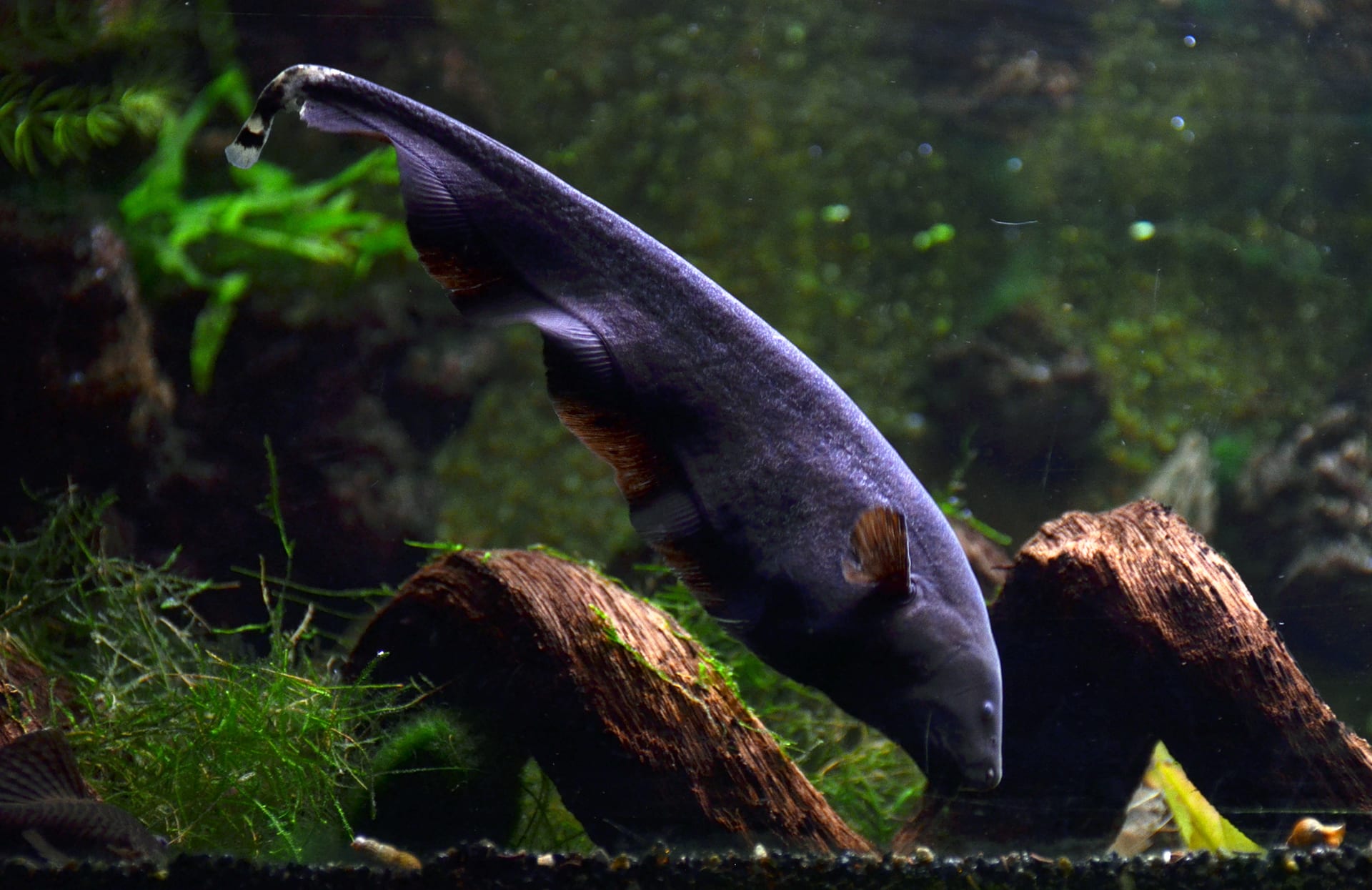
Black Ghost Knifefish (scientific name: Apteronotus albifrons) is a type of electric fish native to the Amazon River basin in South America. Covered entirely in jet black with two white lines running along its tail, its unique appearance radiates a mysterious presence in the aquarium unlike any other fish. Its body length can reach a maximum of 40–50cm, but in captivity usually settles around 30cm.
✍️
BreederDirect Editorial
The BreederDirect editorial team specializes in care information for animals, covering veterinary care and breeding to deliver beginner-friendly guides.
Find Tropical Fish on BreederDirect
Buy directly from verified breeders
Browse Related Listings
Find Tropical Fish listings related to this article on BreederDirect. Buy directly from verified breeders.
It possesses a weak electric organ and generates and senses faint electric fields, allowing it to detect obstacles and food even in darkness. Being nocturnal, it hides in driftwood or tubular shelters during the day and becomes active, swimming around at night. The English name "Ghost" derives from its swimming style of hovering through the water using almost no fins.
Equipment and Environmental Setup Required for Raising
Tank Size and Water Quality
Considering adult size, a 90–120cm tank is ideal. With small individuals, starting with a 60cm tank is possible, but upgrading to a larger size becomes necessary as they grow.
Recommended water parameters are as follows:
Water temperature: 24–28°C (ideal around 26°C)
pH: 6.0–7.5 (slightly acidic to neutral)
Hardness: GH 3–8 (soft to moderately hard water)
Water flow: Moderate. Create adequate flow from the filter outlet.
Since they prefer the clear, soft water of the Amazon River, blending RO water with tap water or blackwater setup is effective. Use soft-type soil or fine sand as substrate, and install multiple shelters such as driftwood, bamboo tubes, or PVC pipes that the fish can enter.
Filter and Lighting
Large individuals produce more waste, so ensure sufficient filtration capacity with an external or top filter. Since they dislike bright lighting, set the lighting weak or reduce the photoperiod. Floating plants (such as Amazon Frogbit) can also effectively lower light levels.
Feeding and Nutrition Management
Black Ghost is carnivorous, feeding on earthworms, aquatic insect larvae, and small fish in nature. The following foods are suitable in tanks:
Live and frozen food
Frozen bloodworms (the most reliable food with excellent feeding response)
Frozen brine shrimp (for juveniles)
Frozen krill (vitamin-rich)
Artificial feed
Sinking carnivore pellets or discus food
Takes time to adapt, but gradual transition is possible by mixing with frozen food
Feeding is most effective after the lights turn off at night. They often do not eat when fed during the day, remaining hidden in shelters most of the time. Feed 1–2 times daily in amounts where no leftovers remain.
Tank Mates and Compatibility
Black Ghost tend to engage in territorial disputes with their own kind. Avoid multiple individuals in 60–90cm tanks; one fish per tank is the principle. They are relatively tolerant of other species, but note the following:
Species that can be tank mates
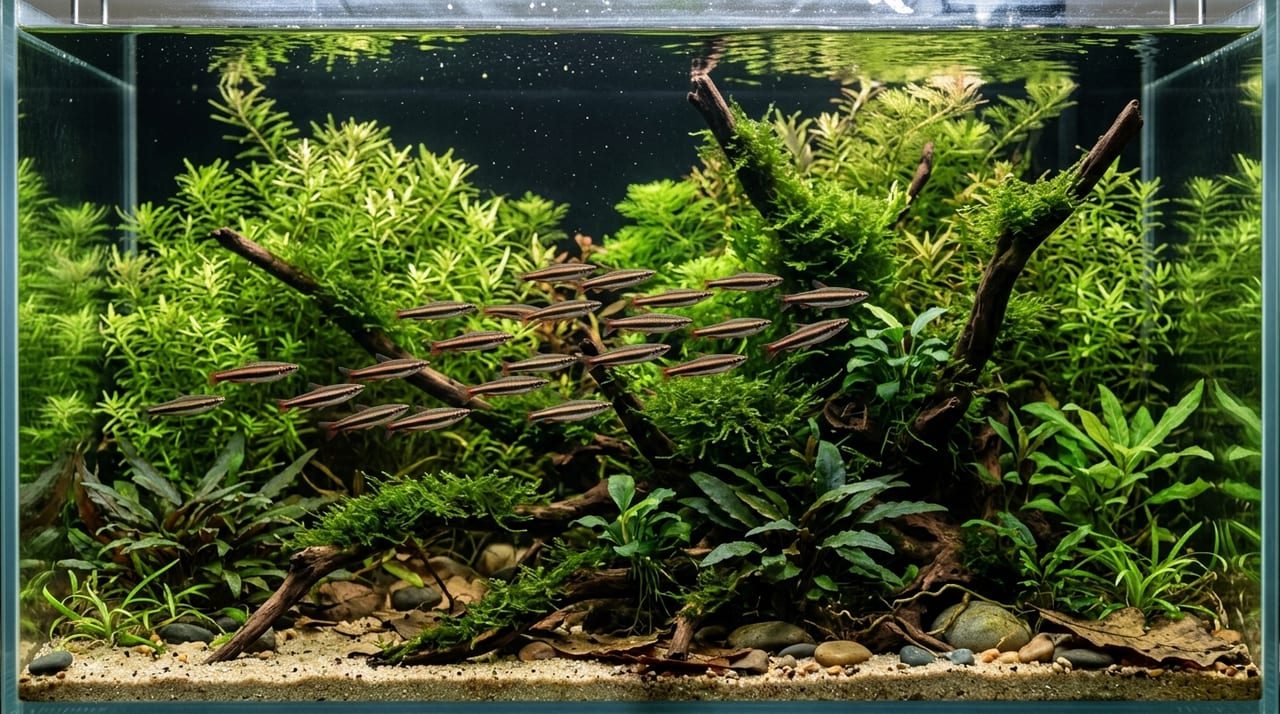
Medium to large characins (Blue Spot Red Hook, Blind Cave Tetra, etc.)
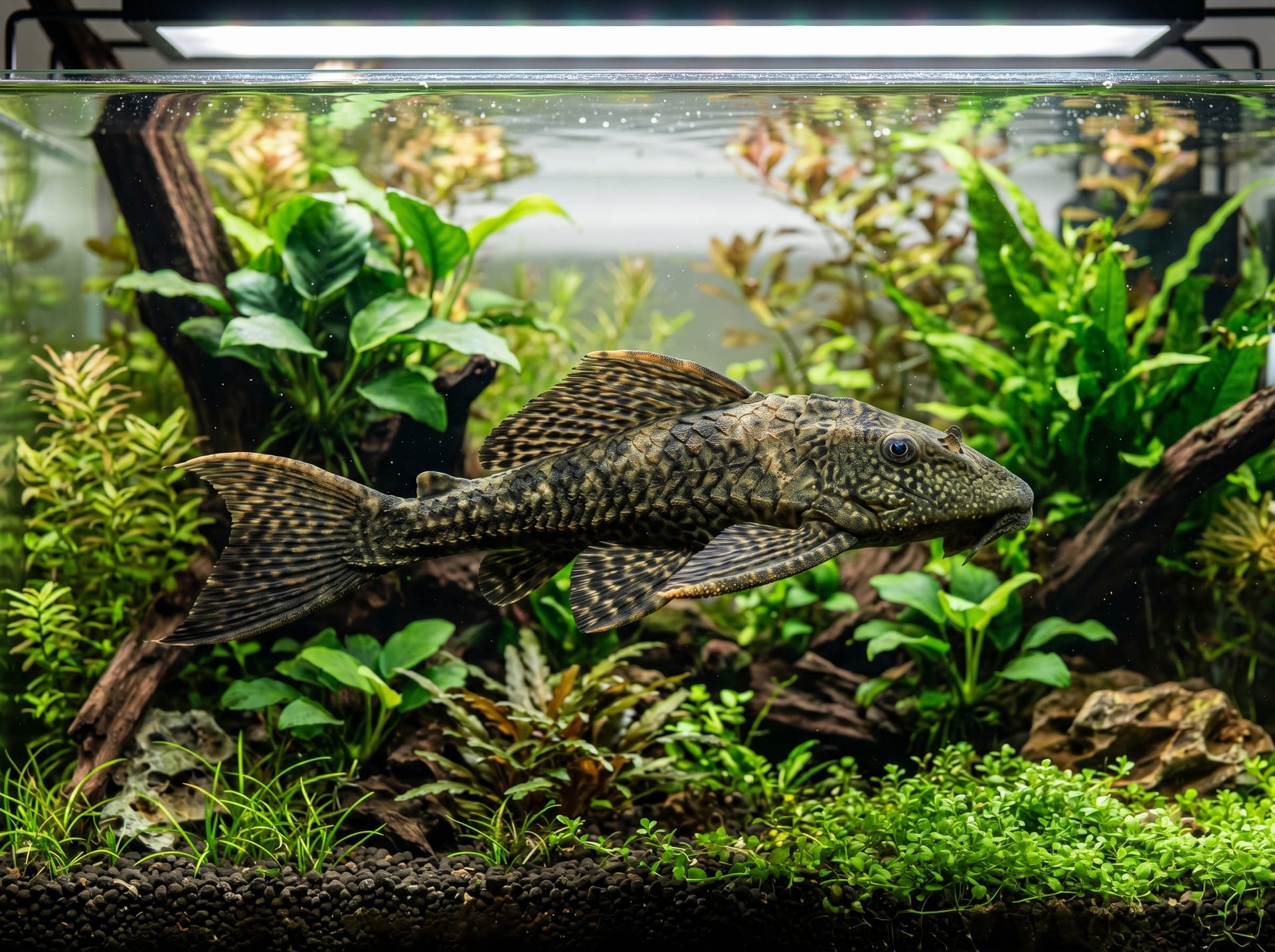
Large plecos and dragon fish types (peaceful bottom dwellers)
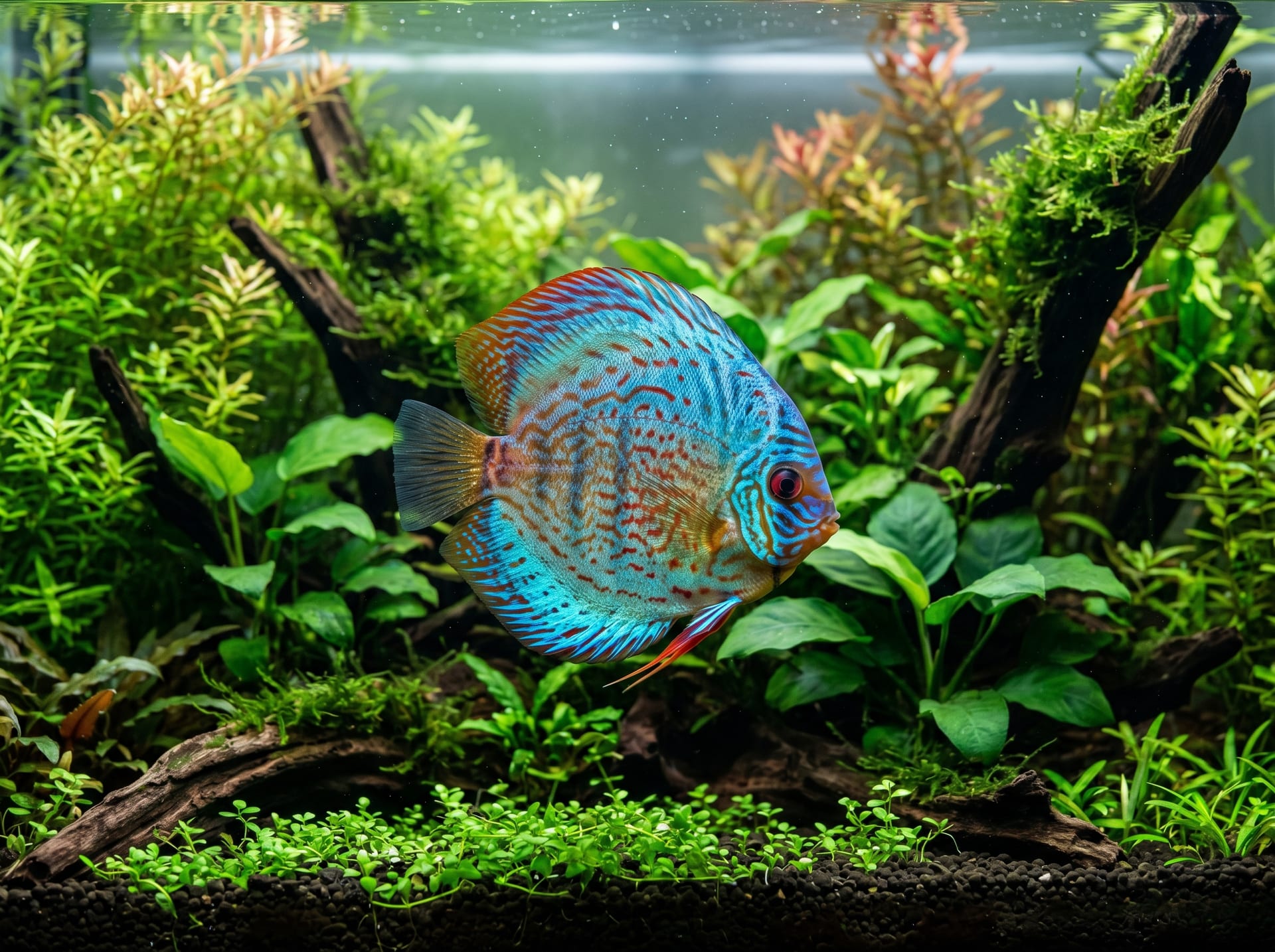
Medium cichlids (though strongly territorial species are unsuitable)
Species to avoid as tank mates
Small fish (body length 5cm or less): risk of predation
Same species and related electric fish: severe conflict
Aggressive cichlids and puffers
Placing multiple shelters in the tank reduces stress.
Common Diseases and Health Management
Black Ghost is a scaleless fish, making it extremely sensitive to medications. When treating disease with medicated baths, begin cautiously with 1/3 to 1/2 the normal dose.
Common diseases
Ich (white spot disease): Easily triggered by sudden water temperature changes. Treat with salt bath (0.3–0.5%) or small amounts of low-irritant methylene blue
Columnaris (tail rot disease): Easily develops secondary infection from wounds. Use low-concentration furazolidone-based medications
Bacterial skin inflammation: Results from wounds or abrasion. Poor water quality is the primary cause
For daily health management, weekly to biweekly water changes (20–30% of total volume) and regular filter maintenance are important. A 2-week quarantine in a treatment tank is recommended at introduction.
Summary: The Charm and Know-How of Black Ghost Raising
Black Ghost Knifefish continues to captivate advanced aquarists with its unique appearance and special ecology featuring an electric sensory organ. The elegant hovering-like swimming style and the sight of its face peeking from a shelter at night brings special joy to keepers.
The difficulty level of raising them is intermediate to advanced, but with proper environment and feeding, long-term raising for 10 or more years is possible. Acquiring healthy individuals directly from breeders and carefully quarantining them before introducing them to the tank enables a smooth start to keeping them. As the centerpiece of your tank, by all means enjoy life with this mysterious fish.'