Preparation Checklist Before Welcoming a Bird | Cage Selection, Food, and Finding a Veterinarian | ブリちょく
Birds| ✍️ BreederDirect Editorial
Preparation Checklist Before Welcoming a Bird | Cage Selection, Food, and Finding a Veterinarian
A complete checklist of everything you need to prepare and confirm before welcoming parakeets, macaws, finches, and other birds. This guide explains how to choose the right cage size, prepare food and water, manage temperature and humidity, and find an avian veterinarian in advance—ideal for first-time bird owners.
Key Takeaways
A complete checklist of everything you need to prepare and confirm before welcoming parakeets, macaws, finches, and other birds. This guide explains how to choose the right cage size, prepare food and water, manage temperature and humidity, and find an avian veterinarian in advance—ideal for first-time bird owners.
Full Preparation Before Welcoming Your Bird
Birds are more sensitive to environmental changes than dogs or cats. Having a proper living environment in place from day one can mean the difference between life and death during the first week. The golden rule of bird keeping is not "figure it out after buying," but "prepare everything before bringing your bird home."
Young chicks and juveniles in particular are poor at thermoregulation and sudden death from stress is not uncommon. Once you've set a date to bring your bird home from a breeder or shop, complete your care setup at least 3 days beforehand and confirm that temperature and humidity are stable before the big day.
Choosing the Right Cage and Where to Place It
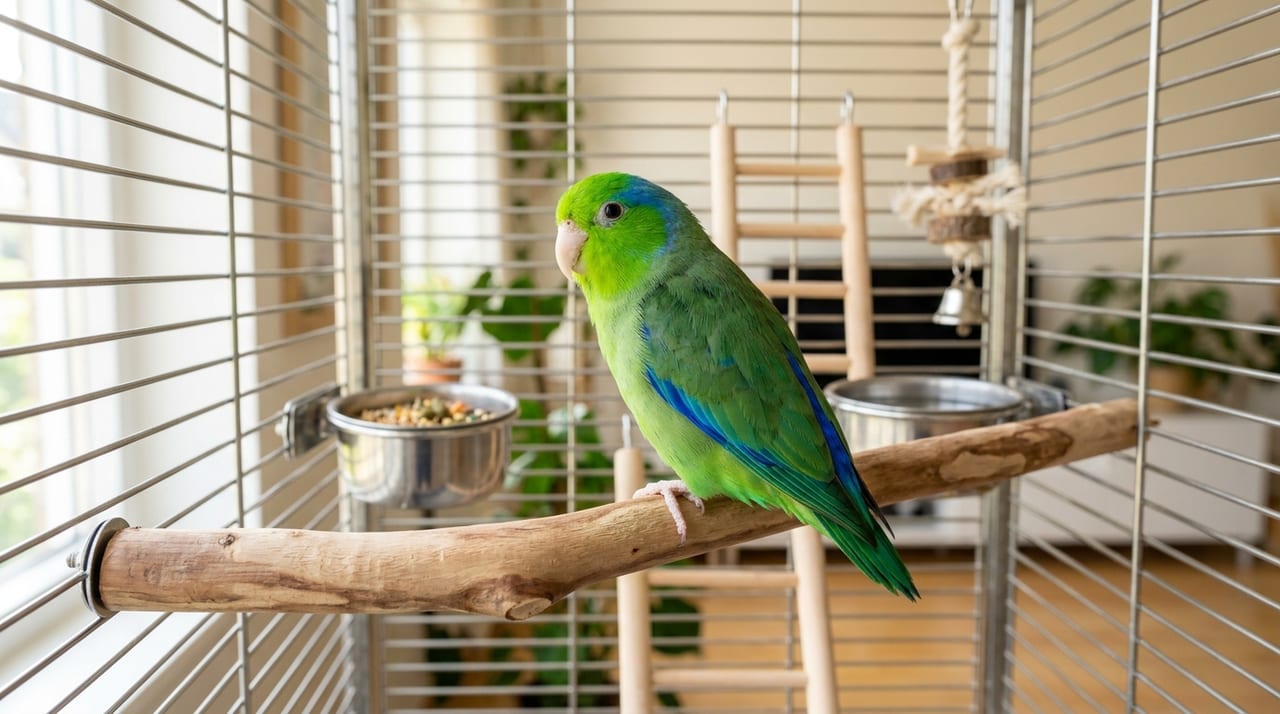
The cage is your bird's home for life. A cage that's too small is a major source of stress and can lead to feather plucking. Let's review the size guidelines for different species.
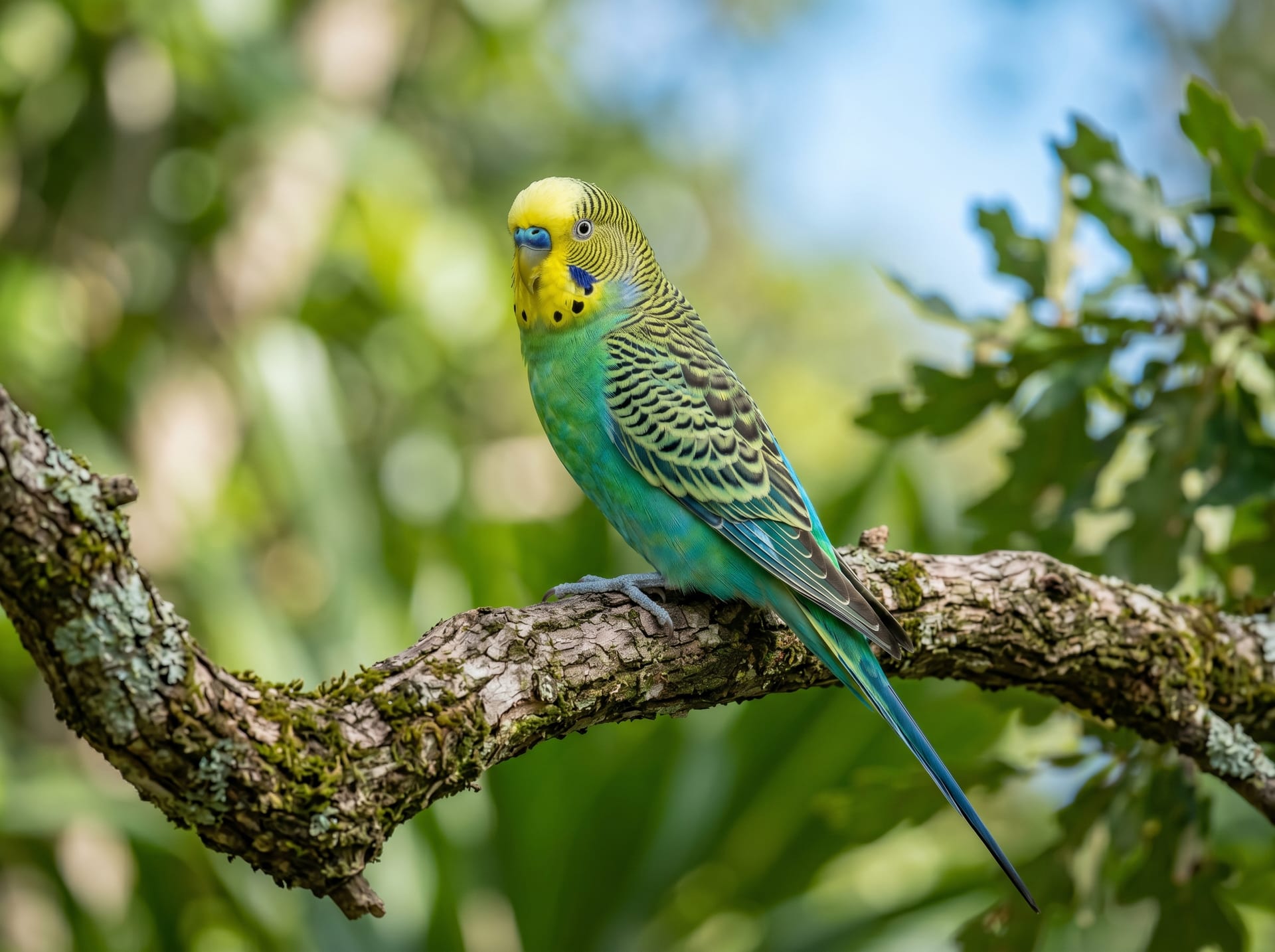
Budgerigar (1 bird): A minimum of 45cm width × 45cm depth × 60cm height. A horizontal-style cage that allows the bird to fly across horizontally is ideal. For 2 or more birds, choose a cage with at least 60cm width.
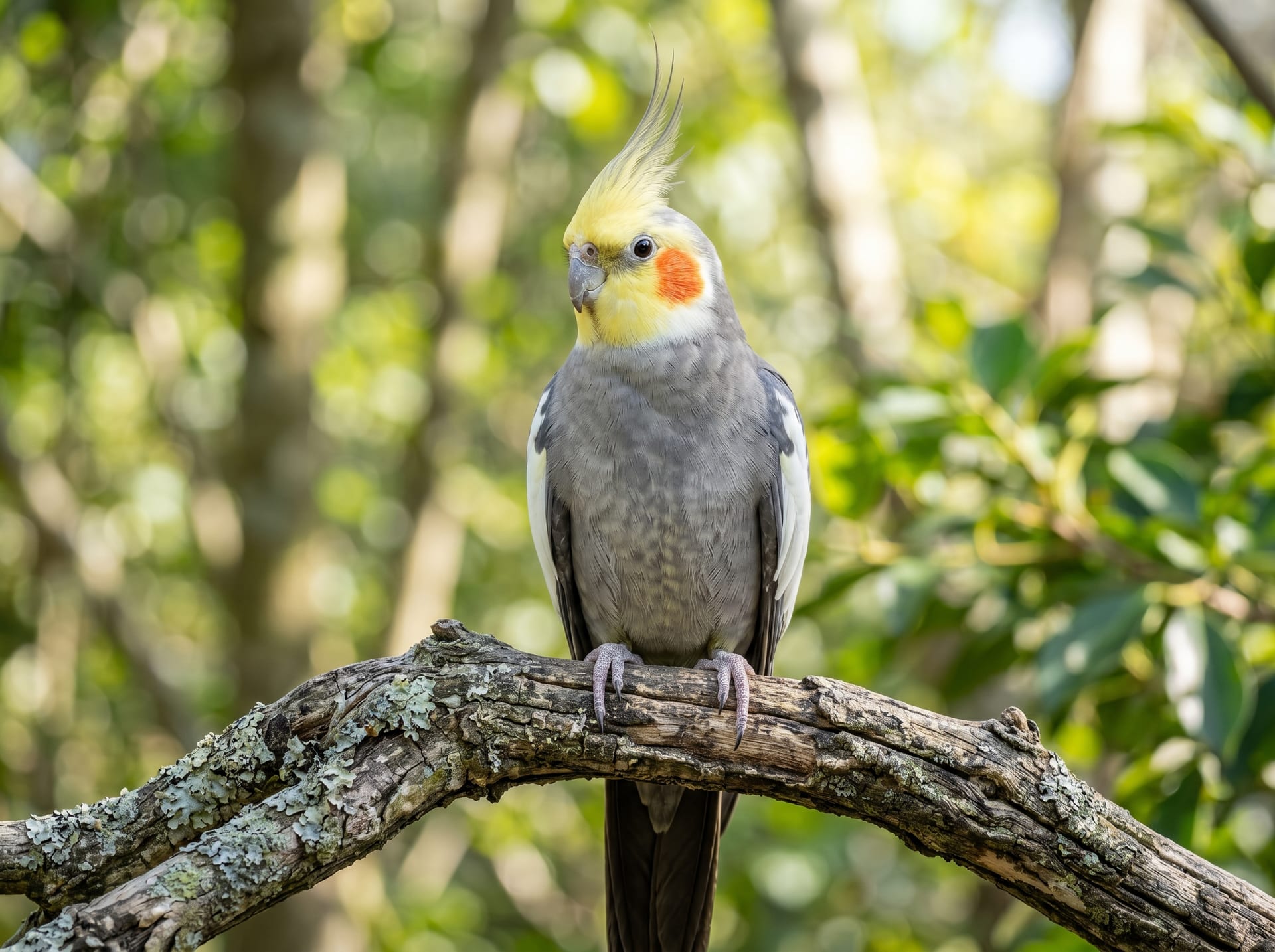
Cockatiel (1 bird): A minimum of 60cm width × 45cm depth × 70cm height. There must be enough space that the wings don't touch the sides when spread. Cockatiels can have panic attacks when startled (called "cockatiel panic"), so provide extra vertical clearance.
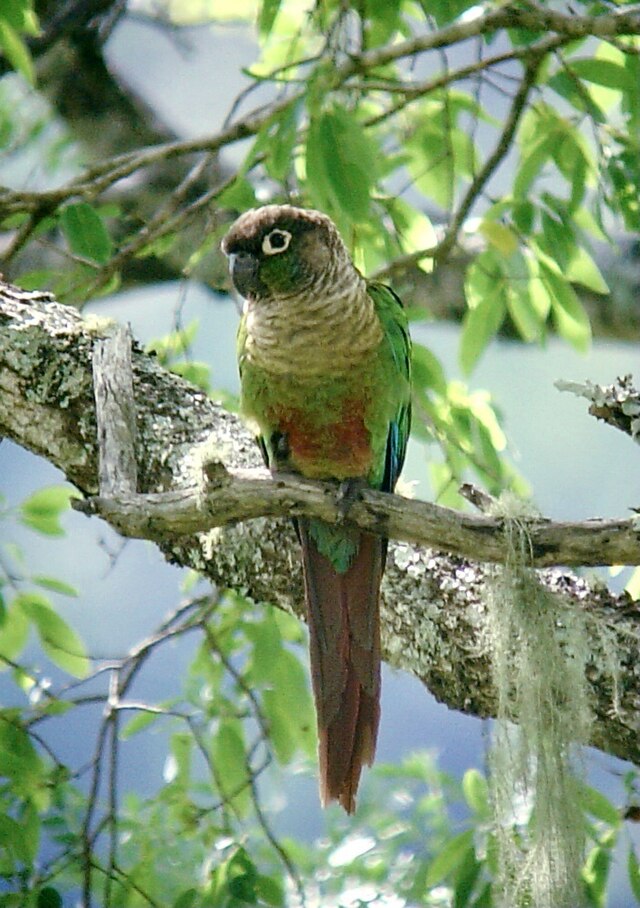
Medium parrots (Green-winged Macaw, Scaly-headed Parrot, etc.): A minimum of 60cm width × 50cm depth × 70cm height. Since these birds are active and move around a lot, choose a cage with sturdy construction that resists lateral swaying.
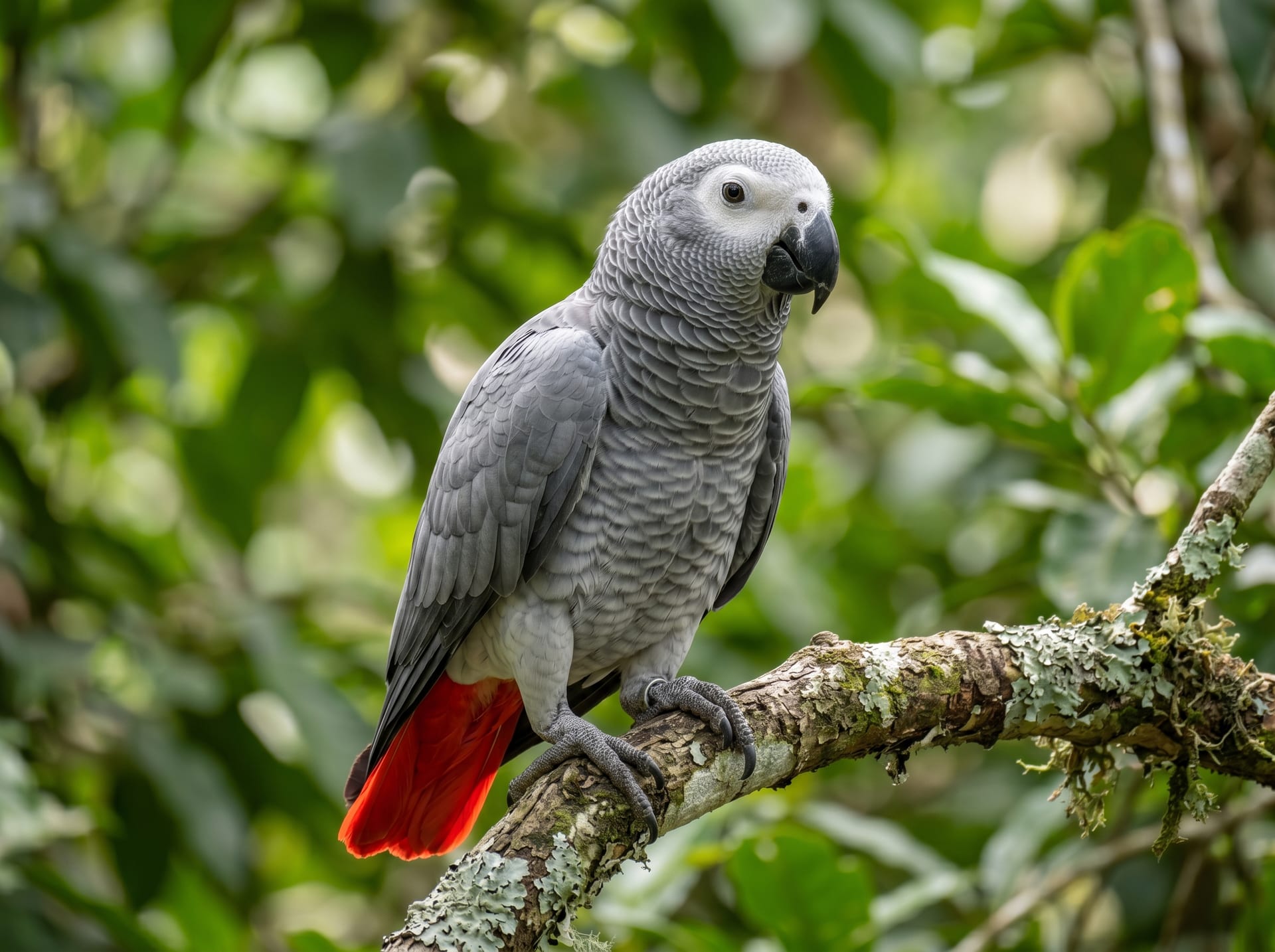
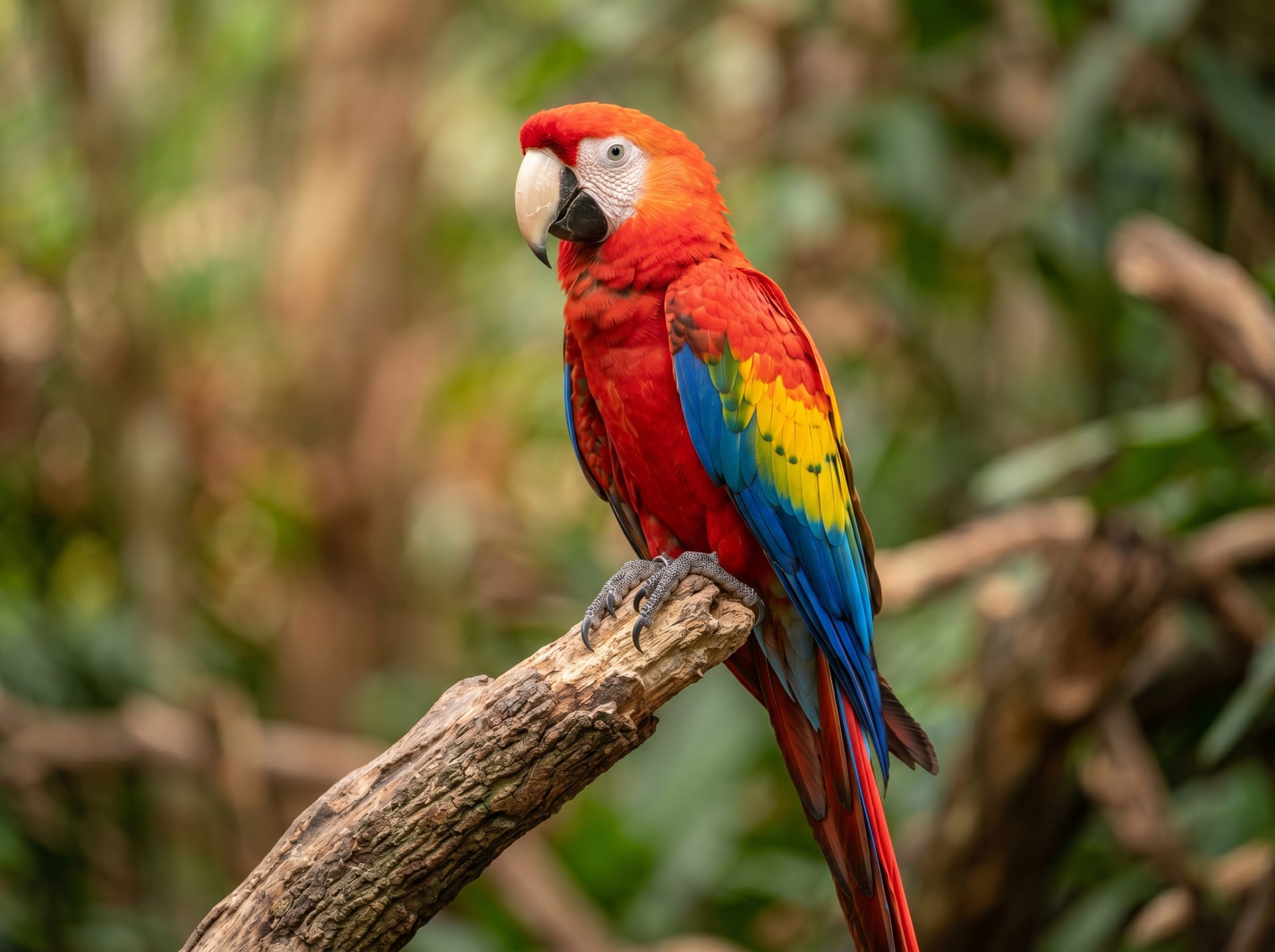
Large parrots (Macaw, African Grey Parrot, etc.): At least 90cm width, made of durable stainless steel. Since their claws and beaks are extremely powerful, poorly welded cages risk being destroyed.
Always choose stainless steel for the cage's metal material. Zinc-plated cages can cause zinc toxicity (heavy metal poisoning) if the bird chews on them, which can be fatal in severe cases. Cheap cages may have coatings with unknown ingredients, so it's important to choose from trusted manufacturers.
✍️
BreederDirect Editorial
The BreederDirect editorial team specializes in care information for animals, covering veterinary care and breeding to deliver beginner-friendly guides.
Find Birds on BreederDirect
Buy directly from verified breeders
Browse Related Listings
Find Birds listings related to this article on BreederDirect. Buy directly from verified breeders.
Placing the cage against the wall on 1-2 sides gives your bird a sense of security and protection. Placing it near a window can cause stress due to direct sunlight, cold air, and external stimuli (like wild birds outside), so indirect light filtered through sheer curtains is ideal.
Perches, Toys, and Foraging
Perch Materials and Shape: Artificial perches with uniform diameter can cause foot muscles to become rigid, leading to arthritis and "bumblefoot" (plantar dermatitis). Install multiple natural wood perches of varying thickness (non-toxic species like maple, cherry, and grape wood) at different heights so the bird can exercise its entire foot.
Toys and Foraging: Intelligent birds develop feather plucking and repetitive behaviors when they lack mental stimulation. Have the following items ready:
Chewable items (natural wood, cork, palm fiber): These maintain beak health and prevent boredom
Swings and rope ladders: Exercise and balance maintenance
Foraging toys: Enrichment puzzles where food is hidden for the bird to find. These mimic natural foraging behavior and are highly effective for mental well-being
When selecting toys, always check that they don't contain small metal parts, mirrors (which can overstimulate breeding behavior), or toxic paints.
Food and Water Preparation
Seeds vs. Pellets: Seeds are highly palatable and easy to eat, but they're high in fat and birds that rely on seeds have a higher risk of liver disease and obesity. If possible, ask the breeder beforehand whether the bird eats pellets. If it does, prepare the same brand to ensure a smooth transition.
Recommended Diet Balance:
- Pellets as main food (60-70% of total diet)
- Seeds as supplement (15-20%)
- Fresh vegetables and fruits (10-20%)
Safe Vegetables and Fruits: Komatsuna (Japanese mustard greens), bok choy, carrots, broccoli, apples (seeds removed), and others. Offering these 3-5 times per week supplements water-soluble vitamins.
Never Feed: Avocado (persin toxicity), green onions, Chinese chives, onions (hemolytic anemia), chocolate (theobromine toxicity), alcohol, caffeine, and raw cassava. Make sure your entire family knows to never accidentally share human food with your bird.
Water Dishes: Change to fresh water daily. Open-style water dishes easily become contaminated with feces and feathers, so bottle-style water drinkers are more hygienic. However, bacteria can proliferate on the nozzle, so clean it 2-3 times per week.
Temperature, Humidity, and Heat Management
Birds are sensitive to cold, and sudden temperature changes can trigger illness. Especially for newly arrived birds whose immunity is compromised by stress, temperature control is critical.
Temperature Guidelines by Species:
- Budgerigars and Cockatiels: 25-30°C (chicks: 28-32°C)
- Java Sparrows: 25-28°C
- Parrots (large species): 20-28°C
Use pet heating pads or ceramic heaters, and warm only part of the cage, not the entire enclosure, so your bird can move to a cooler area when it feels too warm. This allows for "thermoregulation." Place a thermometer/hygrometer near the cage so you can monitor it constantly. Humidity should be around 50-60%.
Avoid direct sunlight, cold air from air conditioning, areas near exhaust fans, and kitchen smoke (PTFE gas from Teflon-coated pans is lethal). In particular, even small amounts of gas emitted during the use of Teflon (fluoropolymer-coated) cookware can be fatal to birds, so do not place your cage near a kitchen with inadequate ventilation.
Research Avian Veterinarians in Advance
Avian medicine requires specialized knowledge and equipment, and not all animal hospitals offer it. Before bringing your bird home, identify at least 2-3 hospitals near your home that specifically state they are "exotic animal-certified" or "avian specialists." It's also helpful to know which ones offer emergency night care.
We strongly recommend getting a health checkup within 1-2 weeks of bringing your bird home. Below are typical examinations:
Fecal exam: Check for megabacteria (AGY), parasites, and bacteria
Crop exam: Especially important for chicks
Weight check: Establish a baseline of your bird's health status
To ensure a smooth checkup, take notes before the visit on when and where you got your bird, what it's eating, the state/color/frequency of droppings, and any behavioral changes. This allows you to give the veterinarian accurate information. Taking photos of droppings is especially helpful.
Heat source and temperature/humidity monitor installed
□
Teflon cookware-free cooking area confirmed
□
Avian veterinarian(s) researched
□
Entire family aware of toxic foods
□
Birds are not pets you can "wing it" with zero preparation. However, if you prepare the environment in advance, you and your bird can spend time peacefully together from day one. Welcome the beginning of a long relationship with thorough preparation in place.