Surgical and Anesthesia Guide for Pet Birds | Treatment of Tumors, Fractures, and Egg Binding, and How to Find Avian Veterinarians
Explains avian diseases requiring surgery (egg binding, tumors, fractures, and cysts) and the unique characteristics of avian anesthesia. A practical guide covering preoperative preparation, postoperative care, how to find avian veterinarians, and estimated surgery costs.
Key Takeaways
Explains avian diseases requiring surgery (egg binding, tumors, fractures, and cysts) and the unique characteristics of avian anesthesia. A practical guide covering preoperative preparation, postoperative care, how to find avian veterinarians, and estimated surgery costs.
Related Species
Representative Diseases Requiring Surgical Intervention in Pet Birds
While birds may have a delicate image, modern avian medicine has established anesthesia and surgical intervention as established options. Representative diseases for which surgery is considered include the following:
| Disease | Characteristics and Cases for Which Surgery is Considered |
|---|---|
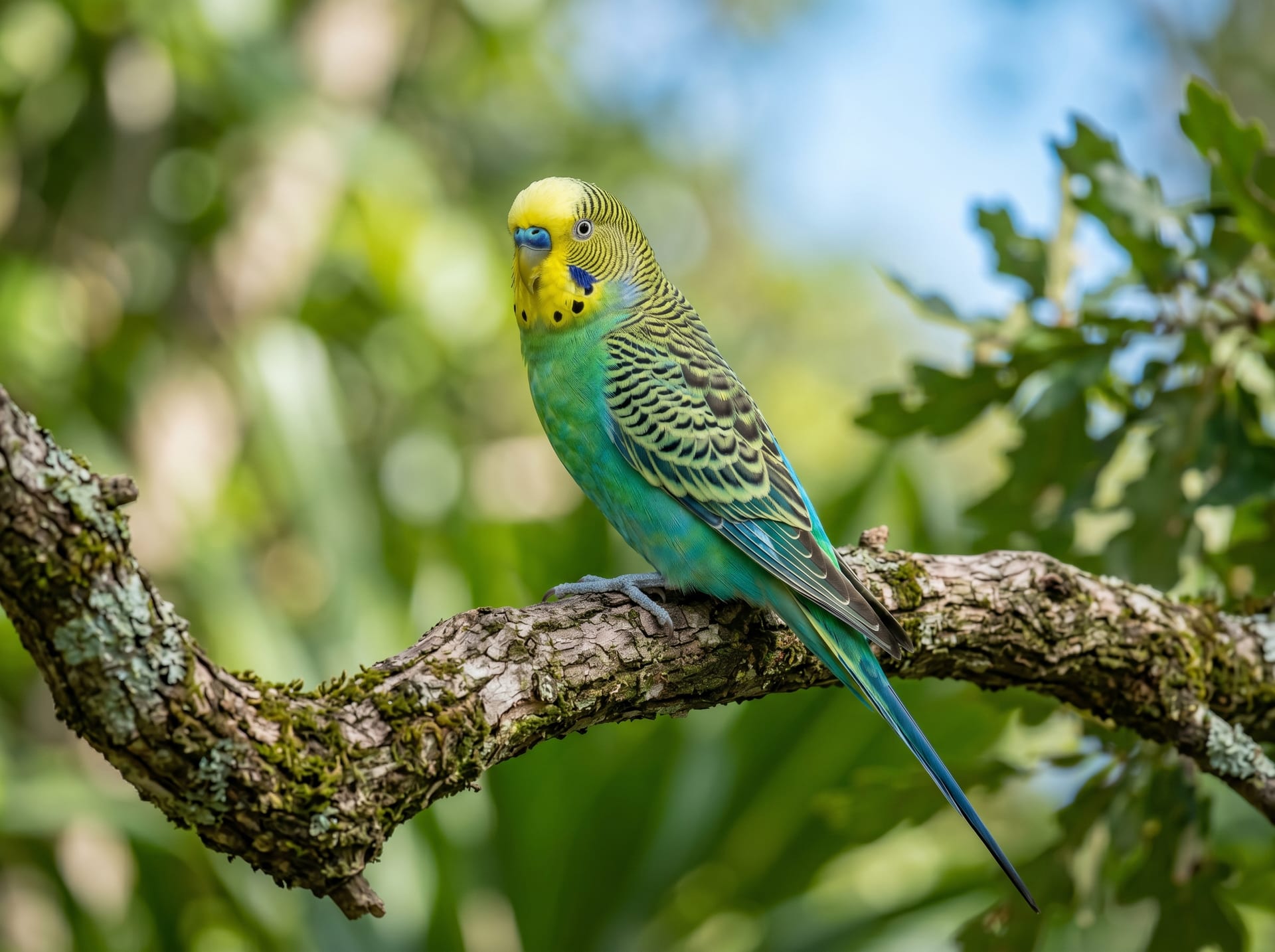
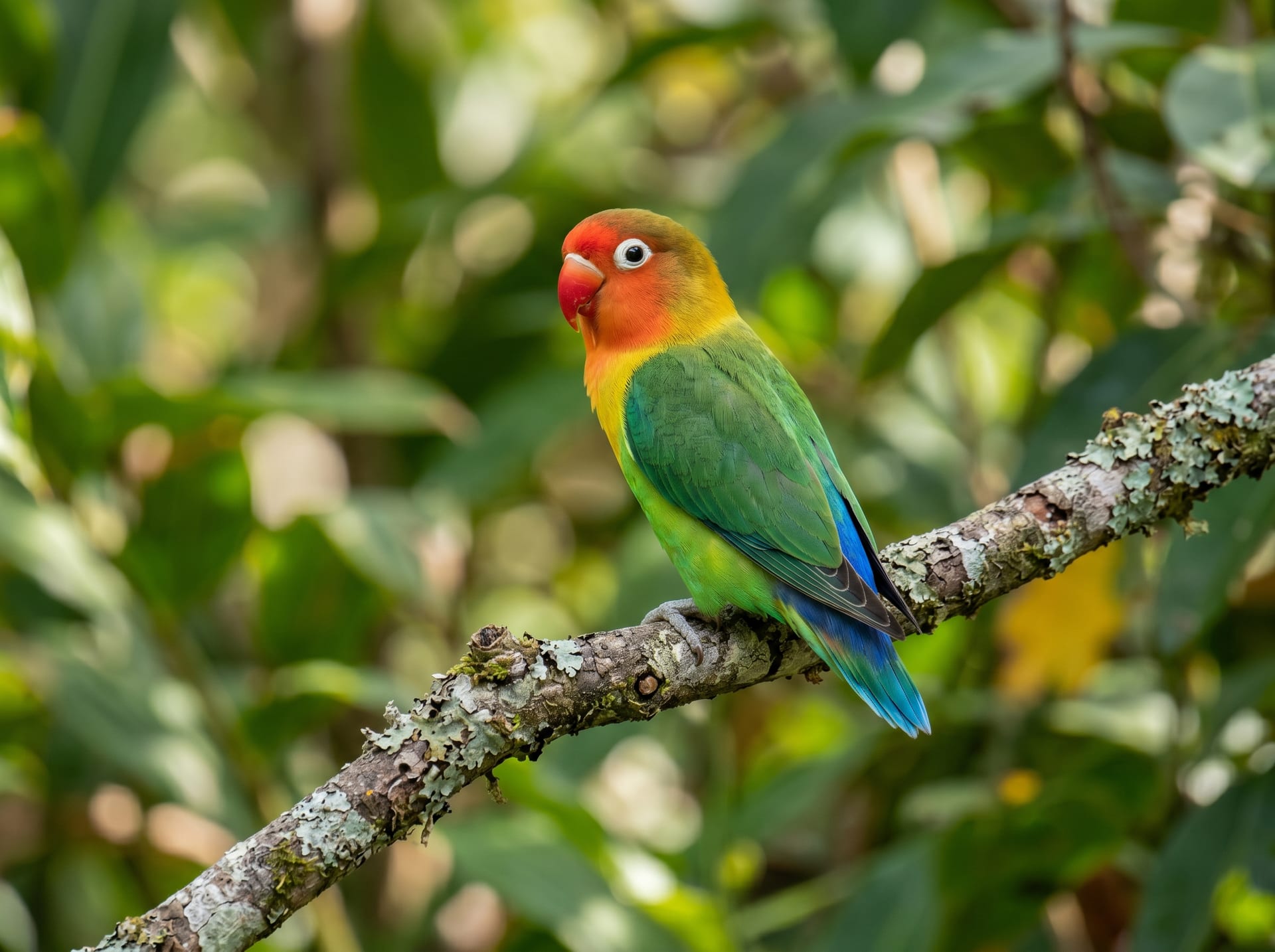
| Egg Binding (Egg Impaction) | A condition in which female birds cannot expel eggs externally. If left untreated, it can result in death within a few hours to one day and is considered an emergency condition. It is particularly common in small bird species such as budgerigars, peach-faced lovebirds, and Java sparrows. Hormone therapy and medical management are prioritized, but surgery is selected when the egg is too large or complications are present. |
| Tumors (Growths) | Tumors in pet birds occur in diverse forms, including visceral tumors, skin tumors, and testicular tumors. Renal tumors and gonadal tumors are relatively commonly reported in budgerigars, and early detection through regular health checkups is important in middle-aged and older birds. The determination of benign or malignant nature and the necessity for removal are judged through imaging diagnosis and biopsy by the veterinarian. |
| Fractures | Fractures can occur in indoor birds as well, due to door pinching or falls. Wing, leg, and toe fractures may sometimes be managed with external fixation alone (splinting and bandaging) depending on the type; however, surgical reduction is considered when bone fragments are displaced or when the supportive function of the leg is compromised. |
Additionally, severe beak injury and hyperplasia, crop foreign body and perforation, and air sac and peritoneal disease are also subjects of surgical intervention.
The Unique Characteristics of Avian Anesthesia and What Veterinarians Should Note
Avian anesthesia differs significantly from that of mammals. Birds have very rapid metabolism relative to body weight, with heart rates at rest ranging from approximately 200–400 beats per minute (varying by species) and fast respiration rates; consequently, the effects of anesthetic drugs appear rapidly, while awakening is also rapid.
Inhalational anesthesia (isoflurane and sevoflurane being the mainstream) is the standard for general anesthesia in birds. Birds use a non-rebreathing circuit and are managed with a mask or endotracheal intubation. Endotracheal tubes of ultra-small sizes are selected to match the bird's body size, with appropriate equipment varying by bird species and weight.
The following items are important for monitoring during anesthesia:
- Electrocardiography
- Pulse oximetry
- Respiratory monitoring
- Body temperature management
Birds are prone to hypothermia during anesthesia, so warming is essential. Intraoperative warming mats and postoperative incubators are critical factors affecting recovery.
Anesthetic risk in birds is generally considered higher than in mammals, making preoperative assessment of health status, nutritional state, and physical condition essential. Because birds have the habit of hiding illness—instinctive behavior to appear well to conceal sickness—there are many cases where anesthesia must be administered when the disease has already progressed. This is considered one of the main factors elevating surgical risk in birds.
What Owners Should Know Before and After Surgery
- Preoperative preparation: In avian surgery, preoperative fasting and water restriction are generally set for shorter periods (a few hours, as directed by the veterinarian depending on bird species and surgical procedure) than in mammals. This is because birds have rapid metabolism and a high risk of hypoglycemia from fasting. Be sure to follow your veterinarian's specific fasting instructions.
- Postoperative care: Warming (generally recommended at approximately 28–32°C), rest, and confirmation of appetite are the top priorities. Immediately upon awakening from anesthesia, balance may be impaired and the bird may fall within the cage. Removing perches and placing towels on the cage floor are effective precautions against falling.
- Pain management is also actively performed with postoperative analgesic administration in modern avian medicine. Because birds tend to hide pain, owners should not assume all is well just because the bird appears active; it is important to continue medication as directed by the veterinarian.
- Additionally, if postoperative antibiotic administration is prescribed, it is reassuring to practice the administration method in advance, whether mixing in drinking water or direct oral administration.
How to Find an Avian Specialist or Veterinarian Experienced in Bird Care
The question "I want my bird examined, but where should I go?" is a very common concern among bird owners. Unlike dogs and cats, there are still relatively few veterinarians and animal hospitals specializing in avian medicine.
- The Japanese Ornithological Society and the Japan Veterinary Medical Association for Exotic Animals gather veterinarians interested in exotic animal care. Searching for information related to such academic organizations or animal hospitals that claim "exotic animal care" or "avian specialist" can serve as one guideline.
- Online searches such as "bird veterinarian [city name]," "parrot hospital," or "exotic animal hospital" are recommended, and you should confirm by phone whether the facility has actual experience with avian diagnosis and surgery. If surgical intervention is needed, confirming the availability of surgical equipment (anesthetic equipment, monitoring equipment, incubators, etc.) is also important.
- Establishing a primary care veterinarian before surgery is ideal. When emergency surgery becomes necessary, having a veterinarian who regularly sees your bird and understands its health status—rather than presenting to a first-time clinic—allows for safer anesthetic management and surgical planning. Maintain a relationship with a trusted avian specialist through regular checkups (one to two times per year).
Welcoming a Healthy Pet Bird through BreederDirect
BreederDirect is an online marketplace where breeders from across the country directly sell birds they have raised and bred. You can exchange messages directly with breeders before purchase and confirm details such as rearing environment, health status, and vaccination history in advance.
Selecting a healthy individual is also the first step in reducing future surgical risk. The environment in which the bird was raised, the breeder's attitude toward care, and the health status of the parent birds all influence the chick's immune function and constitution. Because BreederDirect allows you to view each breeder's profile and past transaction reviews, please take advantage of this when seeking a trustworthy match.