Causes and Solutions for Feather Plucking in Birds | Stress Management and Environmental Improvement
This article analyzes the causes of feather plucking (self-damaging feather behavior) in birds from medical and behavioral perspectives, and explains solutions through environmental enrichment and stress reduction.
Key Takeaways
This article analyzes the causes of feather plucking (self-damaging feather behavior) in birds from medical and behavioral perspectives, and explains solutions through environmental enrichment and stress reduction.
Related Species
Feather plucking is a behavioral problem commonly observed in captive birds, involving the act of plucking or biting their own feathers. Feathers on the chest, belly, and undersides of wings become thin, and in severe cases, the skin may become completely exposed. Since the causes are diverse and treatment requires a long period once the behavior becomes habitual, prevention and early intervention are extremely important. This article provides a detailed analysis of the medical and behavioral causes of feather plucking and explains concrete solutions through environmental improvement and stress reduction.
Causes of Feather Plucking: Medical and Behavioral Causes
The causes of feather plucking are broadly classified into two categories: medical causes and behavioral causes. The first step in treatment is to rule out medical causes through veterinary examination.
Medical Causes
Skin infections (bacterial and fungal), parasites, allergies, thyroid disease, liver disease, nutritional deficiency (especially vitamin A, calcium, and essential amino acids), and PBFD (Psittacine Beak and Feather Disease) virus infection can cause feather plucking. Diagnostic tests include physical examination, blood tests, skin examination, fecal testing, and radiography. If a medical cause is identified, treatment may improve the feather plucking.
Behavioral Causes
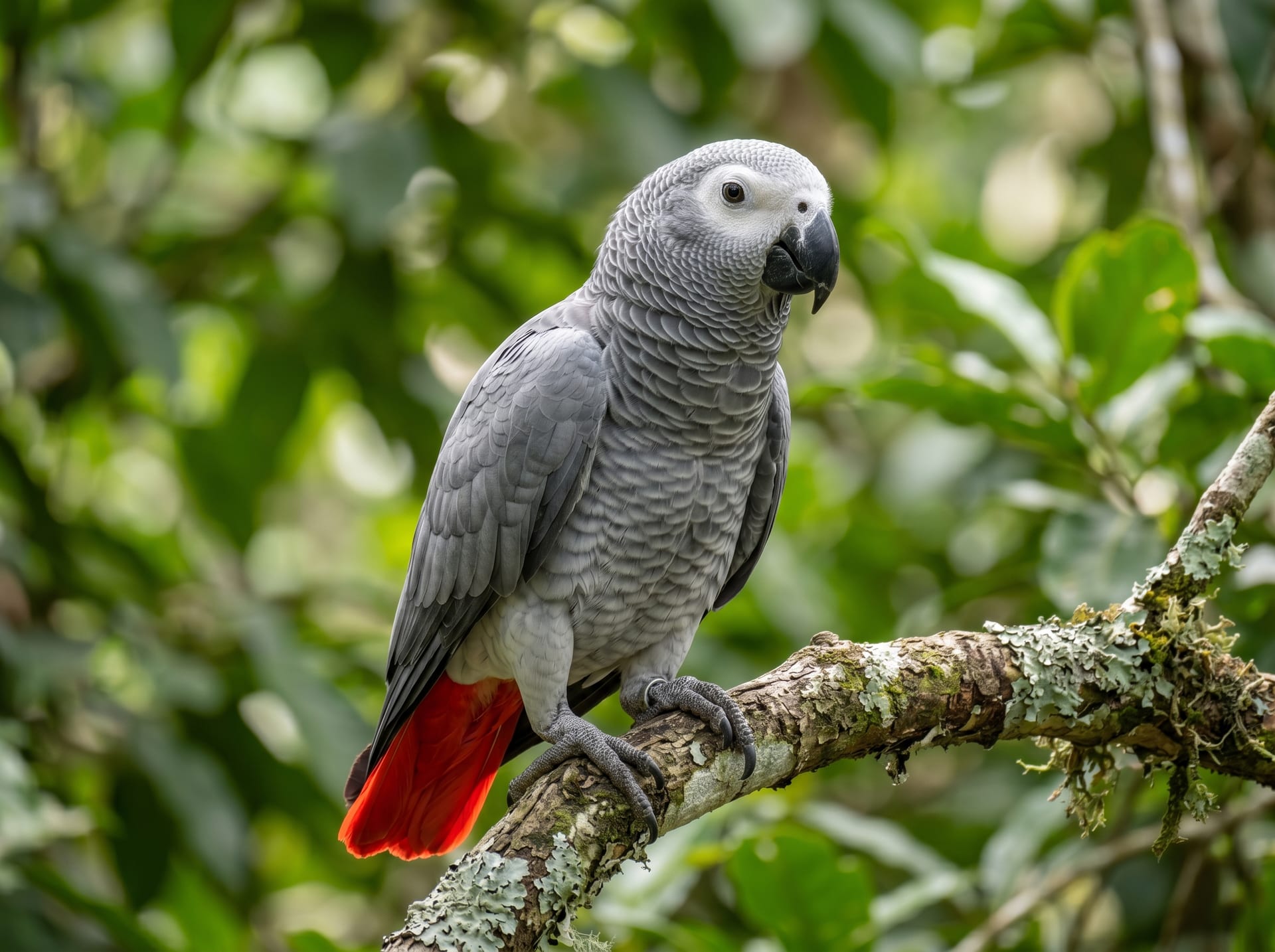
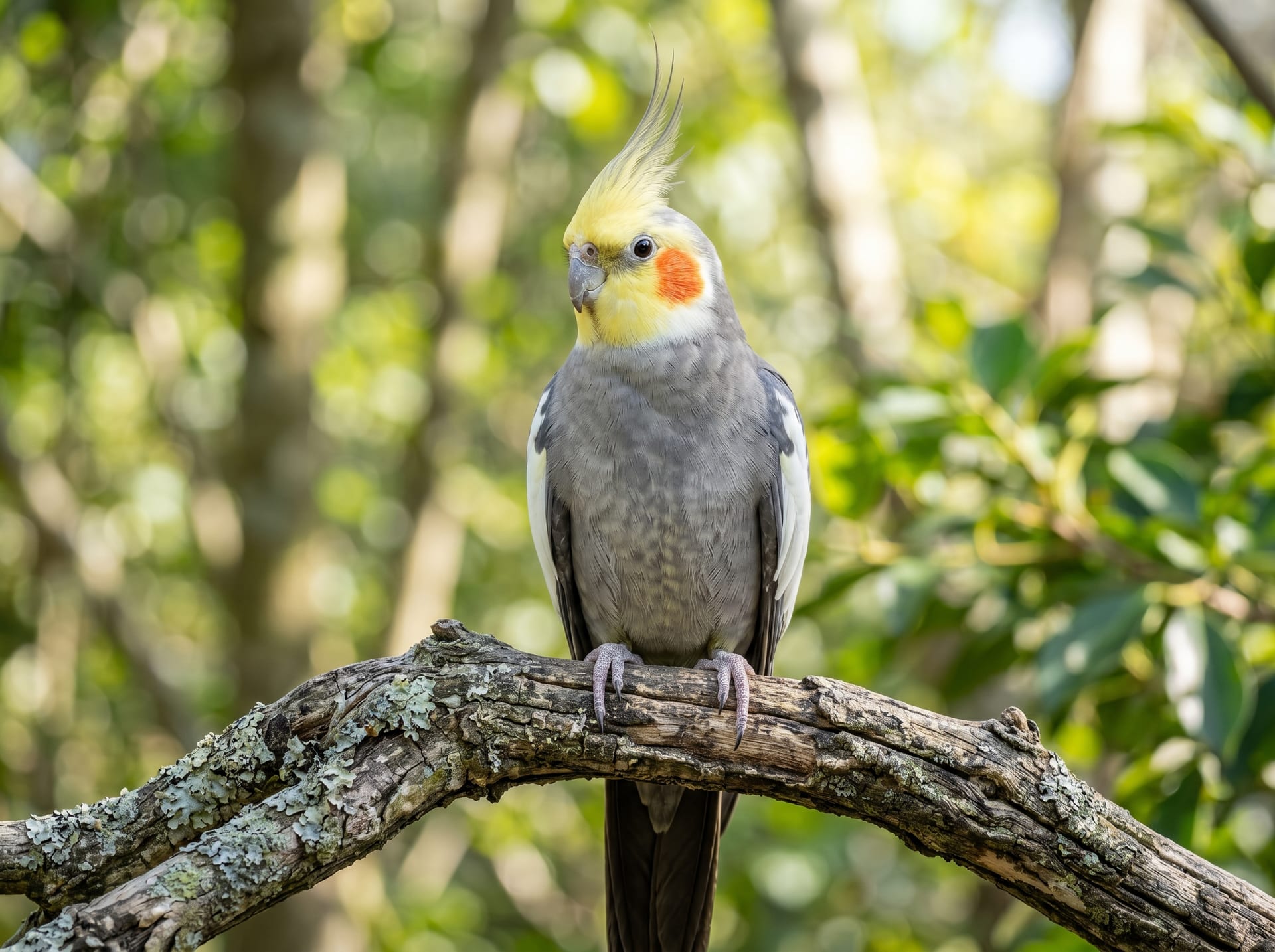
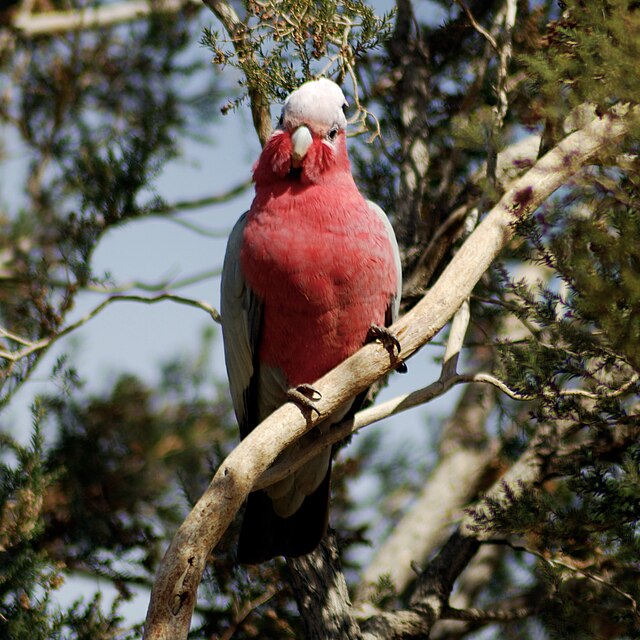
Boredom (lack of environmental enrichment), loneliness (long periods alone), fear and stress (sudden environmental changes, loud noises), sexual frustration (breeding season stress), social stress (compatibility issues in multi-bird households), and chronic sleep deprivation can trigger feather plucking. Species such as African Grey Parrots, Galah Cockatoos, and Cockatiels are particularly susceptible, as they are highly intelligent and sensitive, making environmental stress more likely to directly result in feather plucking.
Captive birds have far fewer behavioral options compared to wild birds. In the wild, birds spend most of their day foraging, flying, and engaging in social interactions, but in captivity, food is readily available, flight space is limited, and companions are often absent. The behavioral mechanism of feather plucking is essentially filling this behavioral "void."
Solutions Through Environmental Enrichment
Introducing Foraging Behavior
This is one of the most effective solutions. Place food in foraging toys to give your bird the enjoyment of searching for food. You can start with simple options like placing food in a paper cup and covering it with paper. Wild birds spend approximately 6-8 hours per day foraging, and recreating this behavior can significantly reduce boredom. Cardboard, pinecones, and toilet paper tubes are also safe and enjoyable foraging materials.
Enriching and Rotating Toys
Install chewable wood toys, rope perches, swings, and other items in the cage. Importantly, rotate these regularly. Since birds become bored with the same toys and they lose their stimulating effect, rotating them every two weeks or so is ideal.
Out-of-Cage Time and Social Interaction
Provide a minimum of one hour of out-of-cage time daily, ideally 2-3 hours. Flight is the most effective exercise and stress relief. Playtime with the owner is important social interaction for birds and directly prevents feather plucking.
Appropriate Sleep Environment
Birds need 10-12 hours of dark, quiet sleep. They may not sleep adequately in a living room with the television on, so it is ideal to provide a separate, quiet room for sleeping.
Behavioral Modification Approach
Responding to Feather Plucking: Scolding or raising your voice is counterproductive. Birds learn that "plucking feathers gets a response from the owner" and will repeat the behavior to get attention. Quietly ignore feather plucking behavior and actively praise and play with your bird when it is not plucking.
Reinforcing Alternative Behaviors: When your bird chews toys or engages in foraging instead of plucking, praise it or reward it with treats to reinforce these behaviors.
Use of Elizabethan Collar: In severe cases, a veterinarian may recommend using an Elizabethan collar to physically prevent feather plucking, but this is a temporary measure, not a fundamental solution. It must always be used in conjunction with addressing the underlying cause.
Working Toward Long-Term Improvement
Once feather plucking becomes habitual, it is difficult to cure completely, and sustained effort over months to years is necessary. Improvement and relapse may cycle, but the most important thing is to persist with environmental improvements. By continuing regular veterinary check-ups, adequate interaction time with the owner, enriched environmental enrichment, and proper diet and sleep, many birds will experience symptom improvement.
Welcoming a Healthy Bird at BreederDirect
At BreederDirect, you can purchase healthy birds that have been raised in appropriate environments directly from breeders. To reduce the risk of feather plucking, it is important to select individuals that have been well-socialized during the fledgling stage. Particularly for species like African Grey Parrots and Cockatiels that are highly intelligent and stress-sensitive, the way they are raised during the fledgling stage greatly affects their emotional stability as adults. Being able to consult with breeders about an individual bird's temperament and stress tolerance is a significant advantage unique to direct sales from breeders.
Don't Forget About the Owner's Mental Care
Treatment of feather plucking is often a long-term process, and it is not uncommon for owners to become exhausted. There is no need to blame yourself, thinking "It's my fault the feather plucking won't go away." Feather plucking results from multiple factors, and it can occur even if you provide a perfect environment. By exchanging information with fellow bird keepers or bird-related communities on social media and consulting regularly with a veterinarian, you can reduce the mental burden while continuing treatment. True resolution lies in ensuring that both the bird and the owner can live healthy, happy lives.