Emergency Guide to Egg Binding in Birds | Symptoms, First Aid, and Prevention | ブリちょく
Birds| ✍️ BreederDirect Editorial
Emergency Guide to Egg Binding in Birds | Symptoms, First Aid, and Prevention
This guide explains the symptoms of egg binding in female pet birds and emergency response procedures. It covers first aid through heat therapy, how to determine when to transport to an avian veterinary clinic, and detailed prevention methods including calcium supplementation and minimizing breeding stimulus.
Key Takeaways
This guide explains the symptoms of egg binding in female pet birds and emergency response procedures. It covers first aid through heat therapy, how to determine when to transport to an avian veterinary clinic, and detailed prevention methods including calcium supplementation and minimizing breeding stimulus.
What is Egg Binding?
Egg binding (formal term: egg impaction; English: egg binding) refers to a condition where a female bird cannot expel an egg outside her body. When the egg becomes stuck in the cloaca and remains within the body, it can rapidly progress into a life-threatening emergency.
✍️
BreederDirect Editorial
The BreederDirect editorial team specializes in care information for animals, covering veterinary care and breeding to deliver beginner-friendly guides.
Find Birds on BreederDirect
Buy directly from verified breeders
Browse Related Listings
Find Birds listings related to this article on BreederDirect. Buy directly from verified breeders.
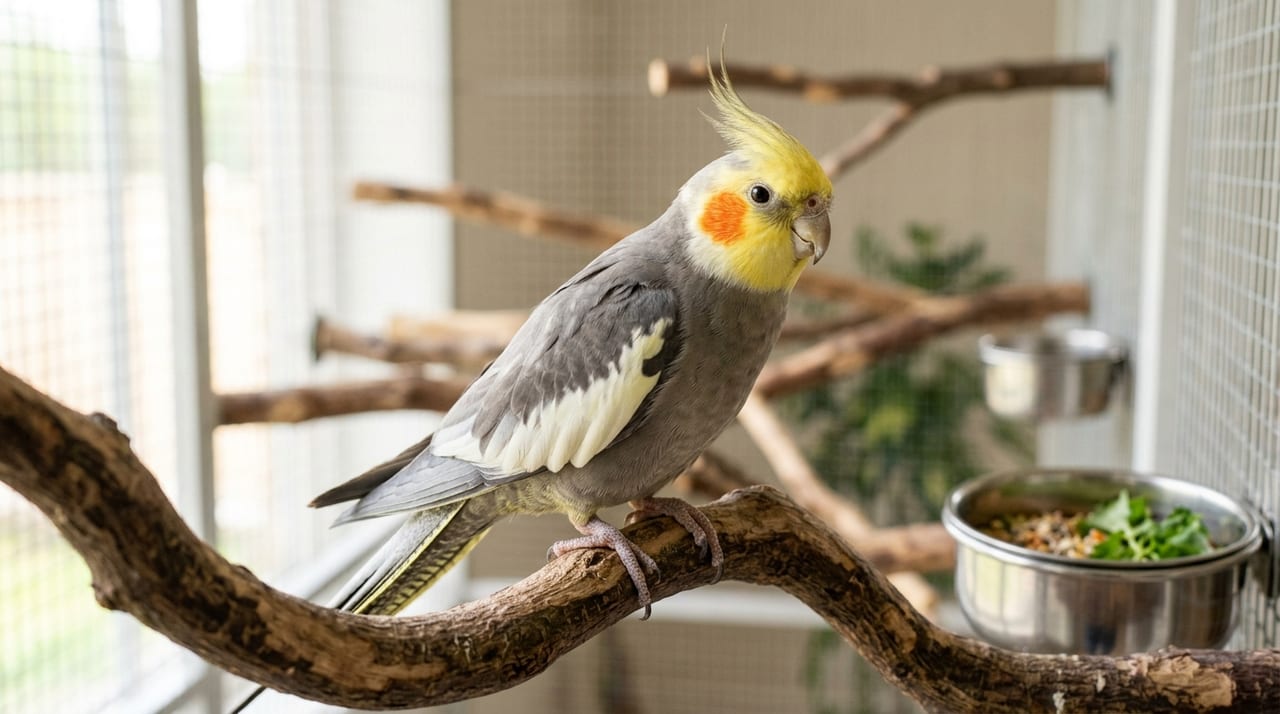
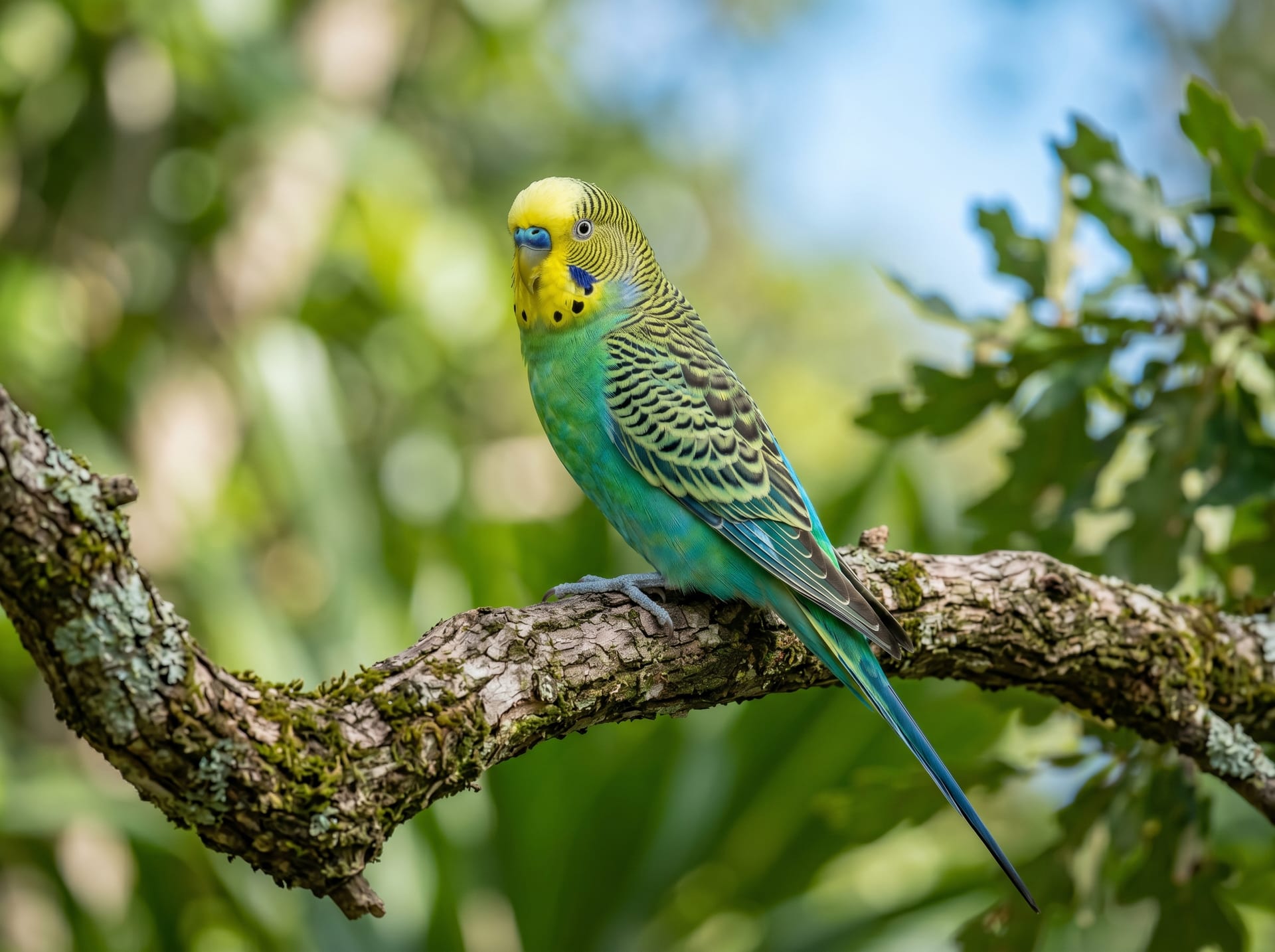
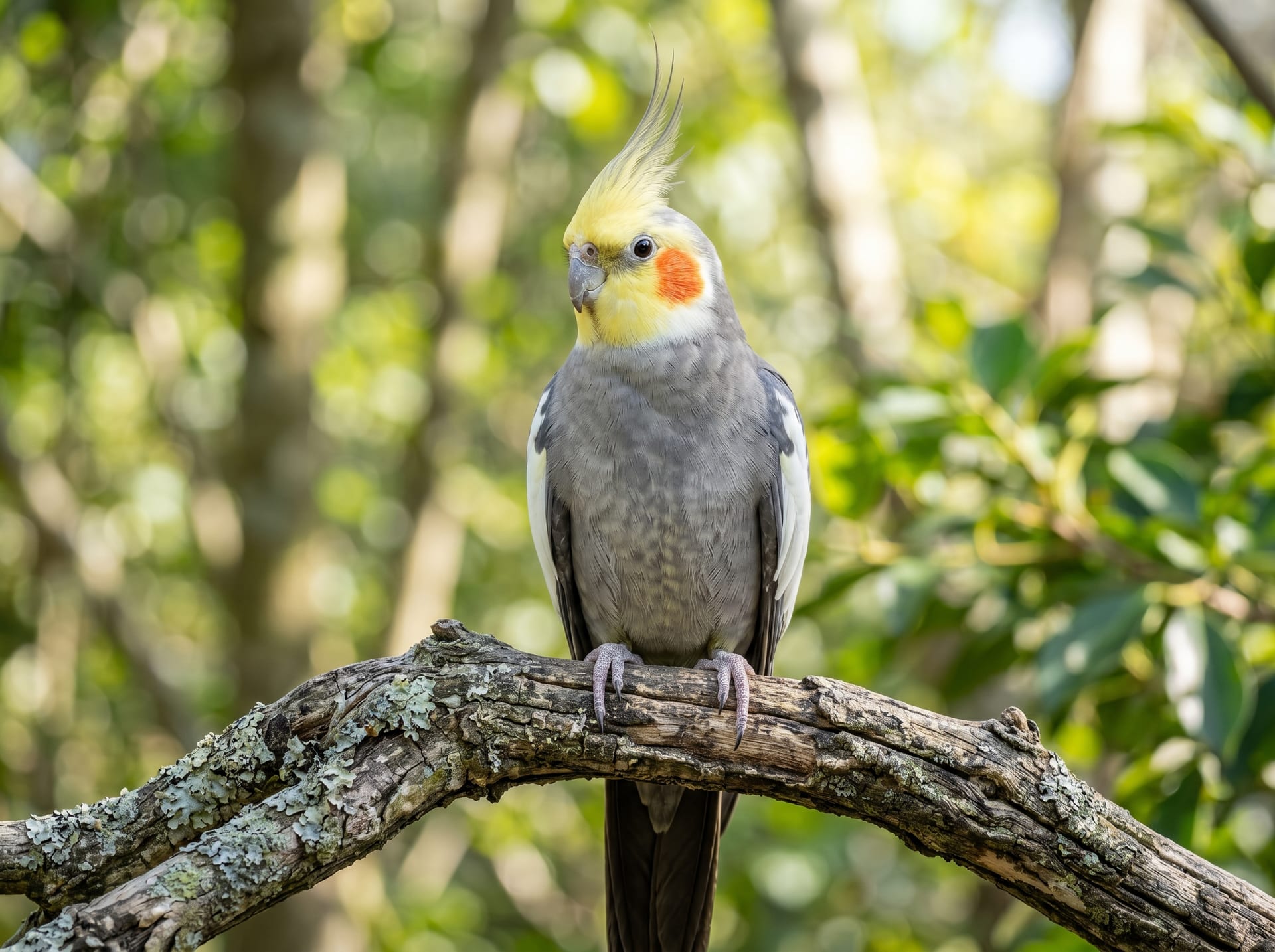
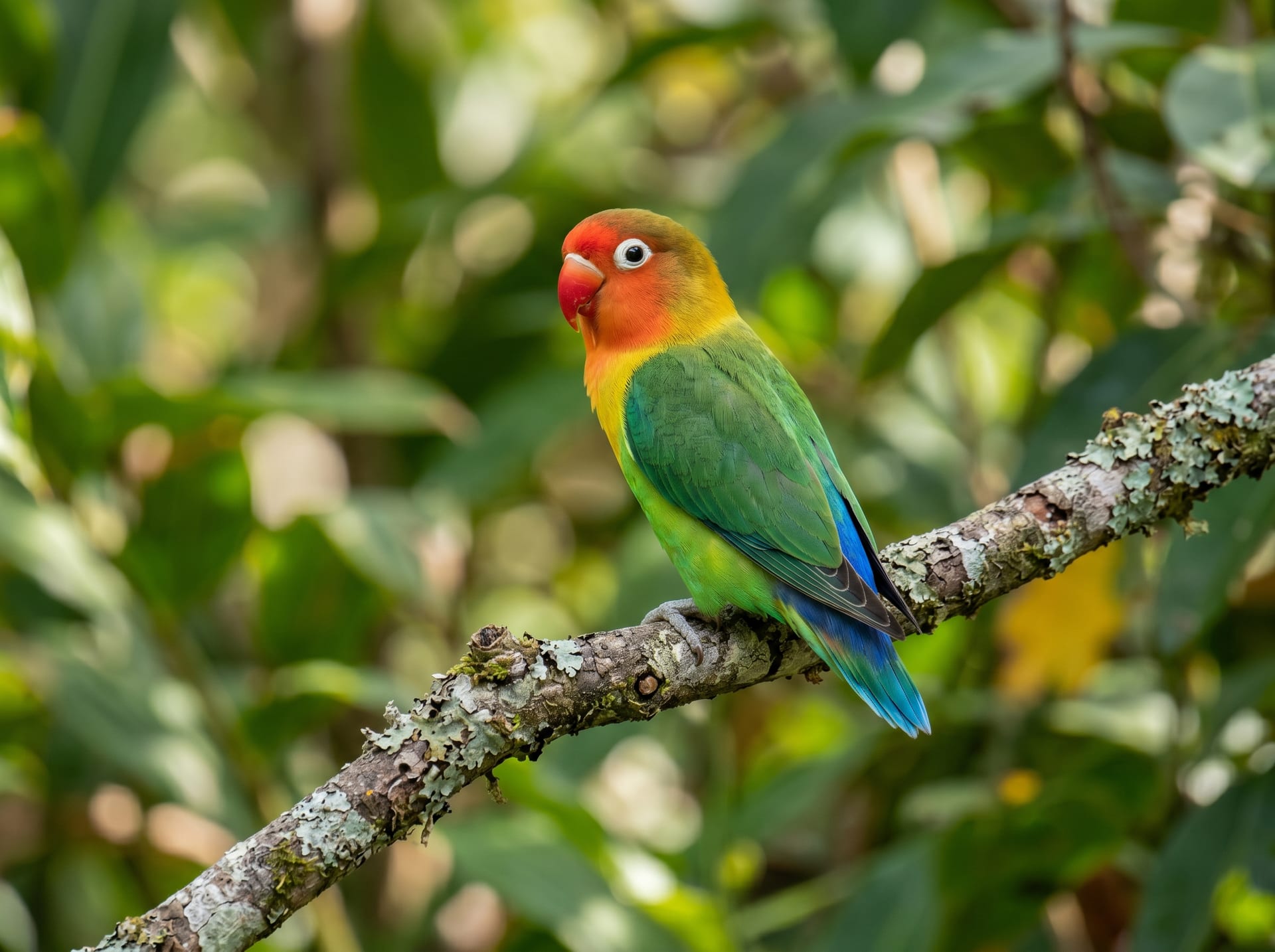
This condition is particularly common in small to medium-sized birds such as budgies, cockatiels, lovebirds, and canaries. Young females with limited egg-laying experience, birds in poor nutritional condition, and those kept in cold environments are at higher risk. Breeding season or excessive breeding stimuli (such as nesting materials or mirrors) are often triggering factors.
---
Symptoms You Cannot Afford to Miss: A Checklist
Egg binding progresses rapidly, and delayed detection can result in death within 24-48 hours. If any of the following symptoms appear, immediate action is required.
Behavioral Changes
- Lethargy, sitting on the bottom of the cage (unable to perch)
- Vigorous up-and-down tail bobbing (straining movements)
- Puffed feathers while remaining still
- Sudden loss of appetite
Physical Changes
- Swollen or distended abdomen (lower belly to cloaca area), or a hard lump when touched
- Redness around the cloaca, or part of an egg visible
- Lack of droppings, or diarrhea and slimy feces
- Weakness in the legs, or paralysis of one or both legs (when the egg is pressing on the sciatic nerve)
Leg paralysis is an especially dangerous sign. It indicates that the egg is pressing on nerves within the pelvis, and its appearance significantly increases the emergency priority. Even if your bird seems "a bit off," if she is a female during breeding season, it's worth suspecting egg binding.
---
First Aid You Can Provide at Home
You can stabilize your bird's condition with the following first aid measures while heading to the veterinary clinic. However, these are strictly "temporary measures to buy time until reaching the hospital"—do not attempt home treatment alone.
Heat Support is the Priority
When body temperature drops, muscle contraction weakens, making egg expulsion even more difficult. Cover the entire cage with plastic sheeting or towels, maintaining an internal temperature of 28-32°C (82-90°F). Use a pet heater or heat pack (avoiding direct contact). In some cases, heat therapy alone can stimulate natural egg laying.
Steam Bath
Fill a basin with warm water (around 40°C/104°F) and apply steam around the cloaca area to warm the surrounding muscles. Rather than submerging directly, use steam application. Apply for about 5-10 minutes, then return the bird to the warming box. Relaxing the muscles can help promote egg laying.
Olive Oil Application (Use Caution)
Only if the egg is visible near the cloaca opening, apply a small amount of olive oil on a cotton swab to the cloaca area to improve lubrication. Do not stimulate blindly if the egg is not visible.
Never do this: Attempt to forcibly push the egg out. If the egg breaks and fragments remain in the body, peritonitis can develop, which is fatal.
---
Treatment at an Avian Veterinary Clinic
If home first aid shows no improvement or symptoms are severe, promptly visit an avian veterinary clinic (exotic animal specialty).
Hormone Therapy (Oxytocin Injection)
The most common treatment method. Oxytocin, a hormone that promotes uterine contractions, is injected to assist natural egg laying. A full body check is always performed before administration.
Fluid Therapy and Electrolyte Support
Dehydration and hypocalcemia can occur as causes or consequences of egg binding. Correcting body fluids through IV therapy often restores muscle function and leads to egg laying.
Egg Aspiration (Trancloacal Egg Aspiration)
If the bird cannot expel the egg on her own, the veterinarian will use a needle to aspirate the egg contents, collapse the egg, and remove the shell. This is a risky procedure requiring an experienced avian veterinarian, but is effective when medical management fails.
Surgical Intervention
In severe cases, surgical removal of the egg via laparotomy may be necessary. Due to anesthetic risk, this is only performed when the bird is in stable overall condition.
---
Preventing Egg Binding
Prevention is the most important aspect of managing egg binding. Even if breeding is not your goal, proper daily care can significantly reduce the risk if you keep female birds.
Nutrition Management
Calcium deficiency leads to poor eggshell formation and reduced muscle function, making it a major factor in egg binding. While using pellets as a base diet, provide cuttlebone or calcium supplements appropriately. If feeding primarily seeds, vitamin D deficiency is common, so incorporating UV lighting or sunbathing (15-30 minutes daily) is also effective.
Minimize Breeding Stimulus
- Remove nesting boxes and nesting materials when not needed
- Avoid mirrors as they can trigger reproductive behavior
- Adjust photoperiod (excessive light duration prolongs breeding)
- Excessive handling can trigger breeding behavior (especially control excessive stroking of the back and wing base)
Exercise and Temperature Management
Lack of exercise leads to muscle weakness. Ensure out-of-cage time and adequate activity. Additionally, sudden temperature drops, especially in winter, reduce muscle strength. Maintain an environment of 20-25°C (68-77°F).
Regular Health Check-ups
Have annual health check-ups with an avian veterinarian to identify potential risks early. For birds that experience recurrent egg binding, continuous hormone therapy (ovulation suppression) is also an option.
---
Summary: Speed Saves Lives
Egg binding is too dangerous a condition to assume "it might resolve on its own." If your female bird loses vitality during breeding season, suspect egg binding first, provide heat and humidity first aid, and contact your veterinary clinic as soon as possible.
The foundation of egg binding prevention is maintaining balanced nutrition with calcium, providing adequate exercise, and managing breeding stimulus. Do not assume "my bird is still young, so she's safe"—young females laying for the first time actually face higher risk. Correct knowledge and swift action are most important to protect these precious lives.