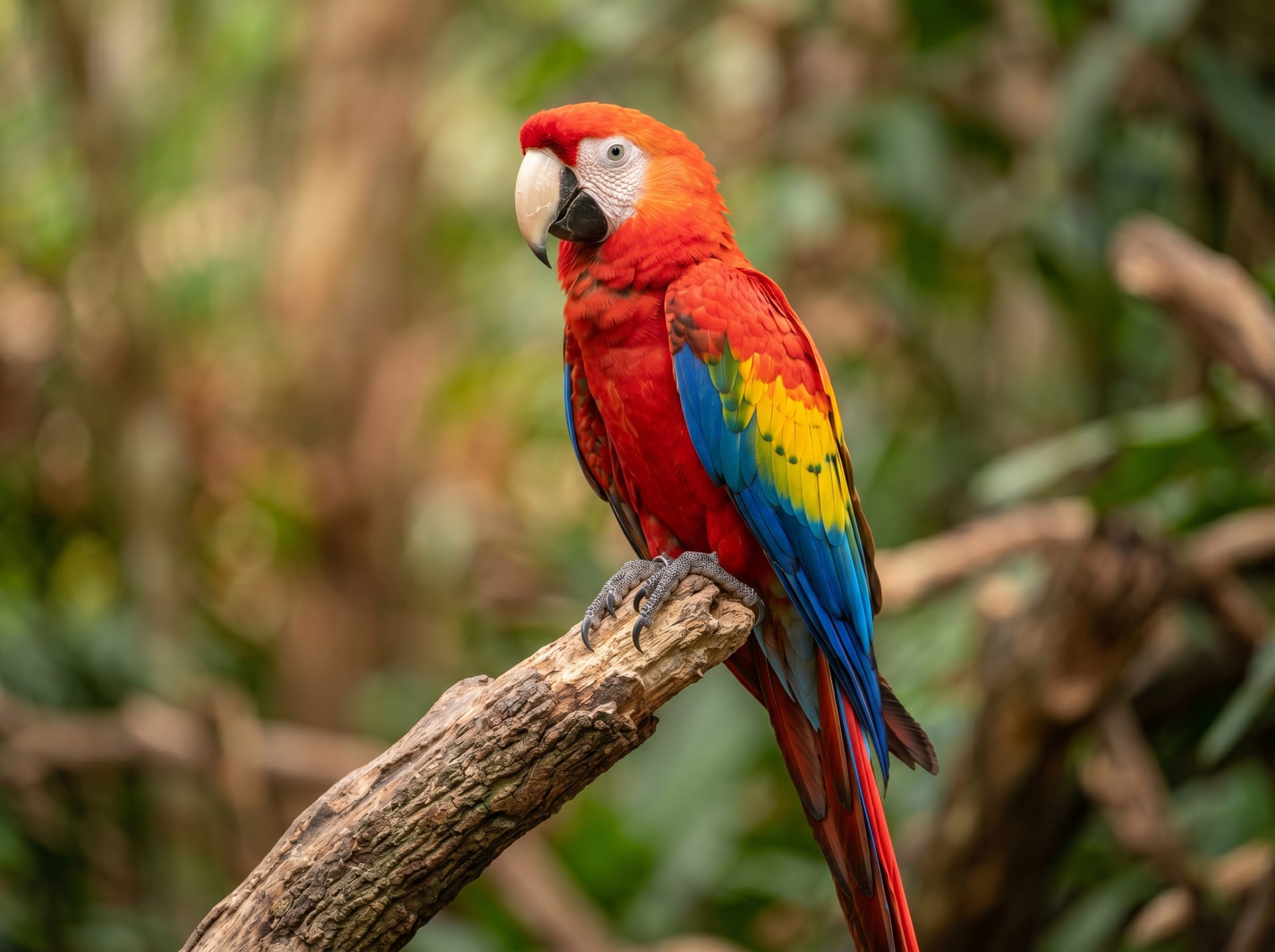
Why DNA Sex Determination is Necessary
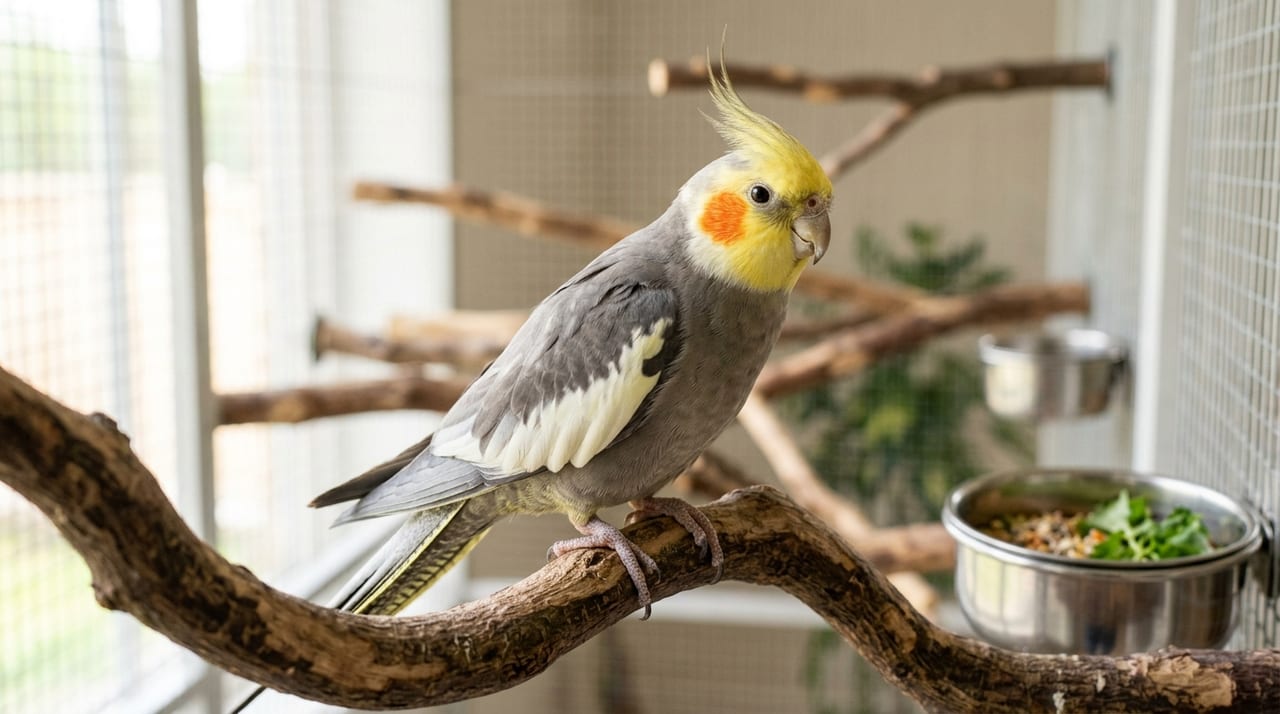
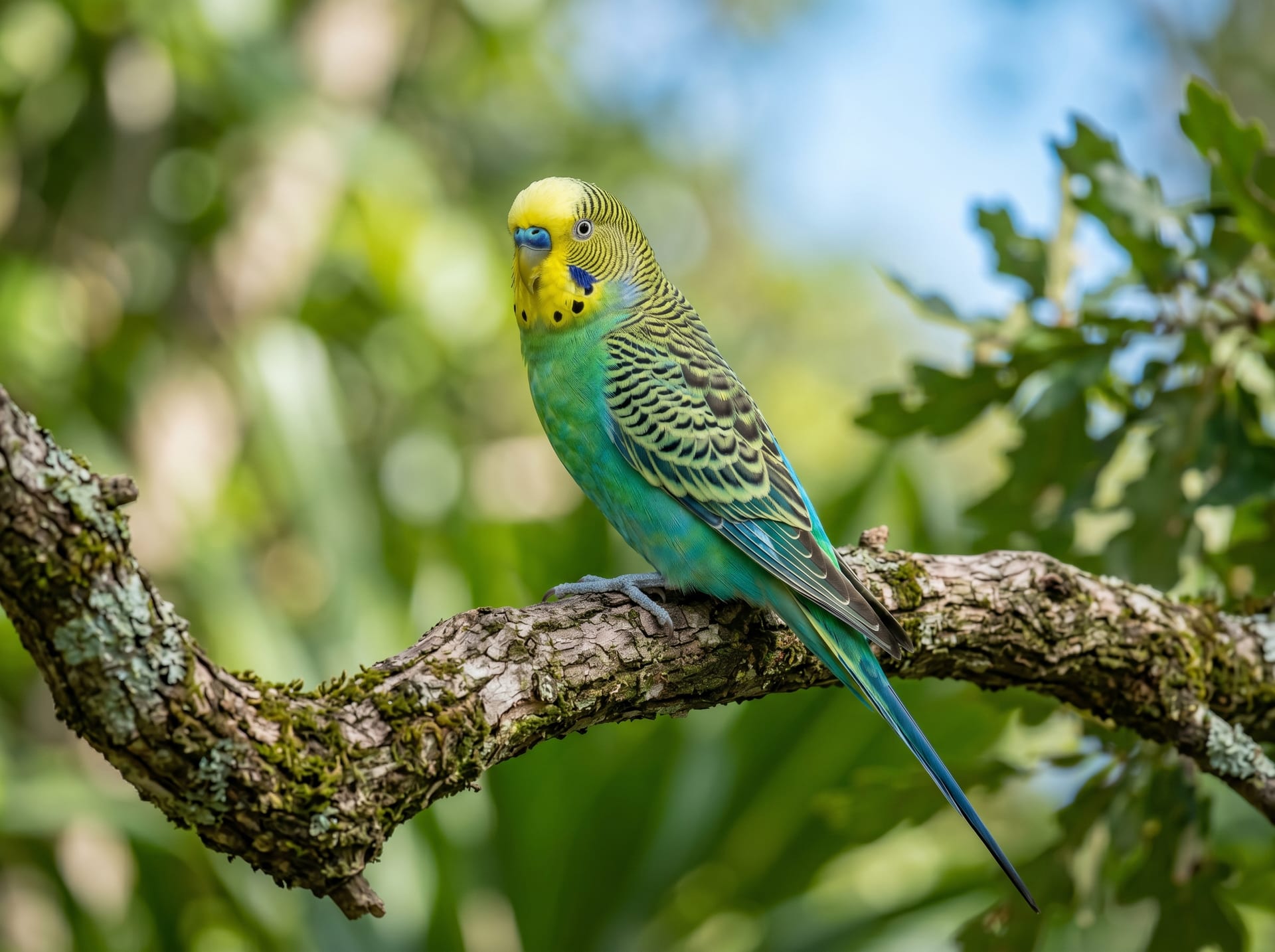
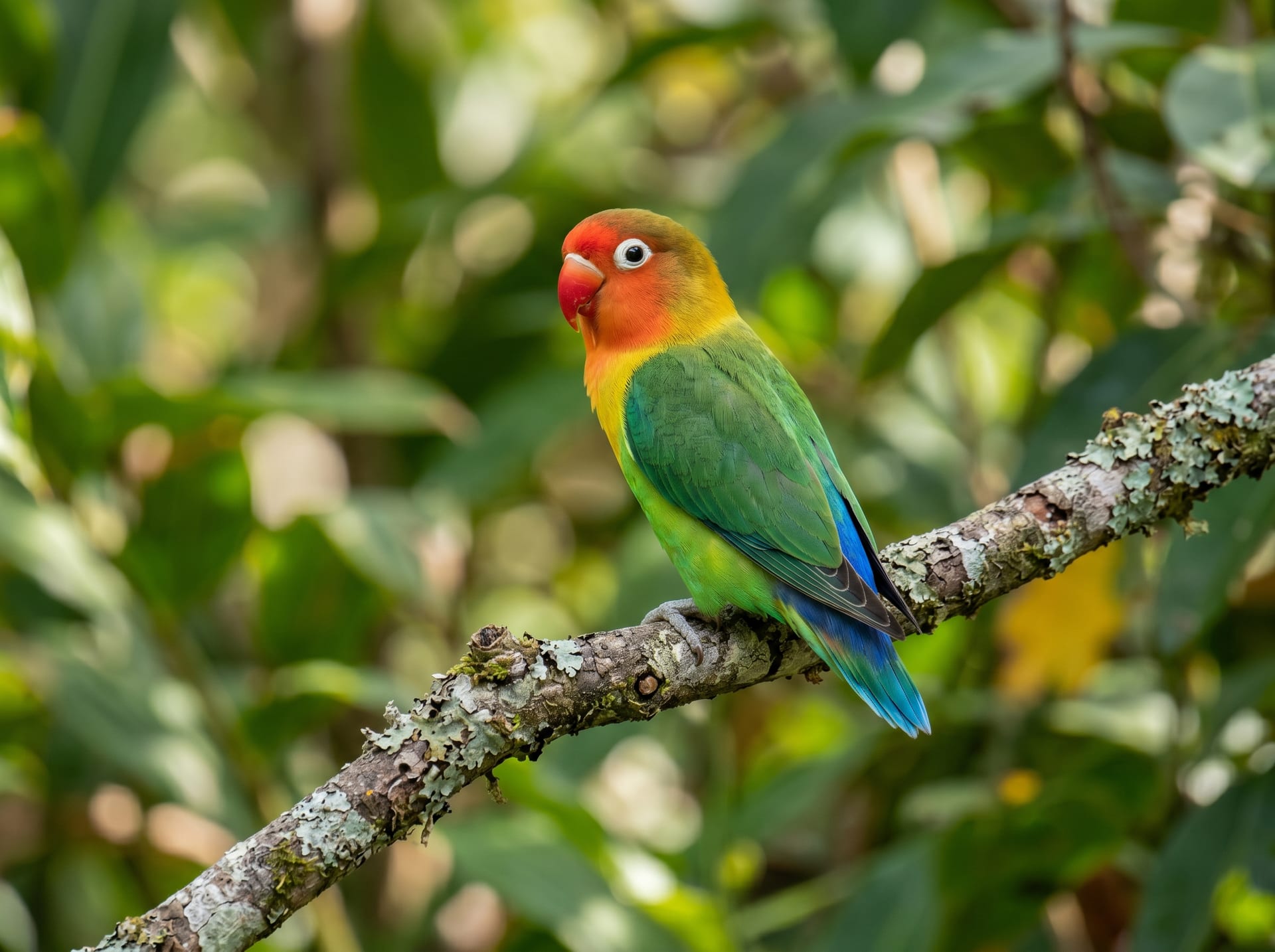
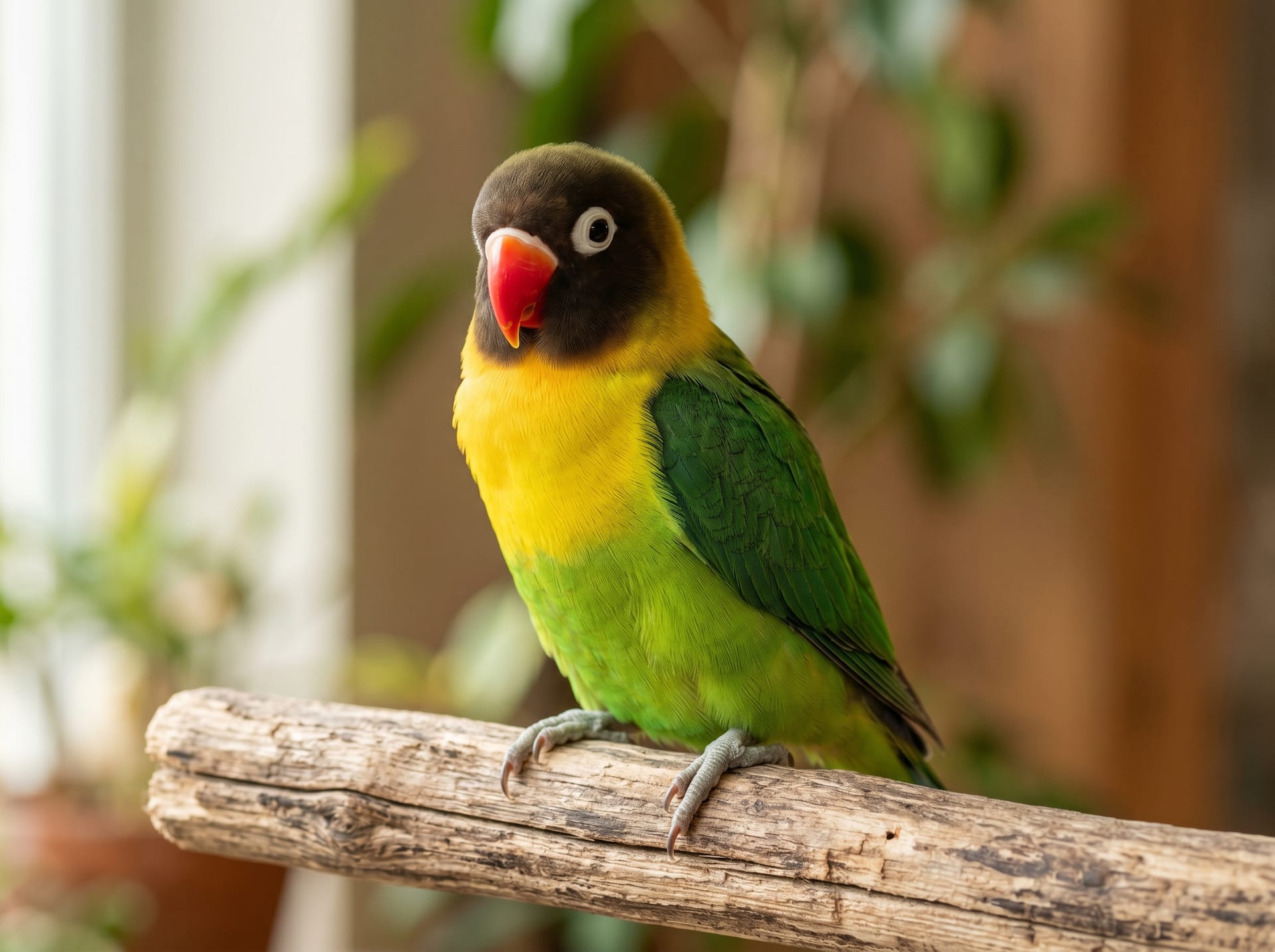
Many parrot and parakeet species (budgerigars, lovebirds, button quails, macaws, cockatoos, etc.) remain visually indistinguishable by sex even in adulthood when examined by feather color, body structure, or behavior. Such species are called "sexually monomorphic."
For breeders aiming to establish breeding pairs, placing birds of uncertain sex in a nestbox wastes not only time and money—it leads to territorial conflicts between same-sex individuals, infertile eggs, and breeding record management errors. DNA sex determination is a scientific method that analyzes genetic material (Z and W chromosomes) from a blood or feather sample to determine sex with 99.9%+ accuracy. The cost is approximately ¥1,000–3,000 per bird, with results available in several days to one week.
Bird Sex Chromosome Systems
While mammals (humans, dogs, cats, etc.) have XY sex chromosomes in males and XX in females, birds use the opposite system.
| Male (Osu) | Female (Mesu) |
|---|
| Sex Chromosome | ZZ | ZW |
| DNA Testing Detection | Z band only | Both Z and W bands detected |
DNA testing uses PCR (polymerase chain reaction) to detect the genetic sequence unique to the W chromosome (CHD-W). The presence of a W band indicates "female"; its absence indicates "male."
Sample Collection Methods
1. Feather Sample (Most Common)
The base of feathers (follicle region) contains cells; DNA can be extracted from growing "blood feathers" or freshly sprouted feather bases.
Collection procedure:
- Prepare a clean, dry pair of tweezers (sterilize with alcohol and allow to dry)
- Quickly pluck 3–5 feathers from the chest or flank at the base
- Once the feathers are dry, place them in a plastic bag or envelope provided with the test kit
- Write down your name, individual identification number, and collection date
- Mail the sample, avoiding direct sunlight and high humidity
Important: Feathers that naturally fell after molting contain no cells and cannot be used. Always use feathers plucked from the base.
2. Blood Sample (Accuracy Priority · Large Species)
A small amount of blood (1–3 drops) from nail trimming or a blood sample drawn from a foot vein is applied to an FTA collection card or DNA storage sheet. This method yields more DNA and provides greater stability than feather samples, making it recommended for large parrot species or when accuracy is the highest priority.
Ideally, a veterinarian specializing in birds should draw the blood. However, experienced breeders sometimes collect blood from a slightly trimmed nail quick and apply it to a test sheet.
3. Eggshell Membrane (Post-Hatch Application)
The membrane inside the eggshell (chorioallantoic membrane) also retains fetal cells. By keeping the eggshell in a clean envelope immediately after hatching and sending it for testing, you can determine the chick's sex non-invasively.
Determining sex at the post-hatch stage allows early planning of pair adjustments for male-heavy clutches, making this method increasingly popular among advanced breeders.
DNA Testing Laboratories (Domestic & International)
Domestic Testing Facilities
| Facility Name | Price Range | Turnaround | Sample Types |
|---|
| ID Genomics (formerly Bird DNA) | ¥1,500–2,000/bird | 3–7 business days | Feathers, blood |
| Japan Bird Clinic | ¥2,000–3,000/bird | 5–10 business days | Blood (consultation required) |
| DNA-F (Avian Testing Service) | ¥1,000–1,500/bird | 3–5 business days | Feathers, eggshell membrane |
International Testing Facilities
The UK, US, and Australia have several laboratories specializing in avian DNA testing.
- AVIAN BIO TECH International (USA): The world's largest avian DNA testing facility. Feather samples only. Approximately $16–$22 per bird.
- Featherbase Avian Laboratory (UK): Specializes in eggshell membrane testing. Approximately £10–£15 per bird.
International labs sometimes offer lower costs, but international shipping risks sample degradation and import/customs complications. They are best suited for large batches where cost is the priority.
Reading Results and Recording Management
Test reports from laboratories include the individual ID, sample type, detected genetic bands, and sex determination (Male/Female).
Upon receiving results, add the following information to your breeding records:
- Individual identification number (leg band number, etc.)
- Testing facility name
- Testing date
- Result (ZZ = Male / ZW = Female)
- Storage location of test certificate (PDF backup recommended)
This record becomes proof of "sex-verified" documentation when selling the bird in the future. It builds buyer confidence and leads to fair-market pricing.
Breeding Pair Confirmation and Nestbox Introduction Workflow
Here is a practical workflow for confirming breeding pairs and introducing them to nestboxes after receiving DNA test results.
Step 1: Individual Sex Confirmation
- Conduct DNA testing on all chicks within a clutch
- Assess the male-to-female ratio (typically around 60:40 to 70:30)
Step 2: Compatibility and Health Assessment
- House confirmed-sex birds as candidate pairs in adjacent cages for mutual recognition (2–4 weeks)
- Observe for aggressive behavior or excessive avoidance
- Verify that body weight and health status are suitable for breeding (underweight or previously ill birds should be treated before breeding)
Step 3: Breeding Preparation and Nestbox Introduction
- After confirming compatibility, transfer the pair to a breeding cage (sufficiently large)
- Install a nestbox and allow 10–14 days for acclimation
- Stimulate breeding by adjusting daylight to 14–16 hours (photoperiod manipulation)
- Transition to a high-protein, high-calcium diet (necessary for egg-laying females)
Step 4: Egg-Laying and Hatch Monitoring
- Record each stage: mating behavior → egg-laying → candling → hatching
- Fit leg bands on chicks as they hatch and link the band to their DNA information for management
Summary: DNA Sex Determination Offers the Highest ROI for Breeders
The ¥1,500–2,000 per-bird cost of DNA testing is negligible compared to the time, feed, and opportunity costs of failed breeding attempts with birds of uncertain sex. Especially for rare and high-value species, confirmed sex determination dramatically increases breeding productivity.
On the breeder direct-sales platform "BreederDirect" (BreederDirect), you can clearly label DNA-verified individuals and publish detailed breeder information. Take full advantage of this trustworthy trading environment where you can purchase confirmed-sex, healthy birds directly from breeders.