Common Bird Diseases and Prevention Measures
Explains the symptoms, causes, and treatment methods for common bird conditions including PBFD, megabacteriosis, crop inflammation, and feather plucking. Also introduces the importance of regular health check-ups and daily health monitoring tips.
Key Takeaways
Explains the symptoms, causes, and treatment methods for common bird conditions including PBFD, megabacteriosis, crop inflammation, and feather plucking. Also introduces the importance of regular health check-ups and daily health monitoring tips.
Related Species
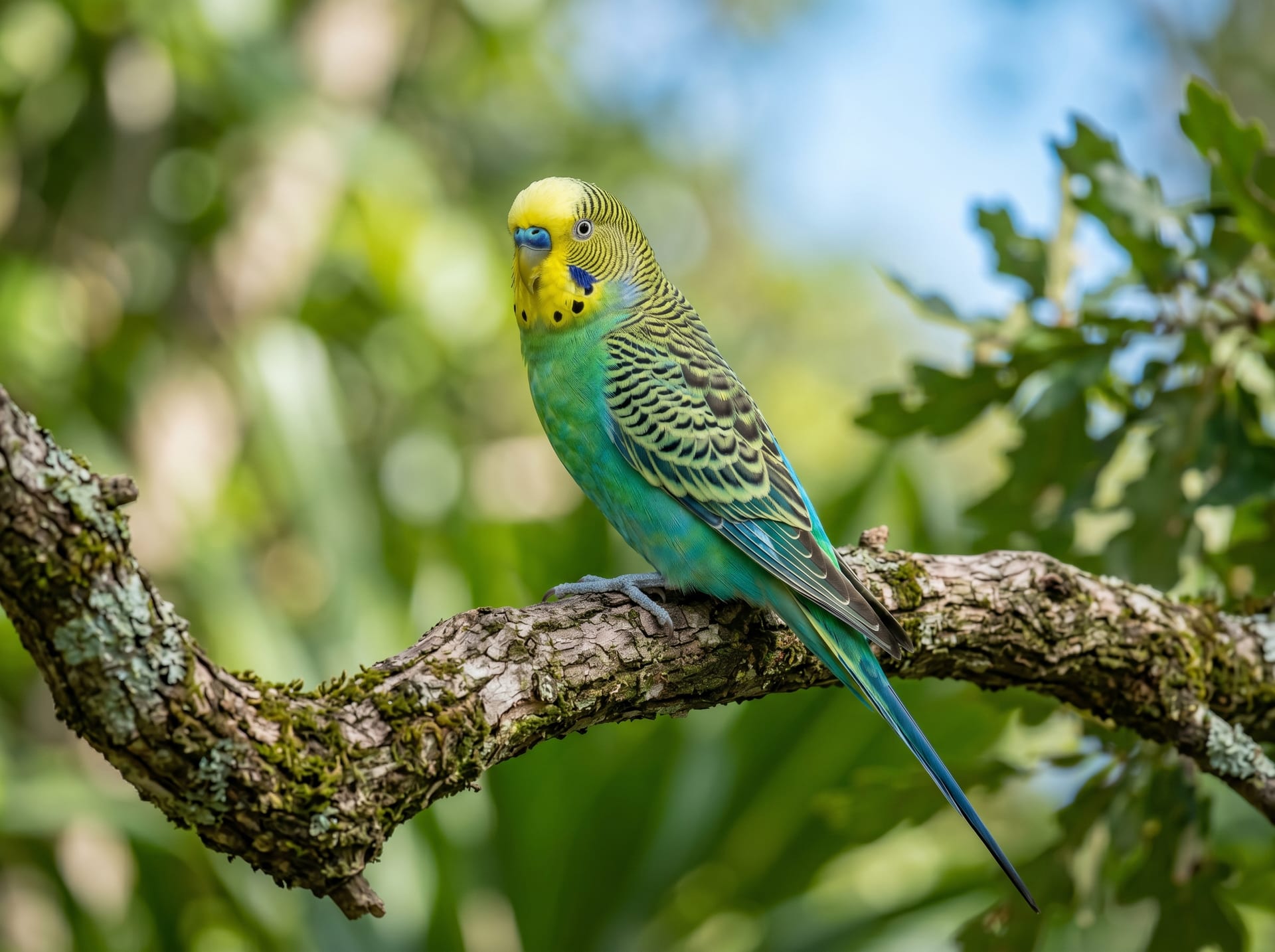
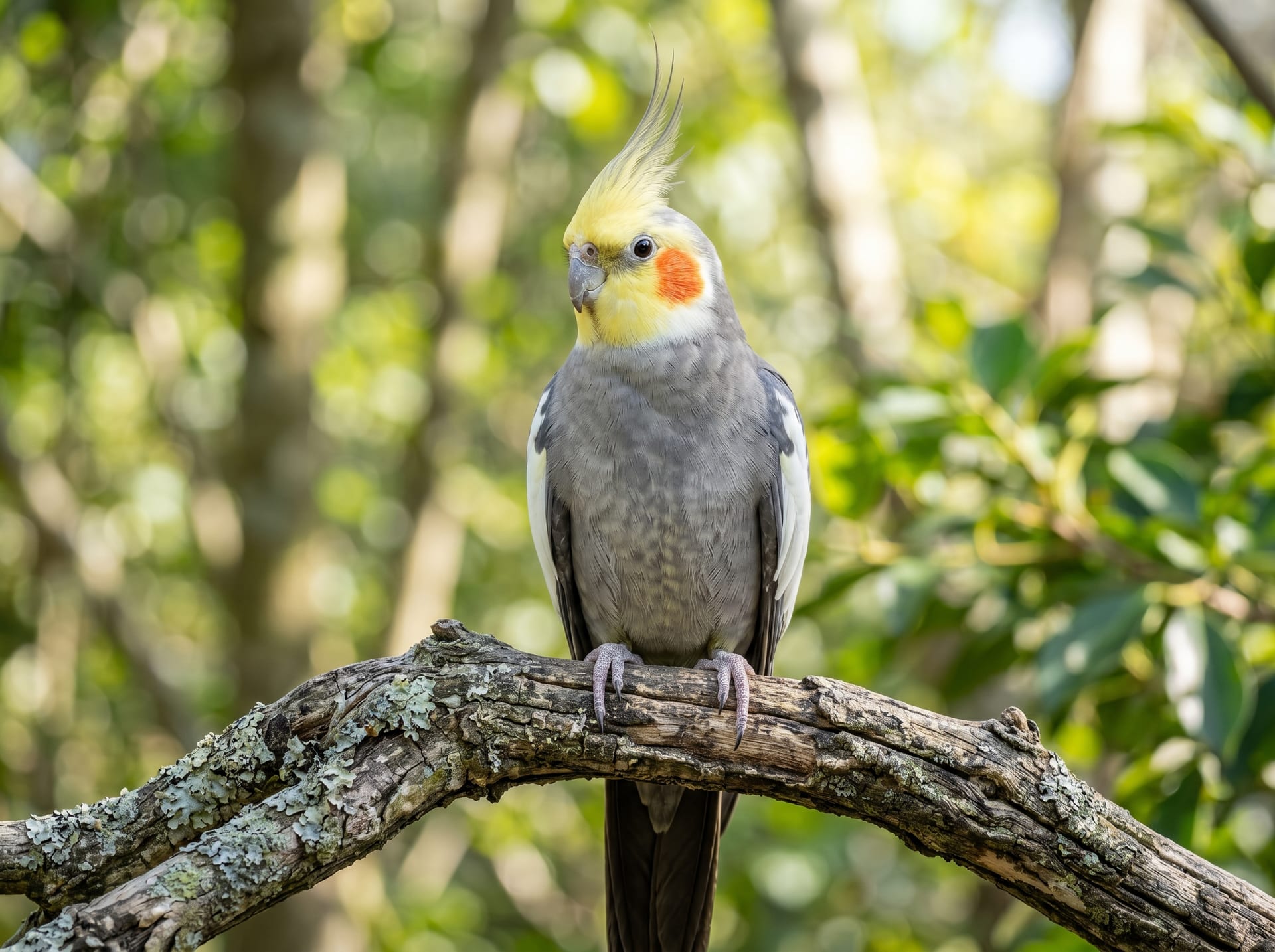
Birds have a natural instinct to hide signs of illness in the wild to avoid showing weakness to predators. As a result, by the time an owner notices something unusual, the disease is often quite advanced. Daily careful observation and regular health management are the greatest preventive measures to protect your bird's life. In this article, we will explain common bird diseases that are easy for birds to contract, how to deal with them, and key prevention tips that can be done daily in an easy-to-understand manner.
Detecting Bird Illness Early
Bird health changes appear in subtle signs in behavior and appearance. If you notice any of the following changes, consult with an avian veterinarian as soon as possible.
- Puffed-up feathers while sitting still: A sign that the bird is trying to maintain body temperature, indicating distress
- Loss of appetite and weight loss: By weighing your bird at the same time each day, you won't miss even slight changes
- Changes in droppings: Watery, discolored, or bloody droppings can indicate illness
- Reduced vocalizations or changes in voice quality: An indicator of your bird's energy level
- Deformed beak or nails, abnormal feathers: Can be caused by viral infection or nutritional deficiency
Daily weighing is especially important—a weight loss of 5–10% or more compared to the previous day is cause for concern. Since small birds have light body weight, even minor fluctuations can have significant implications. For basic information on bird care, please also see our Complete Guide to Bird Care.
Common Diseases, Symptoms, and Treatment
Megabacteriosis (Macrorhabdosis)
A digestive disorder particularly common in budgies and cockatiels. It develops when a yeast-like fungus called Macrorhabdus parasitizes the digestive tract.
- Main symptoms: Weight loss, regurgitation, indigestion, undigested droppings
- Causes: Contact with infected birds, weakened immunity due to stress, etc.
- Treatment: Confirm diagnosis through fecal examination by an avian veterinarian, then administer antifungal medication (such as amphotericin B) orally. Early detection and treatment significantly improve recovery rates
Crop Inflammation (Crop Infection)
An infection of the crop (the organ that temporarily stores food) caused by bacteria or fungi reproducing in this area. It is particularly common in chicks undergoing hand-training.
- Main symptoms: Crop swelling or heat, regurgitation, lethargy, loss of appetite
- Causes: Unsanitary hand-feeding environment, improper feeding temperature (too cold or too hot), unclean feeding utensils, etc.
- Treatment: Veterinary examination to identify the causative organism, followed by antibiotic or antifungal medication. Maintaining strict hygiene in the hand-feeding environment before bringing home a chick is key to prevention
Feather Plucking
Excessive self-plucking of feathers, resulting in an distressing appearance. Rather than a physical illness, this condition is often caused by psychological or environmental factors, requiring a comprehensive approach.
- Main symptoms: Exposed areas where feathers have been plucked, redness or injury to the skin
- Causes: Loneliness, boredom, environmental changes and other stressors; skin disease or allergies; nutritional deficiency
- Treatment: Environmental enrichment through adding toys and perches to create a more stimulating environment, adequate communication with the owner, and providing a balanced diet. If the cause is a skin condition, veterinary treatment is necessary
PBFD (Psittacine Beak and Feather Disease)
A viral infection specific to parrots and related species, caused by circovirus. Due to its high contagiousness and lack of curative treatment, prevention and isolation are critical.
- Main symptoms: Feather deformity or loss, deformation or brittleness of beak and nails, secondary infections due to weakened immunity
- Causes: Contact with feather dust, droppings, or secretions from infected birds
- Treatment: There is no cure; management focuses on supportive care and maintaining immune function. An infected bird must be completely isolated from other birds, and the cage and all equipment must be thoroughly disinfected
Chlamydiosis (Psittacosis)
A zoonotic disease, so consideration must be given to the risk of infection to the owner.
- Main symptoms: Respiratory distress, eye discharge, nasal discharge, loss of appetite, diarrhea
- Causes: Infection by the bacterium Chlamydia psittaci
- Treatment: Antibiotic therapy (such as doxycycline). Since the owner may also become infected, consult a human physician if you experience any symptoms
Daily Prevention Tips
Many bird diseases can be prevented through proper environmental and nutritional management. Keep the following points in mind.
Environmental Management
- Proper temperature control: Maintain 25–28°C (77–82°F) and avoid sudden temperature changes
- Keep the cage clean: Remove droppings and leftover food daily; thoroughly wash and disinfect the entire cage weekly
- Ventilation and sunlight: While avoiding direct sunlight, promote vitamin D synthesis with appropriate sunbathing (about 30 minutes daily)
- Quarantine new birds: Keep any new bird in a separate space from existing birds for at least 2–4 weeks before allowing contact, after confirming health
Nutritional Management
- Use pellets as the primary diet: A seed-only diet tends to be nutritionally unbalanced. Supplement pellets with vegetables and fruits for a balanced diet
- Calcium and vitamin supplementation: For bone and beak health, use cuttlebones, mineral blocks, or bird-specific supplements
- Replace water daily: Water dishes are prone to bacterial growth, so always provide fresh water
Regular Health Check-ups
We recommend annual or bi-annual veterinary check-ups with an avian specialist. Combining fecal examination, weight measurement, and physical examination can identify potential diseases before they become visible. It's also important to identify an avian veterinarian in advance. As of 2026, many small animal clinics now offer avian services, so we recommend calling ahead to confirm
BreederDirect's Commitment to Safety and Reliability
Choosing where to purchase your bird is critically important for ensuring you bring home a healthy bird. BreederDirect is a platform that directly connects breeders and buyers.
On BreederDirect, since breeders list birds directly, you can inquire about the health status of parent birds, whether health screening has been performed, the hand-rearing environment, and other details before purchase. By bypassing pet shop intermediaries, you can reduce stress and infection risk from middleman distribution—a significant advantage. In many cases, you can acquire hand-trained or hand-reared chicks, making it easier for first-time bird owners to start with confidence. Acquiring a healthy bird from a trustworthy breeder is the first step to building a long-lasting relationship with your feathered companion. To cherish your daily moments with your bird, start by being intentional about how you bring your new friend home. Browse our bird listings to find your healthy companion.