A Beginner's Guide to Cockatiel Breeding: From Pair Formation to Fledging
An explanation of Cockatiel breeding methods. Covers pairing requirements, nest box setup, incubation management, signs of egg-laying and preparation for egg binding, controlling breeding condition, and hand-feeding chicks. Compiled for breeders working with Cockatiels.
Key Takeaways
An explanation of Cockatiel breeding methods. Covers pairing requirements, nest box setup, incubation management, signs of egg-laying and preparation for egg binding, controlling breeding condition, and hand-feeding chicks. Compiled for breeders working with Cockatiels.
Related Species
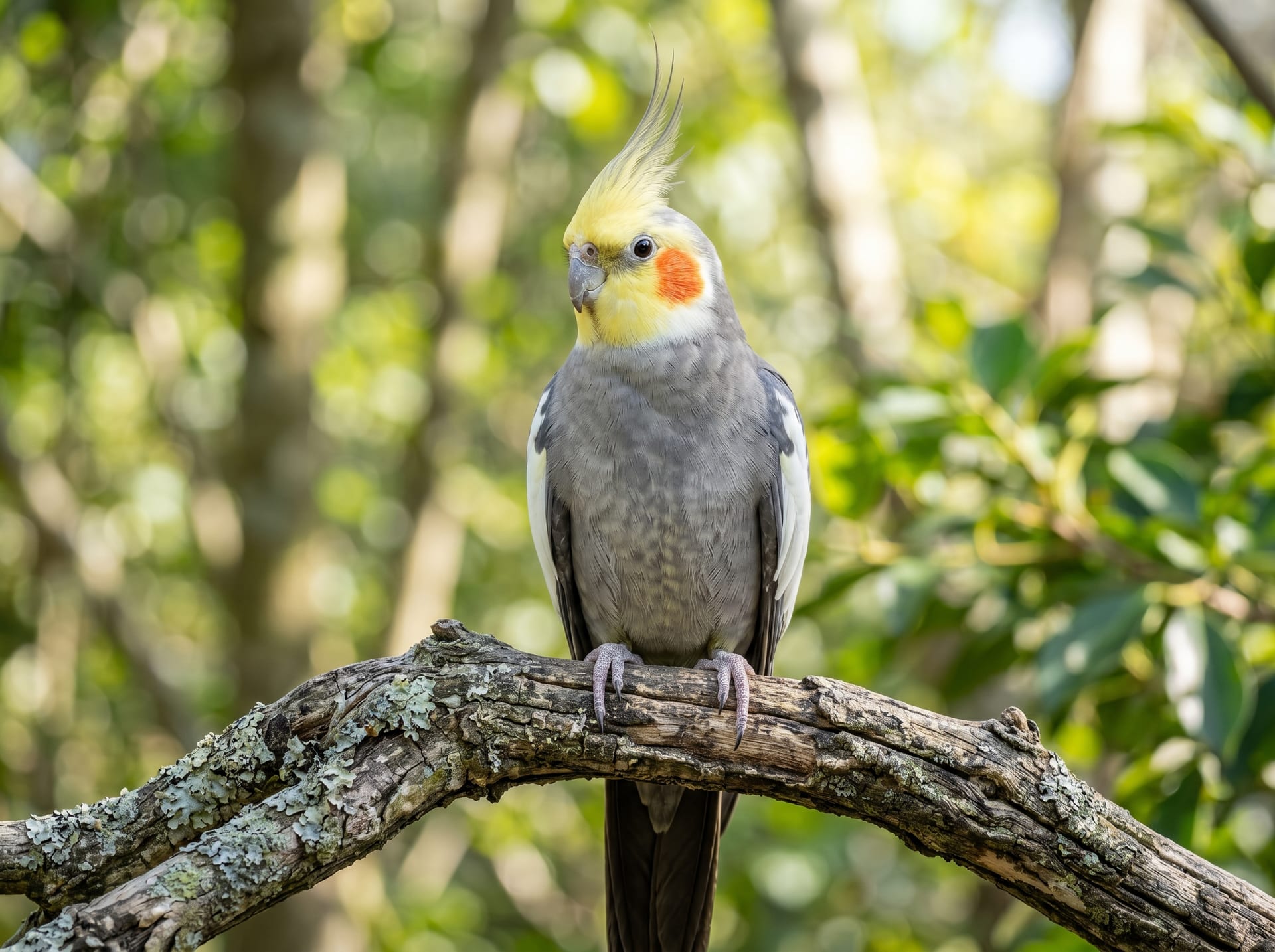
Cockatiels are known as a relatively easy-to-breed species among medium-sized parrots. Their gentle temperament and high adaptability make them a great ally for breeders attempting reproduction for the first time. If you establish an appropriate environment and acquire foundational knowledge, you'll surely experience the joy of raising healthy chicks. This article explains the breeding process step-by-step, from pair formation to fledging.
Cockatiel Breeding Timeline
| Stage | Timing / Duration Guide |
|---|---|
| Breeding age | 18 months–2 years or older |
| Egg-laying | 1 egg every other day · total 4–6 eggs |
| Incubation period | Approximately 18–21 days (male and female alternate) |
| Candling (fertility check) | Approximately 1 week after laying |
| Nest removal (hand-rearing) | 2–3 weeks post-hatch |
| Weaning and independence | 6–8 weeks old |
Pairing Requirements: Selecting Mature, Healthy Individuals
The success or failure of breeding is largely determined at the pairing stage. The first step is to be patient and carefully select individuals that meet all requirements.
Age and Sexual Maturity
Both males and females should be 18 months to 2 years or older before breeding. Although sexual maturity arrives earlier, breeding individuals too young places too much stress on their bodies, leading to infertile eggs and poor chick development. Fully mature individuals have stable stamina and immune function, increasing breeding success rates.
Health Assessment
Always perform a health check before breeding. The ideal individual should meet these conditions:
- Feathers are smooth and glossy, with no ruffling
- Eyes are clear; nostrils are free of blockage
- Appropriate body weight (neither obese nor underweight)
- Active movement with stable appetite
Obese individuals carry higher risks of prolapsed oviduct and difficult laying, making pre-breeding weight management through diet essential.
Sex Determination
In adult plumage, normal (gray) males have a bright yellow face, while females show duller facial coloring and white spots on the undersides of their wings. However, color mutations like Lutino or Pied are difficult to sex by appearance alone, so DNA testing for sex confirmation is strongly recommended. Pairing the wrong sexes wastes time with no breeding progress.
Setting Up the Breeding Environment: Nest Box, Temperature/Humidity, and Nutrition
Once you have a pair, prepare an environment suitable for breeding. Without proper conditions, even a healthy pair may not display breeding behavior.
Choosing and Placing the Nest Box
Wooden nest boxes are ideal for Cockatiels. The recommended size is approximately 25cm wide × 25cm deep × 35cm tall, with an entrance hole diameter of 7–8cm. Line the bottom with wood shavings (from hardwoods) or paper chips about 5cm deep to create cushioning.
Install the nest box in a high position within the cage. Cockatiels recognize high locations as safe nest sites; if the box is too low, they may become restless and fail to lay eggs. Position the entrance away from human eye level so the parents feel secure brooding.
Temperature and Humidity Management
Maintain breeding-season room conditions at approximately 25–28°C (77–82°F) and 50–60% humidity. Humidity management around hatching is especially critical to prevent egg desiccation. Insufficient humidity reduces hatch rates, so establish a habit of checking a hygrometer daily.
Breeding Diet and Nutrition Supplementation
During breeding season, birds require more energy and nutrients. While maintaining pellets as the primary diet, adding the following increases breeding success:
- Calcium sources: Cuttlebone powder, cuttlebone (essential for egg-laying and skeletal formation)
- Protein: Egg yolk, supplements like Nekton-S
- Vegetables: Komatsuna, bok choy (folic acid and vitamin supplementation)
Incubation and Hatching: Observing the Parents' Work
Once egg-laying begins, observing quietly is crucial. Approaching the cage too frequently or peering into the nest box repeatedly causes stress and may lead parents to abandon eggs.
Egg-Laying Pace and Clutch Size
Females lay 1 egg every other day, typically producing 4–6 eggs total. Full incubation usually begins after the final egg is laid, allowing chicks to hatch at roughly the same time.
Incubation Duration and Shared Responsibilities
Incubation lasts approximately 18–21 days. Cockatiels are characterized by parents alternating incubation duties—typically males during the day and females at night. This cooperative parenting is one of the joys of Cockatiel breeding.
Confirm fertility using candling approximately one week after laying. A light held to the egg reveals blood vessels as a sign of fertility. However, handle candling carefully; keep the egg warm and work quickly.
Pre-Egg-Laying Signs and Preparing for Egg Binding
The days before incubation begins are the most critical period of breeding. Recognizing these signs determines whether egg binding is caught early or late.
Signs That Egg-Laying Is Imminent
- Droppings become significantly larger than usual. Pre-laying females restrict defecation inside the nest, so waste is expelled in larger amounts. This is one of the most recognizable signs.
- The abdomen and rear swell noticeably. You may observe changes in body outline even without touching the bird.
- Time spent in the nest box increases, with more bed material digging and rearrangement.
- Temporary weight gain (if weighing regularly, a pre-laying increase will be apparent)
- Changes in appetite or drinking. Females may eagerly gnaw cuttlebone powder and cuttlebones, seeking calcium.
These are normal. The problem arises when egg-laying signs appear but no egg emerges.
Signs Suggesting Egg Binding (High Priority)
Egg binding prevents defecation, causing rapid deterioration in short order. Seek emergency care if you observe:
- Straining movements repeatedly without producing an egg
- Swollen, immobile bird curled up or slumped on the cage floor unable to grip the perch
- Decreased appetite and lethargy
- No droppings or only minimal output
This condition is life-threatening if left untreated. Never attempt to dislodge the egg by pressing on the abdomen or extracting it manually. A broken shell can lacerate the cloaca, creating a far more dangerous situation. Take the bird to an avian veterinarian immediately—this is the only appropriate response.
While arranging transport, you can only provide warmth (to reduce energy expenditure) and a quiet environment.
Conditions Associated with Egg Binding
Several known causes can be avoided during breeding planning:
- Calcium deficiency (insufficient eggshell formation; laying force cannot be transmitted effectively)
- Breeding immature or aged individuals
- Insufficient daylight (Vitamin D3 deficiency affects calcium utilization)
- Cold temperatures
- Lack of exercise
- Overproduction of eggs (repeated laying exhausts the body)
The pairing conditions from the previous chapter (selecting fully mature, healthy individuals) and nutrition management (cuttlebone powder and cuttlebone supplementation) serve double duty as egg binding prevention. Identify an avian veterinary clinic before breeding begins. Egg binding cannot wait for post-incident searches—it may be too late.
Controlling Breeding Condition as Part of Planning
Continued breeding condition during non-breeding seasons leads to repeated infertile egg-laying, exhausting the bird and increasing egg binding risk. During non-breeding periods, suppress breeding condition by limiting daylight (cover the cage for adequate darkness at night), avoiding nest-like spaces, and not overfeeding high-calorie foods.
Breeding planning is both "a plan for producing eggs" and "a plan for creating non-breeding periods." A female's lifelong health depends on this balance.
Hand-Feeding and Hand-Taming: Building Trust with Chicks
Raising hatched chicks to become hand-tame involves performing "nest removal" (hand-rearing by humans) at the appropriate time. This stage is what many consider the pinnacle of Cockatiel breeding.
Timing for Nest Removal
Approximately 2–3 weeks post-hatch is ideal for nest removal. Too early and thermoregulation is difficult; too late and chicks resist human contact. Emerging feathers and open eyes are appropriate indicators.
Hand-Feeding Technique
Use specialized chick hand-feeding formula. Mix with lukewarm water (40–42°C / 104–108°F) to a slightly thick paste consistency and feed using a feeding spoon or syringe. Low temperatures cause digestive upset, so verify temperature every feeding.
Feeding frequency guidelines are:
- 2–3 weeks old: approximately 5 times daily
- 4–5 weeks old: 3–4 times daily
- 6–8 weeks old: 2–3 times daily (while encouraging self-feeding)
Check that the crop is full and digestion is progressing with each feeding.
Weaning and Independence
By 6–8 weeks, chicks begin cracking and eating seeds and pellets on their own. During this phase, gradually reduce hand-feedings while providing self-feeding opportunities. Once chicks are eating independently, move them to a separate cage from the parents.
The Trust and Safety Framework of BreederDirect
BreederDirect is a platform where breeders and buyers connect directly. For those seeking hand-tamed Cockatiel chicks or breeding pairs, a trustworthy environment for purchasing directly from breeders is in place.
Why BreederDirect Is Chosen
- Direct breeder sales allow you to confirm raising conditions and parent bird information firsthand
- Messaging and questions to breeders are possible before purchase
- Find individuals matching your goals—hand-raised chicks or proven breeding pairs
- Many breeders offer transparent disclosure of specimen condition and health management history
Unsure how to choose the right individual for starting breeding? BreederDirect breeders can consult with you to find your ideal bird. Start your long journey with Cockatiels through a trusted connection.