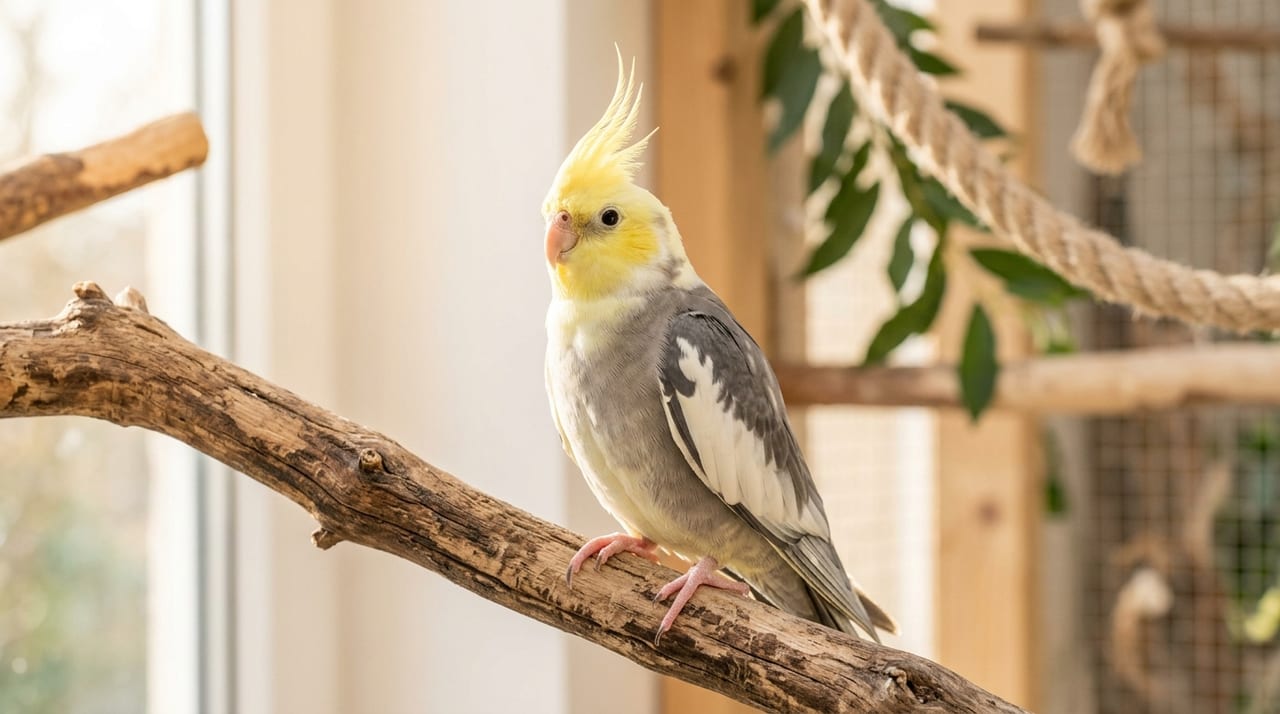
A detailed guide to the fundamentals of genetics, pedigree management, avoiding inbreeding, breeding records, and criteria for pair selection.
Key Takeaways
A detailed guide to the fundamentals of genetics, pedigree management, avoiding inbreeding, breeding records, and criteria for pair selection.
Related Species
Bird Breeding: From Hobby to Professional Practice
Bird breeding is not simply "pairing birds and having them lay eggs." Accomplished breeders harness genetics, pedigree management, and pair compatibility assessment to construct a strategic program—one that produces healthy, beautiful individuals with superior behavior traits for the next generation.
This article explains the foundational genetic knowledge, pedigree management techniques, inbreeding risk mitigation, and pairing strategies that novice breeders need to advance their skills.
Genetics Fundamentals: How Color and Traits Are Inherited
Mendel's Laws: Dominant and Recessive Basics
Feather color, body type, and behavioral tendencies in birds are determined by genes (pairs of alleles) inherited from parents. There are three main inheritance patterns.
1. Autosomal Dominant Inheritance
A trait expressed when at least one dominant allele is present.
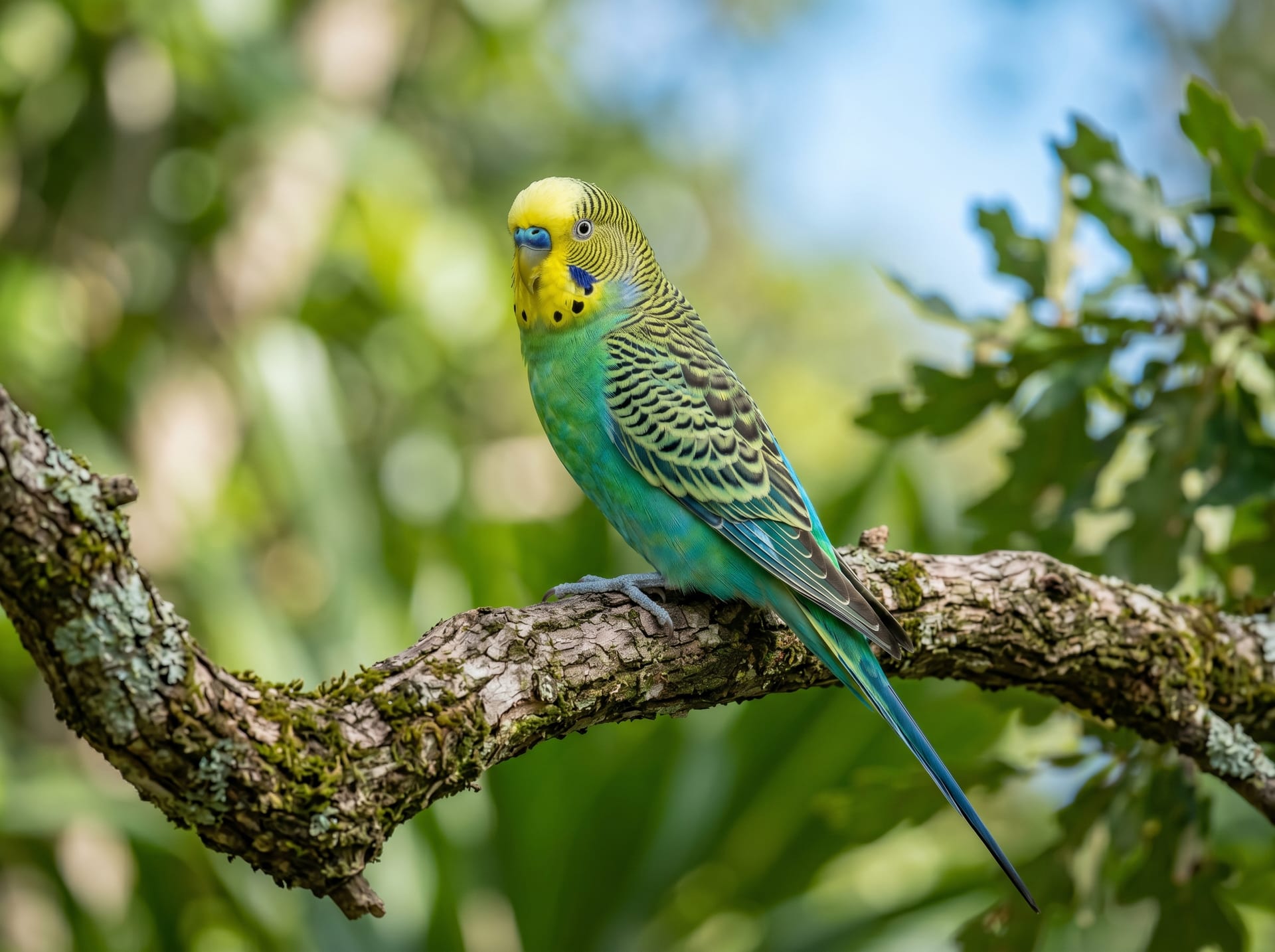
Example: Budgerigar Dark Factor
Normal (Light): No dominant allele
Dark (Medium tone): One Dark Factor
Double Dark (Deep color): Two Dark Factors
Pairing Example:
Dark (D/+) × Normal (+/+)
Expected offspring: 50% Dark, 50% Normal
2. Autosomal Recessive Inheritance
A trait expressed only when two recessive alleles are present.
Example: Budgerigar Albino / Lutino
Pairing Example:
✍️
BreederDirect Editorial
The BreederDirect editorial team specializes in care information for animals, covering veterinary care and breeding to deliver beginner-friendly guides.
Find Birds on BreederDirect
Buy directly from verified breeders
Browse Related Listings
Find Birds listings related to this article on BreederDirect. Buy directly from verified breeders.
In birds, sex chromosomes are ZZ (male) and ZW (female)—opposite to mammals. In sex-linked inheritance, males carry two Z chromosomes (two gene copies), while females carry only one Z chromosome, meaning a single recessive allele is expressed in females.
Example: Budgerigar Opaline
Pairing Example:
Normal Male (+/+) × Opaline Female (opa/W)
Male offspring: All Split (opa/+)
Female offspring: All Normal (+/W)
Genotype and Phenotype: Identifying Splits (Carrier Birds)
Genotype: The actual genetic makeup
Phenotype: The visible expressed traits
In recessive traits, birds may appear normal externally but carry one recessive allele—these are called "splits" or "carriers." Splits are identified only through breeding.
Test Breeding to Confirm Splits:
Suspected Normal Split × Recessive trait (e.g., Lutino)
If recessive traits appear in offspring → Split confirmed
If all offspring are normal → Likely non-carrier (but 100% certainty requires adequate sample size)
Pedigree Management: Record-Keeping Techniques for Superior Lineages
Creating Pedigrees
The first step in pedigree management is documenting each bird's parents and grandparents. Record at minimum:
Item
Details
Ring Number
Individual identification (year bred, breeder code, serial number)
Hatch Date
Birth date
Sex
DNA-confirmed
Phenotype
Color, pattern, body type
Genotype
Known alleles (including splits)
Parents
Ring numbers of sire and dam
Health Records
Genetic disorders (e.g., gigantism, organ malformation)
Temperament & Behavior
Breeding ability, tameness, aggression
Recording Tools:
Handwritten: Breeding notebook, pedigree charts
Digital: Excel, Google Sheets
Specialized software: ZooEasy, Breeding Manager, etc.
Inbreeding: Risks and Management
Benefits of Inbreeding
Inbreeding is a powerful method to fix desirable traits.
Example: Establishing rare color morphs
Blue series fixation (Cobalt, Mauve, Violet)
Stabilizing specific patterns (Spangle, Pearl)
Risks of Inbreeding
Repeated inbreeding increases the likelihood of harmful recessive alleles combining, raising risks of:
Low fertility and hatchability
Malformations and developmental failure (organ abnormalities, skeletal defects)
Immunosuppression and reduced lifespan
Breeding failure (infertility, poor broodiness)
Coefficient of Inbreeding (COI)
COI quantifies how closely related both parents are.
Relationship
COI
Unrelated
0%
Sibling or parent-offspring (1 generation)
25%
Grandparent-grandchild
12.5%
Cousin
6.25%
Recommended Standard: Maintain COI below 10% (maximum 12.5%)
Pairing Strategy: Compatibility, Health, and Genetics in Balance
1. Outcrossing: Mating Unrelated Lines
Pairing birds with no blood relation preserves genetic diversity and prevents inbreeding depression.
Benefits:
Improved health and breeding ability
Novel trait combinations (hybrid vigor)
Drawbacks:
Traits become unstable (color and pattern variation)
Recommended Timing:
Introduce new bloodlines every 3–4 generations
Outcross when COI exceeds 10%
2. Linebreeding: Moderate Inbreeding
Pairing birds that share superior common ancestors, maintaining COI of 6.25%–12.5% while fixing traits.
Example:
Pairing grandchildren of an excellent show bird (Sire A)
COI ~6.25% (equivalent to cousin breeding)
3. Inbreeding: High-Intensity Inbreeding
Sibling or parent-offspring pairings with COI ≥25%. Traits are fixed rapidly, but risks are substantial.
Recommendation:
Beginners should avoid
If necessary, limit to 1–2 generations followed by immediate outcrossing
Pair Selection in Practice: Five Key Checkpoints
1. Health Status
Assessment Points:
Disease history (PBFD, chlamydiosis, breeding disorders)
Weight and body condition (underweight/overweight birds are unsuitable)
Feather condition (feather plucking, dysplasia)
2. Genetic Diversity
Avoid pairing siblings; select individuals with distant pedigrees whenever possible.
3. Complementary Traits
Choose pairs whose individuals balance each other's weaknesses.
Example:
Smaller male × Standard to larger female
Paler male × Darker female
4. Temperament and Compatibility
Strong genetics mean little if the pair is incompatible and refuses to breed.
Compatibility Check Steps:
Observe adjacent cages for 2–4 weeks
Monitor preening and feeding behaviors
Note responsive calls and interest displays
If positive, house together and observe for 1–2 weeks
Breeder Ethics: The Responsibility of Selling Life
When breeding becomes a side business or profession, commercializing life carries responsibility.
Birds Not to Sell
Individuals with genetic disorders (malformations, immune deficiency)
PBFD-positive birds (infection risk)
Individuals from repeatedly inbred weakened lineages
Using "BreederDirect"—The BreederDirect Marketplace
BreederDirect enables breeders to communicate directly with buyers, disclosing pedigree information, health test results, and breeding records.
Recommended Information to List:
Ring number, hatch date, sex
Phenotype and genotype of parents
Health certificates (fecal exam, PBFD test results)
Breeding facility photos (cages, nest boxes)
Conclusion: Strategic Breeding for Healthy Future Generations
Successful bird breeding demands deep genetic understanding, meticulous record-keeping, and long-term strategy. Managing inbreeding risks and passing genetically diverse, healthy individuals to the next generation defines exceptional breeding.
Three Principles of Successful Breeding:
Maintain detailed records: Document pedigrees, breeding performance, health data
Monitor COI: Keep below 10%
Breed ethically: Sell only genetically sound, healthy individuals
Use BreederDirect to practice responsible breeding and contribute meaningfully to the world of aviculture.