A ranking of pets and plants suitable for apartments and condos. Comparing important factors for multi-unit housing—noise levels, space requirements, odor management, and compliance with housing regulations—to help you find beginner-friendly animals that are easy to care for.
Key Takeaways
A ranking of pets and plants suitable for apartments and condos. Comparing important factors for multi-unit housing—noise levels, space requirements, odor management, and compliance with housing regulations—to help you find beginner-friendly animals that are easy to care for.
Related Species
Top 10 Pets for Apartments | Comprehensive Comparison by Noise, Odor, and Space
Many people who want to keep pets in apartments or condos worry: "Will the noise bother my neighbors?" "Could odors leak into the hallway?" "Can I actually keep a pet in such a small space?" This is a common concern for those considering multi-unit housing.
In this article, we evaluate pets suitable for apartments from three perspectives: noise levels, space requirements, and odor manageability, and present them in a ranking format.
Important Note: Some condominiums restrict pet types and sizes in their management regulations. Always check with your building management or management company before bringing a pet home.
---
Ranking Selection Criteria
To create this ranking, we evaluated pets across three key dimensions:
Noise: Whether the animal creates sounds that won't disturb neighbors during day and night hours
Space: Whether the pet can be comfortably kept in a studio to one-bedroom apartment
Odor: Whether odors can be effectively controlled through proper cleaning and management
Rather than excelling in just one area, pets that balance all three criteria rank higher on this list.
---
Ranks 1–5: Pets Most Suitable for Apartment Living
Rank 1: Medaka (Japanese Killifish)
Medaka are nearly a "perfect choice" for apartment living. They produce zero noise, virtually no odor, and can be kept in a small aquarium or glass bowl. Weekly water changes are often sufficient, making them ideal for busy people living alone. Selective breeding has produced beautiful varieties like Yamato, Youkibai, and Tricolor.
Rank 2: Betta Fish
✍️
BreederDirect Editorial
The BreederDirect editorial team specializes in care information for animals, covering veterinary care and breeding to deliver beginner-friendly guides.
Find Breeders on BreederDirect
Buy directly from verified breeders
Related Articles
Browse by Category
🪸Coral
🐠Marine Fish
🐟Tropical Fish
🐡Goldfish
🐟Medaka
🦎Reptiles
Share
These tropical fish can be kept in a small 2–5 liter tank. Their vibrant fins make them beautiful and striking as interior décor. They produce no noise or odor, eliminating concerns about disturbing neighbors. However, a heater is recommended to maintain water temperatures between 18–28°C. They cannot be housed with other fish, so single housing is standard.
Rank 3: Hamster
Hamsters require minimal cage space and produce almost no noise. The main concern is the sound of their exercise wheel at night. Metal wheels can create significant vibration, but switching to a silent model prevents problems entirely. Odor can be well-controlled by changing cage bedding once or twice weekly. Hamsters are popular for beginners and as pets for those new to animal care.
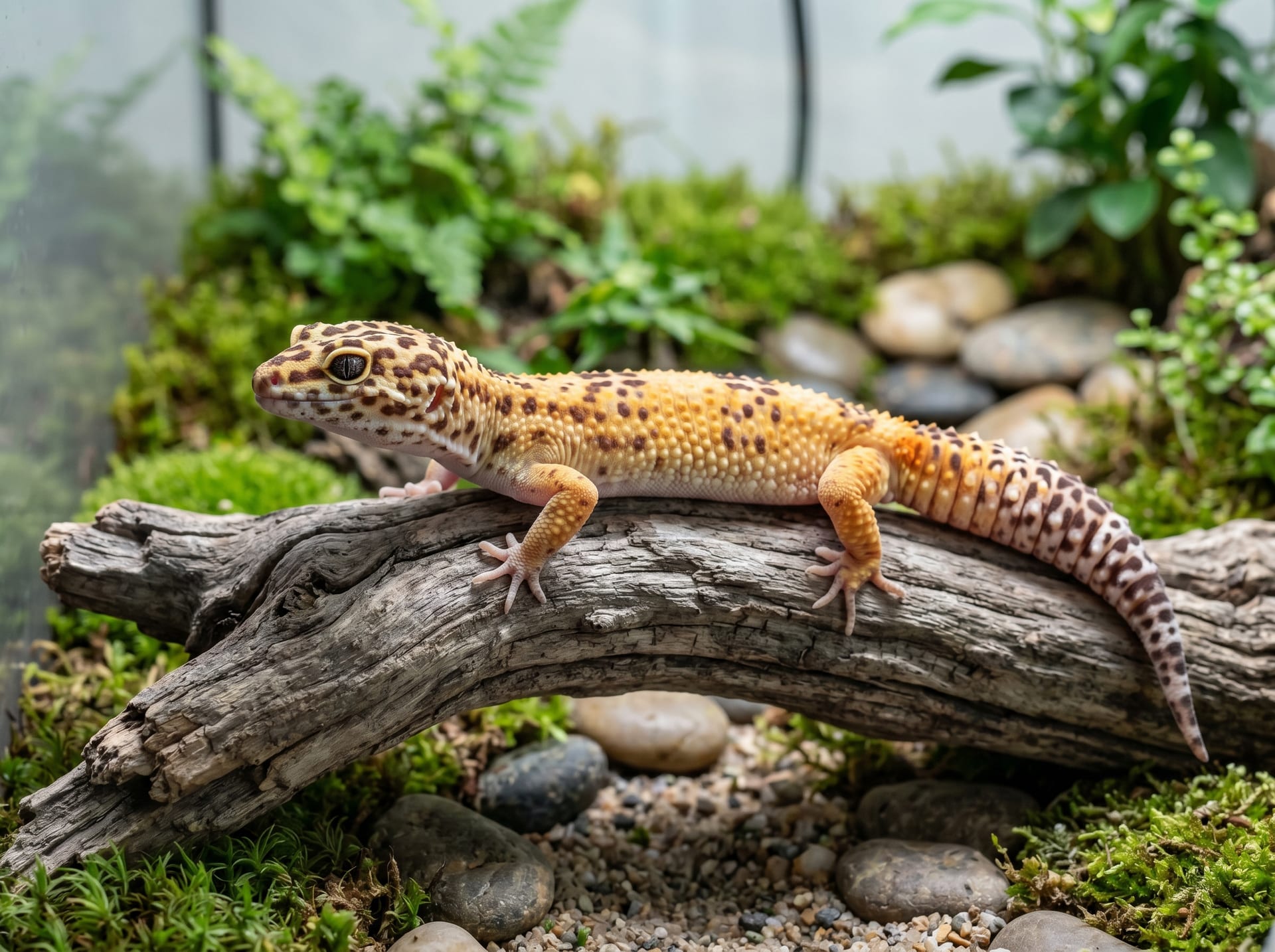
Rank 4: Leopard Gecko
Among reptiles, leopard geckos are particularly easy to keep. They produce virtually no noise. A 30cm cage is sufficient, and since they're primarily active at night, they remain quiet during the day. Their waste produces minimal odor, and cage cleaning is straightforward. While a heat panel is needed to maintain proper temperature, once this is mastered, even beginners can keep them successfully.
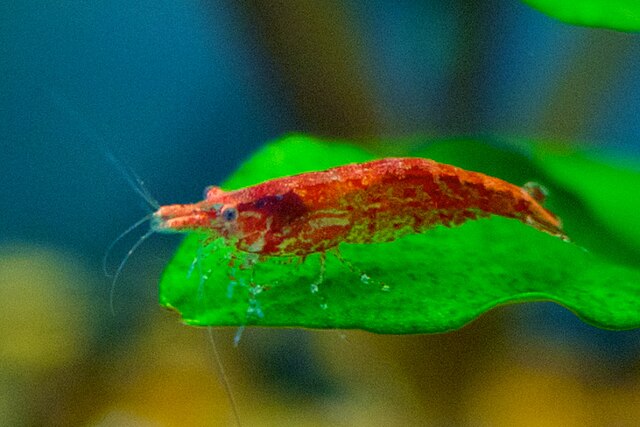
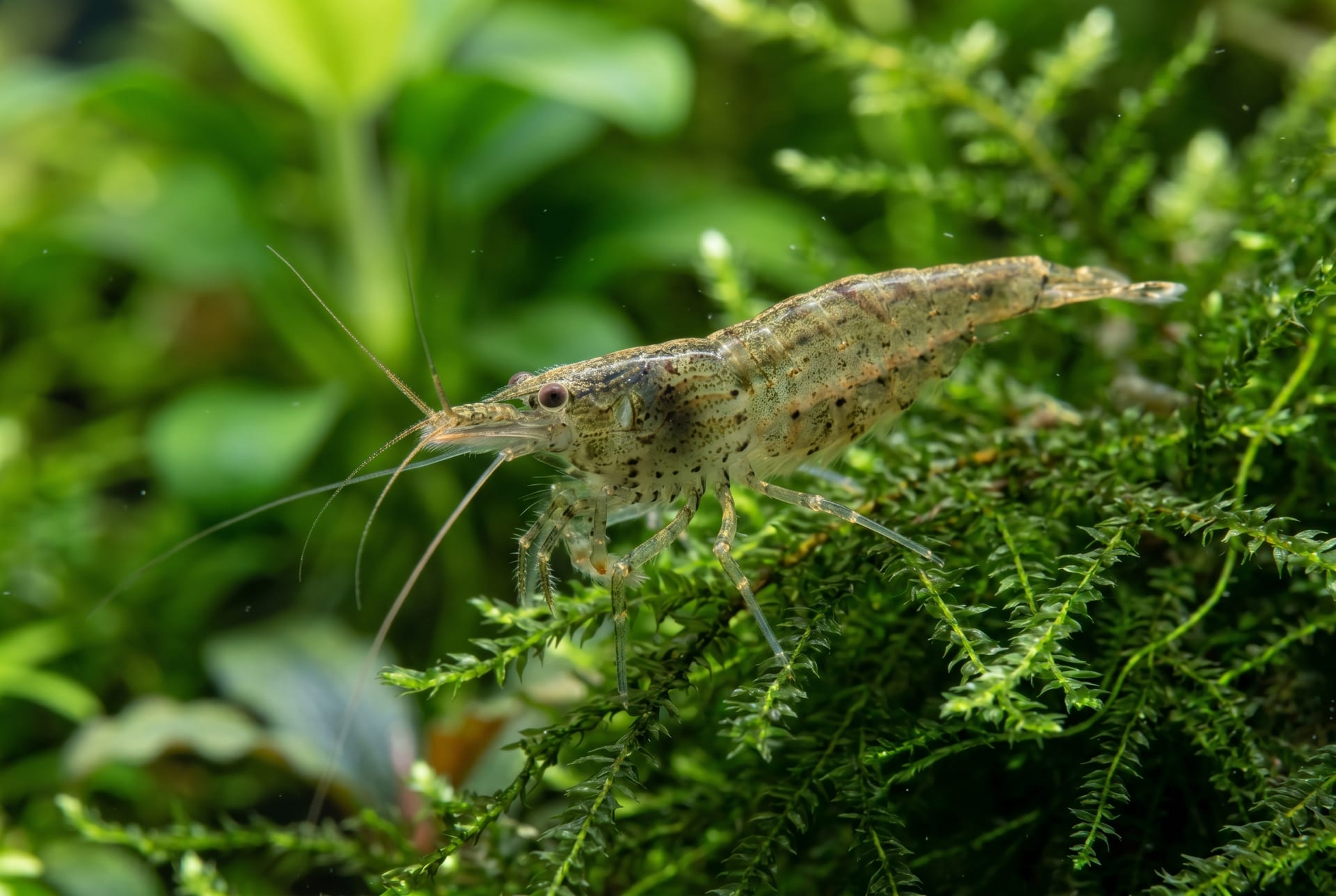
Rank 5: Ornamental Shrimp (Cherry Shrimp, etc.)
Ornamental shrimp like cherry shrimp and red cherry shrimp can be kept in small aquariums with zero noise and zero odor. Many people enjoy them as nature aquariums combined with aquatic plants. Their relatively easy reproduction and the opportunity to observe shrimplets growing make shrimp keeping a rewarding hobby.
---
Ranks 6–10: Pets That Require Some Attention but Are Still Feasible
Rank 6: Java Sparrow
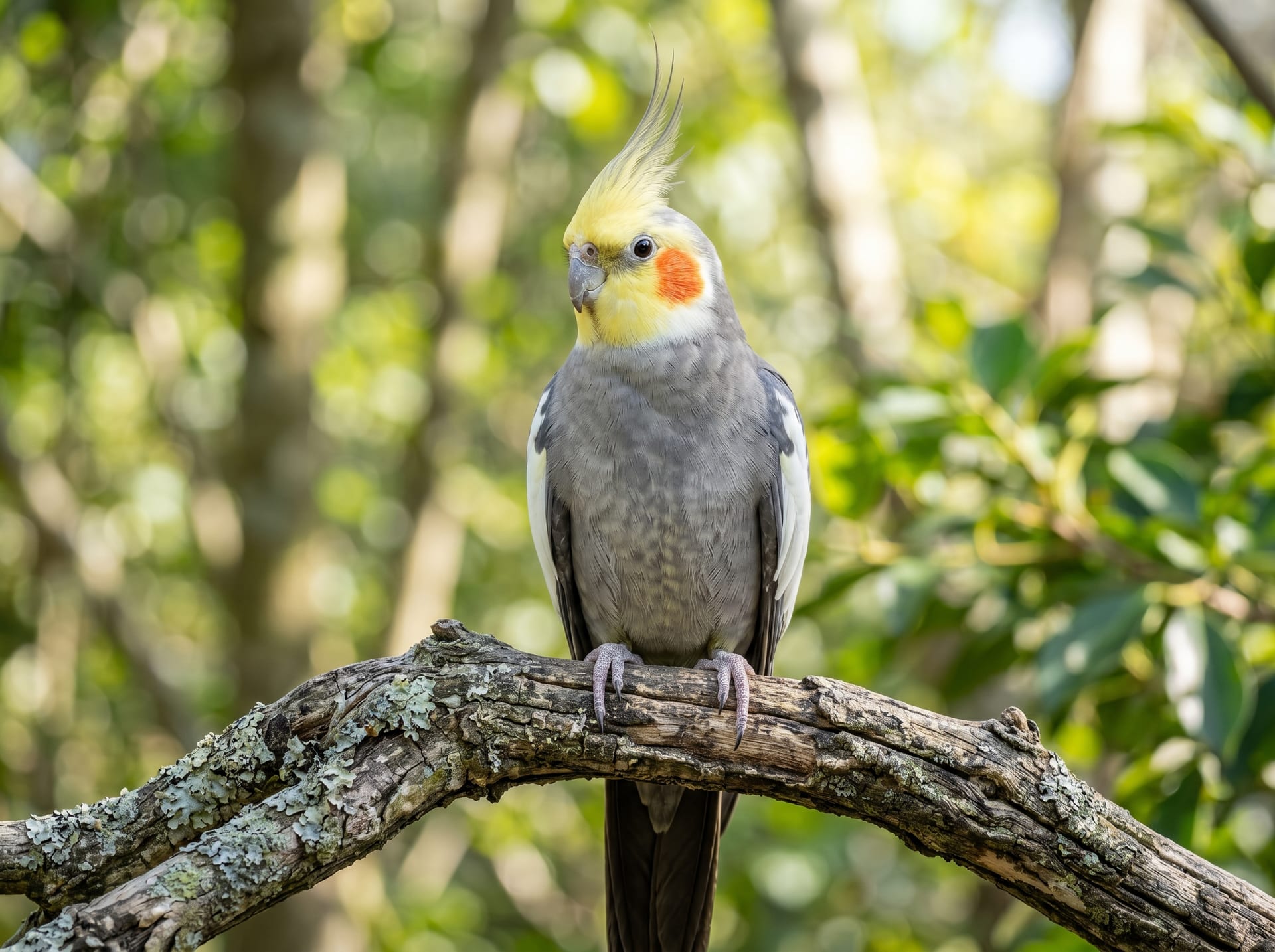
These birds produce noise, so they require more consideration than top-ranked pets. However, their voices are quieter than those of larger parrots like cockatiels. Once hand-tamed, they become affectionate and offer a unique joy in physical interaction. They vocalize mainly during the day, so the impact is relatively minimal if you're away during daytime hours. Be cautious in buildings with thin walls.
Rank 7: Rabbit
Rabbits produce virtually no noise and are often recommended for apartments. However, cages should be at least 60cm wide, requiring somewhat more space, and daily time outside the cage for exercise is necessary. Since they learn to use a litter box, daily cleaning keeps odor well-controlled. Some rabbits live nearly 10 years, so bring one home with a long-term commitment in mind.
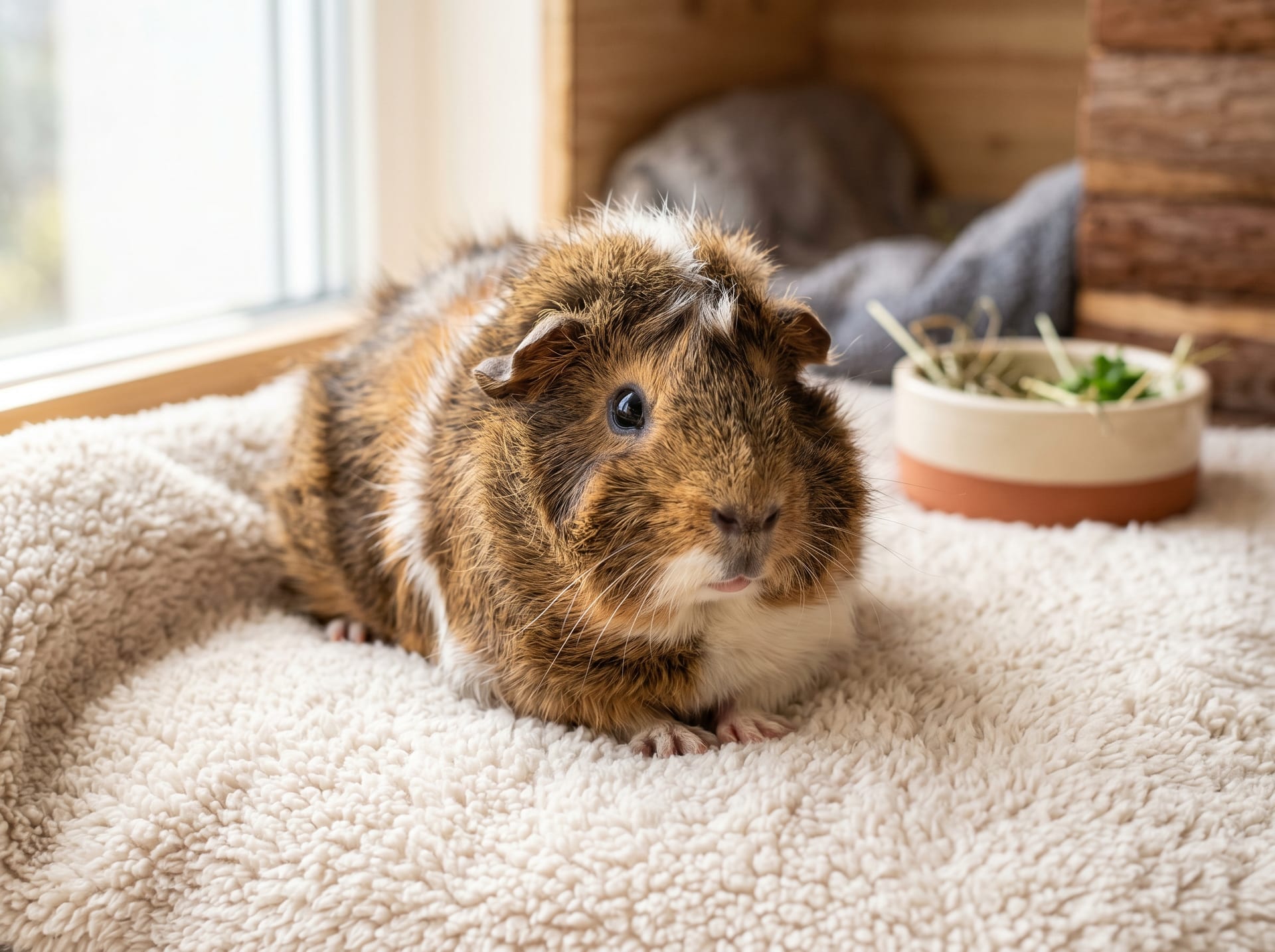
Rank 8: Guinea Pig
Guinea pigs have housing requirements similar to rabbits but may vocalize with squeaks when soliciting food. Though not loud, the frequency of vocalization is higher, so it's wise to confirm their noise levels beforehand in apartment settings. They're highly social and bond easily with people, making them ideal for those who enjoy hands-on interaction.
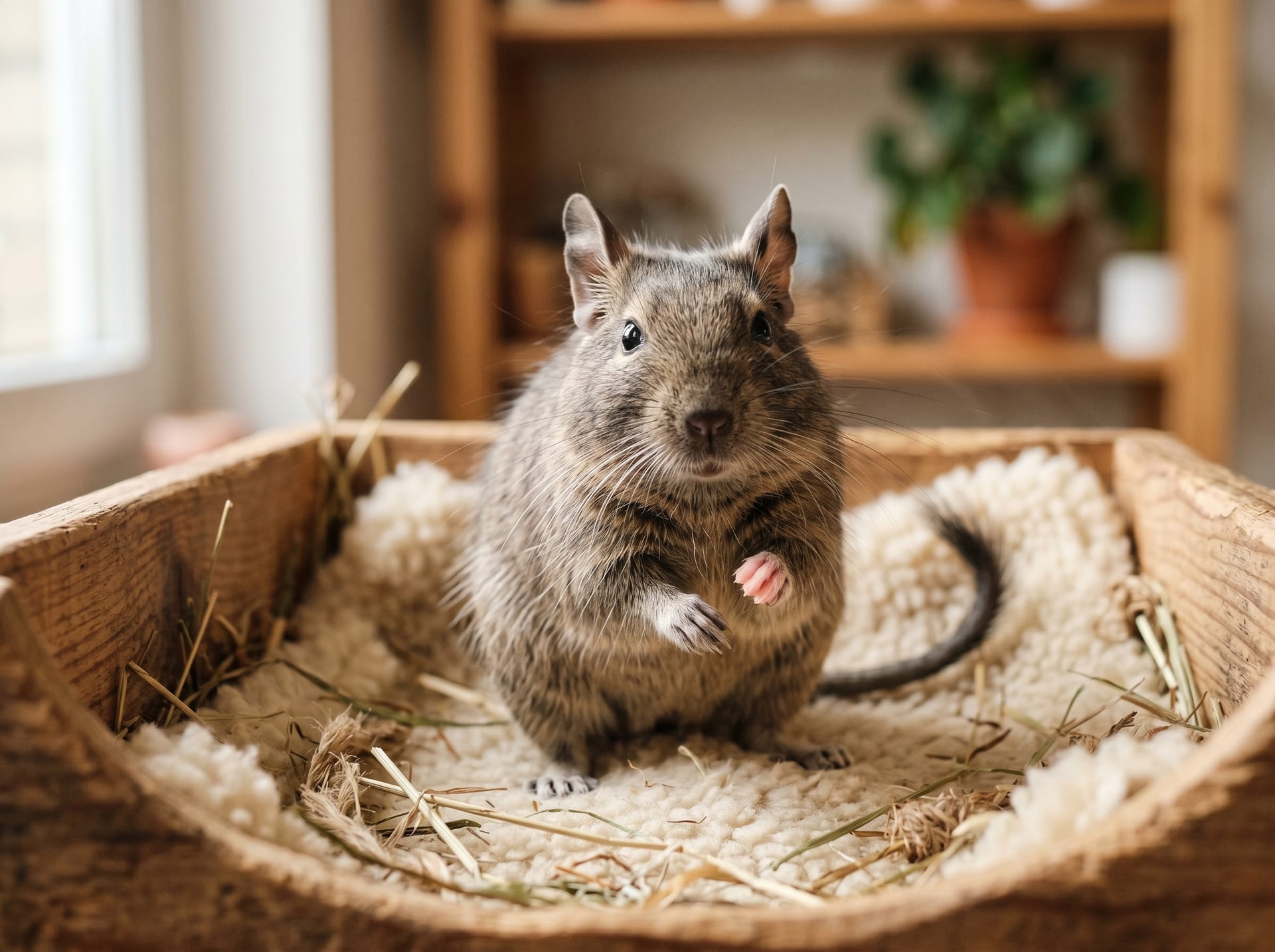
Rank 9: Degu
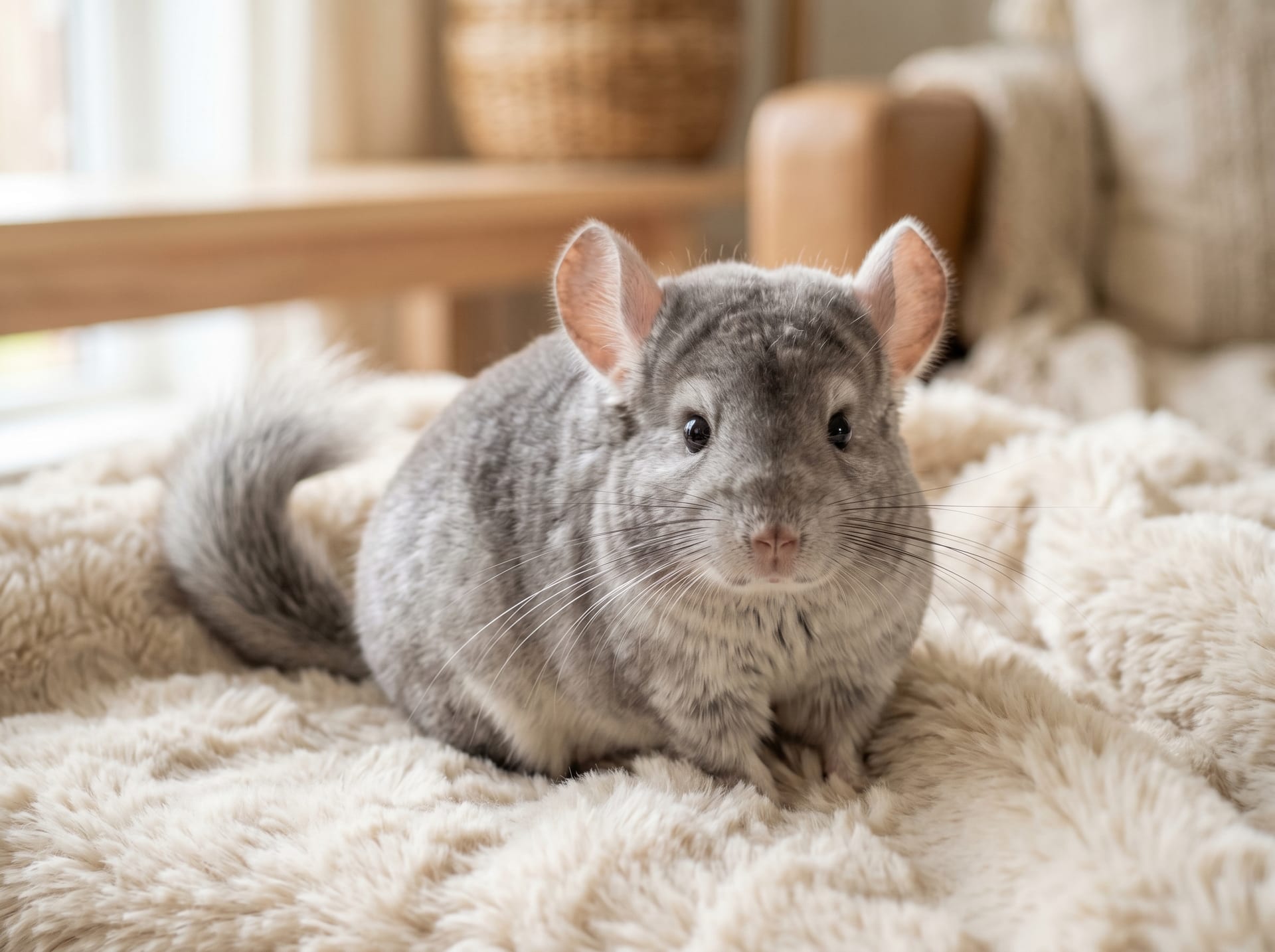
These rodents from the squirrel family are intelligent and easily bond with humans. When kept in groups, they vocalize more as they communicate with each other. Single animals remain relatively quiet. Cages designed for chinchillas or those marketed specifically for degus can be repurposed.
Rank 10: Cat (Pet-Friendly Units Only)
Unlike dogs, cats don't require walks, making them easier to keep in apartments. However, the building must explicitly allow pets—this is essential. Scratching post alternatives, wall and floor protection, and litter box odor management are must-haves. Vocalization varies greatly by individual; some cats are vocal while others are quiet, so confirm the cat's temperament before adopting.
---
Important Considerations for Apartment Pet Ownership
Even with top-ranked pets, ignoring basic precautions can cause problems. Review these points in advance:
Check management regulations: Even "pet-friendly" buildings often restrict species, size, and number. Some condos set weight limits on aquariums
Soundproofing and vibration control: Rubber mats under exercise wheels reduce vibration. Switching wheels and cages to silent models addresses metallic sounds
Odor management: Air purifiers, frequent cleaning, and odor eliminators or baking soda are effective. Odors intensify in summer, so extra caution is needed
Move-out restoration: Floor and wall damage may be deducted from your deposit. Use protective sheets and scratch-prevention products beforehand
Prevent pet escape: Escapes through doors or windows cause serious problems. Always secure cage locks and reinforce window screens
---
Breeder Direct: Reliability and Peace of Mind
Breeder Direct (ブリちょく) is a platform where you can purchase pets directly from breeders. For those considering apartment living, a particular advantage is the ability to ask breeders questions directly before purchase.
You can clarify specifics like "I live in an apartment—how loud is this species?" or "Does this individual bond well with people?" before bringing your pet home, reducing post-purchase mismatch.
Breeders deeply understand their animals' care needs and their parents' health, providing far more detailed information than pet shops. Whether you're a first-time pet owner or uncertain about apartment living, breeder direct sales become a strong ally.
Start your apartment pet life with confidence by taking advantage of this direct-from-breeder model.