Complete Guide to Rearing Actaeon Beetles | Lifespan, Breeding, and Larval Care Explained in Detail
Complete explanation of rearing methods for the Actaeon beetle, the world's heaviest beetle. A practical guide covering lifespan, breeding, larval temperature management, feeding, and adult care.
Key Takeaways
Complete explanation of rearing methods for the Actaeon beetle, the world's heaviest beetle. A practical guide covering lifespan, breeding, larval temperature management, feeding, and adult care.
Related Species
About the Actaeon Beetle
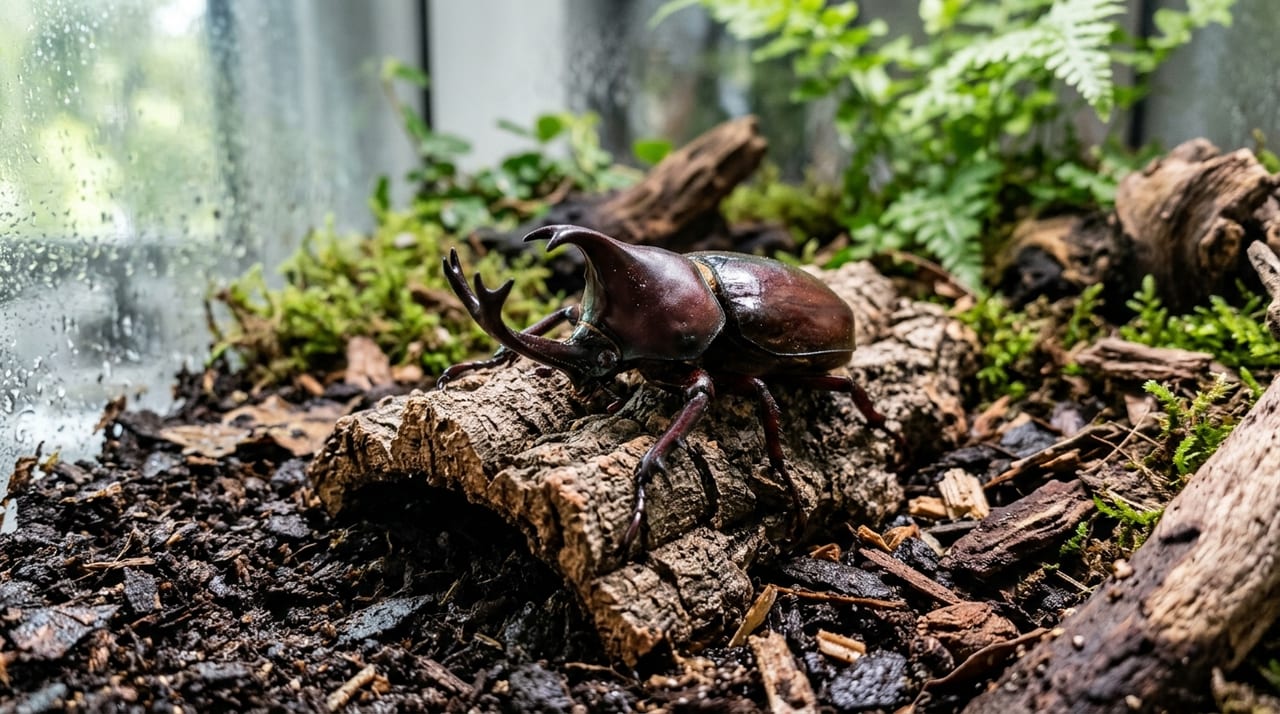
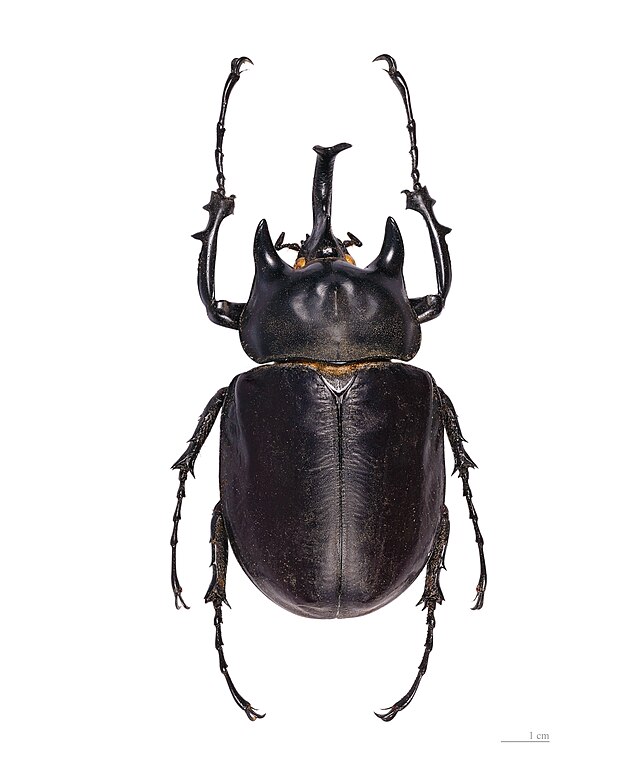
The Actaeon beetle (Megasoma actaeon) is known as the world's heaviest species among rhinoceros beetles (family Scarabaeidae). It inhabits the Amazon basin in South America, including Colombia, Peru, Venezuela, and other regions, with adult males weighing up to 150 grams or more.
Item
Data
Classification
Family Scarabaeidae, Genus Megasoma
Origin
South America (Colombia, Peru, Venezuela, etc.)
Adult Size (Male)
Body length 45–120 mm, weight 50–150 g or more
Adult Size (Female)
Body length 40–80 mm, weight 30–80 g
Horn Characteristics
One head horn + two thoracic horns (three-pronged shape)
Males have one head horn and two thoracic horns (prothoracic projections) on the thorax, which spread out in a fan-like pattern when viewed from the front, creating an impressive appearance.
Adult Lifespan
The lifespan of adult Actaeon beetles varies greatly depending on temperature management.
✍️
BreederDirect Editorial
The BreederDirect editorial team specializes in care information for animals, covering veterinary care and breeding to deliver beginner-friendly guides.
Find Insects on BreederDirect
Buy directly from verified breeders
Browse Related Listings
Find Insects listings related to this article on BreederDirect. Buy directly from verified breeders.
A key feature is that cooler management significantly extends lifespan, and if breeding is not the priority, management at 18–22°C is recommended. Conversely, temperatures that are too low (15°C or below) reduce activity and make breeding behavior unlikely.
Adult Husbandry Environment
Enclosure
As Actaeon beetles are a large species, ample space is necessary.
Solo housing: 60×30×30 cm plastic enclosure (fruit fly-proof lid essential)
Pair housing: Large enclosure of 90×45×45 cm recommended
Depth: Minimum 20 cm or more (substrate deep enough for burrowing)
Temperature and Humidity Management
Optimal temperature: 22–26°C
Humidity: 70–80%
Minimize temperature fluctuations: Sudden temperature changes cause stress and shorten lifespan
Feeding (Adults)
Food Type
Feeding Method
Characteristics
Insect Jelly (High Protein)
Place in feeding dish
Easy to manage. Ideal as primary diet
Banana
Replace every 1–2 days
Highly palatable. Be cautious of spoilage
Mycelium Block (Sap Substitute)
Place in enclosure
Material also suitable for egg-laying
Apple/Pineapple
Feed in appropriate amounts
High sugar content activates activity
Key points: High-protein jelly (such as Elephant Jelly) is effective for egg-laying and longevity. Always provide fresh insect jelly and replace promptly if it becomes stale.
Breeding (Egg-laying)
Pairing (Mating)
2–4 weeks after first feeding is confirmed post-emergence is the optimal timing for mating
House the female with the male only after confirming the male's first feeding is clear
Mating typically takes 30 minutes to 2 hours
House separately after mating (males may injure females)
Egg-laying Setup
Recommended setup:
Item
Details
Enclosure Size
Large enclosure 60 L or larger
Substrate
Well-aged fermented substrate (black soil type) 20 cm or deeper
Egg-laying Wood
2–3 pieces of slightly soft Kunugi wood
Temperature
24–26°C
Duration
Leave undisturbed for 2–3 months
Females tend to lay eggs in both fermented substrate and egg-laying wood.
Number of Eggs
Most females lay 15–40 eggs per individual. However, management conditions and individual variation are significant, and cases with 10 or fewer eggs are not uncommon.
Larval Rearing
Basics of Larval Management
The larval stage of Actaeon beetles is 2–4 years, which is extremely long, requiring a long-term management plan.
Larval instar (stage) sizes:
Instar
Size Estimate
Period
First instar
1–2 cm
1–3 months post-hatching
Second instar
3–6 cm
Up to 6 months
Third instar (final stage)
10–20 cm or larger
6 months to 2–4 years
Recommended Containers and Substrate
Third instar larvae: Manage in a container of 10 L or larger (preferably 20–30 L) filled with well-aged fermented substrate
Substrate replacement frequency:
First to second instar: Once every 2–3 months
Final instar: Once every 3–4 months (but do not disturb once pupation chamber construction begins)
Larval Temperature Management
Temperature
Growth Rate
Impact on Adult Size
26–28°C
Fast (emergence in 2–3 years)
Tendency toward slightly smaller size
22–24°C (Recommended)
Standard (emergence in 3–4 years)
Good balance
18–20°C
Slow (4+ years)
Easier to achieve large individuals
For large individuals, cool temperature and long-term management are key.
Larval Diet
Well-aged fermented substrate is the foundation, but mycelium bottles can be used for even greater size growth.
Mycelium bottles: Oyster (Pleurotus) or King Oyster (Pleurotus eryngii) mycelium is suitable
Once reaching the third instar, it is common practice to manage with a combination of substrate and mycelium bottles
Pupation and Emergence
Pupation Chamber
Final instar larvae construct a pupation chamber in the substrate, where they pupate.
Do not move the enclosure once pupation chamber construction begins
Avoid substrate replacement (risk of damaging the chamber)
Pupal period: Approximately 3–5 months
Post-emergence Management
Immediately after emergence, the body is soft and easily injured.
Keep the beetle at rest in the pupation chamber or substrate for 2–4 weeks after emergence
First feeding may not occur for 3–5 months after emergence
Transition to full adult care once first feeding is confirmed
Obtaining Specimens and Price Range
Source
Price Range (Adult Males, Medium Size)
Notes
Domestic breeders (direct sales)
¥15,000–60,000
Domestically bred (CB) specimens are reliable
Insect specialty shops
¥20,000–80,000
Imported wild-caught (WD) specimens also available
Auctions (Yahoo Auctions, etc.)
¥8,000–100,000+
Individual variation and condition assessment are important
Caution: Wild-caught (WD) specimens have unpredictable lifespans and carry risks of mites and parasites. We recommend purchasing domestically bred (CB) specimens.
Summary
The Actaeon beetle's appeal lies in its overwhelming presence as the world's heaviest beetle, but success depends on the long larval period of 2–4 years and proper temperature management and substrate selection. Adult lifespan can be significantly extended through cool management, and successful breeding requires pairing after confirming first feeding and providing adequate egg-laying setup. Why not take on the challenge of dedicated, long-term rearing with a comprehensive plan?