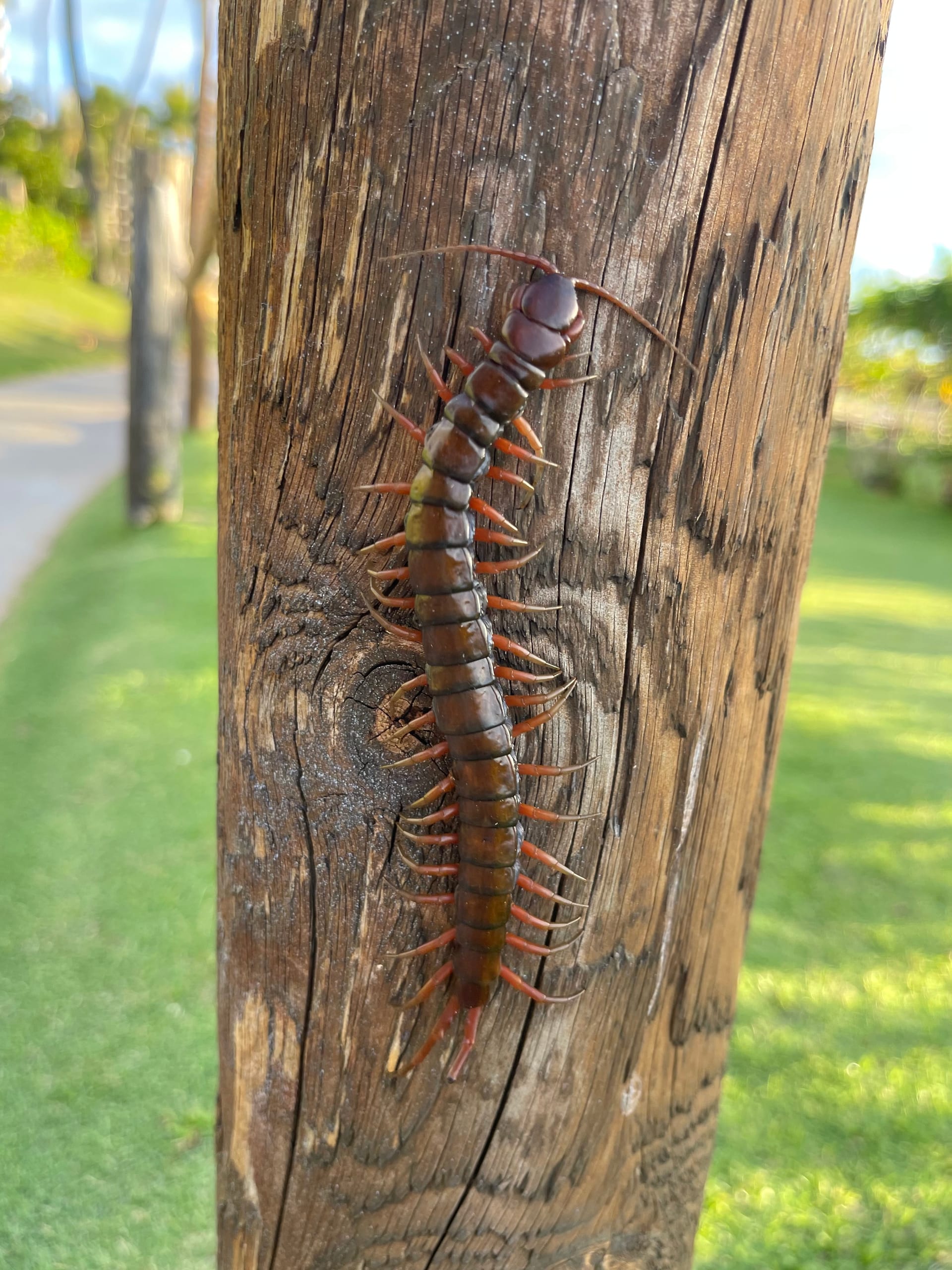
 © Richard N Horne / CC BY-SA 4.0
紅頭蜈蚣
Scolopendra subspinipes is a large centipede species native to a broad range spanning Southeast Asia and islands across the Pacific and Indian Oceans. Its striking reddish-brown body paired with yellow-to-orange legs gives it an unmistakable appearance, and adults typically reach 15 to 20 cm in length. Quick, agile, and easily provoked, it strikes fast when hunting or threatened, making it a captivating subject for those interested in observing raw predatory behavior. However, its powerful venomous forcipules and defensive temperament mean it should never be handled bare-handed. Keeping this species safely requires solid knowledge and a calm, careful approach, which is why it's generally recommended for experienced keepers rather than beginners. For hobbyists drawn to bold looks and wild, untamed behavior, it's a rewarding species to observe.
View 紅頭蜈蚣 encyclopedia →成交手續費 0%!2026年9月30日前註冊,前 2 筆成交免佣金!
繁殖者 招募中!
在 BreederDirect 上架,直接銷售給全國各地的客戶!
BreederDirect 承諾的 5 個透明度要點
刊登奇蟲時,繁殖者會明示以下資訊。我們保證成長階段與繁殖配對的透明性。
- 實物照片
- 繁殖單位
- 代數明示
- 體長明示
- 原產國
查看全部249個種類
已註冊的繁殖者(搶先看)
關於紅頭蜈蚣
A large centipede native to Southeast Asia and Pacific/Indian Ocean islands, reaching 15-20cm with striking reddish-brown coloring. Venomous and recommended for experienced keepers only.
迎接紅頭蜈蚣前需要了解的7件事
1Understand Its Potent Venom
Scolopendra subspinipes has potent venomous forcipules, and a bite can cause significant pain and swelling. Avoid handling it with bare hands, and get into the habit of using dedicated tools for all maintenance tasks.
2An Aggressive Temperament
This species is quick to show defensive or aggressive behavior, often bolting or striking when startled. Always check its exact position before opening the enclosure to prevent escapes or accidental contact.
3Deep Substrate and Hiding Spots
This centipede spends much of its time hidden in burrows or under cover, so provide substrate deep enough to dig into along with hides like cork bark or shelters. A secure hiding environment helps reduce stress.
4Humidity Is Key
Since its native range is largely hot and humid, keep the substrate from drying out to support its health, while also using a well-ventilated enclosure to avoid excess moisture buildup.
5Escape-Proof the Enclosure
Its long, powerful body makes it adept at squeezing through small gaps. Choose an enclosure with a secure locking lid and fine-mesh ventilation to prevent escapes.
6Keep Individually
Because it's prone to cannibalism, avoid housing multiple individuals together — keep one per enclosure as standard practice. Check on its condition regularly, especially after feeding.
7Preparation Before Bringing One Home
Before bringing one home, prepare dedicated handling tools (like long tongs or forceps) and a suitable enclosure, and research what to do in case of a bite beforehand for peace of mind. Make sure you're equipped with both knowledge and supplies first.
紅頭蜈蚣的常見問題
- Q.How dangerous is a bite from this species?
- A.This species has potent venomous forcipules, and a bite can cause significant pain and swelling. If symptoms are severe or you notice unusual physical reactions, seek medical attention promptly.
- Q.Can beginners keep this species?
- A.This species is considered suitable for experienced keepers only. Its strong venom and aggressive temperament make it better suited to hobbyists already comfortable handling defensive invertebrates.
- Q.How large does it grow?
- A.Adults are a large centipede species reaching roughly 15 to 20cm in length, though individual size can vary somewhat.
- Q.Is this species subject to any regulations?
- A.This species is not listed under CITES, so there are no international trade regulatory concerns associated with it.
- Q.Is it okay to keep multiple individuals together?
- A.Housing multiple individuals together is not recommended due to the risk of cannibalism. The standard approach is one individual per enclosure.
在圖鑑中詳細了解紅頭蜈蚣
查看紅頭蜈蚣的圖鑑條目 →
收錄飼養難度、壽命、體長、食性等基礎資料。