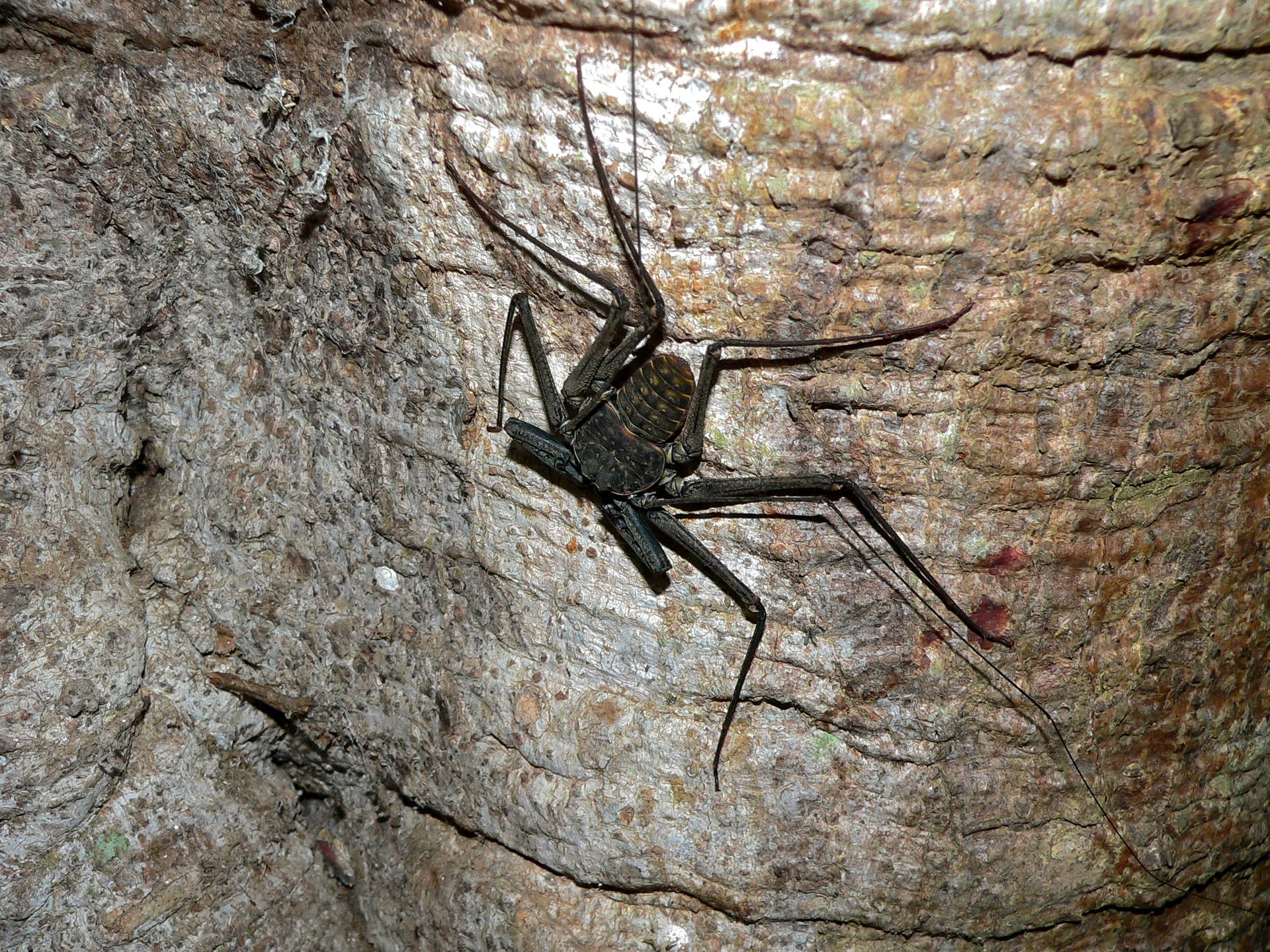
 © Bernard DUPONT / CC BY-SA 2.0
白鞭蜘蛛(Phrynus whitei)
Phrynus whitei is a species of whip spider native to the tropical forests of Central America. Its flattened body, spiny raptorial pedipalps, and remarkably long, whip-thin first pair of legs are its signature traits — those front legs act like feelers, sweeping the surroundings as the animal moves. It has no venom glands, and while quick when it needs to be, it spends much of its time tucked away in hiding, making it a species best appreciated through quiet observation. Because whip spiders sold under similar trade names are sometimes misidentified, confirming the identification behind an individual matters before bringing one home. It's generally considered suited to intermediate-level keepers, so some prior experience with invertebrate care helps.
View 白鞭蜘蛛(Phrynus whitei) encyclopedia →成交手續費 0%!2026年9月30日前註冊,前 2 筆成交免佣金!
繁殖者 招募中!
在 BreederDirect 上架,直接銷售給全國各地的客戶!
BreederDirect 承諾的 5 個透明度要點
刊登奇蟲時,繁殖者會明示以下資訊。我們保證成長階段與繁殖配對的透明性。
- 實物照片
- 繁殖單位
- 代數明示
- 體長明示
- 原產國
查看全部249個種類
奇蟲分類正在招募認證繁殖者
繁殖者正在陸續註冊,即將上架。設定上架通知,不錯過新商品。
「接收上架通知」需免費註冊會員即可設定。當有符合您儲存條件的新商品上架時,我們會以郵件和站內通知提醒您。
已註冊的繁殖者(搶先看)
關於白鞭蜘蛛(Phrynus whitei)
Phrynus whitei is a non-venomous whip spider from Central America's tropical forests, known for its whip-like front legs and spiny pedipalps. Best suited to intermediate-level keepers who enjoy quiet observation.
迎接白鞭蜘蛛(Phrynus whitei)前需要了解的7件事
1Keep Humidity High
Coming from the humid tropical forests of Central America, Phrynus whitei needs consistently high humidity in its enclosure. Letting things dry out can lead to failed molts or lost limbs, so balance moist substrate with enough airflow to avoid stagnation.
2Front Legs Aren't for Walking
The whip-like first pair of legs isn't used for locomotion — it functions as a sensory feeler that sweeps the surroundings. These legs are extremely delicate, so be careful not to snag or damage them when rearranging decor or cleaning.
3Venom-Free, But Can Bluff
This species has no venom glands, but if startled it may raise its thick, spine-lined pedipalps in a defensive display. It isn't especially aggressive, though avoiding unnecessary handling helps keep its stress low.
4Nocturnal, Hides by Day
During the day it tucks itself away under cork bark or driftwood, becoming active after dark. Not seeing it during daylight hours is normal, not a sign of trouble — just make sure plenty of hiding spots are available.
5Leave It Alone When Molting
Growth and any leg regeneration happen around molting. Right after a molt the body is soft and vulnerable, so it's best to leave the enclosure undisturbed and simply watch from a distance during this period.
6Confirm the ID Before Buying
Whip spiders are frequently mislabeled in the trade, with the name sold not always matching the actual species. Before bringing home a Phrynus whitei, check the identification basis behind the listing rather than relying on appearance alone.
7A Pet to Watch, Not Handle
This is an animal best enjoyed by observation — watching it emerge from hiding and sweep its legs across its territory — rather than through handling. Investing in a well-designed enclosure makes it easier to see these natural behaviors play out.
白鞭蜘蛛(Phrynus whitei)的常見問題
- Q.Is it venomous or dangerous to humans?
- A.No, Phrynus whitei has no venom glands. It may raise its pedipalps in a defensive display if startled, but it isn't inclined to attack people.
- Q.Is it related to spiders or scorpions?
- A.No — whip spiders belong to their own order (Amblypygi), separate from spiders (Araneae) and scorpions (Scorpiones). They're also easy to confuse with the distantly related, tailed vinegaroons, so it helps to know the distinction.
- Q.Can I handle it like a pet?
- A.Its body and legs are quite delicate, so it isn't well suited to frequent handling. It's best enjoyed through observation, with only gentle, minimal handling during necessary care.
- Q.Is this a good species for beginners?
- A.It's generally considered suited to intermediate-level keepers, so some prior experience with humidity management and invertebrate care is reassuring. It may be a better fit after building some experience rather than as a first exotic invertebrate.
- Q.Is it CITES-listed?
- A.No, Phrynus whitei is not listed under CITES.
在圖鑑中詳細了解白鞭蜘蛛(Phrynus whitei)
查看白鞭蜘蛛(Phrynus whitei)的圖鑑條目 →
收錄飼養難度、壽命、體長、食性等基礎資料。