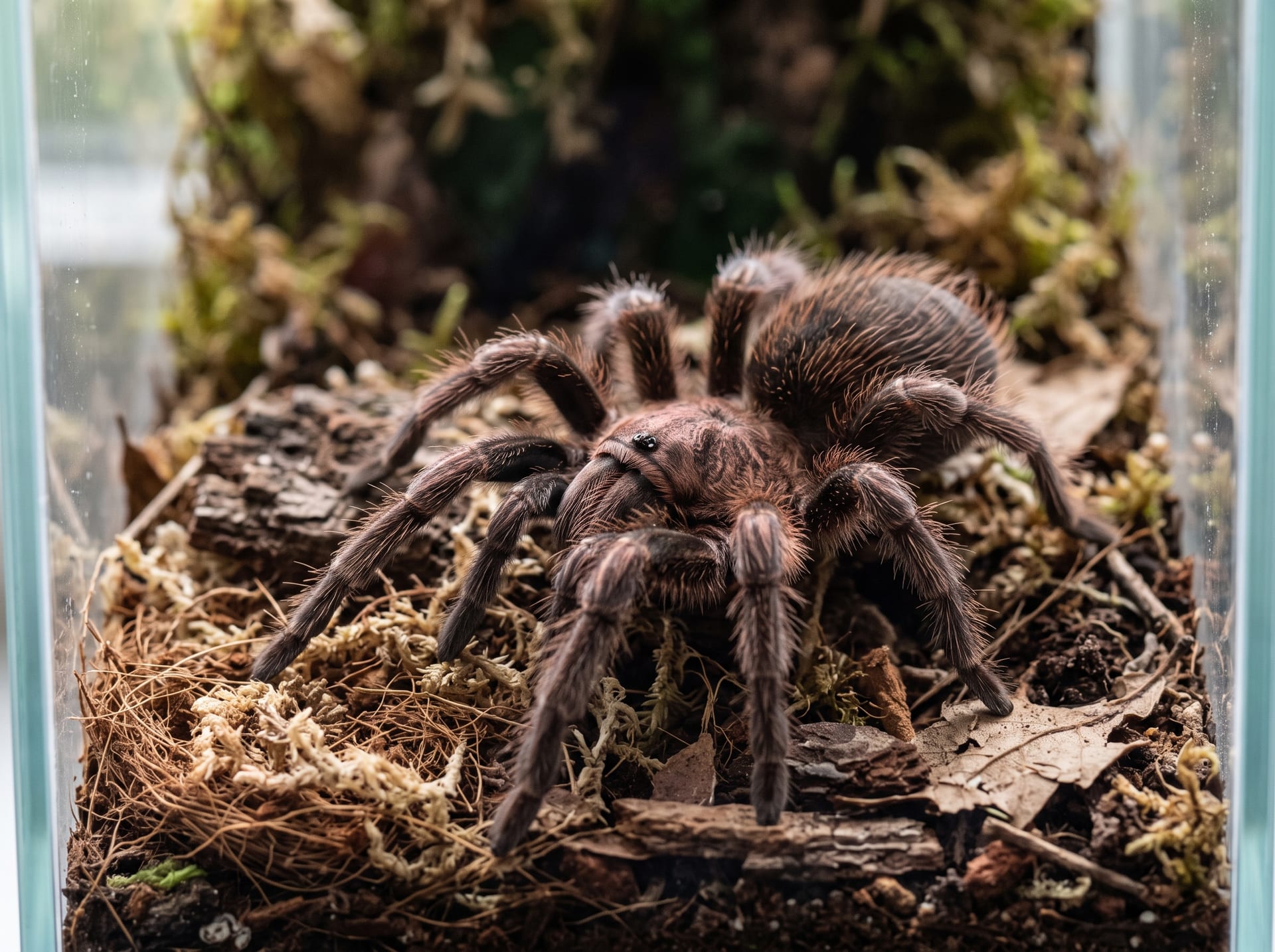
智利火玫瑰
The Chilean rose tarantula is a ground-dwelling species from Chile, known for its pale pinkish coloring. Hardy in dry conditions and famously long-lived, it's one of the oldest and most trusted beginner species in the hobby. Its movements tend to be slow and deliberate, making it easy to observe, and many individuals have a calm temperament, which is why it's rated as beginner-friendly. Adults reach a leg span of about 11 to 13 cm, and lifespans vary widely by sex — females can live 15 to 20 years, while males typically live 4 to 5 years. For anyone considering their first tarantula, it's a species worth getting to know.
View 智利火玫瑰 encyclopedia →成交手續費 0%!2026年9月30日前註冊,前 2 筆成交免佣金!
繁殖者 招募中!
在 BreederDirect 上架,直接銷售給全國各地的客戶!
BreederDirect 承諾的 5 個透明度要點
刊登奇蟲時,繁殖者會明示以下資訊。我們保證成長階段與繁殖配對的透明性。
- 實物照片
- 繁殖單位
- 代數明示
- 體長明示
- 原產國
查看全部249個種類
奇蟲分類正在招募認證繁殖者
繁殖者正在陸續註冊,即將上架。設定上架通知,不錯過新商品。
「接收上架通知」需免費註冊會員即可設定。當有符合您儲存條件的新商品上架時,我們會以郵件和站內通知提醒您。
已註冊的繁殖者(搶先看)
關於智利火玫瑰
A guide to the Chilean rose tarantula, a hardy, long-lived ground-dwelling species from Chile and a classic beginner choice — covering temperament, care basics, and common questions.
迎接智利火玫瑰前需要了解的7件事
1A Dry, Arid-Style Setup
Because this species comes from Chile's dry climate, keep the substrate on the drier side and avoid excess humidity. Always provide a water dish, but a consistently damp enclosure can lead to health problems.
2A Calm Temperament
Chilean rose tarantulas are generally slow-moving and even-tempered, though they may kick urticating hairs when startled rather than bite. Individual personalities vary, so it's best to let a new tarantula settle in before handling it.
3Ground-Dwelling Housing Needs
As a terrestrial species, it spends its time on the ground rather than climbing, so floor space matters more than height in the enclosure. Adding a hide gives it a secure spot to retreat to.
4A Long-Term Commitment
Lifespan differs sharply by sex: females typically live 15 to 20 years, while males live only 4 to 5 years. Bringing home a female in particular means planning for a pet that could be with you for decades.
5Changes Around Molting
Like all tarantulas, this species grows by molting periodically, and it often becomes sluggish and stops eating beforehand. Right after a molt its body is soft and vulnerable, so it's best left undisturbed for a while.
6Feeding Routine
As an insectivore, feeding frequency should be adjusted to its age and condition. Uneaten prey left in the enclosure can stress the tarantula, so remove it if it goes uneaten for a while.
7What to Prepare Before Bringing One Home
Have an enclosure, dry-style substrate, water dish, and hide ready in advance to recreate its native dry conditions. Since adults reach a leg span of about 11 to 13 cm, choose an enclosure with enough room for that eventual size.
智利火玫瑰的常見問題
- Q.Is this a good species for beginners?
- A.Yes, the Chilean rose tarantula is generally rated as beginner-friendly. Its calm demeanor and tolerance for dry conditions have made it a long-standing entry point into the hobby.
- Q.How big does it get?
- A.Adults reach a leg span of roughly 11 to 13 cm. There's some individual variation, but it stays within this mid-sized range.
- Q.How different is the lifespan between males and females?
- A.There's a big gap by sex: females typically live 15 to 20 years, while males live only 4 to 5 years. It's worth keeping that long-term commitment in mind, especially when considering a female.
- Q.Is its temperament aggressive?
- A.It's generally described as calm and not prone to biting defensively. It may kick urticating hairs when startled, so it's best approached with slow, gentle movements.
- Q.Can it be kept in a humid enclosure?
- A.Since it comes from Chile's dry climate, a humid enclosure is not suitable and can lead to health issues. Keep the substrate on the dry side while always providing a water dish.
在圖鑑中詳細了解智利火玫瑰
查看智利火玫瑰的圖鑑條目 →
收錄飼養難度、壽命、體長、食性等基礎資料。