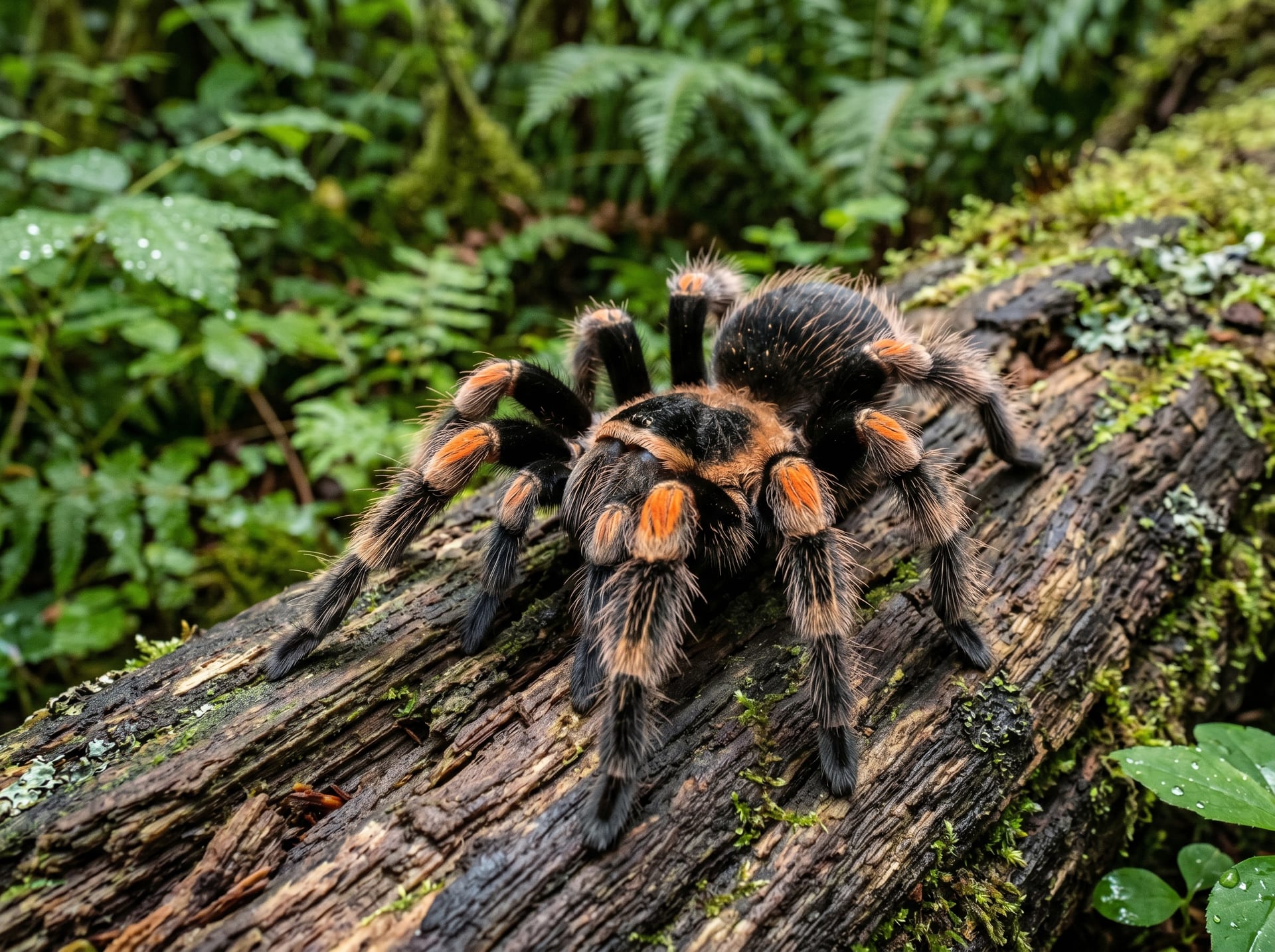
捕鳥蛛
世界上最大的蜘蛛。儘管外表毛茸茸,但許多種性情溫和。墨西哥紅膝蜘蛛作為入門種類頗受歡迎。壽命為10〜30年(雌性)。成體大小為腳長10〜25cm。昆蟲食(如蟋蟀,月2〜4次)。
View 捕鳥蛛 encyclopedia →成交手續費 0%!2026年9月30日前註冊,前 2 筆成交免佣金!
繁殖者 招募中!
在 BreederDirect 上架,直接銷售給全國各地的客戶!
BreederDirect 承諾的 5 個透明度要點
刊登奇蟲時,繁殖者會明示以下資訊。我們保證成長階段與繁殖配對的透明性。
- 實物照片
- 繁殖單位
- 代數明示
- 體長明示
- 原產國
奇蟲分類正在招募認證繁殖者
繁殖者正在陸續註冊,即將上架。設定上架通知,不錯過新商品。
「接收上架通知」需免費註冊會員即可設定。當有符合您儲存條件的新商品上架時,我們會以郵件和站內通知提醒您。
已註冊的繁殖者(搶先看)
捕鳥蛛的基本資料
- 飼養難度
- 適合中級者
- 壽命
- 10〜30年(雌)
- 體型
- 足展 10~25cm
- 飲食
- 蟋蟀等昆蟲(每月2~4次)
- 飼養容器
- 根據品種大小選擇的塑膠盒
- 溫度
- 24〜28℃
- 濕度
- 根據種類在40〜80%之間。地棲種偏好乾燥,樹棲種偏好潮濕
- 餵食
- 蛻皮前後應避免餵食
- 注意事項
- 雖有毒性,但大多數種類毒性輕微。需注意刺激毛
關於捕鳥蛛
捕鳥蛛屬於蜘蛛目捕鳥蛛科,廣泛分佈於中南美洲、非洲、亞洲等熱帶和亞熱帶地區。其名稱來源於意大利城市塔蘭托,在中世紀歐洲,人們因傳說其咬傷會導致人不斷跳舞而恐懼它們。然而在現代,毛茸茸且身體粗壯的外形以及獨特的存在感被視為"酷"而廣受推崇,世界各地的收藏家都對它們情有獨鍾。許多種的腳長可達10〜25cm,成體的氣勢令人印象深刻。雖然性格因種而異,但如墨西哥紅膝和智利玫瑰等入門種性情溫和、易於飼養,初學者也能勝任。飼養的魅力莫過於成本低廉、佔地小、氣味少,即使住在公寓裡也能輕鬆開始。每次蛻皮時都能觀察到它們逐漸長大,這種長期觀察的體驗是獨一無二的樂趣。
迎接捕鳥蛛前需要了解的7件事
1如何選擇籠舍大小
對於捕鳥蛛,底面積應為體寬的2〜3倍左右。陸棲種適合橫向籠舍,樹棲種適合豎向籠舍。選擇蓋子時要確保能緊密密閉,並徹底防止逃脫。
2床材和挖洞習性
許多地棲性種類具有挖洞習性,鋪設10~15公分左右的椰殼土或泥炭蘚可以幫助緩解壓力。樹棲性種類需要配備軟木或流木等可攀爬的材料。如果床材過於乾燥,會導致蛻皮失敗,因此需要適度噴霧以保持其中一側的濕度。
3投飼頻率和飼料選擇
對成體的投飼以每月2~4次為目標,蟋蟀和杜比亞蟑螂是常用選擇。選擇大小不超過狼蛛腹部寬度的飼料最為安全。未進食完的活飼料會成為籠內壓力源,需在24小時內清除。
4蛻皮跡象與注意事項
蛻皮前狼蛛會出現食欲下降、腹部變黑等現象。蛻皮期間及蛻皮後,狼蛛的外骨骼柔軟易碎,此時切勿接觸或投飼。蛻皮後需靜養1~2週,待新外骨骼完全硬化。
5理解毒液與防禦行為
所有狼蛛種類都具有毒液,但對人類的毒性通常很低,許多種類的毒性程度相當於蜜蜂螫刺。不過根據個人體質不同,有時會引發過敏反應。需要注意的是,舊世界產種(亞洲、非洲)通常比新世界產種更具攻擊性,因此初學者推薦飼養新世界產種。
6能否處理與處理頻率
即使是溫順的種類,處理也可能對蜘蛛造成壓力。應盡量減少處理次數,並在低的位置進行操作,以降低意外跌落的風險。如果在處理過程中看到蜘蛛摩擦腹部的動作(釋放刺激毛),要特別小心──刺激毛接觸皮膚或眼睛時可能會引起炎症。
7初期費用和日常維護成本
籠子、墊材、水盆、溫度計等初期費用大約5,000〜15,000日圓左右。個體價格因種類而異,從數千日圓到數萬日圓不等,稀有種類可能超過數十萬日圓。每月的飼料費用約為數百日圓,所以維護成本相對較低,但購買進口個體時需要確認法律規定(華盛頓條約)。
捕鳥蛛的常見問題
- Q.狼蛛真的很危險嗎?
- A.一般飼養蜘蛛的毒性較低,即使被咬傷,疼痛程度也只相當於被蜜蜂叮咬。不過有些人可能會出現過敏反應,所以被咬傷後,建議諮詢醫生以防萬一。
- Q.一個人住也能飼養蜘蛛嗎?
- A.完全可以飼養。籠子可以很小巧,而且不需要每天照顧,所以即使是忙碌的人也很適合。餵食頻率為每週1〜每月數次,即使出門旅遊數天〜一週左右也沒問題。
- Q.可以觸摸或與它們互動嗎?
- A.雖然性情溫和的品種可以放在手上觀察,但從高處跌落可能致命,因此需要格外謹慎。相比近距離接觸,隔著飼養盒進行觀察是更常見的做法。
- Q.壽命有多長?
- A.雌性個體壽命因品種而異,可活10~30年,是相當長壽的動物。而雄性個體成熟後壽命較短,通常只有1~3年,因此作為寵物更傾向於選擇雌性。購買時最好確認一下性別。
- Q.初學者應該選擇哪個品種?
- A.墨西哥紅膝毛蛛(Brachypelma hamorii)和智利紅玫瑰毛蛛(Grammostola rosea)是經典的入門品種。兩者都行動緩慢、性格溫順,而且體質強健,因此廣泛推薦給首次飼養捕鳥蛛的愛好者。
Learn more about 捕鳥蛛 in the encyclopedia
查看捕鳥蛛的圖鑑條目 →
收錄飼養難度、壽命、體長、食性等基礎資料。