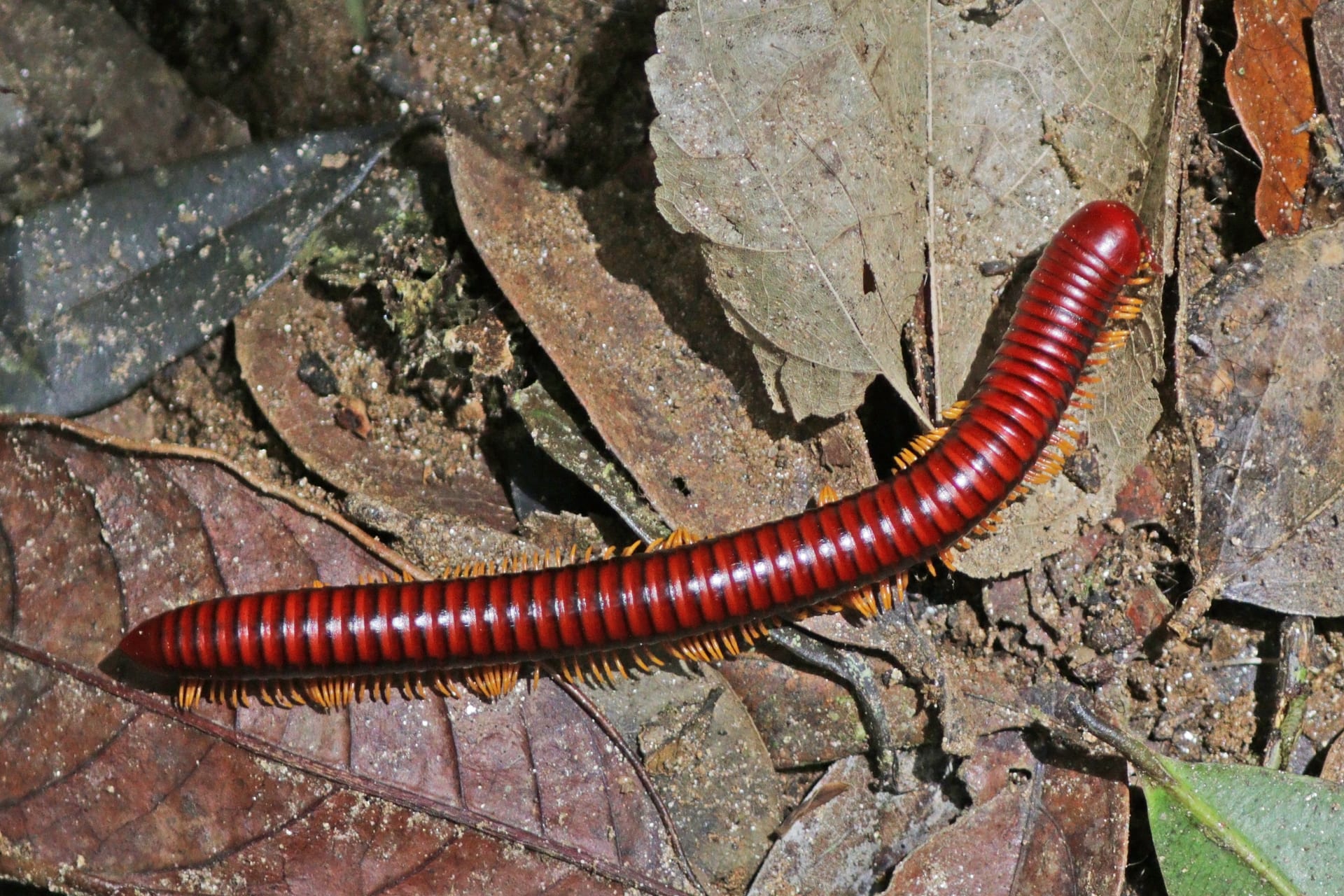
 © Charles J. Sharp / CC BY-SA 4.0
馬達加斯加火焰千足蟲
The Madagascar Fire Millipede is a large millipede species found only in the rainforests of eastern Madagascar. Its striking look — a dark brownish-black body lined with vivid red legs — gives it the "fire" name and makes it a captivating animal to observe. Nocturnal by nature, it burrows into moist substrate during the day and emerges at night to forage slowly through leaf litter and decaying matter. Known for its calm temperament and unhurried movements, it's a favorite among keepers who enjoy quiet observation. With deep, humid substrate in place, it settles well into a stable, low-stress enclosure.
View 馬達加斯加火焰千足蟲 encyclopedia →成交手續費 0%!2026年9月30日前註冊,前 2 筆成交免佣金!
繁殖者 招募中!
在 BreederDirect 上架,直接銷售給全國各地的客戶!
BreederDirect 承諾的 5 個透明度要點
刊登奇蟲時,繁殖者會明示以下資訊。我們保證成長階段與繁殖配對的透明性。
- 實物照片
- 繁殖單位
- 代數明示
- 體長明示
- 原產國
查看全部249個種類
奇蟲分類正在招募認證繁殖者
繁殖者正在陸續註冊,即將上架。設定上架通知,不錯過新商品。
「接收上架通知」需免費註冊會員即可設定。當有符合您儲存條件的新商品上架時,我們會以郵件和站內通知提醒您。
已註冊的繁殖者(搶先看)
關於馬達加斯加火焰千足蟲
A large millipede native to eastern Madagascar's rainforests, known for its dark body and vivid red legs. Nocturnal and best suited to keepers with some experience, it thrives in deep, humid, humus-rich substrate.
迎接馬達加斯加火焰千足蟲前需要了解的7件事
1High Humidity, Deep Substrate
As a species native to the rainforests of eastern Madagascar, it isn't adapted to dry conditions. Provide a deep layer of coconut fiber or leaf mold substrate and keep it consistently moist. Substrate that dries out can quickly affect the animal's health.
2Nocturnal, Buries by Day
During the day it stays hidden, burrowed deep in the substrate. If you want to watch it move around, check in the evening or under dim lighting instead.
3Calm and Easy-Going Temperament
This species is calm and rarely aggressive, typically just curling up when startled. It may release a defensive secretion if disturbed, so wash your hands after handling.
4Leave It Alone During Molting
Before and after molting, it may stay buried and motionless for an extended period. Avoid digging it up or disturbing it during this time, as the stress can be harmful.
5Diet of Leaf Litter and Detritus
This millipede feeds on decomposing leaf litter, rotten wood, and organic matter in the substrate. Rather than relying only on packaged insect jelly, providing natural substrate and decaying wood helps keep it stable long term.
6Keep Solo or in Small Numbers
Overcrowding can lead to stress and mold growth in the enclosure. Make sure the container size and ventilation match the number of animals you keep.
7Prepare Substrate Before Arrival
Set up a deep, humidity-retentive substrate before the millipede arrives. Having the enclosure ready in advance reduces stress from the transition.
馬達加斯加火焰千足蟲的常見問題
- Q.Is it safe to handle with bare hands?
- A.It's not aggressive and rarely bites, but it may release a defensive secretion if it feels threatened. Wash your hands after contact and avoid touching your eyes or mouth.
- Q.How much humidity does it need?
- A.Since it comes from a rainforest habitat, it prefers high humidity. Mist the substrate regularly so it never fully dries out.
- Q.Can it be kept together with other individuals?
- A.It's generally best kept alone or in small numbers. Overcrowding can cause stress and hygiene problems in the enclosure.
- Q.Why doesn't it come out during the day?
- A.It's nocturnal, so it stays buried in the substrate resting during the day. You can usually see it active in the evening or under dim light.
- Q.Is this species regulated under CITES?
- A.The Madagascar Fire Millipede is not listed under CITES.
在圖鑑中詳細了解馬達加斯加火焰千足蟲
查看馬達加斯加火焰千足蟲的圖鑑條目 →
收錄飼養難度、壽命、體長、食性等基礎資料。