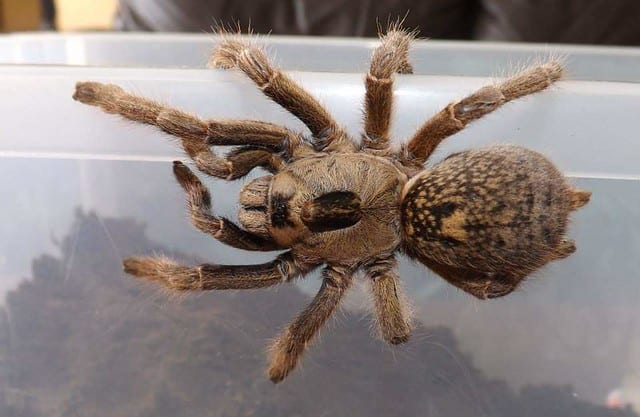
 © Daveyp1970 / CC BY-SA 4.0
大角狒狒蛛(Ceratogyrus brachycephalus)
The greater horned baboon tarantula is a burrowing baboon tarantula from southern Africa, recognizable by the large horn-like projection on its carapace. Adults reach a leg span of up to about 12 cm. It is very fast and aggressive, and its difficulty level is rated advanced. Reference material on its lifespan is limited, so no firm figure can be given. Closely related species may be mixed in among traded animals, so it is worth confirming identification before you commit. It suits keepers who enjoy watching a burrow-dwelling spider rather than handling it.
View 大角狒狒蛛(Ceratogyrus brachycephalus) encyclopedia →成交手續費 0%!2026年9月30日前註冊,前 2 筆成交免佣金!
繁殖者 招募中!
在 BreederDirect 上架,直接銷售給全國各地的客戶!
BreederDirect 承諾的 5 個透明度要點
刊登奇蟲時,繁殖者會明示以下資訊。我們保證成長階段與繁殖配對的透明性。
- 實物照片
- 繁殖單位
- 代數明示
- 體長明示
- 原產國
查看全部286個種類
奇蟲分類正在招募認證繁殖者
繁殖者正在陸續註冊,即將上架。設定上架通知,不錯過新商品。
「接收上架通知」需免費註冊會員即可設定。當有符合您儲存條件的新商品上架時,我們會以郵件和站內通知提醒您。
已註冊的繁殖者(搶先看)
大角狒狒蛛(Ceratogyrus brachycephalus)的基本資料
- 飼養難度
- 適合高級者
- 壽命
- 資料稀少
- 體型
- 腿展長 最大約12厘米
- 飲食
- 肉食(蟋蟀和蟑螂等活昆蟲)
- 飼養環境
- 由於喜歡挖掘穴洞,應鋪設深層基質以供其挖掘巢穴。在巢穴入口周圍放置樹皮和枝條供其鋪設蛛絲。應單獨飼養。
- 溫度・濕度
- 本種資料稀少。根據同屬C. sanderi的飼養信息,溫度應在21〜26℃,濕度50〜60%,並需保持通風。
- 食物・餵食
- 蟋蟀和蟑螂等與體型相當的活昆蟲。當其在巢穴中時,將食物放在穴口附近。
- 性格・毒性
- 極其敏捷且具攻擊性。同屬的C. sanderi不具刺激毛,依靠毒牙和毒液自衛,被咬傷會導致強烈疼痛、肌肉痙攣、噁心和頭痛,因此不應手養。
- 注意事項
- 流通個體中可能混有C. sanderi或雜交個體,因此入手前應確認來源。飼養時應固定蓋子以防逃逸,且不應將飼養個體放生野外。
關於大角狒狒蛛(Ceratogyrus brachycephalus)
The greater horned baboon tarantula is a burrowing southern African species with a large horn on its carapace and a leg span of up to about 12 cm. Very fast and aggressive, it is best suited to advanced keepers.
迎接大角狒狒蛛(Ceratogyrus brachycephalus)前需要了解的7件事
1Why It Is Advanced-Level
Its difficulty level is rated advanced. It is fast and aggressive, and reference material on basics such as lifespan is limited, so a careful decision is needed. It is best considered after you have gained experience with other tarantulas.
2Fast and Aggressive
This species is known for being very fast and aggressive. It tends to react defensively when disturbed, so keep work inside the enclosure to a minimum and do it calmly. It is easier to live with if you treat it as a species to watch rather than to touch.
3A Burrowing Lifestyle
Because it lives in burrows, provide substrate deep enough for it to dig. Placing a shelter or a piece of bark as a starting point for its burrow helps create a setup where it can settle in. Ensure good ventilation and balance dry and damp areas rather than keeping everything wet.
4Escape Prevention
Because it moves so quickly, the moment you open the lid is when escapes are most likely. Choose a container that closes securely and plan your cleaning and feeding steps in advance. Avoid working with bare hands and use long tongs or similar tools.
5Look-Alike Species
Closely related species may be mixed in among traded animals. The horn-like projection on the carapace is a distinctive feature, but appearance alone can be hard to judge. Ask the seller about the origin, background, and the basis for the species identification.
6Care Around Molting
Before a molt, it may eat less and stay hidden in the substrate. During and just after a molt its body is soft and easily injured, so leave it undisturbed. Remove any uneaten live prey promptly.
7Feeding and Daily Checks
Its diet is mainly insects, and uneaten food should be removed because it can make the enclosure unsanitary. Keep the water dish clean and watch how it behaves when it comes out of its burrow to keep an eye on its condition.
大角狒狒蛛(Ceratogyrus brachycephalus)的常見問題
- Q.Can a beginner keep this species?
- A.Its difficulty level is rated advanced, so it is hard to recommend as a first tarantula. Because it is very fast and aggressive, it is safer to consider it after gaining experience with other tarantulas.
- Q.How large does it get?
- A.Leg span reaches up to about 12 cm. Individuals vary, so treat this figure as an upper guide.
- Q.How long does it live?
- A.Reference material on lifespan is limited, so no clear figure is known. If this matters to you, ask the seller about any records from captive keeping.
- Q.Can I handle it?
- A.It is not recommended. It is very fast and aggressive, so it is best treated as a display animal. If you are bitten, consult a medical professional depending on your symptoms.
- Q.Could a related species be mixed in?
- A.Closely related species may be mixed in among traded animals. The horn-like projection on the carapace is a distinctive feature, but if you want certainty, ask the seller for the basis of the identification and the origin.
在圖鑑中詳細了解大角狒狒蛛(Ceratogyrus brachycephalus)
查看大角狒狒蛛(Ceratogyrus brachycephalus)的圖鑑條目 →
收錄飼養難度、壽命、體長、食性等基礎資料。