成交手续费0%!2026年9月30日前注册,前 2 笔成交免佣金!
繁殖者 招募中!
在BreederDirect发布商品,直接销售给全国客户!
我们承诺的 6 个透明度保证
在热带鱼上架商品中,繁殖者明示以下信息。确保水质适应性、气质、推荐水槽尺寸的透明度。
- 产地明示
- 实物照片
- 水质明示
- 推荐水槽
- 气质明示
- 血统明示
查看全部27个品种
已注册的繁殖者(抢先看)
孔雀鱼的基本数据
- 饲养难度
- 适合新手
- 寿命
- 1〜3年
- 体型
- 3〜5cm
- 适宜温度
- 23〜28℃
- 饮食
- 杂食(饲料片、丰年虫等)
- 水槽尺寸
- 30cm以上。由于繁殖会增加,需要预留足够空间
- 水质
- pH 6.5〜7.5,大致中性。偏好稍硬的水质
- 繁殖
- 卵胎生,约1个月周期。可用产仔箱保护幼鱼
- 注意事项
- 繁殖力强,需注意过度密集。系统管理是品种改良的关键
关于孔雀鱼
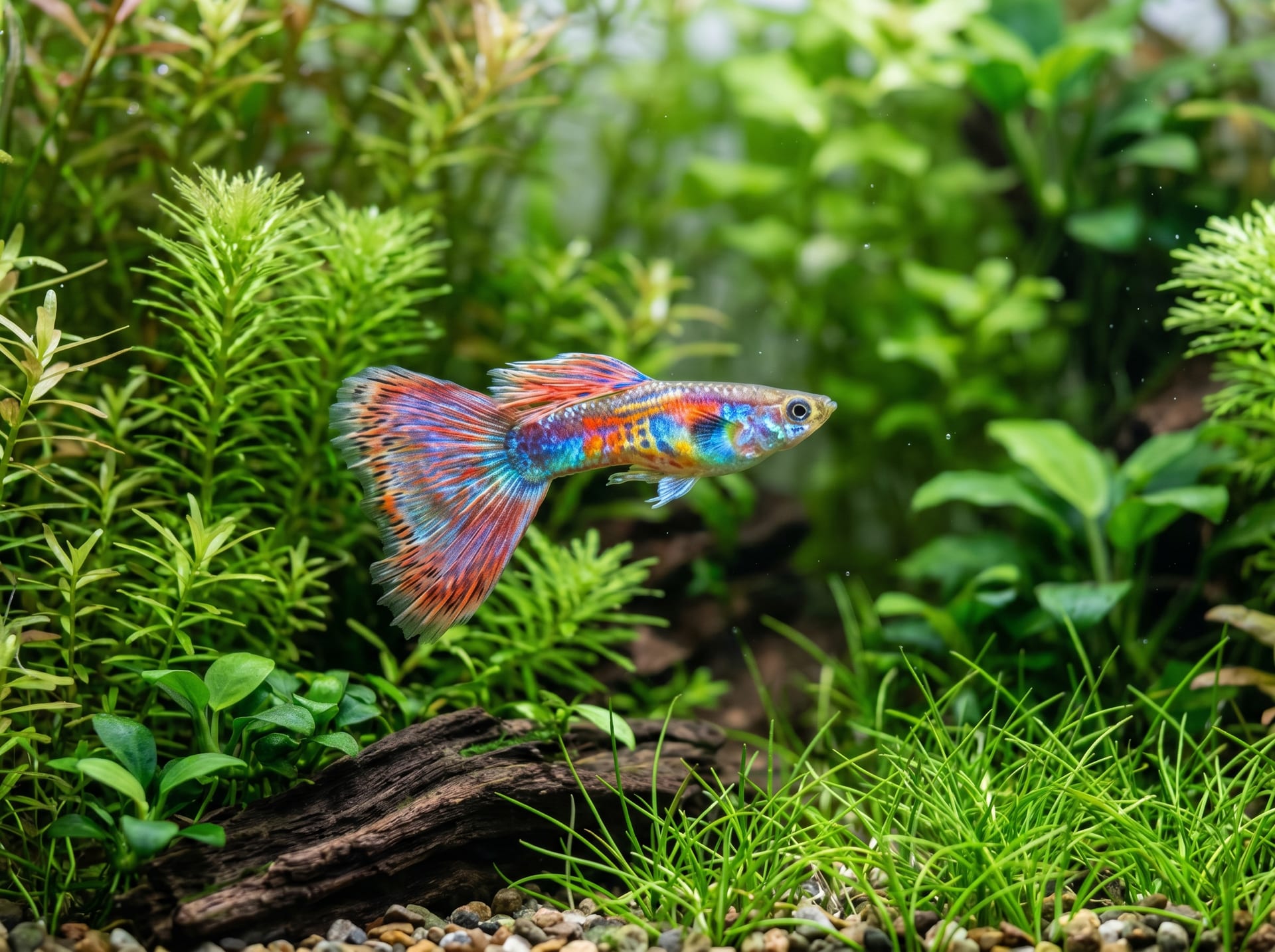
孔雀鱼原产于南美北部和加勒比海诸岛的河流与汽水域。19世纪末,英国科学家Robert John Lechmere Guppy在特立尼达岛发现了该物种,因此以其名字命名。目前市场上的观赏孔雀鱼是养殖者长年品种改良的成果,尾鳍形状多样,包括圆尾、三角尾和剑尾等,体色也有红、蓝、黄、黑、金属色等无数变化。雄鱼体型较小,色彩鲜艳;雌鱼颜色较暗淡,但一次产卵能产20~100尾左右的幼鱼,生命力顽强。其温和活泼的性格为社区缸增添生机,繁殖也易于上手体验。在日本,孔雀鱼长期以来被誉为"热带鱼之王",从初学者到追求品种改良的专业爱好者,都广泛欣赏这一水族箱的经典品种。
迎接孔雀鱼前需要了解的7件事
1最适水温为24〜26℃
孔雀鱼是热带鱼,因此必须稳定保持24〜26℃的水温。当水温降至20℃以下时,鱼的活动会变得迟钝,容易患病。请准备加热器和温度调节器,确保全年维持适温。
2公鱼和母鱼外形差异很大
公鱼拥有色彩鲜艳的大尾鳍,观赏价值高,而母鱼体型较大但外形平凡。许多人工培育的孔雀鱼品种都以追求公鱼的美感为主,因此购买时应根据用途选择相应的性别。
3繁殖能力非常强
孔雀鱼是卵胎生鱼类,母鱼大约每4周会产出稚鱼。只要将雄鱼和雌鱼放在同一水槽中,它们就会繁殖,个体数量可能会迅速增加。如果不希望繁殖,建议只饲养雄鱼或仅饲养雌鱼,或者考虑将它们分开到不同的水槽中。
4稚鱼有时会被亲鱼吃掉
刚出生的稚鱼非常小,容易被亲鱼或其他鱼类吃掉。如果想要养育稚鱼,准备一个产卵盒或隔离水槽是一种有效的方法。种植大量水草为稚鱼创造躲避场所也是常用的做法。
5混养伙伴应选择温和的种类
孔雀鱼性格温和,适合与其他小型热带鱼混养。但应避免与大型鱼、口大的鱼类,或有啃咬鱼鳍习性的Puntius属鱼类混养。与偏好相同水质和水温的小型温和物种混养效果最佳。
6需要注意水质恶化
孔雀鱼对一定程度的水质变化具有适应能力,但对氨和亚硝酸盐的积累较为敏感,可能会出现尾鳍溶解等症状。建议每周进行约1/3的换水,并定期对过滤器进行维护。
7初期费用相对较低
在热带鱼中,孔雀鱼相对便宜,常见品种可从几百日元起购买。所需器材的基本配置包括水槽、加热器、过滤器和照明,即使用20~45L的小型水槽也可以开始。不过,稀有品种或针对比赛改良的品种可能需要数千至数万日元。
孔雀鱼的常见问题
- Q.孔雀鱼对初学者来说容易饲养吗?
- A.只要能进行基本的水槽管理,初学者完全可以饲养。不过,如果疏于管理水质和雌雄比例,鱼容易生病。因此建议在开始饲养前先掌握基础知识,会更加放心。
- Q.从多少条开始最好呢?
- A.30厘米水缸通常从雄鱼2~3条或一对(雄鱼1条、雌鱼2~3条)开始饲养。如果进行繁殖,数量会迅速增加,建议从能管理的规模开始。
- Q.孔雀鱼的寿命有多长?
- A.在人工饲养下,平均寿命约为1~2年。通过保持水质和水温的稳定、提供营养均衡的食物以及营造低压力的环境,有利于延长其寿命和保持健康。
- Q.如何防止幼鱼被亲鱼吃掉?
- A.将即将产卵的母鱼移到产卵网或另一个水槽中是最可靠的方法。通过培养水草(爪哇莫丝等)可以使幼鱼更容易躲藏,从而有望减少被吃掉的幼鱼数量。
- Q.怎样区分公鱼和母鱼?
- A.公鱼身体较小,尾鳍较大,色彩鲜艳,腹部有Gonopodium(棒状的交配器官)。母鱼身体较大,尾鳍不显眼,腹部圆润。出生后1〜2个月左右就可以进行判别。
适合饲养孔雀鱼的实用工具
Learn more about 孔雀鱼 in the encyclopedia
查看孔雀鱼的图鉴条目 →
收录饲养难度、寿命、体长、食性等基础数据。