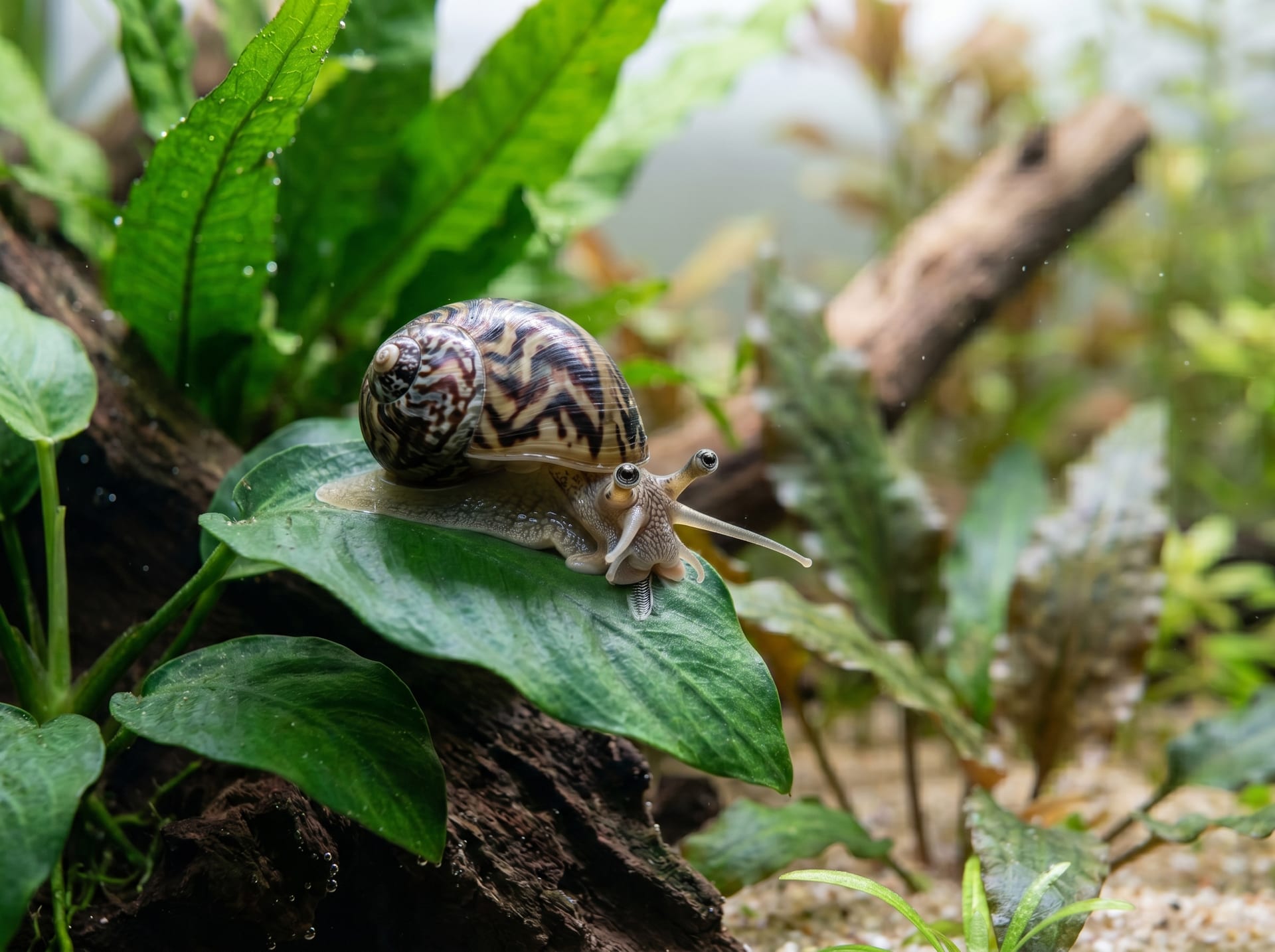
螺类
贝类和螺类是实用的鱼缸清洁工,以吃藻类和食物残渣著称。不同种类的琉璃螺、石卷贝、小球螺等各具特色,观察它们独特的运动方式也很有趣。即使是初学者也相对容易饲养,也适合与热带鱼混养。
View 螺类 encyclopedia →成交手续费0%!2026年9月30日前注册,前 2 笔成交免佣金!
繁殖者 招募中!
在BreederDirect发布商品,直接销售给全国客户!
我们承诺的 6 个透明度保证
在热带鱼上架商品中,繁殖者明示以下信息。确保水质适应性、气质、推荐水槽尺寸的透明度。
- 产地明示
- 实物照片
- 水质明示
- 推荐水槽
- 气质明示
- 血统明示
查看全部27个品种
热带鱼分类正在招募认证繁殖者
繁殖者正在陆续注册,即将上架。设置上架通知,不错过新商品。
「接收上架通知」需免费注册会员即可设置。当有符合您保存条件的新商品上架时,我们会通过邮件和站内通知提醒您。
已注册的繁殖者(抢先看)
螺类的基本数据
- 饲养难度
- 适合新手
- 寿命
- 1-2 years
- 体型
- 2-3cm
- 适宜温度
- 18〜28℃
- 饮食
- Algae (brown, green, and spot algae)
- Algae control
- Scrapes tough algae off glass and rocks
- Water
- Prefers neutral to slightly alkaline; strong acidity erodes the shell
- Breeding
- Lays eggs that do not hatch in freshwater, so no overpopulation
- Notes
- Cannot right itself if flipped; turn it back over
- Escape
- May crawl out above the waterline; use a lid
关于螺类
贝类和螺类是古老的水族箱无脊椎动物,在自然界中栖息于河流、湖泊、河口地带等各种水域。它们在20世纪中期之后广泛普及到水族箱饲养,这是因为人们认识到了它们在清除藻类和处理残饵方面的实用价值。外观因种类而异很大,有鲜艳的红色或蓝色琉璃螺、有美丽条纹的黑眼螺,还有虽然外表不起眼但藻类清洁能力很强的石卷贝,以及日本本土的小球螺等,形状、颜色、大小也各不相同。它们的性格总体温和,不会攻击其他生物。看着它们缓缓爬过鱼缸,一点点刮去藻类的样子具有独特的治愈效果,观察它们不会让人感到厌烦。饲养它们的魅力首先在于它们是"帮助水族箱生态系统的存在",用自然的方式帮助分解鱼类无法完全管理的藻类和有机物。
迎接螺类前需要了解的7件事
1不同种类的角色不同
石纹螺清理玻璃面上的藻类,小田螺分解底床中的有机物,苹果螺处理残留饲料,不同种类各有所长。根据目的选择合适的种类能提高水槽管理的效率。
2注意繁殖速度
苹果螺和田螺等在条件合适时会爆炸性繁殖,水槽内瞬间就可能被螺覆盖。应避免过量喂食,若个体数量激增,需要及时疏减。
3容易逃脱
螺会沿着水槽壁面爬行向上,可能从盖子缝隙中逃脱。一旦干燥就会在短时间内死亡,因此必须盖住水槽或堵住缝隙。
4水质和pH值管理很重要
贝壳由钙质组成,在酸性水质中会溶解变薄。请维持pH 7.0〜7.5左右的中性至弱碱性水质,并根据需要用牡蛎壳等补充钙质。
5铜具有很强的毒性
有些市售的鱼药和水草活性剂含有铜成分,对贝类非常有害。进行药浴时,必须将贝类隔离,并务必确认所使用药品的成分标签。
6选择混养的伴侣
阿维尼河豚和皇冠鱼等喜欢捕食贝类,不适合混养。与虾和小型脂鲤的相性良好,容易保持相互不干扰的平静环境。
7死亡的贝类应及早移除
贝类死亡后,壳内腐烂加快,氨气迅速增加,水质会急剧恶化。对于不活动的个体,轻轻戳一下看是否有反应,如果确认已经死亡,应立即移除。
螺类的常见问题
- Q.贝类数量太多应该怎么处理?
- A.可以手动移除,或暂时引入吃螺类的河豚或某些鳎鱼。同时,避免过度喂食有助于抑制繁殖。从根本上讲,选择繁殖率较低的种类(如石卷螺)是有效的预防方法。
- Q.石卷螺的壳变白的原因是什么?
- A.贝壳泛白主要是由水质酸化和钙质缺乏引起的。请检查pH值和硬度,必要时可添加墨鱼骨或牡蛎壳来补充钙质。已经溶解的部分无法恢复,但通过适当的管理可以防止进一步恶化。
- Q.可以和热带鱼一起饲养吗?
- A.大多数热带鱼可以无问题地混养,但应避免与具有食贝习性的鱼种(如豌豆河豚、皇冠鳅等)混养。与霓虹脂鲤、孔雀鱼、鼠鱼等温和的鱼类相性良好。建议在引入前确认混养伙伴的食性。
- Q.螺类会吃水草吗?
- A.大多数种类不会食害健康的水草,但可能会啃食枯萎的叶片和柔软的水草(如苔藓)。尤其是红卵螺倾向于啃食柔软的植物,因此需注意与娇嫩水草的搭配。石卷贝和玛丽螺对水草的影响相对较小。
- Q.螺类的寿命有多长?
- A.寿命长短因种类而异。石卷贝约为1~2年,角螺约为1~2年,神秘螺约为3~5年左右。通过适当的水质管理和营养补给,可以让它们更加健康长寿。购买时如果已经是成体,剩余寿命可能较短,因此确认其状态很重要。
适合饲养螺类的实用工具
在图鉴中详细了解螺类
查看螺类的图鉴条目 →
收录饲养难度、寿命、体长、食性等基础数据。