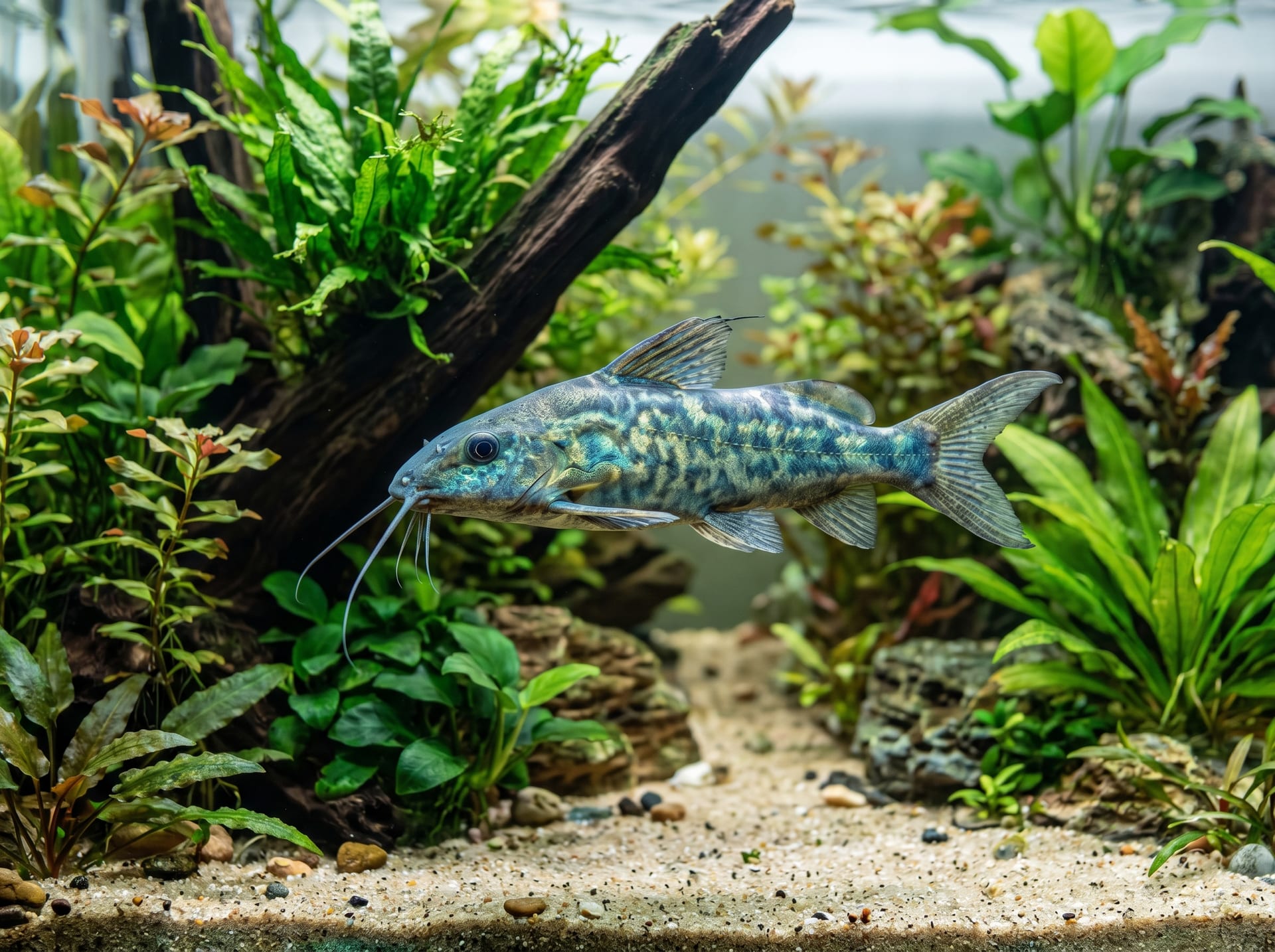
Large catfish are impressive tropical fish known for their bold presence and distinctive appearance, making them a centerpiece of any large aquarium. Depending on the species, they can grow beyond 60 cm, offering a dynamic and rewarding keeping experience. Mostly bottom-dwelling and nocturnal, their preference for hiding spots provides fascinating behavioral observation opportunities.
前3笔销售免佣金!在2026年7月31日前注册为繁殖者,前3笔销售免佣金!
繁殖者 招募中!
在BreederDirect发布商品,直接销售给全国客户!
在热带鱼上架商品中,繁殖者明示以下信息。确保水质适应性、气质、推荐水槽尺寸的透明度。
繁殖者正在陆续注册,即将上架。设置上架通知,不错过新商品。
「接收上架通知」需免费注册会员即可设置。当有符合您保存条件的新商品上架时,我们会通过邮件和站内通知提醒您。
想上架热带鱼吗?
注册成为繁殖者,即可与买家直接联系。
价格区间
地区
属性
Large catfish belong to the order Siluriformes and are found across rivers and lakes worldwide, from the Amazon basin to Southeast Asia and Africa. They have a long history of being valued both as food and as ornamental fish by local communities, and remain consistently popular in the aquarium hobby. Their most distinctive physical feature is their long barbels — whisker-like sensory organs that detect subtle vibrations and chemical signals in the water. Body coloration and shape vary enormously by species, ranging from intricately spotted plecos to near-black, torpedo-shaped varieties. While generally timid and peaceful, they will instinctively prey on fish small enough to swallow, so careful tankmate selection is essential. Watching them explore at night or cautiously peek out from their hiding spots offers a unique observational experience unlike any other tropical fish. The opportunity to build a lasting relationship with such a commanding creature is, for many keepers, the greatest reward of large catfish keeping.
1A Large Tank Is Essential
Many large catfish grow to 60–100 cm or more as adults, requiring tanks of at least 150–200 cm in length. Even if they appear small at purchase, plan ahead and set up a tank sized for their full adult length from the start.
2Robust Filtration Is a Must
Large catfish eat heavily and produce significant waste, causing water quality to deteriorate quickly. Use high-capacity filtration such as combined external and canister filters, and perform water changes one to two times per week to maintain stable water conditions.
3Nocturnal and Cave-Loving
Most large catfish are nocturnal, spending daytime hours hidden under driftwood or inside caves. Providing adequate hiding spots reduces stress and encourages natural behavior. Evening and nighttime are the best times to observe them in action.
4Be Careful with Tank Mates
Large catfish may eat tank mates that fit in their mouth, so choosing appropriately sized companions is critical. Fish of similar or larger size are safer choices, and some aggressive species are best kept alone.
5Water Temperature and Quality
Most tropical large catfish prefer water temperatures of 25–28°C and are sensitive to sudden temperature changes. A pH of 6.5–7.5 (slightly acidic to neutral) suits most species, though requirements vary. Consider keeping a spare heater, as a malfunction can be fatal.
6Feeding: Type and Quantity
Large catfish are mostly carnivorous to omnivorous; feed them a balanced diet of sinking pellets, frozen bloodworms, and shrimp. Remove uneaten food promptly, and offer only what they can consume within one to two hours. During growth stages, feeding several times a week is often sufficient.
7Understand the Long-Term Costs
Initial costs including a large tank, powerful filtration, heaters, and lighting can be substantial, and ongoing expenses such as electricity and water bills will also rise. Some large catfish live 10–20 years or more, so creating a long-term care plan and budgeting in advance is essential.