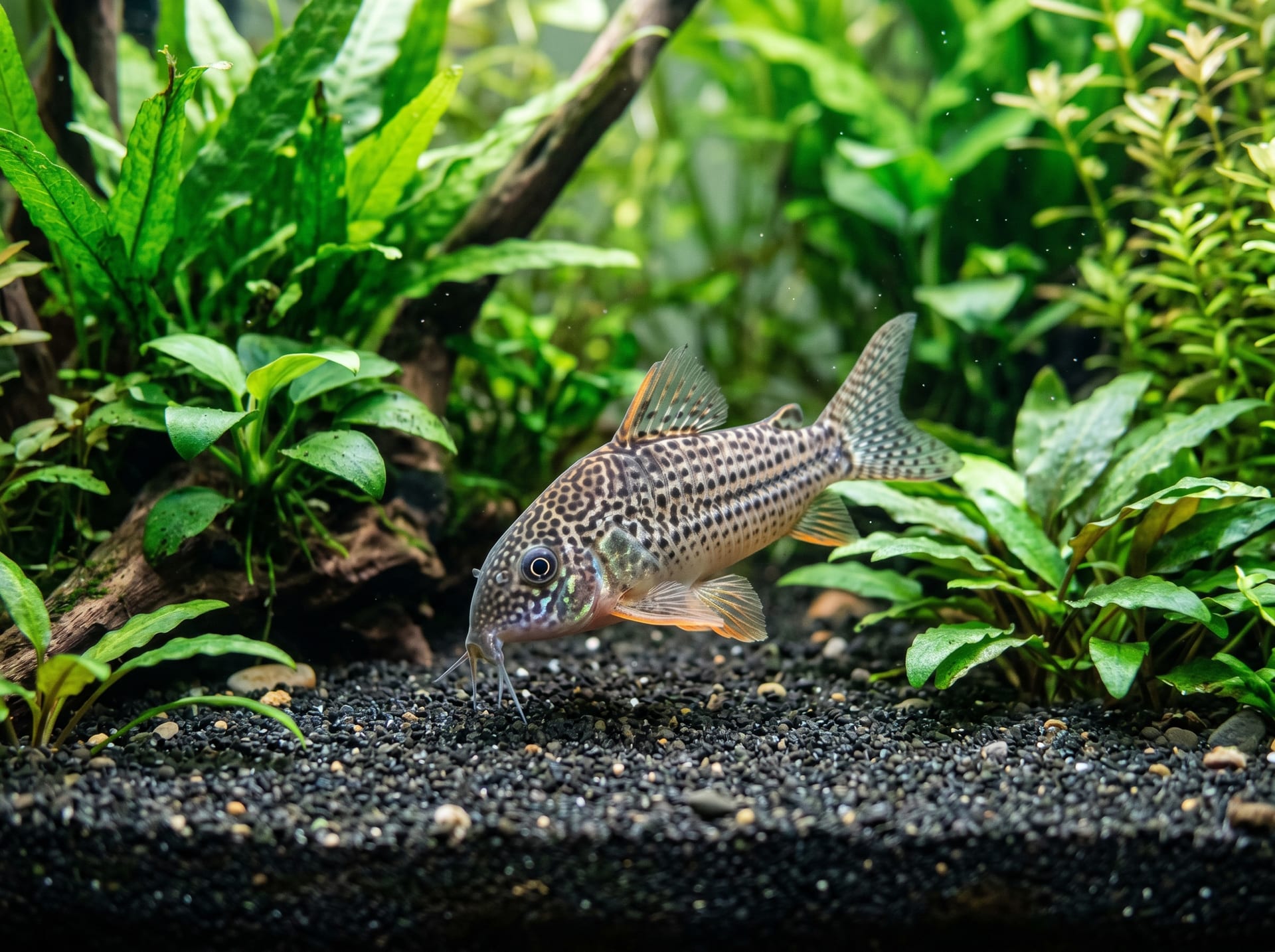
鼠鱼
一条可爱的小型鲶鱼,在底砂中蓬松地觅食。成群饲养时更加活跃。性格温和,适合混养。收集爱好者众多。寿命5〜10年。成体体长3〜8cm。沉性饲料片、冷冻赤虫。
View 鼠鱼 encyclopedia →成交手续费0%!2026年9月30日前注册,前 2 笔成交免佣金!
繁殖者 招募中!
在BreederDirect发布商品,直接销售给全国客户!
我们承诺的 6 个透明度保证
在热带鱼上架商品中,繁殖者明示以下信息。确保水质适应性、气质、推荐水槽尺寸的透明度。
- 产地明示
- 实物照片
- 水质明示
- 推荐水槽
- 气质明示
- 血统明示
查看全部27个品种
热带鱼分类正在招募认证繁殖者
繁殖者正在陆续注册,即将上架。设置上架通知,不错过新商品。
「接收上架通知」需免费注册会员即可设置。当有符合您保存条件的新商品上架时,我们会通过邮件和站内通知提醒您。
已注册的繁殖者(抢先看)
鼠鱼的基本数据
- 饲养难度
- 适合新手
- 寿命
- 5~10年
- 体型
- 3〜8cm
- 饮食
- 下沉性颗粒饲料、冷冻红虫
- 水槽
- 群泳推荐45cm以上
- 底砂
- 细沙无棱角为理想
- 群泳
- 饲养5条及以上。同种最佳
- 水温
- 22〜26℃
- 注意事项
- 许多种类对药物敏感。药浴宜用半量
关于鼠鱼
鼠鱼是一类主要分布于南美亚马逊河流域的小型鲶鱼,已知160多种,自19世纪以来科学记载不断进展,至今仍有新种不断被发现。体长因种而异,约3〜8cm,以骨板(盾鳞)覆盖身体而非鳞片为特征。口周有2对感觉须,用这些须在底砂中探寻食物,那种可爱的"蓬松"觅食姿态是其人气的来源。性格极其温和,虽有胆怯的一面,但喜欢群居,因此多条饲养是基本原则。也适合与脂鲤类混养,作为底层清洁工为水族箱的生态平衡做出贡献。体质强健,抗病力相对较强,在适当的环境下可期待5〜10年的长期陪伴,从初学者到收集爱好者都广泛支持的热带鱼。
迎接鼠鱼前需要了解的7件事
1群体饲养是基本
鼠鱼具有较强的社会性,喜欢群体生活。据说单独饲养时容易变得胆怯,容易受到压力。将同种鼠鱼以3~6匹或以上集中饲养,可以观察到它们活泼地游动的自然行为。
2底砂的选择很重要
鼠鱼有用口吻翻动底砂寻找食物的习性,因此带有锐角的砂砾可能会伤害它们的嘴部和胡须。选择细粒且边缘圆滑的河沙或水族土,既能防止胡须受损,又能促进它们的自然采食行为。
3水质应稳定在弱酸性~中性
大多数鼠鱼原产于亚马逊河流域,偏好pH 6.0〜7.5、水温22〜26℃的水质。由于对水质的急剧变化较为敏感,建议每次换水约占总水体的三分之一为目标,同时需要注意避免温度急变和氯气的影响。
4投喂沉底饲料
鼠鱼主要活动于底层,因此水面漂浮的薄片饲料几乎无法进食。将沉底型的锭状饲料、冷冻血虫或丝蚯蚓投到底部后,它们能有效摄食,营养平衡也更容易维持。
5谨慎选择混养伙伴
温和且不会攻击其他鱼类的鼠鱼与许多中层和上层鱼类兼容性好,但与大型肉食鱼或领地意识强的鱼类混养会存在压力和被捕食的风险。将其与体型相近的温和热带鱼(如灯鱼、倒吊鱼等)搭配饲养最为理想。
6注意体表硬鳞
鼠鱼的身体不是被普通鳞片覆盖,而是被称为骨板的硬甲壳状组织覆盖,这种结构为身体提供了防御保护功能。正因为这样的结构特点,用网兜捞鱼时鱼鳍容易被挂伤,因此在移动鱼只时建议用较大的容器轻轻捞取。
7注意导入初期的白点病
新进的鱼在陌生环境中容易免疫力下降,进而容易感染白点病(小瓜虫病)。购买后建议在隔离水槽中观察约2周,然后再移入主水槽,这样可以有效降低对现有鱼只的感染风险。
鼠鱼的常见问题
- Q.鼠鱼可以只养1条吗?
- A.虽然技术上可以单独饲养,但由于鼠鱼天性喜欢群居,单独饲养时鱼儿会感到不安定,容易产生压力。建议至少饲养3条同种的鼠鱼。
- Q.鼠鱼适合在水草缸里饲养吗?
- A.鼠鱼与水草缸相性良好,配合不易伤根的细粒砂使用,可以正常饲养。但由于它们在底部活动频繁,浮根水草容易被拔起。
- Q.可以和其他热带鱼混养吗?
- A.鼠鱼性格温和,适合与灯鱼、孔雀鱼、玛丽鱼等小型温和品种混养。但应避免与能吞食相似体型食物的大型肉食鱼,以及会骚扰鼠鱼的好斗鱼类混养。
- Q.鼠鱼在底部不动是病吗?
- A.鼠鱼本身动作缓慢,经常静止不动,这是正常现象。但如果出现触须腐烂、体色褪色、呼吸急促等情况,可能是水质恶化或疾病的信号。请同时观察食欲和体态,综合判断。
- Q.鼠鱼的寿命是多少?
- A.在适当的饲养环境中,它们可以活5〜10年左右,也有长寿个体的报告。水质管理、适当的饲食和低压力的环境是长寿的关键。
适合饲养鼠鱼的实用工具
Learn more about 鼠鱼 in the encyclopedia
查看鼠鱼的图鉴条目 →
收录饲养难度、寿命、体长、食性等基础数据。