成交手续费0%!2026年9月30日前注册,前 2 笔成交免佣金!
繁殖者 招募中!
在BreederDirect发布商品,直接销售给全国客户!
我们承诺的 6 个透明度保证
在热带鱼上架商品中,繁殖者明示以下信息。确保水质适应性、气质、推荐水槽尺寸的透明度。
- 产地明示
- 实物照片
- 水质明示
- 推荐水槽
- 气质明示
- 血统明示
查看全部27个品种
热带鱼分类正在招募认证繁殖者
繁殖者正在陆续注册,即将上架。设置上架通知,不错过新商品。
「接收上架通知」需免费注册会员即可设置。当有符合您保存条件的新商品上架时,我们会通过邮件和站内通知提醒您。
已注册的繁殖者(抢先看)
神仙鱼的基本数据
- 饲养难度
- 适合中级者
- 寿命
- 10~15年
- 体型
- 12~15厘米(体高超过20厘米)
- 适宜温度
- 25〜30℃
- 饮食
- 人工配合饲料、冷冻饵料
- 容器与水槽
- 体高有时会超过20厘米,因此必须使用有高度的水族箱。推荐高度45厘米以上。
- 水温与水质
- 喜欢25~30℃的偏暖水温,适合弱酸性至中性(pH6.5~7.0)的环境。
- 混养
- 可能会吃小型鱼。需要注意
- 饵料与喂食
- 除配合饲料外,也广泛接受冷冻红虫、丰年虾等,很少出现开食困难。
- 繁殖与产卵
- 配对形成后会在平坦的叶片、沉木或玻璃面上产卵,双亲轮流守护卵和幼鱼。
- 健康与注意事项
- 具有慈鲷特有的强烈领地意识,有些个体成长后脾气会变强。尤其在繁殖期,配对会驱赶其他鱼。
关于神仙鱼
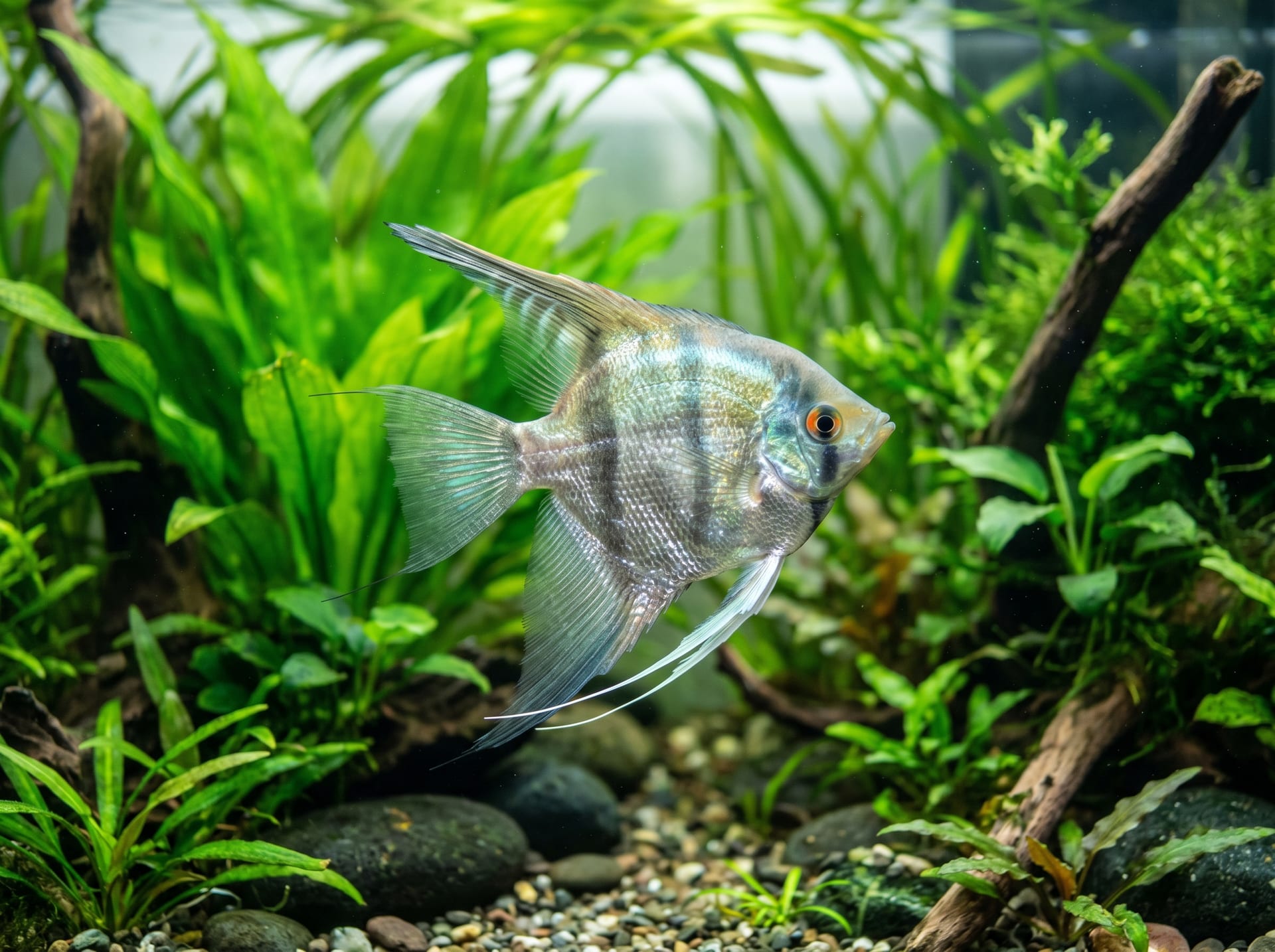
天使鱼(学名:Pterophyllum scalare)是原产于南美亚马逊河流域的慈鲷科热带鱼。其菱形的体态和展开的背鳍与腹鳍优雅的轮廓,就像漂浮在水中的叶片一样,因此有时被称为"热带鱼皇后"。自1920年代传入欧洲以来,经过不断的品种改良,现在已存在金色、大理石纹、烟灰色、蕾丝纹等多种色彩变种。天使鱼的性格基本温和,具有一定的智慧,许多个体能够识别喂食者并主动靠近。其繁殖行为易于观察,从产卵到照顾幼鱼的整个过程中亲鱼都会积极参与,这种情景往往能给饲养者带来深刻的感动。天使鱼与水草造景水族箱的搭配效果极佳,是一种能够充分享受热带鱼饲养乐趣和深度的品种。
迎接神仙鱼前需要了解的7件事
1水族箱尺寸:60cm以上
天使鱼体型高度较大,向上生长空间需求大,因此需要60cm以上的水槽。成鱼体高可达15cm左右,选择足够高的水槽能让它们自由舒适地游动。过密饲养会导致压力和疾病,需要注意。
2水温以26~28℃为宜
天使鱼原产于亚马逊河流域,喜欢温暖柔和的水质。将水温稳定在26~28℃时,鱼的状态能保持良好。急剧的温度变化会导致身体不适,因此应通过加热器和温度调节器来管理。
3谨慎选择混养伙伴
天使鱼性格温和,但会捕食能吞入口中的小型鱼(如霓虹灯鱼等)。另外,有啃食鱼鳍习性的鱼(如孔雀鱼等)与其混养容易出现问题。建议与体格相近且性格温和的中型鱼搭配饲养。
4繁殖期领地意识会增强
天使鱼配对后会将产卵床周围的区域视为领地加以保护,有时会猛烈追赶其他鱼类。如果想体验繁殖,将配对鱼移至独立鱼缸可以提高幼鱼的存活率。产卵通常在沉木或广叶水草的表面进行。
5注意消化系统疾病
天使鱼除了易患白点病外,还容易出现腹水症和肠炎等消化系统问题。过量投喂冷冻血虫等活饵会导致消化不良,因此需要适当控制投喂量和频率。水质恶化会诱发疾病,因此每周换水一次左右是基本原则。
6饵料要多样化
天使鱼是杂食性鱼类,以片状人工饲料为主食,同时每周数次投喂冷冻丰年虫和血虫,能够维持营养均衡。每天投喂2次,以3〜5分钟内吃完的量为标准,及时清除残饵可保持水质。
7初期费用和维持费的估计
60cm鱼缸套装、过滤器、加热器、照明等初期投资大约需要1〜3万円。天使鱼本身普通品种只需数百円〜数千円,但稀有品种可能需要数千円以上。每月维护费用包括电费、耗材和饲料等,建议预留2,000〜5,000円左右。
神仙鱼的常见问题
- Q.初学者也能饲养天使鱼吗?
- A.如果能进行基本的水质管理,初学者也可以饲养,但由于需要稳定管理水温和pH,相比金鱼或热带鱼等入门种类来说需要花费更多功夫。建议先做好水槽环境的准备,再迎接鱼儿会更放心。
- Q.最多能一起饲养多少条?
- A.60cm水槽的标准是2〜3条。配对形成后可能会追赶其他个体,所以小水槽的情况下建议以配对或单独饲养为宜。如果是90cm以上的水槽,也可以欣赏多条鱼群游的美景。
- Q.能和新红绿灯鱼混养吗?
- A.成年天使鱼可能会捕食新红绿灯鱼,因此基本上建议避免混养。如果从幼鱼时期开始一起饲养,捕食情况可能会减少,但不能保证。
- Q.寿命有多长?
- A.在适当的环境中饲养时,天使鱼的平均寿命约为8〜12年。良好的水质管理和营养均衡的食物是长寿的关键,建立一个压力较少的环境是很重要的。
- Q.怎样才能进行繁殖?
- A.饲养多条雌雄鱼时,自然会形成配对。通过提供宽叶水草或竖放的石板作为产卵床,可以促进产卵。孵化后,如果将幼鱼与亲鱼隔离,生存率会提高,但如果想观察亲鱼的保护行为,也可以继续观察。
适合饲养神仙鱼的实用工具
在图鉴中详细了解神仙鱼
查看神仙鱼的图鉴条目 →
收录饲养难度、寿命、体长、食性等基础数据。