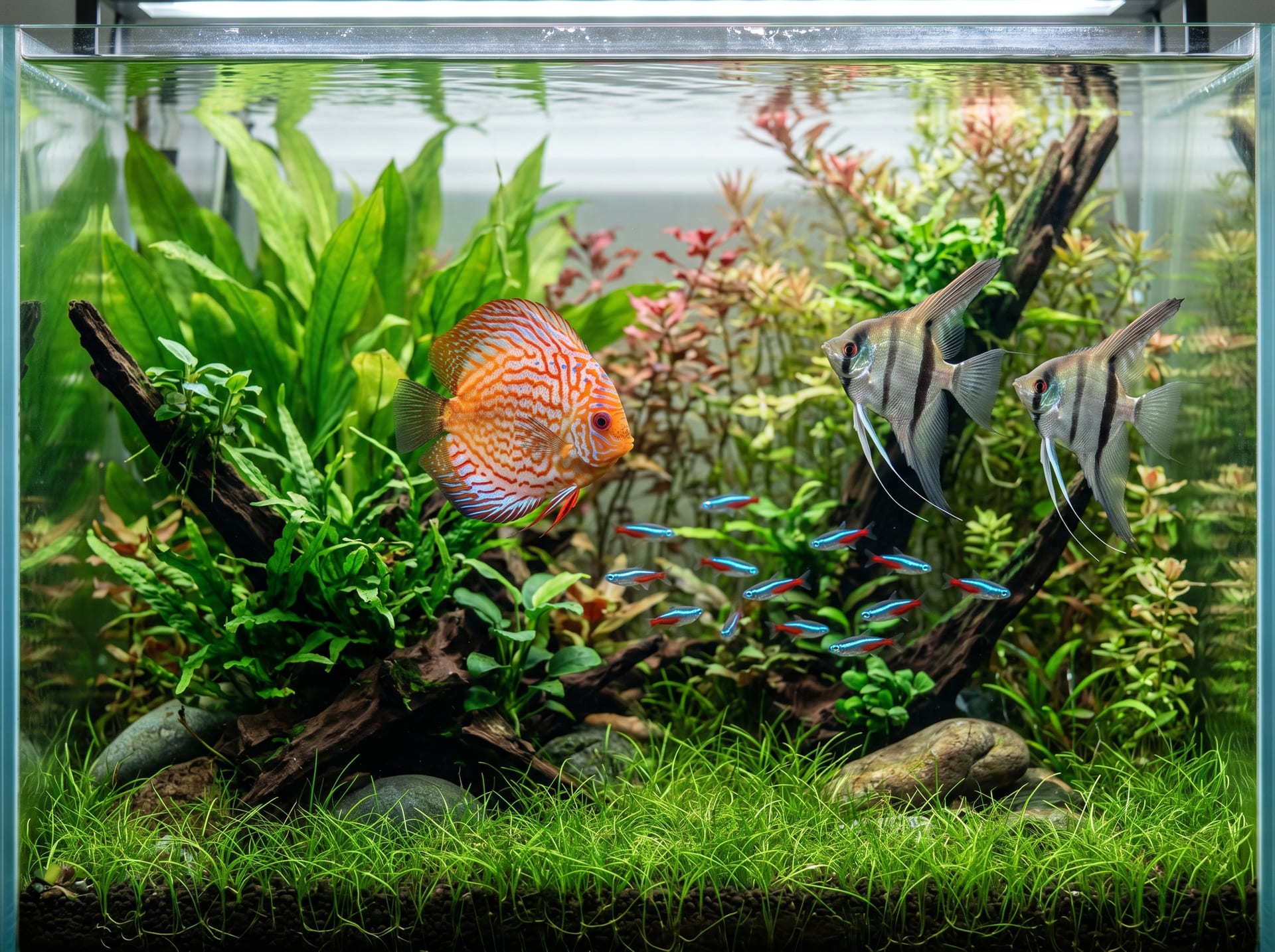
其他热带鱼
「其他热带鱼」包含了除流行种以外的多种个性鲜明的热带鱼,每种都具有独特的生态特征和美学价值。由于不同种类对水质、水温和饲养空间的要求差异很大,在饲养前应充分了解目标鱼的特性。与多样化、富有魅力的热带鱼相遇,将进一步拓展水族馆的乐趣。
成交手续费0%!2026年9月30日前注册,前 2 笔成交免佣金!
繁殖者 招募中!
在BreederDirect发布商品,直接销售给全国客户!
我们承诺的 6 个透明度保证
在热带鱼上架商品中,繁殖者明示以下信息。确保水质适应性、气质、推荐水槽尺寸的透明度。
- 产地明示
- 实物照片
- 水质明示
- 推荐水槽
- 气质明示
- 血统明示
查看全部27个品种
热带鱼分类正在招募认证繁殖者
繁殖者正在陆续注册,即将上架。设置上架通知,不错过新商品。
「接收上架通知」需免费注册会员即可设置。当有符合您保存条件的新商品上架时,我们会通过邮件和站内通知提醒您。
已注册的繁殖者(抢先看)
关于其他热带鱼
「其他热带鱼」是指不属于孔雀鱼或霓虹灯鱼等定番种的多种多样热带鱼的统称。它们的原产地遍布世界——包括亚马逊河的黑水区、东南亚湍急的溪流和非洲的大型湖泊等。外观形态同样多样,从细长如箭的体型到鳍优雅展开的种类,再到体表被坚硬鳞片覆盖如铠甲一般的种类,各有各的特点。性格上,既有温和适合混养的种类,也有强烈领地意识需要单独饲养的种类。饲育的妙趣在于,在自己的水族馆中培养全球知名度尚不高的珍稀物种所带来的满足感;深入研究越多,越能发现这个世界的奥妙。根据不同种类研究各异的水质、饲料和景观布置,并在饲育过程中不断探索,即使是经验丰富的水族爱好者也会获得新的发现。
迎接其他热带鱼前需要了解的7件事
1不同种类需要不同的饲养环境
热带鱼的水温、pH值和硬度需求因种类而异。购入前建议提前了解相关鱼种的原产地和生态习性,掌握所需的水质条件。若在同一鱼缸中混养多个品种,选择水质条件相近的种类是基本原则。
2确认鱼缸大小
小型鱼种即使群养也需要充足的水量,大型鱼类更是如此。应事先确认成鱼的体型大小,并准备好能长期饲养的鱼缸。饲养过度密集会导致水质恶化和鱼类压力增加。
3检查混养的相容性
热带鱼中有领地意识强的种类,也有容易攻击其他鱼的种类。进行混养时,选择性情、体型和食性接近的种类可以减少冲突。食肉性强的种类应避免与小型鱼混养。
4过滤与换水的基本
热带鱼的健康维持需要适当的过滤系统和定期换水。一般来说,每周进行一次,交换水槽容积的1/4~1/3是标准做法。同时需要定期维护过滤滤芯,保持水质稳定。
5初期费用与维护费
需要投资购置鱼缸、加热器、过滤滤芯、照明等初期设备。电费、饲料费和耗材(如滤芯更换材)的维护费用也会每月产生。珍稀种类或大型种类可能需要更高的成本,因此应提前估算好预算。
6隔离与治疗
迎接新鱼时,为防止疾病传染给现有的鱼,建议在单独的水箱中隔离1~2周。在此期间观察是否有异常,如果没有问题就将其移到主水箱中。隔离对于珍稀品种和进口鱼尤其重要。
7饲料种类与喂食方法
热带鱼的食性因品种而异,需要根据情况灵活使用人工饲料、冷冻饵料和活饵等。过度喂食是水质恶化的主要原因,因此建议每天1~2次,喂食量以2~3分钟内吃完为目标。要及时清除剩余的食物。
其他热带鱼的常见问题
- Q.初学者也能饲养珍稀的热带鱼吗?
- A.有些品种确实适合初学者饲养,但许多珍稀品种需要做好水质管理和饵料工作。我们建议先选择饲育信息丰富的品种,在熟悉基本的水箱管理后再挑战珍稀品种。
- Q.可以在同一个鱼缸中混养多个物种吗?
- A.是否能混养很大程度上取决于品种的组合。如果品种在对水质的偏好、性格和活动层次相近,就容易共存,但事先了解各品种的习性是必不可少的。请参考店铺职员或专业书籍来确认相容性。
- Q.合适的水槽尺寸应该多大?
- A.所需的水槽尺寸取决于目标鱼的成鱼体型和饲养数量。一般而言,小型种(5cm以下)需要30〜60cm水槽,中型种需要60〜90cm,大型种需要90cm以上。过度拥挤的饲养会导致水质恶化和鱼类压力,因此选择宽敞的尺寸很重要。
- Q.鱼生病了应该怎么处理?
- A.如果发现异常,首先将患病的鱼转移到另一个隔离水槽中,以防止对其他鱼的感染。观察症状(白点、鱼鳍充血、游泳异常等),并在咨询热带鱼专业店或兽医后使用适当的药物。早期发现和早期治疗是恢复的关键。
- Q.可以享受繁殖的乐趣吗?
- A.虽然有些种类相对容易繁殖,但繁殖条件(水温、水质、产卵场所、幼鱼饲料)因种类而异。若以繁殖为目标,务必事先通过专业书籍或值得信赖的网站研究相应种类的繁殖方法。