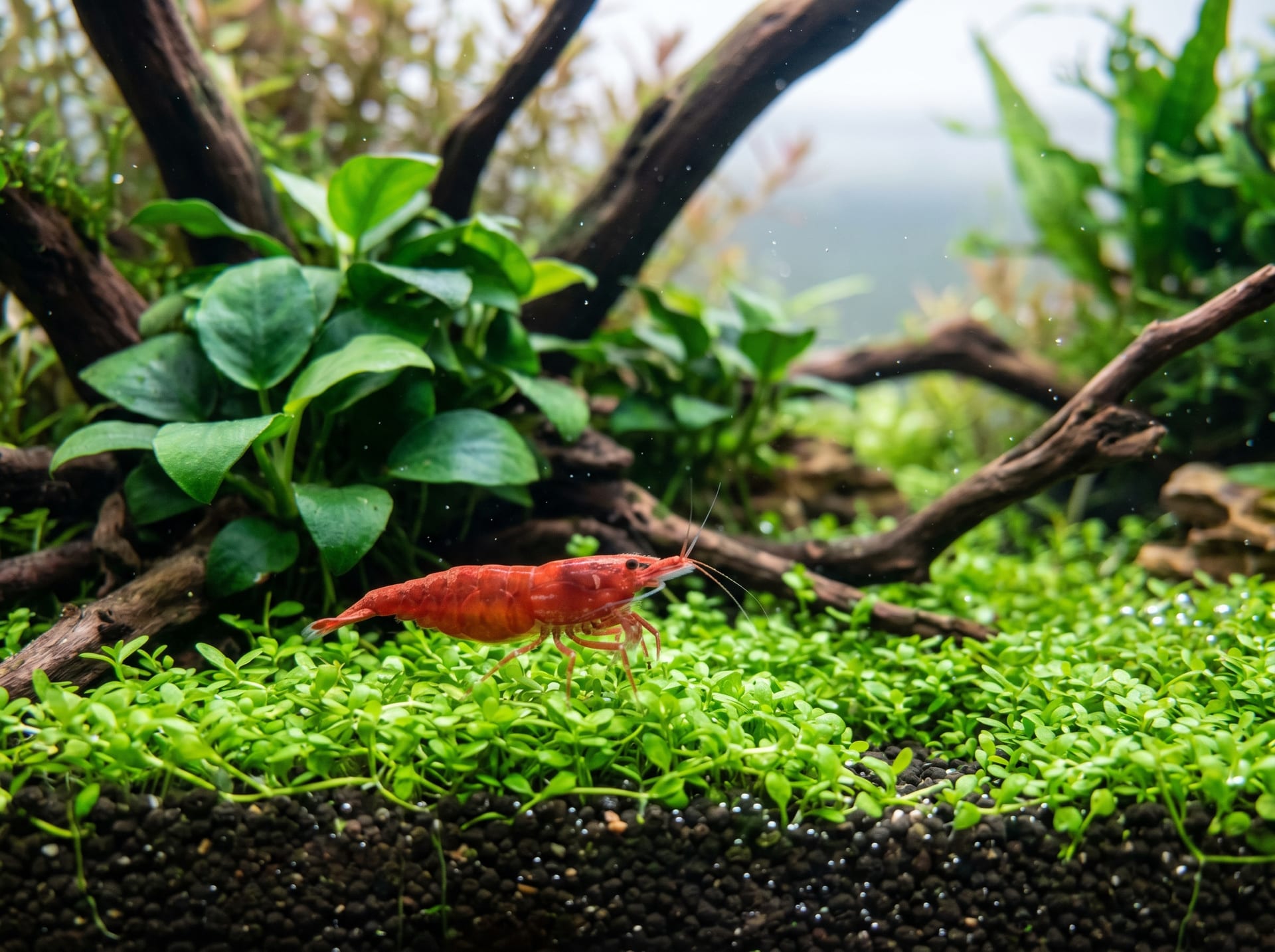
Freshwater shrimp are popular aquarium crustaceans prized for their vibrant colors and natural algae-cleaning ability. Species range from beginner-friendly Cherry Shrimp to more demanding Bee Shrimp, offering options for all experience levels. With careful water quality management, they can thrive and breed in a well-maintained tank.
前3笔销售免佣金!在2026年7月31日前注册为繁殖者,前3笔销售免佣金!
繁殖者 招募中!
在BreederDirect发布商品,直接销售给全国客户!
在热带鱼上架商品中,繁殖者明示以下信息。确保水质适应性、气质、推荐水槽尺寸的透明度。
繁殖者正在陆续注册,即将上架。设置上架通知,不错过新商品。
「接收上架通知」需免费注册会员即可设置。当有符合您保存条件的新商品上架时,我们会通过邮件和站内通知提醒您。
想上架热带鱼吗?
注册成为繁殖者,即可与买家直接联系。
价格区间
地区
属性
Freshwater ornamental shrimp belong to various crustacean families found in river systems across Asia and beyond, but their rise as a hobby animal truly began in the 1990s. A German breeder's accidental creation of the Crystal Red Bee Shrimp sparked a global craze, with Japan quickly becoming one of the world's most passionate shrimp-keeping markets. Most species measure between one and five centimeters, yet their vivid reds, whites, yellows, and blues — set against semi-transparent bodies — make them among the most visually striking inhabitants of any planted tank. Behaviorally, shrimp are peaceful scavengers, constantly grazing on algae and leftover food and helping maintain a balanced aquarium ecosystem. The greatest joy for many keepers is watching the colony multiply: a female carrying a clutch of eggs tucked beneath her abdomen, then releasing dozens of miniature shrimp that grow visibly week by week. With consistent water chemistry and good husbandry, a thriving colony can be sustained for years, and the pursuit of new color grades or selectively bred variants offers endless depth for dedicated hobbyists.
1Water Quality Sensitivity
Shrimp are highly sensitive to water quality changes, particularly to ammonia, nitrite, and nitrate buildup. It is essential to fully cycle your tank and establish beneficial bacteria before adding shrimp. Regular partial water changes of around 10–20% weekly help maintain stable conditions.
2Temperature and Water Hardness
Common species like Neocaridina shrimp prefer water temperatures of 22–26°C and moderate hardness. Advanced species such as Bee Shrimp require soft, slightly acidic water, so understanding the specific parameters for each species is important. Cooling fans or aquarium chillers help manage high summer temperatures.
3Copper and Pesticide Toxicity
Shrimp are extremely sensitive to copper, and even trace amounts found in some fish medications or liquid fertilizers can be lethal. When introducing aquatic plants, always verify whether they have been treated with pesticides and choose pesticide-free plants or those that have been properly treated.
4Breeding and Egg Observation
Shrimp breed relatively easily once water conditions are stable, with females carrying eggs under their abdomen for 3–4 weeks before releasing tiny shrimplets. Providing moss and fine-leaved plants gives shrimplets hiding spots and significantly improves their survival rate. Keep species separate to prevent hybridization if maintaining pure strains.
5Choosing Tank Mates
Shrimp are small and vulnerable, and most fish pose a predation risk if they can fit shrimp in their mouths. Safe tank mates include peaceful small species such as Otocinclus, Corydoras, and small Rasboras. For successful breeding, a shrimp-only tank is recommended, as shrimplets are especially easy prey.
6Molting and Shell Care
Shrimp molt regularly as they grow and breed, and are extremely vulnerable immediately after molting when their new shell is still soft. Discarded shells are often consumed by the shrimp themselves as a calcium source and generally do not need to be removed. Mineral deficiencies can lead to failed molts, so using a dedicated mineral supplement can be beneficial.
7Initial and Ongoing Costs
Initial setup costs including a tank, filter, substrate, and plants typically range from 10,000 to 30,000 yen, while high-grade Bee Shrimp individuals can cost several thousand to tens of thousands of yen each. Ongoing expenses including electricity, food, and water conditioner are relatively modest at a few hundred to a few thousand yen per month. Regular maintenance of filters and substrate is essential to prevent water quality deterioration.