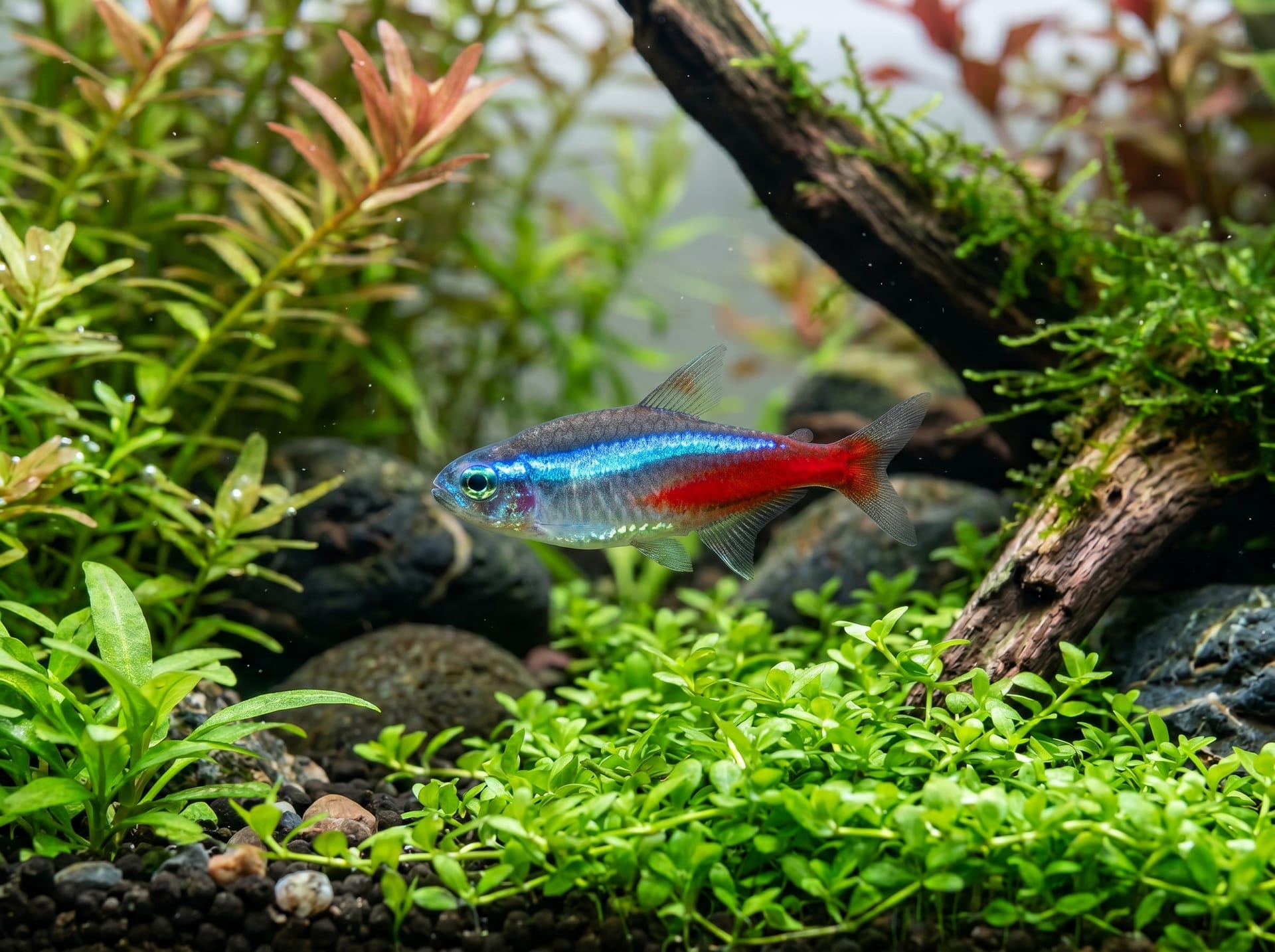
Tetras and characins are a diverse group of small tropical fish native to South America and Africa, celebrated for their vibrant colors — from the iconic Neon Tetra to the striking Cardinal Tetra. Their peaceful temperament makes them excellent community fish, and their schooling behavior creates a captivating display in any aquarium. With many hardy species available, they are an ideal choice for beginner fishkeepers.
前3笔销售免佣金!在2026年7月31日前注册为繁殖者,前3笔销售免佣金!
繁殖者 招募中!
在BreederDirect发布商品,直接销售给全国客户!
在热带鱼上架商品中,繁殖者明示以下信息。确保水质适应性、气质、推荐水槽尺寸的透明度。
繁殖者正在陆续注册,即将上架。设置上架通知,不错过新商品。
「接收上架通知」需免费注册会员即可设置。当有符合您保存条件的新商品上架时,我们会通过邮件和站内通知提醒您。
想上架热带鱼吗?
注册成为繁殖者,即可与买家直接联系。
价格区间
地区
属性
Tetras and characins belong to the order Characiformes and encompass hundreds of small tropical fish species native primarily to the Amazon River basin in South America and the Congo River basin in Africa. In the wild, they inhabit shaded forest streams and shallow lakes. The neon tetra, with its iconic fluorescent blue and red stripe, was introduced to the Western hobby in the 1950s and has since become one of the most recognized aquarium fish worldwide. Most species measure just 3–6 cm, yet their vivid coloration and the mesmerizing sight of a tight school turning in perfect unison make them a centerpiece in any planted tank. Their temperament is consistently gentle, with little territorial aggression, making them compatible with a wide range of similarly sized, peaceful species. They adapt reasonably well to a variety of water conditions, and with proper filtration and regular partial water changes, long-term care is very manageable. Adding driftwood and live plants to the aquarium replicates their natural habitat and further enhances both their colors and natural behavior.
1Keep Them in Schools
Tetras are naturally schooling fish and thrive best when kept in groups of at least 6 to 10 individuals of the same species. Smaller numbers can cause stress, leading to faded coloration and shy behavior. Keeping a proper school brings out their natural beauty and dynamic swimming patterns.
2Prefer Slightly Acidic Water
Most tetras and characins prefer slightly acidic to neutral water (pH 6.0–7.0) with low to moderate hardness. Species like the Neon and Cardinal Tetra may show duller colors and reduced vitality in harder, more alkaline conditions. If using tap water, check pH and hardness, and adjust with peat or a dedicated water conditioner if needed.
3Ideal Temperature: 24–28°C
Most tetra and characin species thrive at water temperatures between 24–28°C (75–82°F). Sudden temperature fluctuations are a common trigger for ich and other diseases, so using a reliable heater with a thermostat is essential. Pay close attention to temperature differences during water changes and seasonal transitions.
4Choose Tankmates Carefully
While tetras are peaceful, avoid housing them with large predatory fish or fin-nipping species. They coexist well with other calm, similarly sized fish such as corydoras, guppies, and rasboras. Be cautious when introducing territorial species like bettas, and always monitor behavior after adding new tankmates.
5Feed Small-Sized Foods
Tetras have small mouths, so flake food or micro-pellets are most suitable as a staple diet. Supplementing a few times a week with live or frozen foods like brine shrimp or bloodworms can significantly enhance their coloration. Feed once or twice daily in amounts they can consume within 2–3 minutes, and promptly remove any uneaten food to maintain water quality.
6Watch Out for Ich
Ich (white spot disease) is one of the most common ailments affecting tetras, appearing as small white dots on the body and fins. It is often triggered by temperature drops or stress, making stable water conditions the best prevention. When introducing new fish, quarantine them in a separate tank for 1–2 weeks before adding them to the main aquarium to reduce the risk of disease transmission.
7Estimated Costs to Consider
Many tetra and characin species are affordably priced at roughly 100–500 yen per fish, making them budget-friendly to stock. Initial setup costs for a 45–60 cm tank, filter, heater, and lighting typically range from 10,000 to 30,000 yen. Ongoing monthly expenses for food, electricity, and water-change supplies generally fall in the 2,000–5,000 yen range.