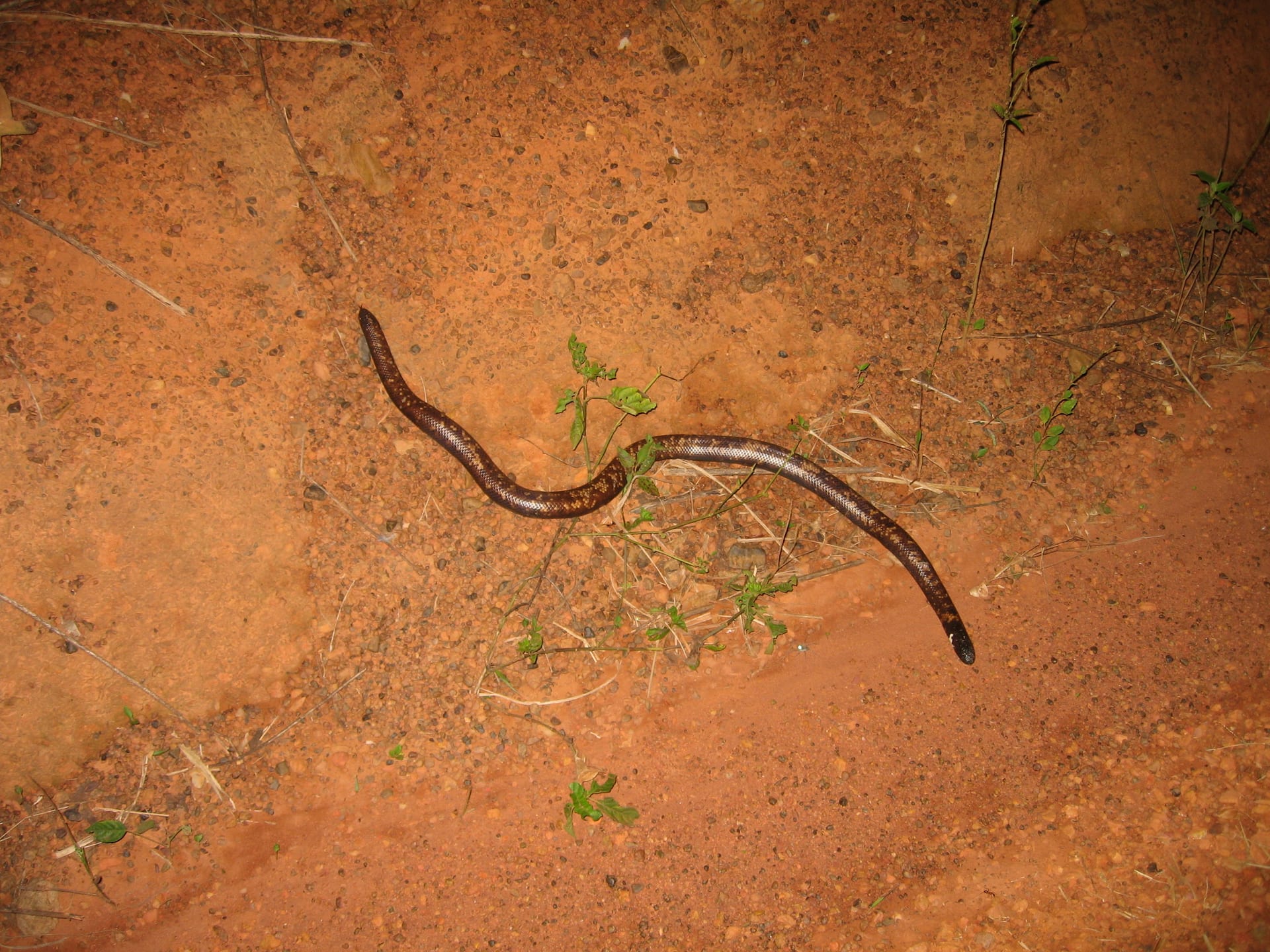
 © deboas / CC BY 4.0
喀拉巴蟒
The Calabar python is a small, burrowing boa from the tropical rainforests of West and Central Africa, growing to under a meter in length. Both its head and tail are similarly rounded, and when startled it tucks its head away and waves its tail as a decoy — a striking defense strategy. Calm, easygoing temperaments are common, and many keepers are charmed by how the snake tunnels and curls into a tight ball. In the wild it feeds almost exclusively on baby mice, so getting a captive individual to accept food can take some patience, which is why this species is generally recommended for intermediate keepers.
View 喀拉巴蟒 encyclopedia →成交手续费0%!2026年9月30日前注册,前 2 笔成交免佣金!
繁殖者 招募中!
在BreederDirect发布商品,直接销售给全国客户!
本平台承诺的 6 个透明度要点
爬行动物与两栖动物的出品中繁殖者将明示以下信息。确保形态、遗传、食性、气质的透明度。
- 形态明示
- 实物照片
- 食性标示
- 气质明示
- 遗传明示
- 月龄明示
查看全部319个品种
食性
没有符合条件的商品
请调整筛选条件,或在有新商品时接收通知。
「接收上架通知」需免费注册会员即可设置。当有符合您保存条件的新商品上架时,我们会通过邮件和站内通知提醒您。
已注册的繁殖者(抢先看)
喀拉巴蟒的基本数据
- 饲养难度
- 适合中级者
- 寿命
- 圈养寿命的相关资料较少
- 体型
- 体长不超过1米
- 饮食
- 肉食(幼鼠)
- 饲养环境
- 生活在热带雨林柔软的土壤和落叶中。需要提供足够深度的湿润基质和落叶,便于其钻入地下,同时要严格防止逃逸。
- 食物及投喂
- 野生环境中在鼠穴中专门捕食幼鼠。圈养时应投喂小型老鼠。
- 性格
- 受到威胁时会将头部隐藏在身体下方,同时摆动尾部来吸引注意力,进一步会蜷缩成球状。据说不会试图咬人,是一种温顺的蛇。
- 健康及注意事项
- 据说拥有蛇类中最厚的皮肤。由于具有钻入土壤的习性,需要保持基质的湿度和清洁。
- 注意事项
- 虽然被称为"蟒",但它是蟒蛇科中的一种蛇,华盛顿条约也将其作为蟒蛇科物种列入附录II。绝对禁止将圈养个体放生到野外环境中。
关于喀拉巴蟒
A compact, ground-dwelling boa from West and Central Africa, under 1m long, known for its round head and tail and unique tail-waving defense — a species suited to intermediate keepers.
迎接喀拉巴蟒前需要了解的7件事
1Deep substrate for burrowing
In the wild, Calabar pythons spend much of their time burrowed into the forest floor, so captive enclosures should include a deep substrate layer they can dig into. Having space to burrow helps them feel secure and settle in.
2A tail that mimics the head
One of the species' defining traits is that its head and tail look almost identical and equally rounded. When startled, it tucks its head away and waves its tail like a decoy head — a normal defensive behavior, not a sign of distress that needs intervention.
3Quiet, cautious temperament
Calabar pythons tend to be calm and quiet, but many individuals are also cautious and easily stressed. Frequent handling isn't ideal — a quieter approach that lets the snake settle at its own pace works best.
4Feeding can take patience
In the wild, this species specializes in hunting baby mice, and captive individuals often show a similar preference for small prey. Some individuals can be slow to start feeding reliably, so it's worth checking an individual's feeding history before bringing one home.
5Warmth and humidity matter
Since this species naturally lives in the humid soil of West and Central African rainforests, maintaining consistent warmth and humidity in the enclosure is essential. Keep an eye on substrate moisture and temperature gradients, and check conditions regularly.
6Limited lifespan data
Reliable data on captive lifespan for Calabar pythons is still limited. While no firm number can be given, as with reptiles in general it's wise to plan for a long-term commitment before bringing one home.
7Why it suits intermediate keepers
Despite its compact size — under a meter in length — the Calabar python's specialized feeding habits and humidity requirements place it in the intermediate difficulty category. It's best suited to keepers who already have some reptile-keeping experience under their belt.
喀拉巴蟒的常见问题
- Q.How big do Calabar pythons get?
- A.Calabar pythons stay compact for a boa, reaching under a meter in total length as adults. This makes them relatively easy to house in a modest-sized enclosure.
- Q.Can beginners keep a Calabar python?
- A.Calabar pythons are generally considered an intermediate-level species. Their specialized feeding habits and humidity needs call for some prior reptile-keeping experience, so it's best to build up basic skills first.
- Q.Why do its head and tail look so similar?
- A.Both the head and tail are rounded in a similar shape, which is a signature trait of this species. When threatened, it hides its head and waves its tail as a decoy, likely to direct a predator's attack toward the tail instead of the vulnerable head.
- Q.Is it common for them to refuse food?
- A.Since this species specializes in hunting baby mice in the wild, some individuals take time to establish a reliable feeding routine in captivity. Checking an individual's feeding history before adoption can help avoid surprises.
- Q.Are there any legal considerations for Calabar pythons?
- A.Calabar pythons are listed under CITES Appendix II. It's worth being aware that this places some international trade rules on the species.
适合饲养喀拉巴蟒的实用工具
在图鉴中详细了解喀拉巴蟒
查看喀拉巴蟒的图鉴条目 →
收录饲养难度、寿命、体长、食性等基础数据。