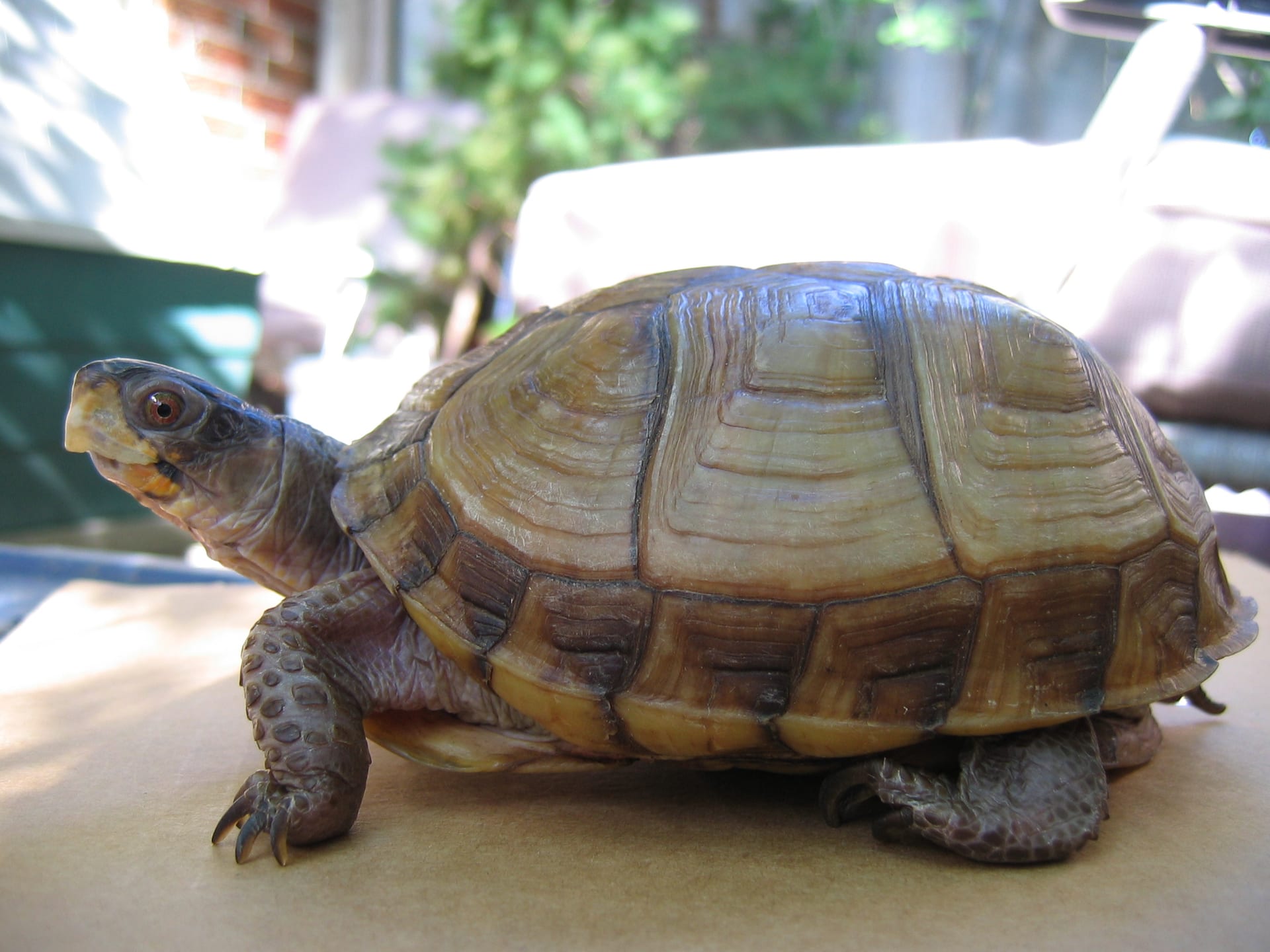
 © Original uploaded by Carnopod (Transfered by L.tak) / Public domain
三趾箱龟
The Three-toed Box Turtle is an American box turtle named for the three toes on its hind feet. Adults reach 13–18 cm in shell length, with an olive or yellowish-brown carapace that carries little pattern, giving it a calm, understated look. Males develop yellow, red and orange spots on the head and throat, and the species is the state reptile of Missouri. It is a land-dwelling turtle that can be a little wary at first but tends to settle once it has had time to adjust to its surroundings. It is rated for intermediate keepers, and because it is a long-lived species, it is worth making a long-term care plan before you bring one home.
View 三趾箱龟 encyclopedia →成交手续费0%!2026年9月30日前注册,前 2 笔成交免佣金!
繁殖者 招募中!
在BreederDirect发布商品,直接销售给全国客户!
本平台承诺的 6 个透明度要点
爬行动物与两栖动物的出品中繁殖者将明示以下信息。确保形态、遗传、食性、气质的透明度。
- 形态明示
- 实物照片
- 食性标示
- 气质明示
- 遗传明示
- 月龄明示
查看全部319个品种
食性
爬行动物与两栖动物分类正在招募认证繁殖者
繁殖者正在陆续注册,即将上架。设置上架通知,不错过新商品。
「接收上架通知」需免费注册会员即可设置。当有符合您保存条件的新商品上架时,我们会通过邮件和站内通知提醒您。
已注册的繁殖者(抢先看)
三趾箱龟的基本数据
- 饲养难度
- 适合中级者
- 寿命
- 圈养寿命资料较少(作为长寿物种需要长期饲养计划)
- 体型
- 背甲长13~18厘米
- 饮食
- 杂食(蚯蚓、昆虫、蜗牛、果实、蘑菇、叶子)
- 饲养环境
- 干燥时会浅埋在落叶中以保持湿度,有水时会长时间浸泡。应准备湿润的垫料、落叶和龟能浸入的浅水盆。
- 食物和投喂
- 杂食性,食用蚯蚓、昆虫、蜗牛、蛞蝓、草莓等果实、蘑菇和叶菜,喜欢活饵。
- 温度和湿度
- 在原生地根据季节移动到适合的湿度环境,冬季冬眠。圈养也需要根据季节进行温度管理。
- 性格
- 受惊时会关闭腹甲铰链而躲藏。据说在箱龟中比较容易适应室内饲养。
- 注意事项
- 可能与卡罗来纳箱龟杂交,4趾个体可能是杂种。不应与其他箱龟混合饲养繁殖。绝对不要将饲养个体放归野外。
关于三趾箱龟
The Three-toed Box Turtle is an American box turtle named for the three toes on its hind feet. Reaching 13–18 cm in shell length, it suits intermediate keepers. Learn about its temperament, care and what to prepare before bringing one home.
迎接三趾箱龟前需要了解的7件事
1Room to Roam
Adults reach 13–18 cm in shell length and spend most of their time walking on land rather than swimming. A roomy enclosure with plenty of floor area suits them better than a deep tank. Provide a shallow water dish for drinking and soaking, and a substrate that holds some moisture.
2Why Intermediate Level
The Three-toed Box Turtle is rated for intermediate keepers. Managing humidity and temperature and adjusting the diet take steady daily observation. It helps to learn the basics first and then fine-tune the setup as you watch how your turtle responds.
3Plan for the Long Term
Data on lifespan in captivity is limited, but this is known as a long-lived species. Think ahead about how you would keep caring for it through moves or changes in your household. It also helps to decide in advance who will share the daily care.
4Listed on CITES Appendix II
The Three-toed Box Turtle is listed on CITES Appendix II. Before bringing one home, ask the breeder about the individual's background and how it has been kept, and raise any questions you have.
5Shyness and Settling In
When startled, it may pull in its head and limbs and close up its shell. Right after arrival, provide a hiding spot and avoid unnecessary handling so it can settle in quietly. Given time to adjust, it is more likely to show calm behavior.
6A Balanced Omnivore Diet
In the wild it is described as an omnivore that eats insects, earthworms, plants and fruit. In captivity, offer both animal and plant foods in balance, and keep calcium supplementation in mind. Varying the menu gradually helps avoid relying on a single food.
7Health Checks
If you notice swollen eyes, a runny nose, loss of appetite, or a deformed or soft shell, consult a veterinarian who treats reptiles early. Overly dry conditions or an unbalanced diet can sometimes be involved, so it is reassuring to review the enclosure and feeding routine regularly. Finding a reptile-friendly clinic within reach before you bring your turtle home is also a good idea.
三趾箱龟的常见问题
- Q.Can a beginner keep one?
- A.It is rated for intermediate keepers. Humidity and diet need regular adjustment, so some experience with reptiles or turtles is reassuring. If you are new to this, talk to the breeder about care and the equipment you will need before deciding.
- Q.How large do adults get?
- A.Adults typically reach 13–18 cm in shell length. Plan an enclosure with enough floor space for their full-grown size.
- Q.How long do they live?
- A.Records on lifespan in captivity are limited, so a definite figure cannot be given. It is considered a long-lived species, so it is important to prepare a long-term care plan.
- Q.Can males and females be told apart?
- A.Males develop yellow, red and orange spots on the head and throat, which gives a visual clue. Growth stage and individual variation can make it less clear-cut, so if the sex matters to you, it is best to confirm with the breeder.
- Q.What do they eat?
- A.They are considered omnivores, so offer a balance of animal foods such as insects and earthworms and plant foods such as vegetables and fruit. Keep calcium supplementation in mind, and avoid relying on the same food all the time.
适合饲养三趾箱龟的实用工具
在图鉴中详细了解三趾箱龟
查看三趾箱龟的图鉴条目 →
收录饲养难度、寿命、体长、食性等基础数据。