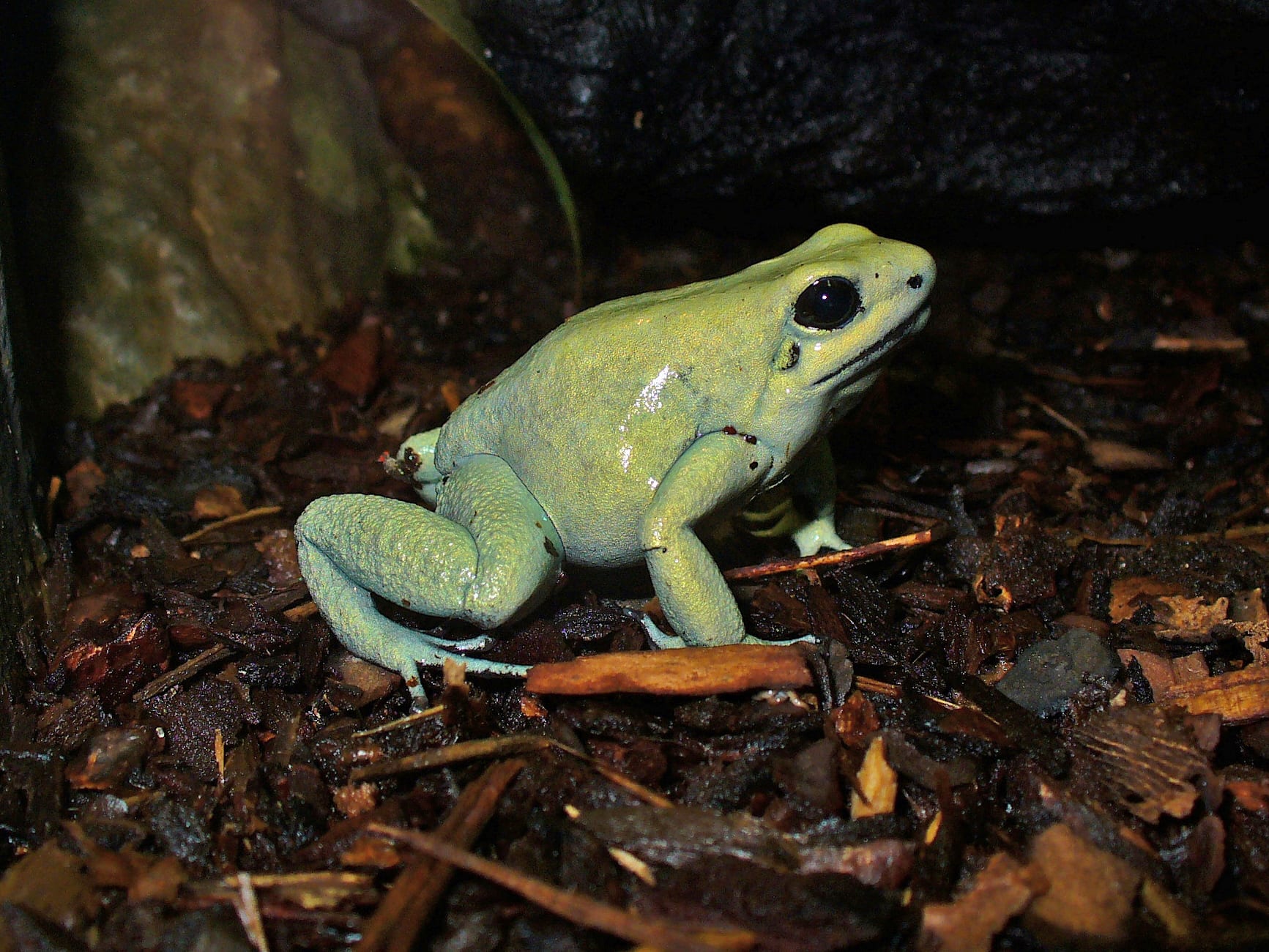
 © H. Zell / CC BY-SA 3.0
金毒箭蛙
The Golden Poison Frog is the largest species in the poison dart frog family, instantly recognizable for its bold coloring in orange, yellow, or minty green. Wild frogs carry batrachotoxin, among the most potent toxins found in any living animal, but every frog in captive-bred lines, the only kind available through trade, lacks this toxicity entirely. They stay active and visible during the day, making them rewarding to watch, and their calm temperament pairs nicely with their striking looks. Considered a species for intermediate keepers, they can thrive for many years once humidity and basic care routines are dialed in.
View 金毒箭蛙 encyclopedia →成交手续费0%!2026年9月30日前注册,前 2 笔成交免佣金!
繁殖者 招募中!
在BreederDirect发布商品,直接销售给全国客户!
本平台承诺的 6 个透明度要点
爬行动物与两栖动物的出品中繁殖者将明示以下信息。确保形态、遗传、食性、气质的透明度。
- 形态明示
- 实物照片
- 食性标示
- 气质明示
- 遗传明示
- 月龄明示
查看全部280个品种
食性
爬行动物与两栖动物分类正在招募认证繁殖者
繁殖者正在陆续注册,即将上架。设置上架通知,不错过新商品。
「接收上架通知」需免费注册会员即可设置。当有符合您保存条件的新商品上架时,我们会通过邮件和站内通知提醒您。
已注册的繁殖者(抢先看)
关于金毒箭蛙
Golden Poison Frog, the largest dart frog species, captive-bred and non-toxic. Learn about its 10 to 20 year lifespan, 5 to 6cm adult size, and care essentials for intermediate keepers.
迎接金毒箭蛙前需要了解的7件事
1Non-Toxic in Captivity
Wild Golden Poison Frogs carry batrachotoxin, making them one of the most toxic animals known. Captive-bred frogs, the only type available in the trade, do not carry this toxin, so normal handling poses no danger.
2High Humidity Is Essential
Coming from tropical rainforest habitats, these frogs need consistently high humidity in their enclosure. Regular misting or an automatic misting system helps prevent issues linked to dry conditions, while good ventilation keeps things balanced.
3A Compact 5-6cm Species
Adults stay small at around 5 to 6cm, so they don't need a huge enclosure. That said, they're quite active, so give them enough floor space and varied terrain to explore.
4A Long-Lived Frog: 10-20 Years
With proper care, this species can live 10 to 20 years, making it a long-term commitment among amphibians. Think through your living situation and schedule before bringing one home.
5Live Food Is a Must
Their diet centers on small live prey like crickets, springtails, and fruit flies, usually dusted with supplements. Since sourcing and maintaining feeder cultures takes effort, it helps to line up a reliable supply before bringing one home.
6Active by Day, Not Night
Unlike many amphibians that are nocturnal, Golden Poison Frogs are active during the day. That makes them easy to observe and lets their vivid colors really stand out.
7Best Suited to Intermediate Keepers
Between humidity management and live food logistics, there's a bit of a learning curve, which is why this species is considered suitable for intermediate keepers. Prior amphibian experience or thorough research beforehand will help things go smoothly.
金毒箭蛙的常见问题
- Q.Are they poisonous? Is it safe to touch them?
- A.Wild frogs carry the potent toxin batrachotoxin, but every frog available in the trade is a captive-bred individual that lacks this toxicity. Normal handling poses no danger, though as with any amphibian it's best to avoid prolonged bare-handed contact.
- Q.Are they suitable for beginners?
- A.Golden Poison Frogs are generally considered a species for intermediate keepers. Managing humidity and live food takes some know-how, so prior amphibian experience makes for a smoother start.
- Q.How big do they get?
- A.Adults reach about 5 to 6cm, keeping them on the smaller side. Despite their size, they're quite active, so a reasonably sized enclosure helps them stay comfortable.
- Q.How long do they live?
- A.Under proper care, they can live 10 to 20 years. That's a fairly long lifespan for an amphibian, so it's worth planning for long-term care before bringing one home.
- Q.Are the frogs sold wild-caught?
- A.No, every Golden Poison Frog available through the trade is captive-bred. Captive-bred frogs also lack the toxicity found in wild individuals, which is another reason they're considered safe to keep.
适合饲养金毒箭蛙的实用工具
在图鉴中详细了解金毒箭蛙
查看金毒箭蛙的图鉴条目 →
收录饲养难度、寿命、体长、食性等基础数据。