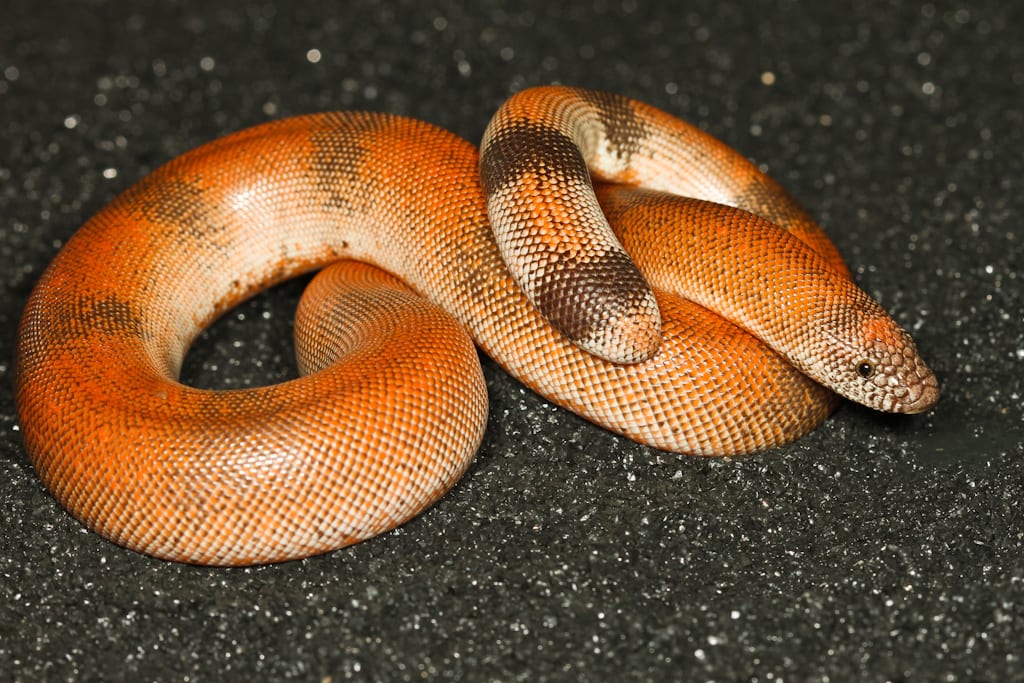
 © KLPrice / CC BY-SA 3.0
印度沙蚺
The Indian sand boa is a burrowing snake native to the semi-desert regions stretching from Iran through Pakistan to India. Its wedge-shaped head and blunt, rounded tail look so similar that keepers have long nicknamed it the two-headed snake. Rather than an active display animal, it spends most of its time buried in the substrate, making it a species valued for its quiet, low-key presence. Known for a calm, easygoing temperament and a manageable adult size of roughly 60 to 90 cm, it is a popular choice for snake keepers who are just starting out.
View 印度沙蚺 encyclopedia →成交手续费0%!2026年9月30日前注册,前 2 笔成交免佣金!
繁殖者 招募中!
在BreederDirect发布商品,直接销售给全国客户!
本平台承诺的 6 个透明度要点
爬行动物与两栖动物的出品中繁殖者将明示以下信息。确保形态、遗传、食性、气质的透明度。
- 形态明示
- 实物照片
- 食性标示
- 气质明示
- 遗传明示
- 月龄明示
查看全部280个品种
食性
爬行动物与两栖动物分类正在招募认证繁殖者
繁殖者正在陆续注册,即将上架。设置上架通知,不错过新商品。
「接收上架通知」需免费注册会员即可设置。当有符合您保存条件的新商品上架时,我们会通过邮件和站内通知提醒您。
已注册的繁殖者(抢先看)
关于印度沙蚺
The Indian sand boa is a burrowing semi-desert snake known for its wedge head and round tail, nicknamed the two-headed snake. Calm and beginner-friendly, it reaches about 60-90 cm as an adult.
迎接印度沙蚺前需要了解的7件事
1Deep, Diggable Substrate
Indian sand boas are burrowing snakes that spend much of their time submerged in the substrate. Provide a deep, loose substrate they can fully disappear into. Not seeing them often is simply natural behavior, not a cause for concern.
2Head and Tail Look Alike
The wedge-shaped head and the blunt, rounded tail look so similar that this species has long been nicknamed the two-headed snake. Until you get used to it, take a moment to identify the head before handling.
3Calm, Easygoing Temperament
With slow movements and a docile nature, this species is considered manageable even for those new to keeping snakes. Still, sudden movements can startle it into a defensive posture, so handle it gently and calmly.
4Prefers a Dry Environment
Coming from semi-desert habitats, this species does poorly in overly humid conditions. Keep the enclosure well-ventilated and on the dry side, with a temperature gradient so it can choose its own comfortable spot.
5Not Very Active or Visible
Since it spends much of its time underground, this is not a snake you will see actively moving around very often. It suits keepers who enjoy a quiet, low-activity presence rather than constant visible action.
6Secure, Escape-Proof Lid
This species is surprisingly strong and may push through substrate looking for gaps. Choose an enclosure with a lockable, secure lid and make sure there are no openings it could exploit.
7Feed Pre-Killed, Thawed Prey
The basic diet is appropriately sized frozen-thawed mice. Offering food with feeding tongs helps reduce the risk of accidental bites. Before bringing one home, it is worth confirming feeding frequency and prey size in advance.
印度沙蚺的常见问题
- Q.How big does an Indian sand boa get?
- A.Adults typically reach about 60 to 90 cm in length. It has a fairly stout build, but it is a manageable size compared to many other snakes.
- Q.Is this snake suitable for beginners?
- A.Its calm temperament and slow movements make it a species generally considered beginner-friendly. That said, it is worth learning its specific needs beforehand, such as providing dry conditions and deep, diggable substrate.
- Q.Why is it called the two-headed snake?
- A.Its wedge-shaped head and blunt, rounded tail look remarkably similar. Until you are familiar with the species, telling the two ends apart can be tricky, which is exactly where the nickname comes from.
- Q.Is it venomous or dangerous?
- A.No, it is a non-venomous snake that subdues prey by constriction. With its docile temperament, there is no need for excessive concern as long as it is handled calmly.
- Q.Is it subject to CITES?
- A.The Indian sand boa is not subject to CITES.
适合饲养印度沙蚺的实用工具
在图鉴中详细了解印度沙蚺
查看印度沙蚺的图鉴条目 →
收录饲养难度、寿命、体长、食性等基础数据。