成交手续费0%!2026年9月30日前注册,前 2 笔成交免佣金!
繁殖者 招募中!
在BreederDirect发布商品,直接销售给全国客户!
本平台承诺的 6 个透明度要点
爬行动物与两栖动物的出品中繁殖者将明示以下信息。确保形态、遗传、食性、气质的透明度。
- 形态明示
- 实物照片
- 食性标示
- 气质明示
- 遗传明示
- 月龄明示
查看全部34个品种
食性
爬行动物与两栖动物分类正在招募认证繁殖者
繁殖者正在陆续注册,即将上架。设置上架通知,不错过新商品。
「接收上架通知」需免费注册会员即可设置。当有符合您保存条件的新商品上架时,我们会通过邮件和站内通知提醒您。
已注册的繁殖者(抢先看)
豹纹守宫的基本数据
- 饲养难度
- 适合新手
- 寿命
- 15~20年
- 体型
- 20~25厘米
- 适宜温度
- 25~32℃
- 适宜湿度
- 40〜60%
- 饮食
- 昆虫食(蟋蟀、面包虫、杜比亚虫)
- 饲养箱
- 30×30cm以上的玻璃饲养箱
- 温度管理
- 温热区32℃·冷却区25℃
- 投饵频率
- 幼体:每天 / 成体:2~3天一次
- 注意事项
- 警惕脱皮不全。湿度管理和钙质补充至关重要。
关于豹纹守宫
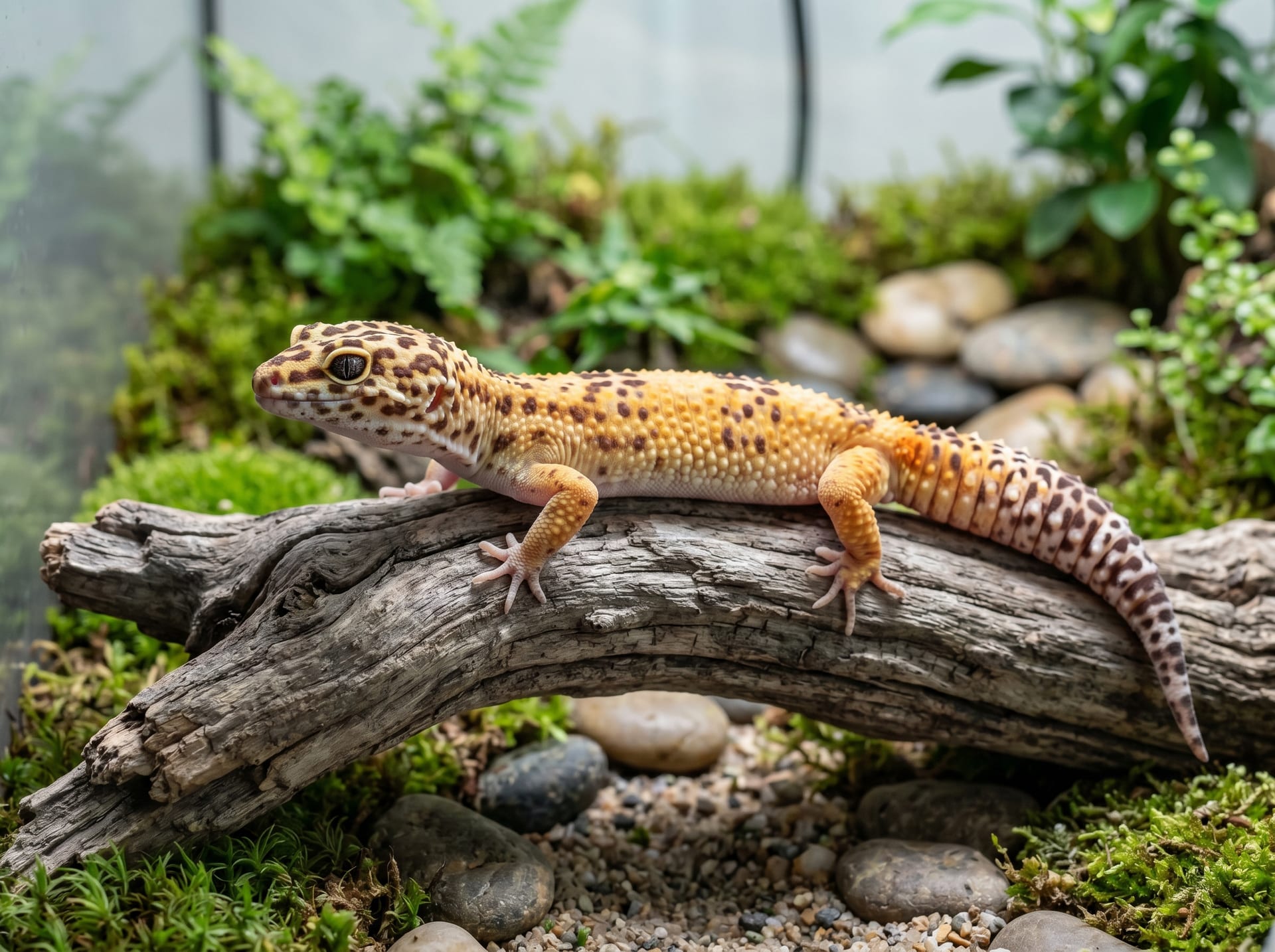
豹纹守宫是原产于巴基斯坦、阿富汗和印度西北部干旱岩石地带的地栖性守宫。自1970年代以来,人工饲养繁殖得到了大力发展,现在已成为世界上饲养最广泛的爬虫类之一。成体体长约20~25厘米,是容易处理的大小,也是罕见的不具有攀爬墙壁能力的守宫。基本色为黄色或白色带黑色斑纹,但通过选择交配产生的形态多达数百种,可以欣赏到白化和暴风雪等个性鲜明的色彩。性格温顺,熟悉后通常愿意被人触摸,在爬虫类中特别容易与人建立亲密关系。寿命长,在适当的饲养环境下约为10~15年,能够进行长期饲养也是其魅力之一。
经营豹纹守宫的精选繁殖者
查看全部豹纹守宫繁殖者列表(1)→迎接豹纹守宫前需要了解的7件事
1合适的笼子尺寸
建议为每只成体准备宽度不小于45cm的饲养箱。由于它们是地栖性的,应该优先考虑底面积而不是高度,并且一定要准备一个避难所(躲藏处)。多只饲养时要避免雄性个体的混养。
2温度管理最为重要
由于这是一种需要外部热源来温暖身体的变温动物,饲养箱内需要形成温度梯度,包括热点区(32〜35℃)和凉爽区(24〜28℃)。常见的做法是在饲养箱底部的一半铺设加热垫。如果夜间也能保持最低24℃会更加放心。
3不需要强力的UV光
豹纹守宫是夜行性的,已适应了昏暗的环境,强大的UVB光线并不是必需的。不过,低强度的UVB和接近自然的明暗周期据说有助于维生素D3的合成,对健康维护有帮助。即便只用房间的间接照明程度也可以进行饲养。
4钙质补充必不可少
由于以昆虫食为主食,每次投喂时需对昆虫撒上含维生素D3的钙质粉末,这个习惯很重要。钙质不足会导致佝偻病等骨代谢障碍的风险。在饲养箱内放置盛有钙质粉末的小盘,让其自行补充也是有效的方法。
5根据形态的价格差异
野生型(Normal)相对便宜,但白化系、日蚀(Eclipse)、暴雪(Blizzard)等稀有形态的价格可能达到数万円以上。初期费用包括饲养箱、加热器、温湿度计、躲藏处等,大约1~3万円程度。月度维护费用(昆虫饵料、补充剂)一般为1,000~3,000円左右。
6谨慎处理
豹纹守宫相对容易被驯养,但新购入的个体应先在饲养箱内安定1~2周后再开始触摸。由于尾部可能会自切,绝对禁止抓取或拉扯。基本做法是在低处让其缓慢在手掌上行走。
7协助蜕皮很重要
豹纹守宫会定期脱皮,脱皮不全(皮肤残留)可能导致指尖坏死。在饲养箱内放置湿度维持在60~80%的湿润躲避所,有助于脱皮。脱皮期间避免触摸,静观其过程,要养成检查脱皮是否完全的习惯,特别要检查眼睛和指尖。
豹纹守宫的常见问题
- Q.豹纹守宫需要每天打理吗?
- A.需要每天检查饮水,但成体的喂食可以2~3天1次即可。幼体需要每天喂食。基本的护理工作量较少,也适合忙碌的人。
- Q.初期费用需要多少?
- A.饲养箱、加热器、躲避所、温湿度计等初期用品的费用约为1~2万日元。个体价格因形态而异,从数千日元到数万日元以上不等。月度饲料费和钙剂等维持成本相对较低。
- Q.能进行手养吗?
- A.适应后可以放在手上互动。带回家初期需设置一段适应期,最初应从短时间开始。由于尾部可能自切(自行脱落),请避免抓住尾部提起。
- Q.冷冻或干燥食物可以吗?
- A.基本推荐活饵,但有些个体也会食用冷冻或干燥蟋蟀。不过,并非所有个体都能接受,特别是从幼体时期就以活饵饲养的个体,可能难以转换为人工饲料。请基本以活饵喂食为主。
- Q.豹纹守宫的寿命有多长?
- A.在适当的环境和饲养管理下,它们通常可以活10~15年。根据记录,也有个体报告活了20年以上,是可以长期陪伴的宠物。考虑到这是一种长寿动物,请以终身照顾为前提来考虑迎接它。
适合饲养豹纹守宫的实用工具
Learn more about 豹纹守宫 in the encyclopedia
查看豹纹守宫的图鉴条目 →
收录饲养难度、寿命、体长、食性等基础数据。