繁殖者 招募中!
在BreederDirect发布商品,直接销售给全国客户!
BreederDirect 承诺的 6 项透明度要点
繁殖者在刊登爬行动物与两栖动物时会明确标示以下信息。确保品系、遗传、食性、性情的透明度。
- 形态明示
- 实物照片
- 标示食性
- 标示性情
- 遗传明示
- 月龄明示
查看全部319个品种
食性
爬行动物与两栖动物分类正在招募认证繁殖者
繁殖者正在陆续注册,即将上架。设置上架通知,不错过新商品。
「接收上架通知」需免费注册会员即可设置。当有符合您保存条件的新商品上架时,我们会通过邮件和站内通知提醒您。
已注册的繁殖者(抢先看)

大壁虎的基本数据
- 饲养难度
- 适合中级者
- 寿命
- 10~15年
- 体型
- 25~35厘米
- 适宜温度
- 26〜32℃
- 适宜湿度
- 60〜80%
- 饮食
- 蟋蟀、杜比亚蟑螂等昆虫
- 饲养环境
- 属树栖型,在高的纵长饲养箱中布置攀爬木。能自如地在墙面和顶部移动,必须做好防逃措施。
- 温度与湿度
- 温度维持26〜32℃,湿度60〜80%。每日喷雾保持湿度,墙面的水滴可作为饮水。
- 饵料与喂食
- 食虫性,投喂蟋蟀、面包虫、杜比亚蟑螂等。属夜行性,傍晚以后喂食更容易进食。
- 性格
- 易咬伤,不建议手动处理
- 健康与注意事项
- 夜行性,夜间会发出很大的叫声,放置位置要考虑周到。野生个体多脾气暴躁,人工繁殖个体更容易驯化。
关于大壁虎
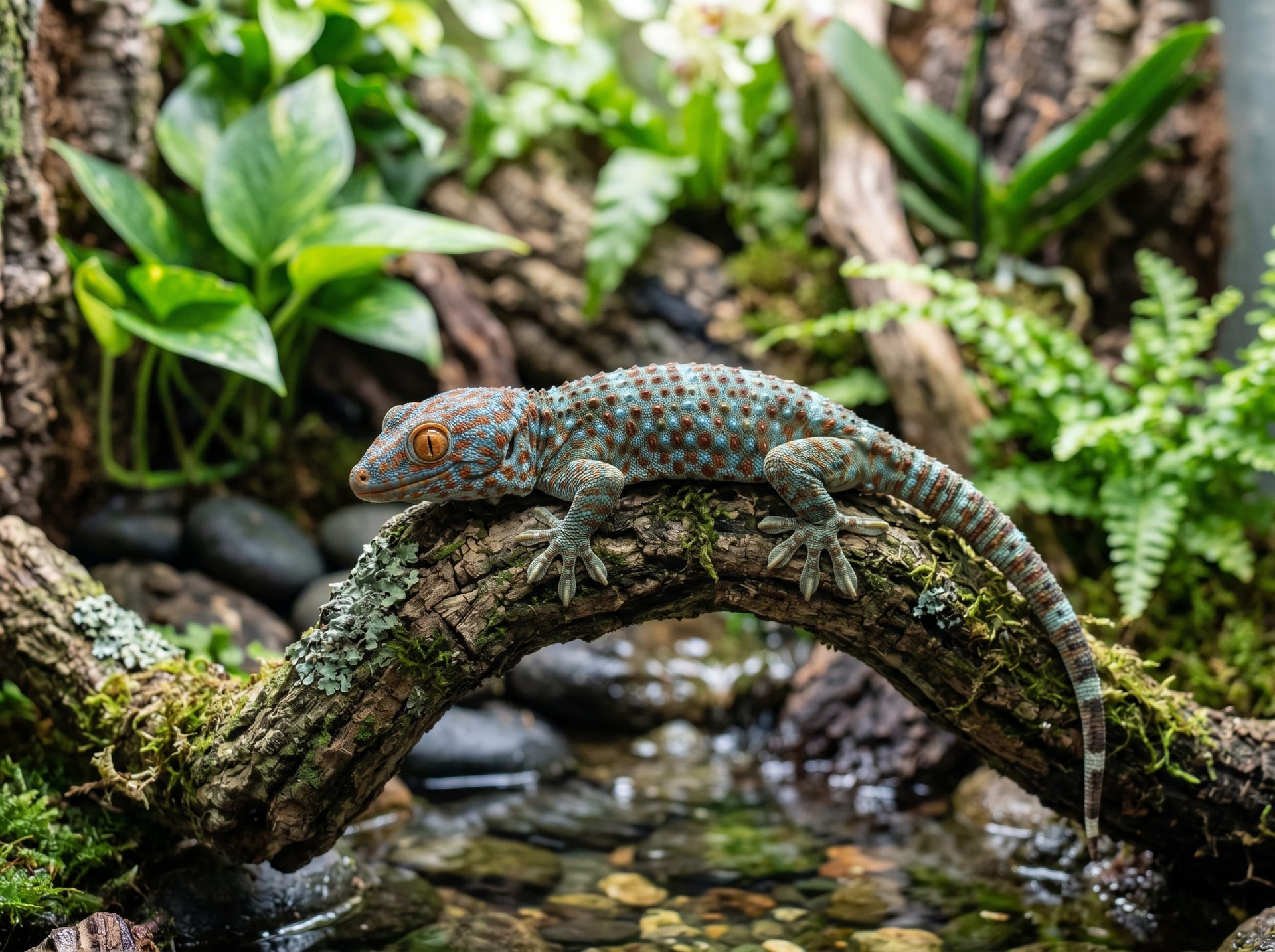
大壁虎(学名:Gekko gecko)广泛分布于东南亚至南亚地区,由于经常出现在民居墙壁上,当地人对其早已习以为常。日本自1990年代以后随着爬虫类热潮而流入市场,如今已有彩色变异品系面世。其最显著的外观特征是灰青色的底色散布着鲜艳的红橙色斑点,成体体长可达30~40cm,属于壁虎中世界最大级别的物种之一。其足部具有特殊的趾下薄板结构,使其能够轻松在玻璃表面爬行,其活跃程度令人惊叹。性格上警戒心强、领地意识也很强,初学者若尝试手持往往会遭到猛烈咬伤。另一方面,它在夜间发出的"托凯"的洪亮鸣声及其气势磅礴的体色,使其作为观赏爬虫类具有独一无二的存在感。在温度、湿度管理得当的条件下,可进行10年以上的长期饲养,其庄重的姿态不断吸引着饲养爱好者。
迎接大壁虎前需要了解的7件事
1谨防强烈咬伤
大壁虎的防御本能非常强烈,试图触摸它们时会激烈咬伤。颌部力量很强,被咬伤可能导致出血,因此强烈建议不要徒手操作,一定要戴上厚手套。在完全熟悉之前,应将接触降到最低限度。
2竖型饲养箱必不可少
大壁虎是树栖壁虎,会爬树和墙面。在高度充足的竖型饲养箱(最低60cm以上)中,通过组合软木皮、沉木、人工植物等材料营造立体化的布景,可以观察到它们活跃的行为。根据成体体型,要确保饲养空间足够宽敞。
3温度和湿度管理
白天适温为25~30℃,夜间约为20~25℃,日光浴区保持在32℃左右。湿度需维持在60~80%,每天喷雾1~2次可促进蜕皮。安装温度计和湿度计,保持实时监测。
4饵料以活食为基本
主食为蟋蟀和杜比亚蟑螂等昆虫,体型以不超过壁虎头宽为标准。通常每周投喂2~3次,并配合钙粉投喂以促进骨骼形成。偶尔投喂粉红鼠仔可补充动物性蛋白质。
5对其特有的鸣声有心理准备
大壁虎在爬虫类中声音特别大,重复发出「托凯」的鸣声在夜间能传到数十米远处。作为夜行动物,它在就寝时段叫声最频繁。在公寓或隔音不佳的环境中需考虑对邻居的影响。
6单独饲养为基本
大壁虎领地意识很强,若将同种个体混养会引发激烈的地盘争夺。雄性之间几乎必然会打斗,因此通常应单独饲养在不同的笼子里。即使是为了繁殖而配对,也应在监督下短时间配对,之后立即分离以确保安全。
7适应需要很长时间
由于野性强烈,购入初期会频繁出现威胁、逃窜和咬人行为。通过每天在相同时间在笼舍周围活动,可以逐步让它适应你的气息。完全适应把玩的个体较少,往往需要花费数个月至数年的时间,这并不罕见。
大壁虎的常见问题
- Q.托凯蜥蜴真的会习惯人类吗?
- A.虽然个体存在差异,但通过耐心坚持的方法,咬人行为会逐渐减少,有些个体也会接受把玩。不过,它们几乎不会像犬猫那样对主人产生感情,即便习惯了,也只是"容忍"的状态。与其把驯化作为目标,不如以观赏为主来享受饲养更为合适。
- Q.鸣叫声有多大?
- A."托卡"的叫声可以传到数十米外,在夜间突然鸣叫时可能会吓到人。在集合住宅中需要考虑对邻居的影响,很多饲养者都在考虑采取防音措施。鸣叫的频率因个体和季节而异。
- Q.单独饲养是基本要求吗?
- A.基本上推荐单独饲养。特别是雄性之间会激烈争斗,存在一方重伤的风险。即使是为了繁殖而进行的配对饲养,也不应该长期同居,交配后应立即分离以确保安全。
- Q.寿命有多长?
- A.在适当的饲育环境下,已知这种壁虎可以活10〜15年左右,属于相对长寿的种类。由于需要长期的承诺,在开始饲养之前应该充分考虑是否能够持续饲养。
- Q.听说它们容易逃脱,这是真的吗?
- A.由于它们能在竖直面和天花板上自由移动,如果笼子间隙或盖子固定不足,就容易逃脱。必须使用带有锁定机制的网状盖,并妥善封闭绳索孔等小缝隙。一旦逃脱就会很难被发现。
适合饲养大壁虎的实用工具
在图鉴中详细了解大壁虎
查看大壁虎的图鉴条目 →
收录饲养难度、寿命、体长、食性等基础数据。