Small Animal Encyclopedia — 78 Species Directory
Encyclopedia of popular small animal species with care guides, traits, and pricing.
Featured Small Animal
Showing 4 of 78 species
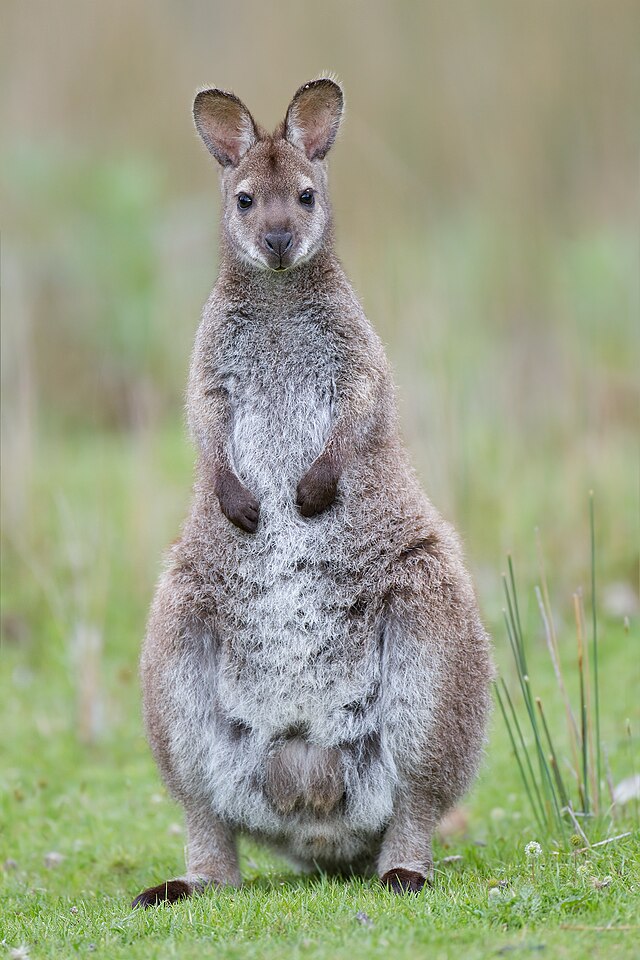 © Noodle snacks ( https://www.jjharrison.com.au/)Bennett's Wallaby) / CC BY-SA 3.0
Bennett's Wallaby
Small kangaroo family member from Australia. Bennett's wallaby is most common as pets. Tame individuals bond with owners but need vast space.
MarsupialLargeOutdoor keeping
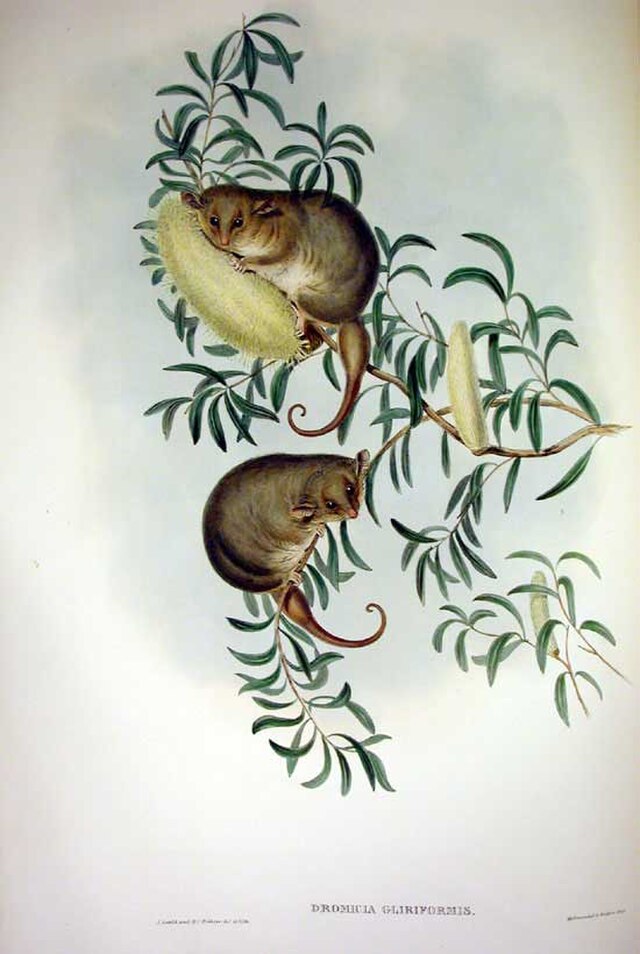 © John Gould / Public domain
Pygmy Possum
Cercartetus nanus
Tiny marsupial from Australia with large dark eyes and fluffy fur. Nocturnal, feeds on insects and nectar. Rare exotic pet.
AdvancedTinyMarsupial
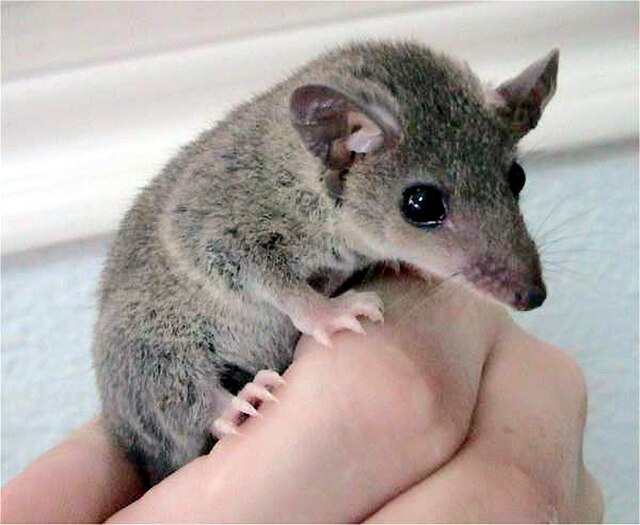 © The original uploader was Dawson at English Wikipedia . / CC BY-SA 2.5
Short-tailed Opossum
Monodelphis domestica
Small marsupial from South America. Solitary and omnivorous, eating insects and fruits. Curious and tames well with handling.
IntermediateMarsupialSolitary
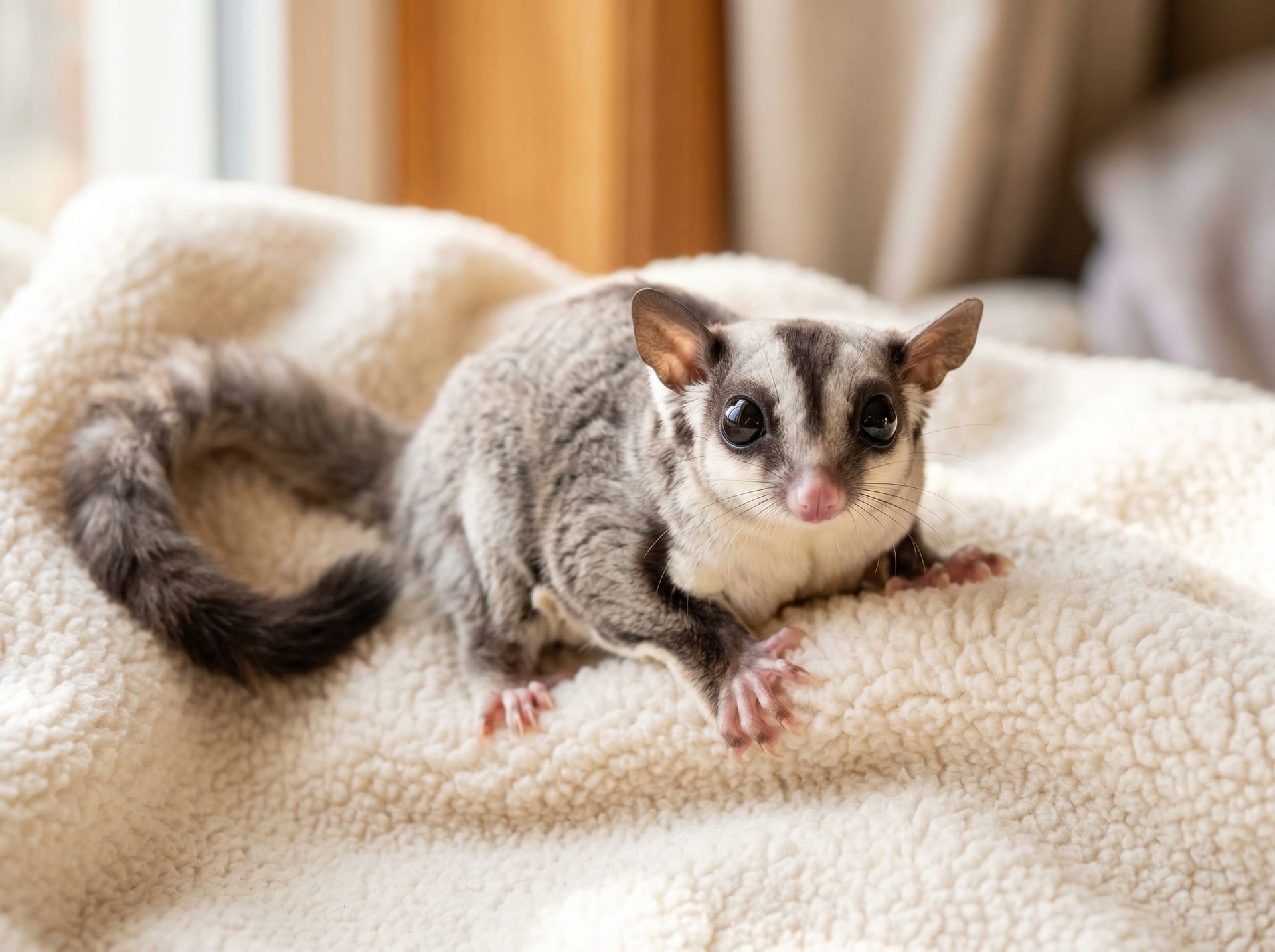
Sugar Glider
Petaurus breviceps
Small marsupial that glides using a membrane. Sweet-loving and bonds closely with owners. Nocturnal and highly social.
IntermediateMarsupialGliding
Related Content
Small Animal FAQ
- Can beginners keep small animals?
- Hamsters and guinea pigs are relatively easy to care for and popular with beginners. Rabbits and chinchillas are also tame-friendly; choose gentle individuals for a smooth start.
- How much do small animals cost?
- Hamsters cost 1,000-3,000 yen, rabbits 10,000-50,000 yen, guinea pigs 5,000-15,000 yen, chinchillas 30,000-80,000 yen, and hedgehogs 15,000-40,000 yen depending on species.
- How long do small animals live?
- Hamsters live 2-3 years, rabbits 7-12 years, guinea pigs 5-7 years, chinchillas 15-20 years, hedgehogs 3-5 years, and ferrets 6-10 years.
- What supplies do small animals need?
- Basics include a cage, bedding, food dish, water bottle, and a hideout. Depending on species, you may also need a wheel (hamsters), chew sticks (rabbits), or a dust bath (chinchillas).
- What should I check when buying small animals?
- Look for a shiny coat, active behavior, clear eyes and nose, and a clean rear. Getting parent information and temperament details from the breeder is reassuring.