Small Animal Encyclopedia — 78 Species Directory
Encyclopedia of popular small animal species with care guides, traits, and pricing.
Featured Small Animal
Showing 4 of 78 species
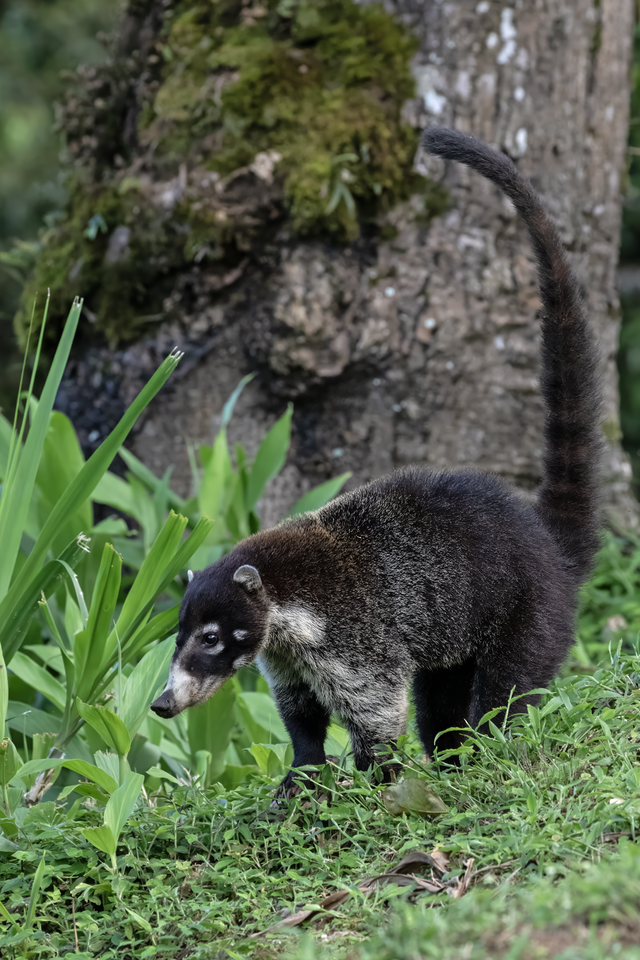 © Chuck Homler, Focus On Wildlife / CC BY-SA 4.0
Coatimundi
Raccoon family member with a long snout and banded tail. Curious, intelligent, and social but strong — for experienced owners.
AdvancedExoticIntelligent
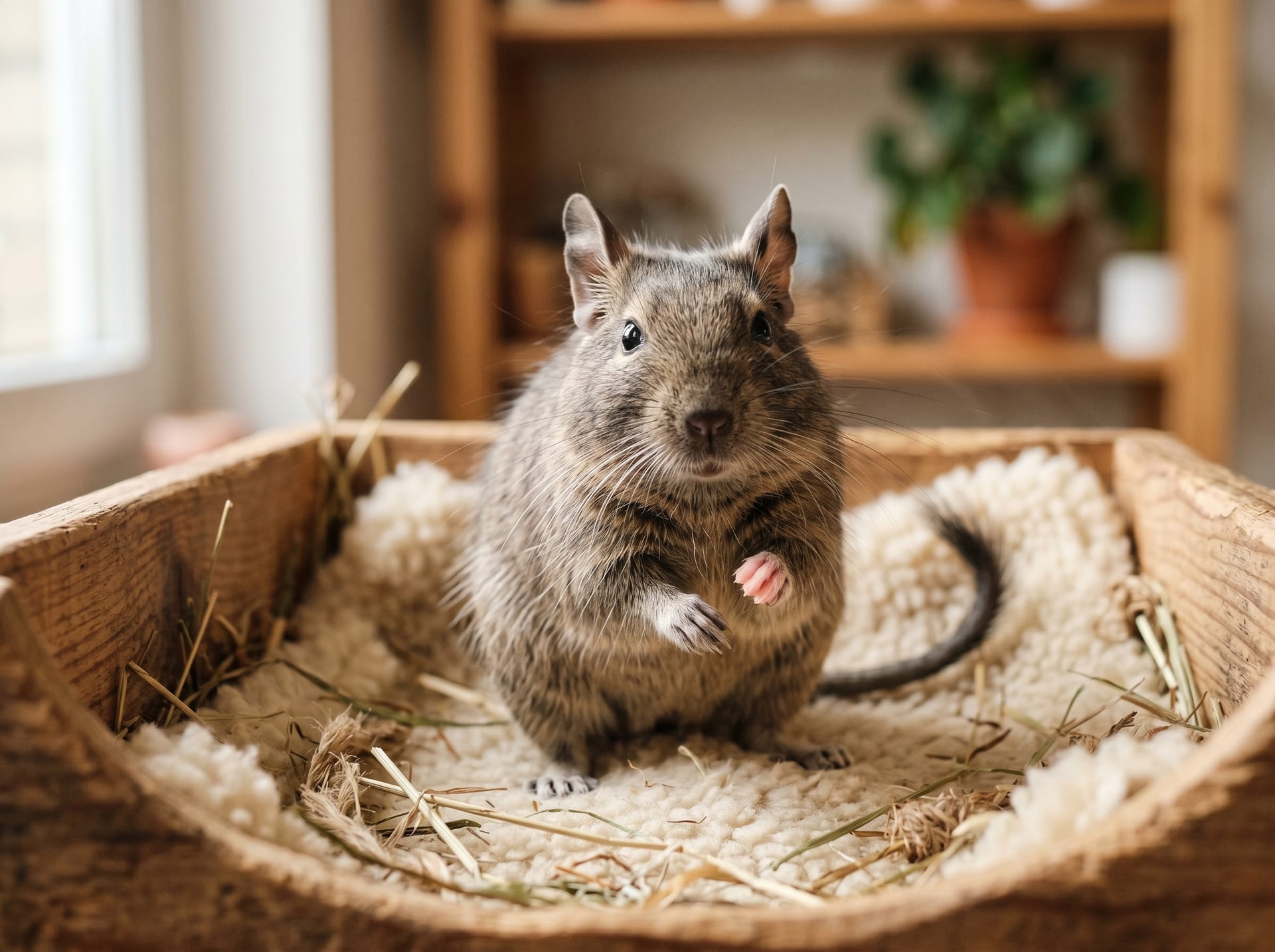
Degu
Octodon degus
Highly intelligent and social rodent from Chile. Called the singing mouse of the Andes for its vocalizations. Diurnal and easy to bond with.
IntermediateIntelligentSocial
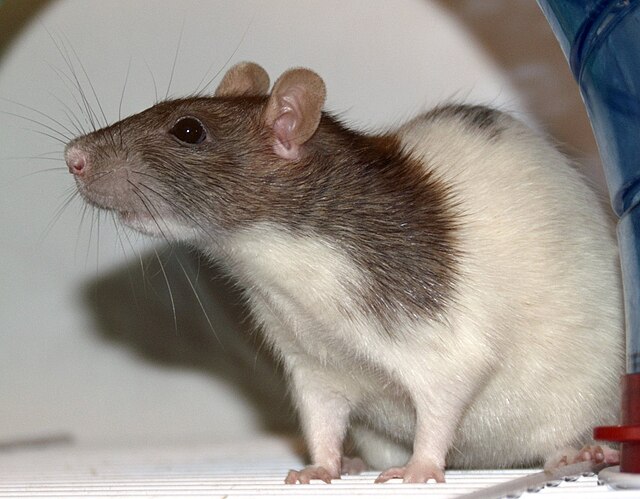 © No machine-readable author provided. Pemelet assumed (based on copyright claims). / Public domain
Fancy Rat
Rattus norvegicus
Highly intelligent and affectionate pet rat. Can learn tricks and responds to its name. Clean, social, and an underrated companion.
Beginner-friendlyIntelligentSocial
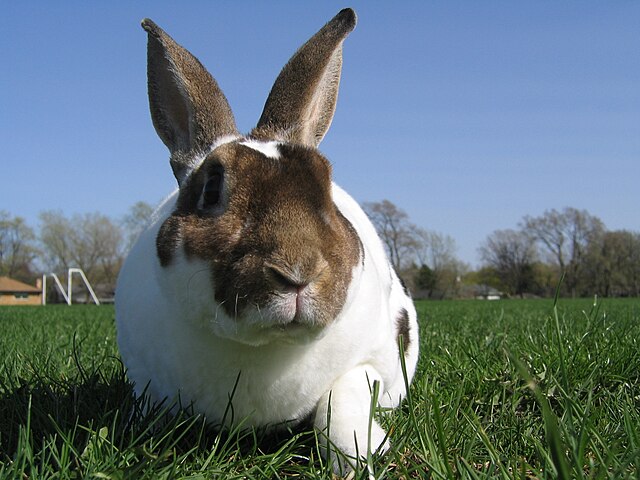 © PD-user-en/Mr. Rex / CC BY-SA 4.0
Rex Rabbit
Oryctolagus cuniculus
Medium rabbit breed known for its plush, velvety fur. Intelligent and sociable with a beautiful coat texture.
Beginner-friendlyVelvety furIntelligent
Related Content
Small Animal FAQ
- Can beginners keep small animals?
- Hamsters and guinea pigs are relatively easy to care for and popular with beginners. Rabbits and chinchillas are also tame-friendly; choose gentle individuals for a smooth start.
- How much do small animals cost?
- Hamsters cost 1,000-3,000 yen, rabbits 10,000-50,000 yen, guinea pigs 5,000-15,000 yen, chinchillas 30,000-80,000 yen, and hedgehogs 15,000-40,000 yen depending on species.
- How long do small animals live?
- Hamsters live 2-3 years, rabbits 7-12 years, guinea pigs 5-7 years, chinchillas 15-20 years, hedgehogs 3-5 years, and ferrets 6-10 years.
- What supplies do small animals need?
- Basics include a cage, bedding, food dish, water bottle, and a hideout. Depending on species, you may also need a wheel (hamsters), chew sticks (rabbits), or a dust bath (chinchillas).
- What should I check when buying small animals?
- Look for a shiny coat, active behavior, clear eyes and nose, and a clean rear. Getting parent information and temperament details from the breeder is reassuring.