Reptile & Amphibian Encyclopedia — 80 Species Directory
Encyclopedia of popular reptile and amphibian species with care guides, traits, and pricing.
Featured Reptile & Amphibian
Showing 7 of 80 species
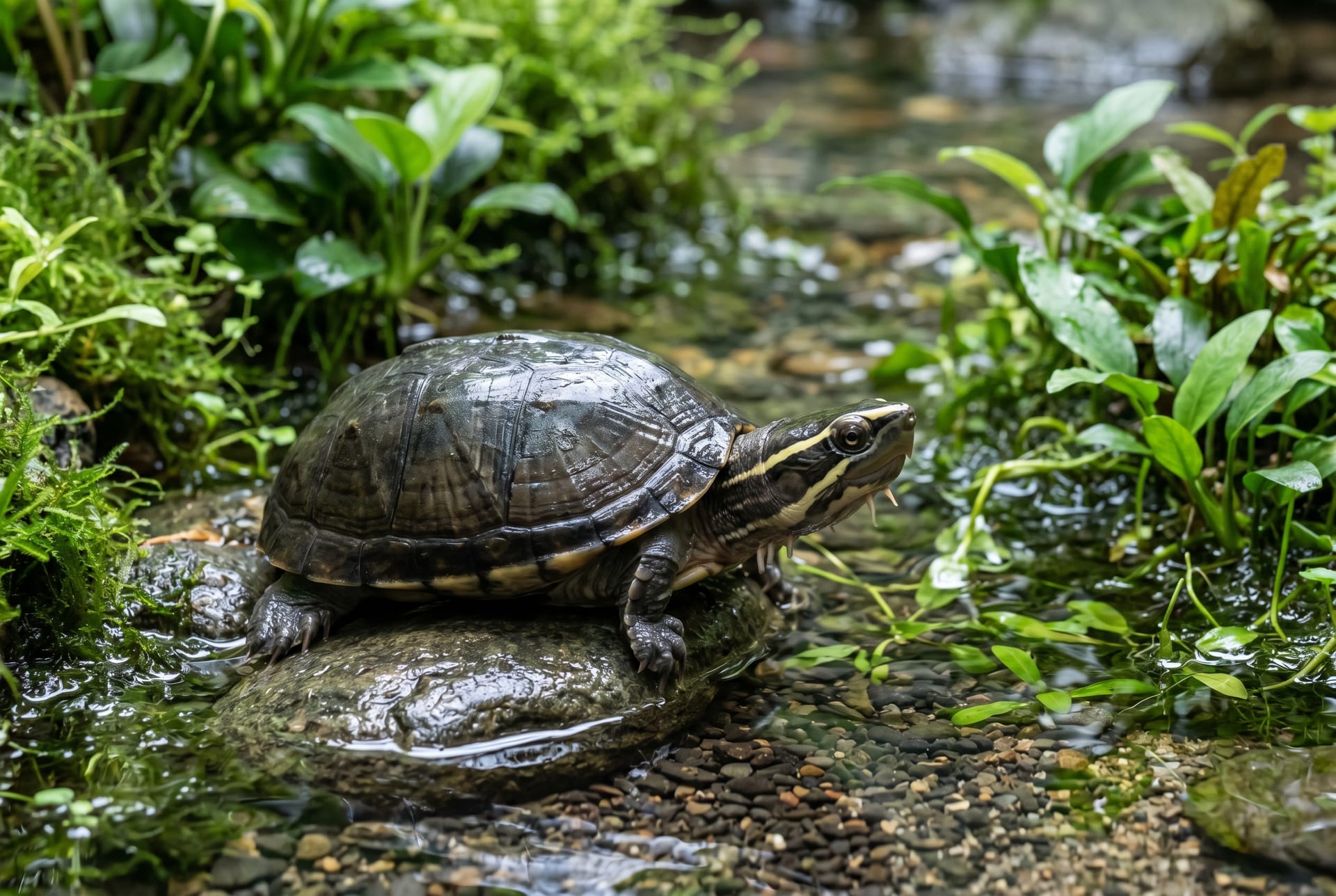
Common Musk Turtle
Sternotherus odoratus
A small aquatic turtle that stays around 8-10 cm even as an adult. Hardy and gentle, it thrives in a 60 cm aquarium and is a popular beginner species. It is unrelated to the regulated red-eared slider.
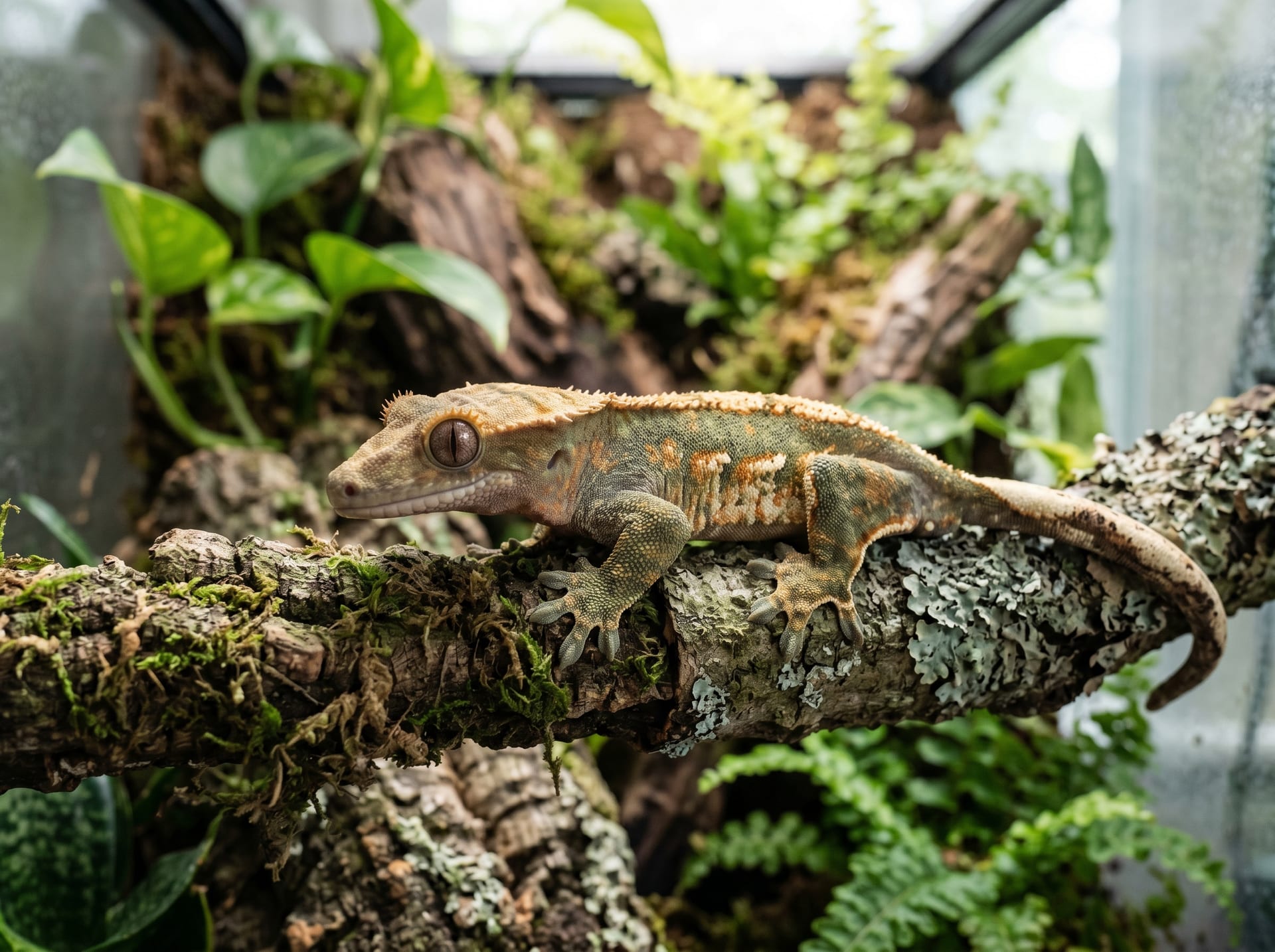
Crested Gecko
Correlophus ciliatus
Arboreal gecko with distinctive eyelash-like crests. Can be kept at room temperature and fed entirely on prepared diets.
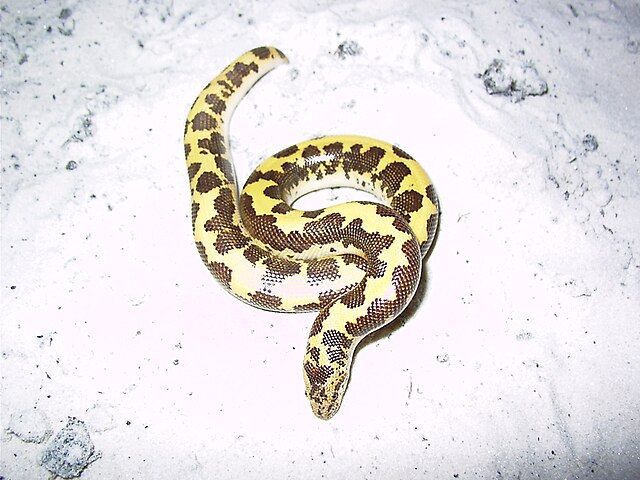
Kenyan Sand Boa
Eryx colubrinus
A small boa living buried in sand. Gentle and space-efficient beginner snake.
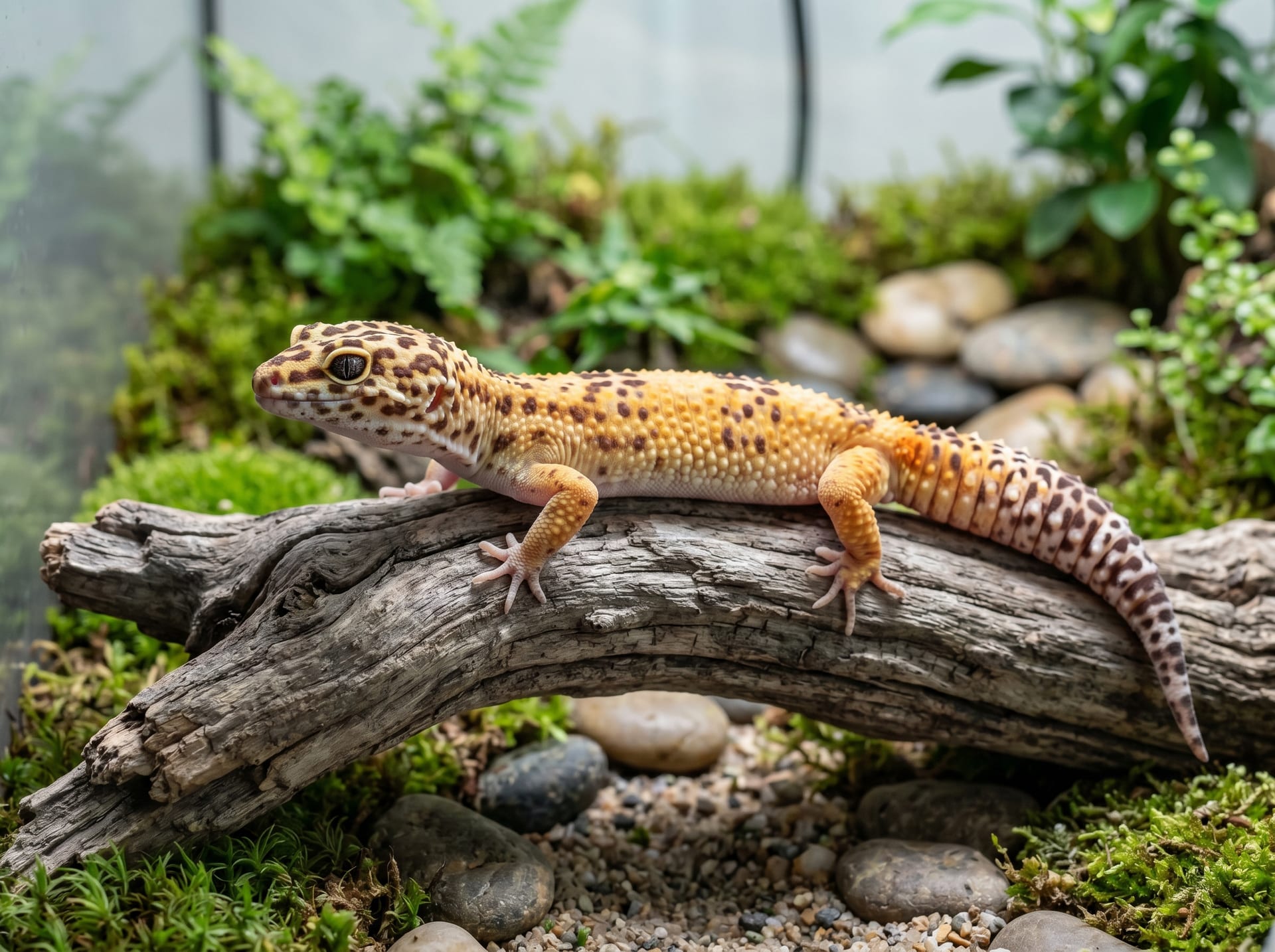
Leopard Gecko
Eublepharis macularius
Perfect entry-level gecko with a docile temperament, minimal space requirements, and extensive morph variety.
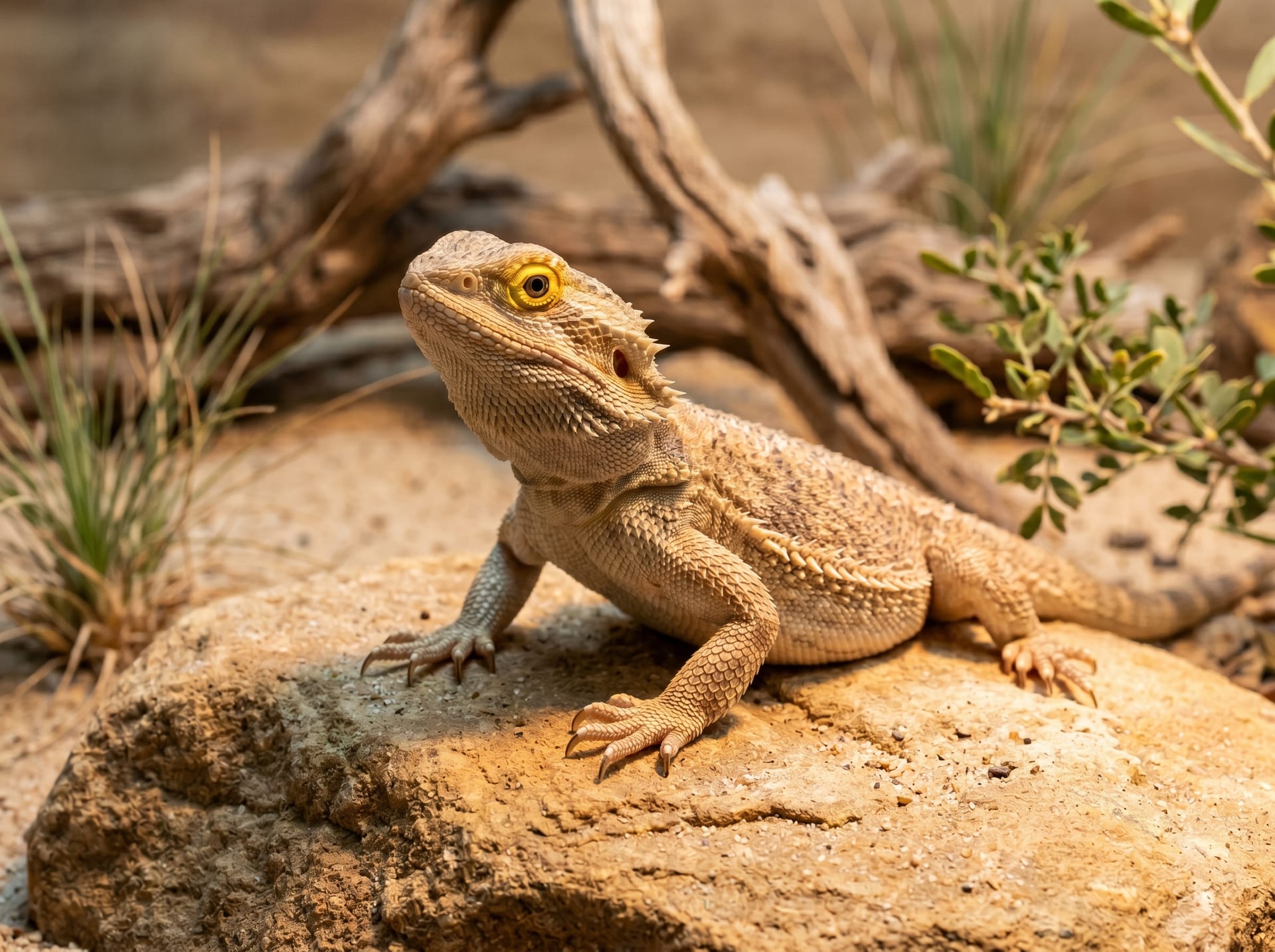
Rankin's Dragon
Pogona henrylawsoni
Close relative of bearded dragon, one size smaller — 'mini bearded dragon'. Equally docile and tames easily. Appealing space-efficient keeping.
 © Orchi / CC BY-SA 3.0
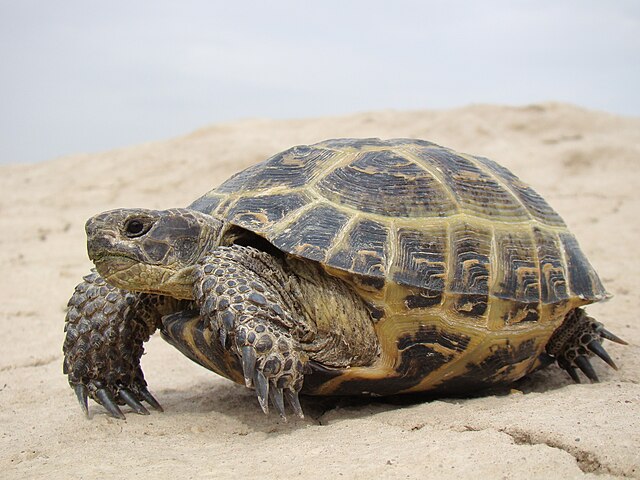
Russian Tortoise
Russian tortoise
Also called Horsfields tortoise. Small, hardy tortoise tolerant of dry conditions. Ideal starter tortoise species.
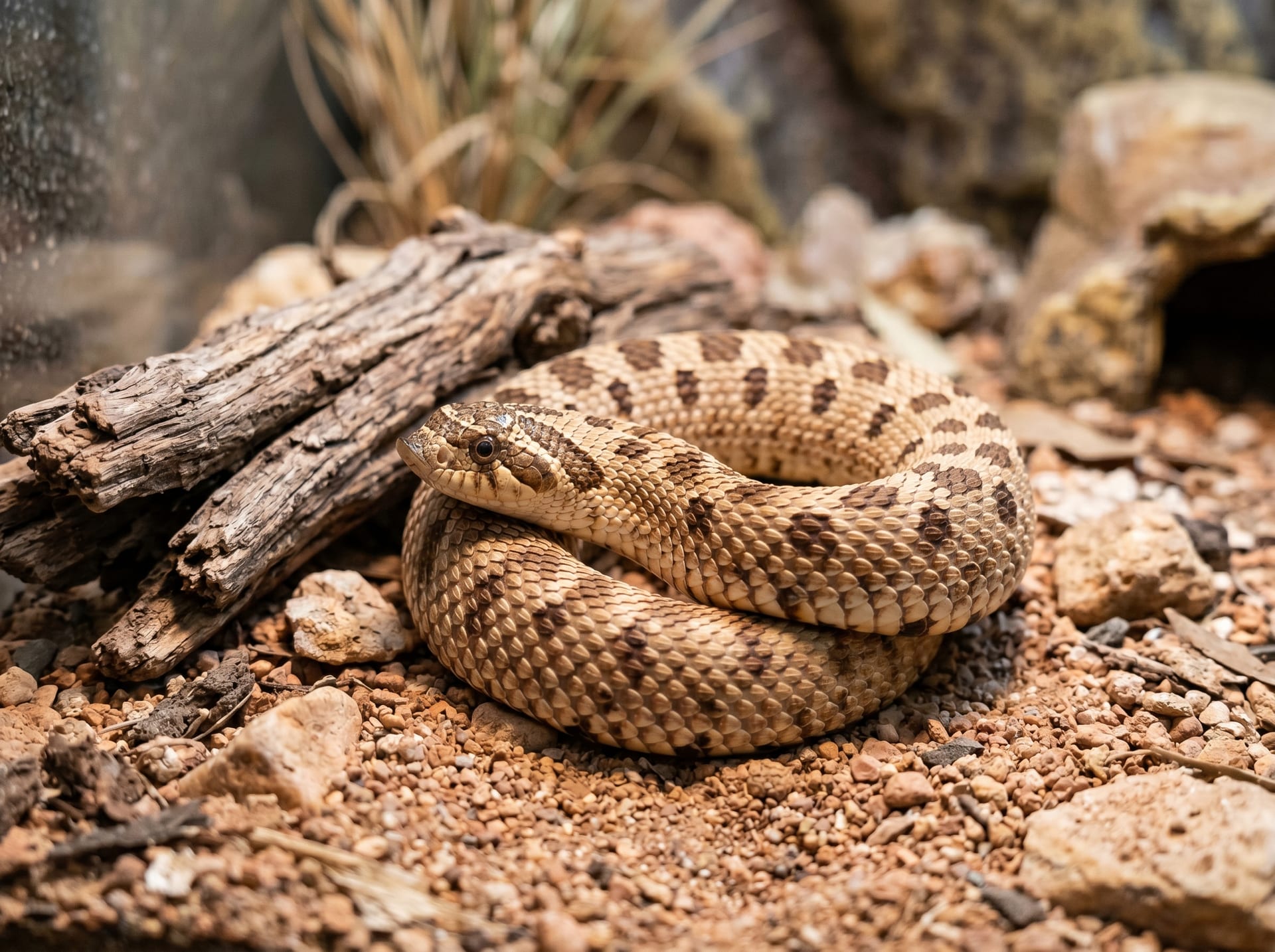
Western Hognose Snake
Heterodon nasicus
Small snake with distinctive upturned snout. Charming threat display — spreads neck like a cobra. Rear-fanged with mild venom, virtually harmless to humans.
Related Content
Reptile & Amphibian FAQ
- Can beginners keep reptiles?
- Leopard geckos, corn snakes, and bearded dragons are hardy and easy to care for, making them popular beginner reptiles. Once you learn temperature and humidity management, long-term care is achievable.
- How much do reptiles cost?
- Leopard geckos cost 5,000-30,000 yen, ball pythons 10,000-100,000+ yen, and bearded dragons 10,000-40,000 yen, varying greatly by morph (variety).
- How long do reptiles live?
- Leopard geckos live 15-20 years, ball pythons 20-30 years, bearded dragons 8-12 years, and some tortoises 50+ years. Be prepared for long-term commitment.
- What equipment is needed for reptiles?
- Basic equipment includes an enclosure, heat sources (heat mat/heat lamp), thermometer-hygrometer, UVB light (species-dependent), water dish, and substrate. Proper temperature gradient is most important.
- What should I check when buying reptiles?
- Check that the animal is active, has clear eyes, no stuck shed, and is eating well. Captive-bred (CB) specimens adapt better to captive environments.