Source: Wikimedia Commons
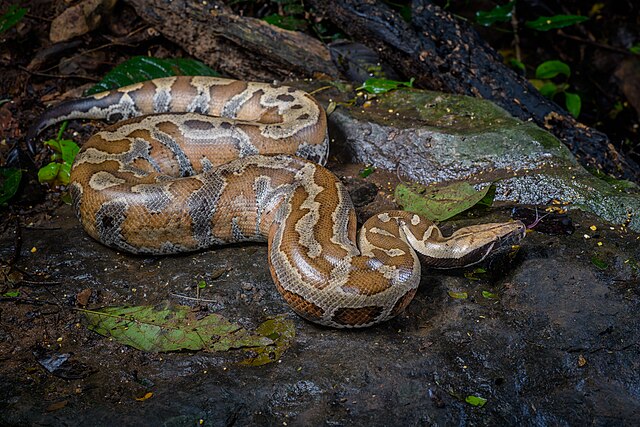
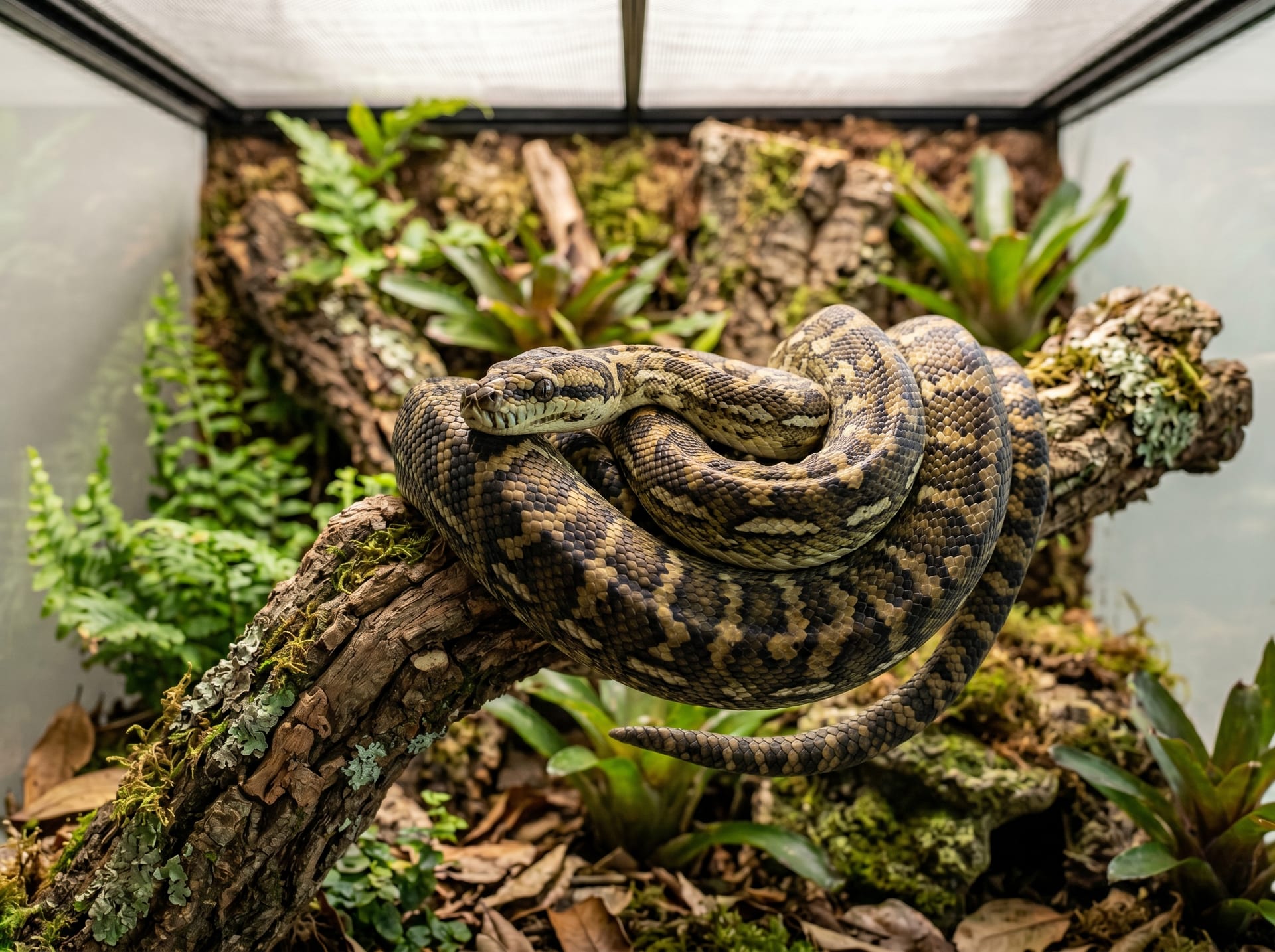
Woma Python
IntermediateAspidites ramsayi
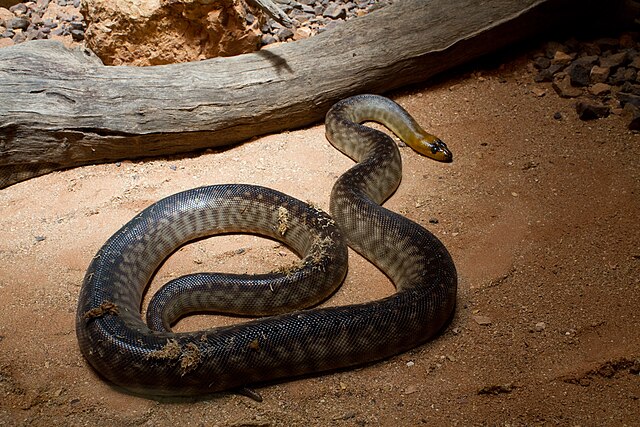
A gentle python from Australia. Beautiful banded pattern and calm temperament make it popular.
Difficulty
Intermediate
Temperature
25〜32℃
Lifespan
15-20 years
Size
100-150cm
Humidity
40〜70%
Diet
Mice, Rats
About
The woma python, also known commonly as Ramsay's python, the sand python, and simply the woma, is a species of snake in the family Pythonidae, endemic to Australia. Once common throughout Western Australia, it has become critically endangered in some regions.
Source: Wikipedia (CC BY-SA 4.0)
Lifespan of the Woma Python
The Woma Python lives 15-20 years.
Size of the Woma Python
The Woma Python grows to 100-150cm.
Basic Info
Origin
Australia
Lifespan
15-20 years
Size
100-150cm
Temperature
25〜32℃
Humidity
40〜70%
Diet
Mice, Rats
Care Guide
References & Sources
Edited & verified by: BreederDirect editorial team
The taxonomic, regulatory, and husbandry data on this page are compiled and verified against the authoritative primary sources below.
Taxonomy & Authority
Accepted name: Aspidites ramsayi (Macleay, 1882)
Synonyms: Aspidiotes ramsayi Macleay, 1882, Aspidites collaris Longman, 1913, Aspidites melanocephalus ramsayi
Authority databases: GBIF · Reptile Database
Nomenclature follows global taxonomic authority databases.
Regulations & Conservation Status
CITES Appendix IIIUCN LC · Least Concern
Sources: CITES Checklist (Pythonidae spp. Appendix II) / IUCN Red List
Regulations may change. Always verify the latest information with the relevant authorities.
Woma Python Listings
Loading latest listingsFind listings for this species